Table of Contents
Apple developing 24 inch OLED iMac marks a major shift in how the company approaches desktop displays. A new report from Korea suggests Apple has started early development work on an OLED based iMac panel. The target size is 24 inches. The target brightness is 600 nits. The expected development window points to 2027 or later.
If this plan moves forward, it would represent Apple first use of OLED technology in its all in one desktop lineup. Apple already uses OLED in iPhones and Apple Watch models. The company has also confirmed future OLED MacBook Pro models. Bringing OLED to the iMac would complete a major transition across Apple main product categories.
This article explains what Apple developing 24 inch OLED iMac means in technical terms. It also explains why Apple is moving slowly. It examines the panel suppliers involved. It analyzes how this change could affect brightness, power use, and long term iMac strategy.
Apple Developing 24 Inch OLED iMac Starts With Panel Research
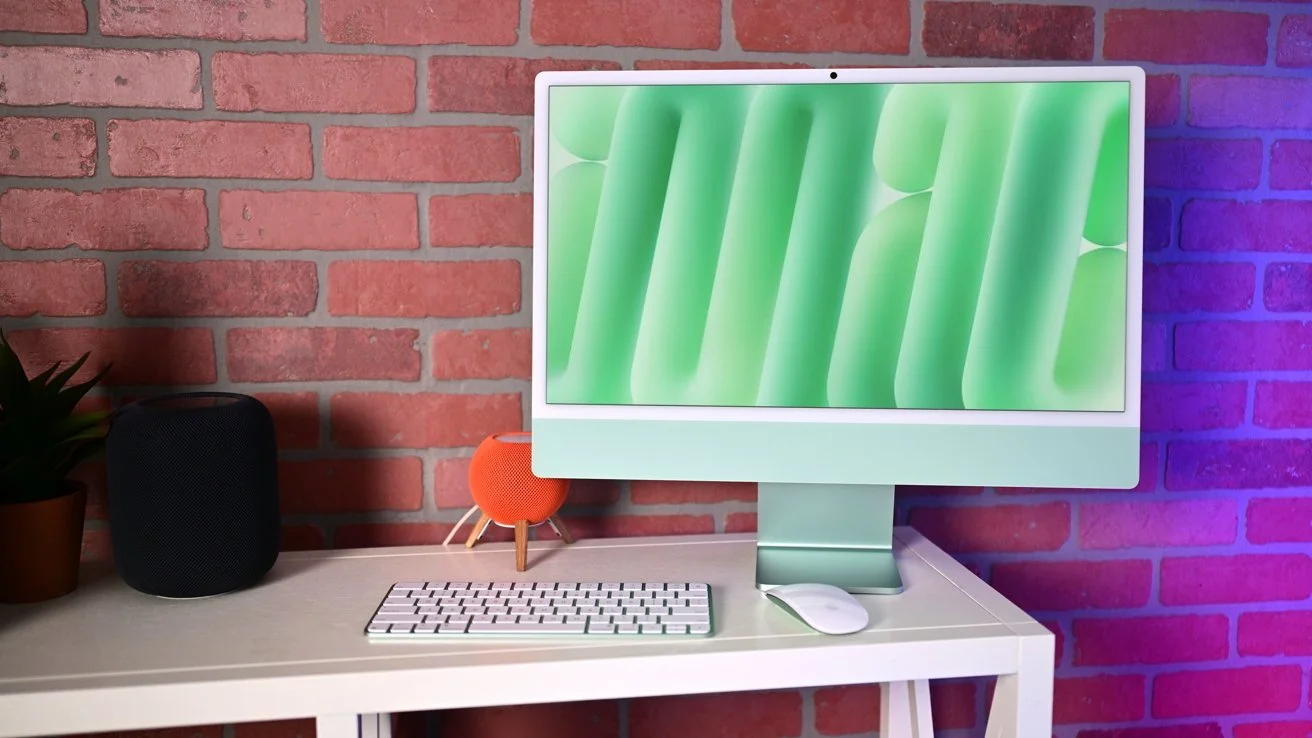
Reports indicate Apple has sent formal requests for information to Samsung Display and LG Display. These requests focus on a 24 inch OLED panel designed for desktop use. Current 24 inch iMac models rely on a 4.5K Retina LCD panel with LED backlighting. That screen reaches a peak brightness of 500 nits.
Apple developing 24 inch OLED iMac with 600 nits brightness would raise brightness by about twenty percent. That places it on par with Apple Studio Display in raw brightness output. The key difference lies in how OLED controls light at the pixel level. Each pixel emits its own light. This removes the need for backlighting.
The reported pixel density stands at 218 pixels per inch. That matches the existing iMac display resolution. Apple appears focused on visual quality gains rather than resolution increases. This strategy aligns with Apple past behavior. The company often improves contrast and brightness before pushing resolution higher.
OLED offers deeper blacks because pixels can fully turn off. This improves contrast without software tricks. It also improves perceived sharpness in dark scenes. For desktop work, this can affect text clarity, video editing accuracy, and media viewing comfort.
Why Apple Developing 24 Inch OLED iMac Is Taking Time
OLED technology scales well for phones and laptops. Desktop displays present different challenges. Larger panels require higher manufacturing yields. They also require consistent brightness across a wide surface. Burn in risk rises when static elements remain on screen for long periods. Desktop computers often show fixed interface elements for hours.
Apple reportedly prefers RGB OLED panels. In RGB OLED, each subpixel produces its own color and light. This design improves color accuracy and efficiency. The problem lies in scaling RGB OLED reliably to the twenty to thirty inch range. Current production methods struggle with yield and cost at that size.
Samsung and LG each propose alternative OLED structures. Samsung plans to offer QD OLED panels. These panels use blue OLED light paired with quantum dot conversion layers. LG plans to offer W OLED panels. These panels use white OLED light filtered through red green blue and white subpixels.
Both companies are developing five stack OLED designs. These add an extra green emitting layer. This approach improves brightness and panel lifespan compared to older four stack designs. Apple appears open to these options for early models even if RGB OLED remains the long term goal.
Apple developing 24 inch OLED iMac therefore involves balancing technical limits with production reality.
How 600 Nits Brightness Changes the iMac Experience
Brightness affects usability in bright rooms. It also affects HDR performance. A jump from 500 nits to 600 nits improves visibility under strong lighting conditions. OLED also improves contrast because black pixels emit no light.
For creative professionals, this improves color grading accuracy. Shadows appear more defined. Highlights retain detail. For everyday users, text clarity improves due to higher contrast between background and characters.
OLED panels also consume less power when displaying darker content. This can reduce energy use during normal work sessions. While desktop systems rely on wall power, efficiency still matters for heat control and internal component longevity.
Apple developing 24 inch OLED iMac with higher brightness also aligns the product with Apple Studio Display brightness levels. This prevents the all in one iMac from appearing visually weaker than Apple external monitors.
At SquaredTech, we view this as Apple protecting product hierarchy while still delivering visible upgrades.
Panel Suppliers and Strategic Implications
Samsung Display and LG Display remain the two likely panel partners. Samsung already supplies OLED panels for Apple phones and watches. LG supplies panels for iPad and Apple Watch models.
Samsung QD OLED panels excel in color volume and brightness. They also handle large screen sizes more effectively. LG W OLED panels offer stable manufacturing yields and longer experience with television scale OLED production.
Apple traditionally prefers RGB OLED because it aligns with strict color accuracy goals. That preference explains why Apple has delayed OLED adoption for larger desktop screens. The current report suggests Apple may compromise temporarily while suppliers mature RGB OLED for desktop sizes.
Apple developing 24 inch OLED iMac therefore reflects supplier driven constraints as much as internal design goals.
How This Fits Into Apple Wider Mac Roadmap
Apple has already committed to OLED MacBook Pro models. Fourteen inch and sixteen inch versions are expected to enter production soon using Samsung eighth generation OLED lines. OLED MacBook Air models are expected later.
The iMac remains Apple consumer desktop entry point. Introducing OLED here signals Apple intent to refresh the iMac identity after years of incremental updates. The current 24 inch iMac launched with Apple silicon brought design changes but display technology stayed familiar.
Reports also mention a possible high end iMac with an M5 Max chip. There is no evidence this model will include OLED. Apple could separate product tiers by display technology. The standard iMac could adopt OLED later while high end models focus on performance first.
Apple could also update the 24 inch iMac with an M5 chip before OLED arrives. This would extend the product life cycle while OLED development continues.
What Apple Developing 24 Inch OLED iMac Means for Buyers
Consumers should not expect an OLED iMac before 2027 at the earliest. Even that timeline refers to development completion rather than retail launch. Apple often completes internal development years before public release.
When OLED does arrive, it will likely bring higher pricing. OLED panels cost more than LCD panels. Apple will likely position the OLED iMac as a premium option within the lineup.
Existing iMac buyers should not delay purchases solely for OLED. Apple current 4.5K LCD remains strong for most tasks. OLED will appeal most to creators, display enthusiasts, and long term desktop users who value contrast and brightness gains.
Apple developing 24 inch OLED iMac signals direction rather than immediate change.
Final Take on Apple Developing 24 Inch OLED iMac
At SquaredTech, we see Apple developing 24 inch OLED iMac as a strategic and cautious move. Apple wants OLED across its Mac lineup. Desktop displays introduce scale and longevity challenges that demand patience.
The reported 600 nits brightness target shows Apple focus on practical gains rather than headline chasing. The involvement of Samsung and LG highlights supply realities. The slow timeline reflects Apple commitment to consistency over speed.
When the OLED iMac arrives, it will likely redefine Apple all in one desktops for another decade. Until then, Apple careful preparation suggests the company views display quality as central to future Mac identity.
Stay Updated: Gadgets