

Table of Contents
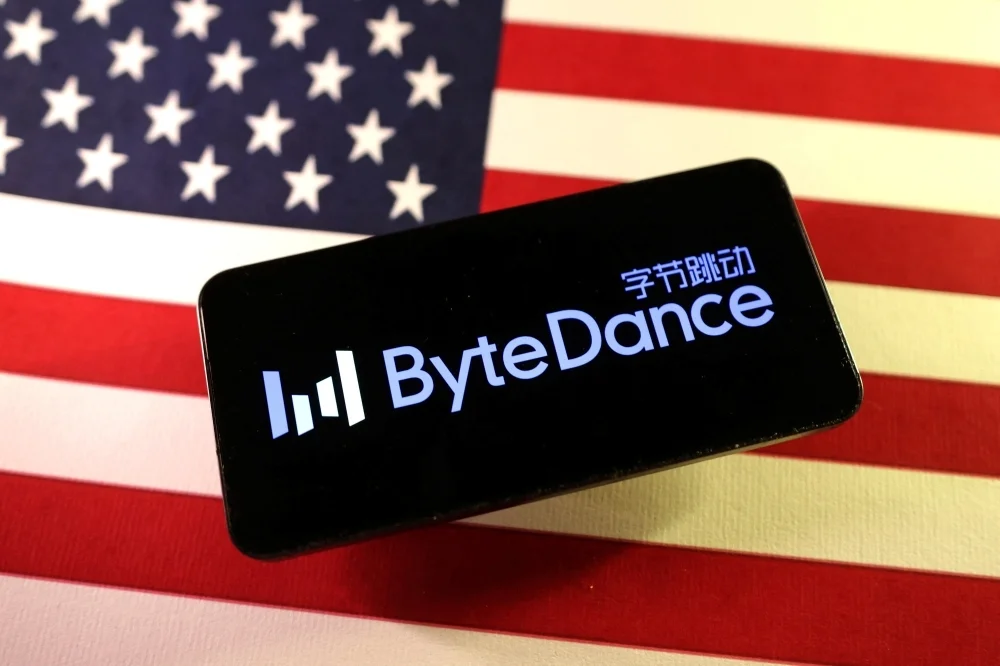
The latest development around TikTok marks one of the most significant outcomes yet in the long running dispute between Washington and Beijing over data security and digital influence. ByteDance has now signed binding agreements that restructure TikTok’s US operations and avert a full ban of the app in the country.
The agreement, confirmed by TikTok chief executive Shou Zi Chew in a memo to employees, brings American and international investors into a new joint venture that will operate TikTok in the United States. This move effectively ends years of political pressure aimed at forcing ByteDance to divest control of the platform due to national security concerns.
The deal is set to close on January 22 and keeps TikTok available to more than 170 million American users. It also protects the platform’s role as a key marketing channel for millions of creators and small businesses.
How the TikTok US Ban Was Avoided Through a New Ownership Structure
The core of the agreement centers on ownership redistribution. Under the new structure, ByteDance will retain a 19.9 percent stake in TikTok’s US business. This figure keeps ByteDance below the 20 percent threshold that US lawmakers often cite as a point of operational control.
A group of American and global investors will collectively hold the remaining shares. Oracle, Silver Lake, and Abu Dhabi based MGX will each own 15 percent of the joint venture. Affiliates of existing ByteDance investors will control another 30.1 percent.
This ownership layout reflects a compromise designed to address US security concerns while allowing TikTok to continue operating without a forced sale. From Washington’s perspective, American participation reduces perceived foreign influence. From Beijing’s perspective, ByteDance avoids a full exit from one of its most valuable markets.
We see this structure as a political balancing act rather than a clean break. ByteDance remains involved, but its influence is limited enough to satisfy regulatory pressure.
Why Washington Targeted TikTok in the First Place
The TikTok US ban threat did not emerge overnight. Concerns over data privacy and national security have followed the platform for years. US officials argued that ByteDance’s Chinese ownership could expose American user data to foreign government access or manipulation.
In April 2024, under President Joe Biden’s administration, Congress passed legislation that required TikTok to be sold or banned. The law set a January 20, 2025 deadline for compliance.
President Donald Trump later delayed enforcement of the ban several times. His administration used the extensions to negotiate an ownership transfer that would keep the app running without direct Chinese control.
Trump publicly stated in September that he spoke with Chinese President Xi Jinping, who reportedly approved the general framework of the deal. Even after that statement, uncertainty remained following an October meeting between the two leaders, as broader trade and diplomatic tensions persisted.
The final agreement suggests that both governments decided that compromise served their interests better than escalation.
The Role of Oracle and Algorithm Control
One of the most sensitive aspects of the TikTok debate involved the recommendation algorithm. Critics argued that algorithmic control could influence political discourse or amplify harmful content.
According to previous White House statements, Oracle will license TikTok’s recommendation algorithm as part of the agreement. This arrangement allows the algorithm to operate under US oversight without transferring full ownership of the underlying technology.
TikTok has also committed to retraining its recommendation system using US user data. The company says this step ensures that content feeds remain free from external manipulation.
Algorithm licensing offers political reassurance but raises practical questions. Licensing does not equal transparency, and long term oversight will depend on enforcement rather than promises alone.
Political Reactions and Ongoing Criticism
Despite the deal, criticism remains strong. Senator Ron Wyden of Oregon argued that the agreement fails to protect American user privacy. He stated that the new structure does little to reduce risk and questioned whether algorithm control truly shifts into safer hands.
Wyden opposed the original 2024 law and supported extending deadlines to allow Congress more time to address security risks without banning the platform outright. His concerns reflect a broader skepticism among lawmakers who view the deal as symbolic rather than substantive.
The White House declined direct comment and referred inquiries to TikTok. Oracle and Silver Lake also declined to comment, while MGX has not yet issued a public statement.
What the Deal Means for TikTok Creators and Small Businesses
Beyond politics, the TikTok US ban carried serious economic implications. TikTok reports that more than seven million small businesses in the United States use the platform to market products and services.
Creators and entrepreneurs feared that a ban would erase audiences built over years. For many, TikTok offers better profit sharing terms than competing platforms.
Small business owner Tiffany Cianci, who has hundreds of thousands of followers and millions of likes, expressed cautious optimism. She said she hopes the new investors preserve the platform’s existing user experience.
Cianci also highlighted why TikTok matters to entrepreneurs. She chose the platform because it offered more favorable revenue terms compared to rivals like Meta. She participated in protests in Washington and online campaigns aimed at saving the app.
Her position reflects a broader sentiment. Users recognize the deal as a temporary win but remain unsure whether future changes will harm organic reach or monetization.
TikTok as a Symbol in US China Relations
Technology policy rarely exists in isolation. Analysts argue that TikTok became a bargaining chip in the broader US China relationship.
Alvin Graylin, a lecturer at the Massachusetts Institute of Technology, described the agreement as a calibrated de escalation. He suggested that Beijing’s approval signals a desire to reduce friction while allowing both governments to claim domestic success.
From this perspective, the TikTok US ban debate functioned as leverage in wider negotiations over trade and technology control. The final deal allows Washington to claim progress on security while allowing Beijing to avoid setting a precedent of forced divestment.
At SquaredTech, we view this moment as a case study in digital geopolitics. Platforms with global reach now sit at the intersection of policy, economics, and diplomacy.
What Happens Next for TikTok in the United States
The agreement closes on January 22, but its real test begins after implementation. Regulators will monitor compliance. Lawmakers will revisit privacy concerns. Users will watch for changes in content distribution and monetization.
TikTok stated that the deal allows Americans to continue discovering content within a global community. This message aims to reassure both users and creators.
However, uncertainty remains. The ownership structure limits ByteDance’s control, but it does not eliminate political risk. Future administrations may revisit platform regulation with new criteria.
For now, the deal keeps TikTok online, protects creator economies, and demonstrates how global technology companies adapt under pressure. As this story evolves, SquaredTech will continue analyzing how policy decisions shape the future of digital platforms and the users who rely on them.
Stay Updated: Tech News

