
Table of Contents
At Squaredtech, we track tech policy shifts that shape digital platforms. Investors face uncertainty over the TikTok US sale. A billionaire steps forward with funds ready. Deadlines shift again. National security drives the tension. ByteDance owns the app from China. US lawmakers demand action. President Trump extends the timeline. Frank McCourt speaks out. He leads a group with clear plans. Our team examines the details.
TikTok US Sale Faces Repeated Deadline Shifts
US regulators force ByteDance to sell TikTok’s US operations or face a ban. Congress passed a law in 2024. The law targets national security risks. ByteDance maintains ties to the Chinese government. Lawmakers fear data access for Beijing. TikTok users in America number over 170 million. The app shares short videos. Its rise started in 2018 after ByteDance merged it with Musical.ly.
President Joe Biden signed the law before leaving office. The Supreme Court upheld it in early 2025. Courts reviewed free speech claims. Justices ruled security concerns outweighed them. ByteDance appealed but lost. The company denies data handover risks. TikTok stores US data on Oracle servers. Independent audits verify this setup. Still, fears persist over algorithm influence.
President Donald Trump took action after his election. He set an initial deadline of December 16, 2025. That date passed without resolution. Trump issued a new executive order. It pushes the deadline to January 23, 2026. He posted online about progress. Trump claimed a deal neared completion. His words built expectations.
Squaredtech notes the pattern of delays. Governments balance security with economic impact. TikTok generates billions in US ad revenue. A ban disrupts creators and businesses. Small influencers rely on the platform. Brands allocate marketing budgets there. Lawmakers weigh these effects against risks.
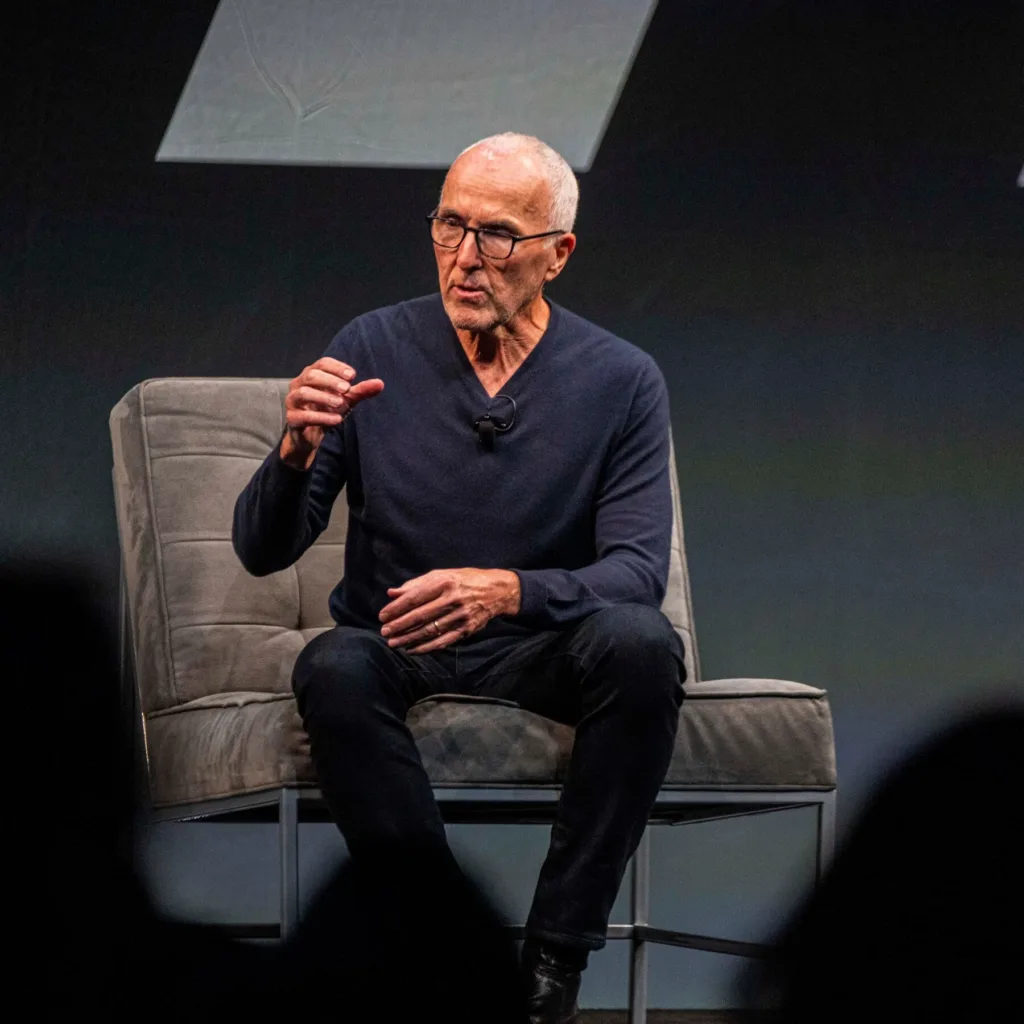
Frank McCourt, a real estate billionaire, shared his status with BBC News. He invests through Project Liberty. McCourt raised capital for a full buyout. His group eyes TikTok’s US assets. They stand ready if ByteDance agrees. McCourt waits in limbo. “We’re just standing by and waiting to see what happens,” he stated. “But if the moment arrives, we’re prepared to move forward… we’ve raised the capital to buy it—we’ll see.”
McCourt built his fortune in telecom and sports. He once owned the Los Angeles Dodgers. Project Liberty launched in 2021. It focuses on decentralized tech. McCourt critiques big tech power. He joins forces with Alexis Ohanian, Reddit co-founder, and Kevin O’Leary from Shark Tank. Their bid emphasizes US control.
Read more on our article, TikTok’s Uncertain Future in the U.S.: Who Wants to Buy It and What’s Next?, published on February 19, 2025 SquaredTech.
Source: The New York Times
Trump Claims TikTok US Sale Deal Exists Amid Doubts
Trump administration officials hinted at a done deal. They named potential buyers. Oracle Chairman Larry Ellison leads one group. Michael Dell of Dell Technologies joins him. Both men support Trump. Ellison donated to his campaigns. Dell focuses on enterprise tech. Trump predicted their involvement early.
Trump met Chinese President Xi Jinping in October 2025. Sources expected a sale approval there. The meeting occurred at a global summit. No announcement followed. ByteDance stayed silent. Beijing issued no statements. Trump still expressed confidence. His latest executive order aims to seal the agreement.
Our team analyzed Trump’s strategy. He uses executive power to extend timelines. This approach buys negotiation time. China resists full divestment. ByteDance values its algorithm highly. The system powers TikTok’s feeds. It predicts user preferences with precision. US buyers want this tech separated.
McCourt raises alarms on power concentration. Platforms like TikTok shape opinions. They influence elections and culture. “I’m concerned about a concentration of power and influence because platforms like TikTok are very influencing,” McCourt told BBC. He avoids naming rivals. We agree that concentration risks exist. A few firms control feeds. This setup limits competition.
History shows similar cases. The US forced sales before. Grindr sold to US owners in 2020 over China fears. Clubhouse faced scrutiny too. TikTok stands apart due to scale. Its daily users exceed 100 million in the US alone. Creators earn from gifts and ads.
ByteDance built TikTok on AI prowess. The parent company launched Douyin in China first. Global expansion followed. US growth exploded during COVID-19 lockdowns. Teens and Gen Z adopted it fast. Challenges came from India ban in 2020. Border clashes prompted that move. Data privacy fueled US debates.
Lawmakers cited specific threats. They worried Beijing could access location data. Profiles reveal user habits. Algorithms amplify content. State actors might exploit this. TikTok counters with transparency reports. It publishes data requests from governments. US figures remain low.
We evaluated the evidence. Public reports show no proven breaches. Yet classified intel drives policy. Congress held hearings in 2024. Executives testified. Concerns centered on forced cooperation under Chinese law. ByteDance must aid intelligence there.
Investor Vision Reshapes TikTok US Sale Future
McCourt outlines a new path. His group plans to ditch Chinese tech entirely. They target the recommendation algorithm. Project Liberty built alternatives. These tools prioritize user control. McCourt wants full compliance with US law. “My hope would be that whatever happens, that it is shut down or sold, and lands in the hands of people that comply with the law,” he said.
We see merit in this model. Decentralized systems reduce single points of failure. Users own their data. Algorithms become open source. This shift counters monopoly power. Traditional platforms centralize control. TikTok’s feed keeps users hooked for hours. Daily engagement tops 52 minutes per user.
Other bidders present options. Ellison’s group leverages Oracle cloud. Dell brings hardware scale. Trump’s allies push American leadership. McCourt’s bid stands out for its clean break. No Chinese remnants remain. This appeals to security hawks.
Broader implications loom. A sale sets precedents. Other apps face reviews. WeChat and others draw attention. Tech firms adapt strategies. Investments flow to US alternatives. Reels on Instagram gains ground. YouTube Shorts competes.
Our research team predicts outcomes. A deal likely happens by January 2026. Buyers line up with funds. ByteDance prefers sale over ban. Revenue loss would hurt. China gains from controlled exit. US secures data flows.
Challenges persist. Valuation debates slow progress. TikTok US worth exceeds $50 billion. Algorithms add premium value. Legal fights continue. ByteDance explores appeals.
At Squaredtech, we monitor these developments. Tech sovereignty defines the future. Platforms must align with host nations. Investors like McCourt drive change. They build compliant systems.
The TikTok US sale tests balances. Security clashes with innovation. Deadlines force decisions. Trump wields extensions. Billionaires prepare bids. We urge clarity. Stakeholders need resolution soon.
Stay Updated: TechNews