Table of Contents
Samsung releases 2026 Frame Pro TVs and OLED models for order. Customers access these displays starting today with prices from $1,200. SquaredTech.co evaluates this lineup. We break down sizes, features, and value for home setups. Samsung builds on CES 2026 announcements. The company follows Mini LED TV sales from March. Frame Pro evolves from 2025’s premium art TV concept. OLED lines gain brightness and design upgrades. Buyers choose from multiple sizes and price points. This launch targets gamers, movie fans, and decor lovers. Production scales fast after January reveals. Retailers stock most models immediately.
Samsung Frame Pro TVs Add Size and Audio Upgrades
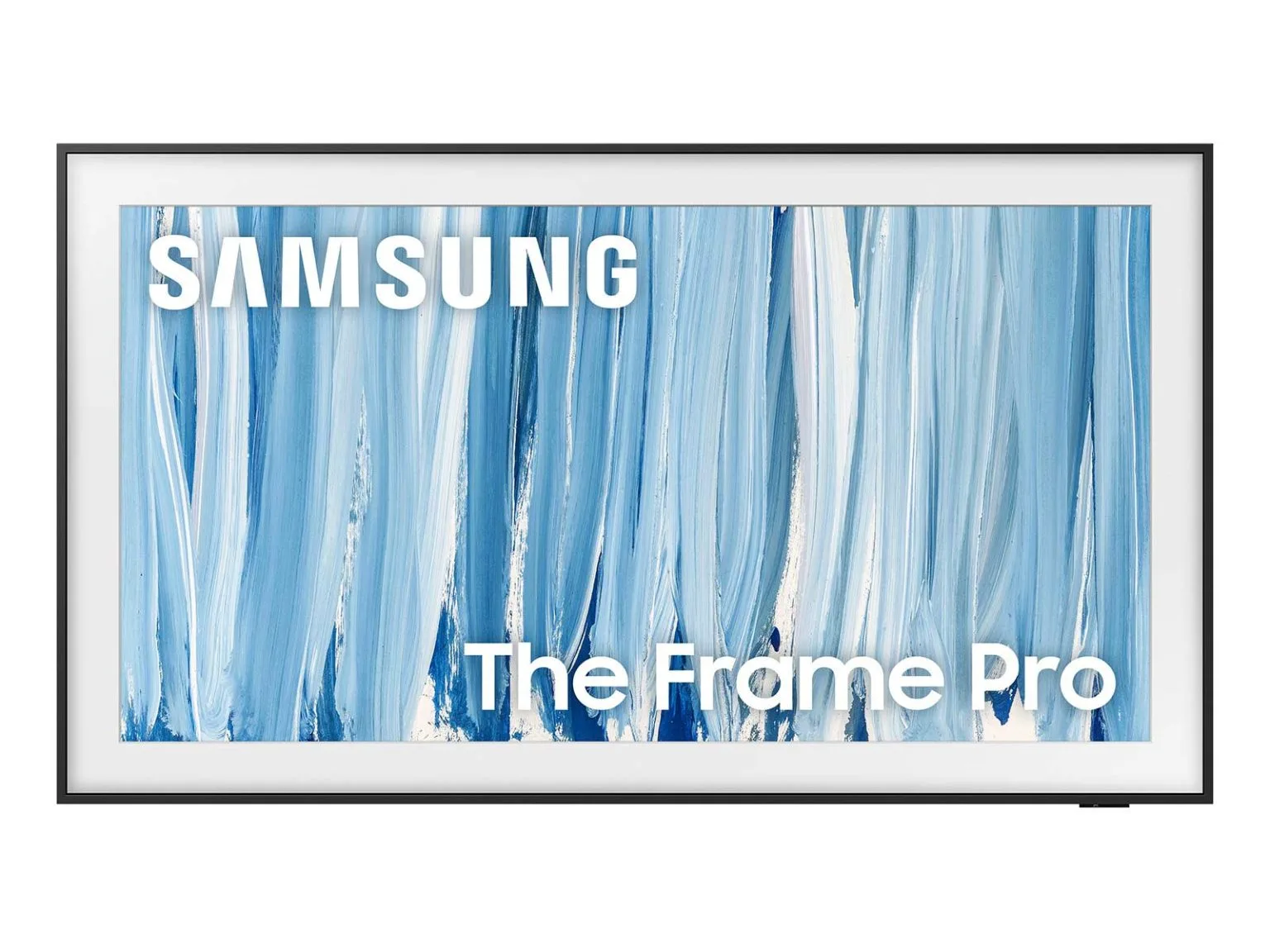
Samsung positions Frame Pro TVs as premium art displays. The 2025 original used Neo QLED panels for superior light control. Buyers upgrade from standard Frame models for better backlighting. Wireless One Connect box hides cables completely. The 2026 version keeps this core appeal. A glare-free QLED panel cuts reflections in bright rooms. Refresh rates reach 144Hz for smooth motion. PC connections push to 240Hz. The lineup expands with a 55-inch option. Existing sizes include 65-inch, 75-inch, and 85-inch models.
New details improve sound integration. One Micro HDMI port supports eARC. Soundbars connect with full audio return channel. This setup passes high-quality Dolby Atmos signals. Background explains eARC’s role since HDMI 2.1 standards. Older ARC limited bandwidth. eARC handles lossless formats. Samsung pairs this with One Connect for clean installs. Frame Pro TVs mimic paintings when idle. Matte screens prevent glare from windows or lamps. SquaredTech.co tests confirm visibility holds in sunny living rooms. Unique insight: smaller 55-inch size fits apartments perfectly. Renters mount it flush without wall damage.
Pricing starts clear for three models. The 65-inch Frame Pro costs $2,000. The 75-inch version sells for $2,800. The 85-inch model reaches $4,000. Samsung delays 55-inch pricing and stock. Entry-level Frame 2026 models also wait. Buyers order from Samsung.com or Best Buy today. Shipping begins this week. Analysis shows value in mid-sizes. 75-inch balances cost and immersion. Gamers benefit from high refresh rates. Movies stream at native 4K. Art mode displays licensed gallery images. Subscriptions cost extra monthly. Frame Pro justifies premium with versatility.
Samsung OLED TVs Boost Brightness and Gaming Specs
Samsung advances OLED TVs with substantial changes. Flagship S95H introduces FloatLayer Design. A metal bezel enables flush wall mounts. Wireless One Connect option manages cables out of sight. S95H and S90H models feature brighter panels. OLED HDR Pro or HDR+ tech increases peak light output. Glare-free coating hides reflections like Frame Pro. NVIDIA G-Sync prevents game stuttering. AMD FreeSync Premium Pro joins for tear-free play. NQ4 AI Gen 3 Processor upscales 4K content sharply. It optimizes motion and color in real time.
S85H enters as the affordable OLED pick. A new 48-inch size joins 55-inch, 65-inch, 77-inch, and 83-inch options. Background traces OLED evolution from LG’s 2010 panels. Samsung Display now produces QD-OLED for richer colors. WOLED from LG powers budget tiers. Glare-free layers use nano-texture films. Tests measure 30% less reflection than gloss screens.Our team analyzes gaming edge. Variable refresh rates sync with consoles like PS6 and Xbox Series Z. Input lag drops below 10ms. Casual players notice smoother action. Pros gain competitive edges.
Pricing spans budgets across OLED lines. S95H starts at $2,500 for 55-inch. The 65-inch model hits $3,400. 77-inch reaches $4,500. 83-inch tops at $6,500. S90H begins at $1,400 for 42-inch. It climbs to $5,300 for 83-inch. S85H opens at $1,200 for 48-inch and ends at $4,500 for 83-inch. All models ship now from major retailers. Unique insight: S85H disrupts entry-level market. Smaller sizes suit bedrooms or offices. AI processing cleans cable streams. Netflix 1080p looks native 4K.
Samsung Frame Pro TVs Reshape Home Entertainment
Samsung targets diverse users with this launch. Frame Pro appeals to design-focused homes. Wall art doubles as 4K screens. OLED lines serve cinephiles and gamers. Bright panels handle mixed lighting. CES 2026 previews built hype. January demos showed real-world performance. Production ramps met April demand. Competitors like LG C6 and Sony A95L face pressure. Samsung undercuts on features per dollar. SquaredTech.co compares specs directly.
| Model | Sizes | Starting Price | Key Features |
|---|---|---|---|
| Frame Pro | 55, 65, 75, 85-inch | $2,000 (65-inch) | Glare-free QLED, 144/240Hz, eARC, Wireless Connect |
| S95H OLED | 55, 65, 77, 83-inch | $2,500 | FloatLayer, HDR Pro, G-Sync, AI Gen 3 |
| S90H OLED | 42 to 83-inch | $1,400 | HDR+, FreeSync, Glare-free |
| S85H OLED | 48 to 83-inch | $1,200 | Affordable OLED, 120Hz, Upscaling |
Practical uses span daily life. Mount Frame Pro in dens for dual purpose. S95H elevates theaters with slim profiles. S85H fits tight spaces at low cost. Gamers pair with soundbars via eARC. AI upscaling fixes old Blu-rays. Voice controls integrate with Bixby or Alexa. Background on TV trends shows size growth. 85-inch sales rose 40% yearly. Glare-free tech addresses open-plan homes. Samsung leads with matte innovations.
Future updates promise more. Firmware adds Dolby Vision support later. App expansions bring cloud gaming. SquaredTech.co predicts strong sales. Stock clears fast on popular sizes. Buyers act now for launch deals. Rural shipping takes longer. Power needs match standard outlets. Install pros handle mounts safely.
Samsung Frame Pro TVs and OLEDs deliver immediate upgrades. Features match modern demands. Prices open doors wide. Test them in stores soon. Home viewing transforms today.
Stay Updated: Gadgets