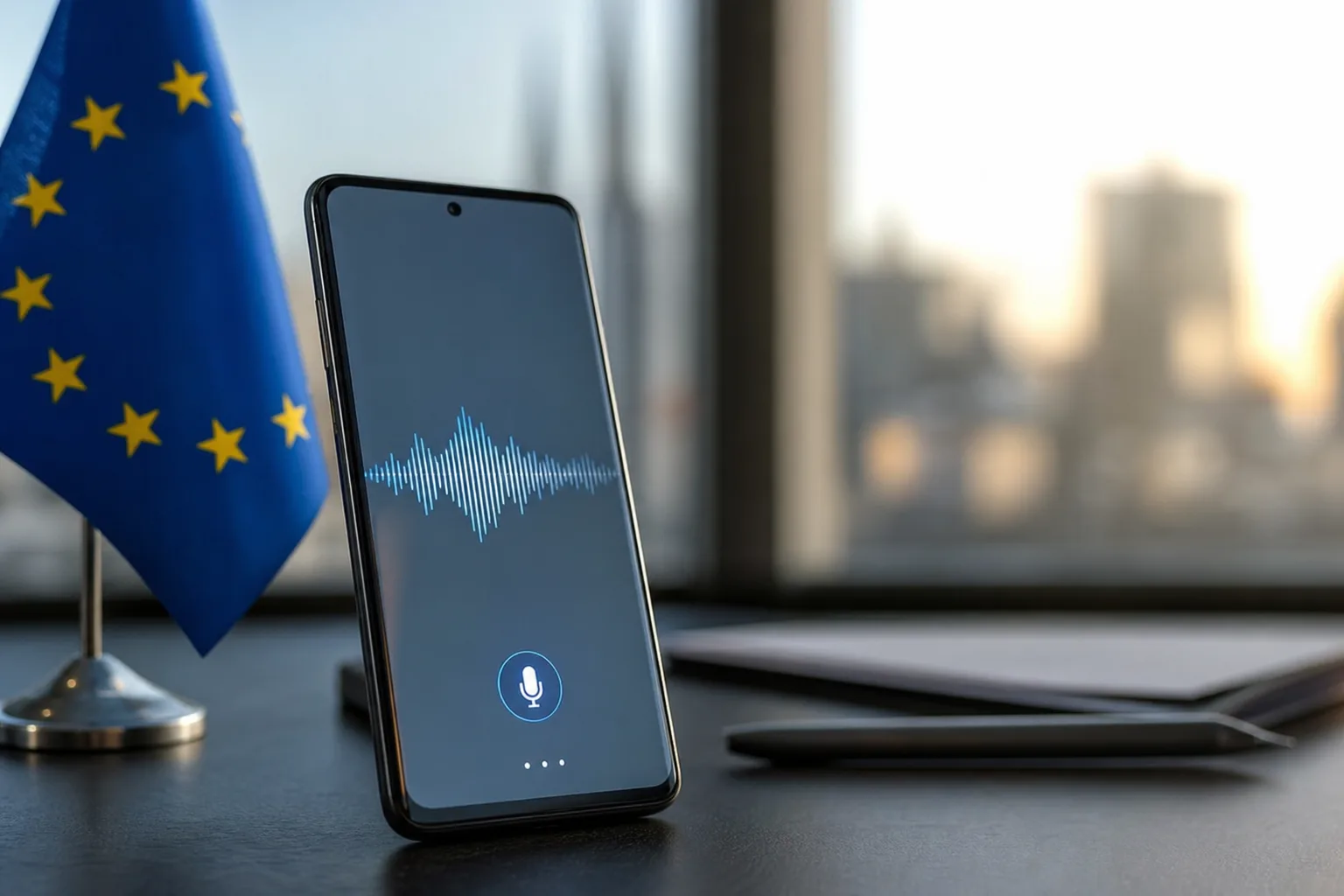
Google has spent years making Android feel like an open platform with a Google-shaped center. The European Commission is now coming for that center. New binding rules on Google AI interoperability will require the company to give rival AI assistants a more credible shot at matching Gemini on Android phones sold in the European Union.
Call it regulatory plumbing if you like, but the stakes are obvious. The assistant that can wake when you speak, see what’s on your screen, open apps, and carry out device actions becomes the assistant people actually use. If Gemini alone gets the best keys to Android, every competitor is effectively running a race in hiking boots.
Brussels has issued these so-called specification measures under the Digital Markets Act, the EU’s sweeping competition law for designated technology gatekeepers. Google doesn’t appear pleased, and frankly, it has good commercial reasons not to be. But the Commission’s broader point is difficult to dismiss: an Android user should be able to pick an assistant without knowingly trading away the useful parts of their phone.
- Google AI interoperability rules will require Android to offer rival assistants access to capabilities long reserved for Gemini in the EU.
- The European Commission says Google AI interoperability can widen consumer choice while preserving device security, privacy, and platform integrity.
- Google must also face new search-related DMA specifications, extending Brussels’ campaign against gatekeeper advantages across its most valuable products.
- Equal technical access may help competitors, but it also raises hard questions about permissions, data collection, and who users can trust.
Table of Contents
Google AI interoperability moves beyond the app store
Google-certified Android phones ship with Gemini preinstalled, and Gemini can respond to the familiar ‘Hey Google’ trigger. It also has privileged paths into system functions, app automation, and on-screen information. A third-party assistant may be downloadable today, but downloading an alternative is not the same thing as receiving an equivalent product.
The Commission put it plainly: third-party assistants are limited in their ability to provide services, making them less appealing to the roughly 60% of EU users who own Android devices. That figure matters. Android’s scale turns Google’s implementation choices into market conditions for everybody else.

Google AI interoperability is really about whether an assistant can become part of the phone, not whether anyone can install an AI chatbot. Think of it as the difference between being allowed to install a new car stereo and being allowed to connect it to the steering-wheel controls, microphone, and dashboard display. One is nominal choice; the other is a usable alternative.
The DMA has already pushed Google, Apple, Meta, and others to alter long-entrenched practices or face substantial penalties. Unlike a broad policy statement, these specifications are legally binding instructions. The Commission has not merely told Google to be more open in principle; it is spelling out where Google AI interoperability needs to show up in practice.
Opening Android also opens a privacy problem
Google’s objection will be familiar to anyone who has watched the company respond to platform regulation: broader access can create privacy and security risks. In this case, that concern is real. An assistant with permission to inspect a screen, invoke actions across apps, or respond continuously to voice commands can collect an extraordinary amount of personal context.
And generative AI companies are hardly famous for asking for less data than they need. Giving a competing assistant parity with Gemini does not automatically make that competitor worthy of trust. For users, Google AI interoperability could mean meaningful choice, but it could also mean one more permissions screen whose consequences are understood only after something goes wrong.

The Commission says its requirements were designed to protect privacy and device integrity. The execution will be the whole story. Android needs permission controls that are specific, revocable, and legible to ordinary people—not the usual dense agreement that everyone taps through while waiting for a train. Rival assistants should be able to compete on capability, but they should not inherit a blank check to vacuum up messages, location history, and payment data.
My read is that Google’s security argument is strongest when it demands carefully scoped interfaces and independent safeguards, not when it becomes a blanket rationale for keeping the front door locked. Apple has made a similar argument for years in its own DMA disputes. Sometimes the risks are genuine. Sometimes ‘security’ is what a dominant platform calls a competitor with access to its moat.
Search is still the larger prize
The same Commission action also addresses Google Search, which remains the company’s core economic engine even as AI receives all the headlines. The source material does not spell out the final technical details of the search requirements, but the direction is clear: Google will face obligations intended to improve access and competition around search data.
That could prove more consequential than the Android changes. Search data is the map of human intent at internet scale: what people want, where they are, what they might buy, and what they fear. Google’s lead was built through years of better infrastructure and distribution, yes, but also through that feedback loop. Regulators are trying to loosen it without handing competitors a free copy of Google’s entire operation.
Google AI interoperability and search data access are linked by the same DMA theory. Gatekeepers can’t use control over an essential platform or data reservoir to ensure that the next generation of services begins permanently behind them. Whether that theory survives contact with technical reality is another matter.
What changes for people with Android phones
In the near term, don’t expect your phone to suddenly offer five equally polished replacements for Gemini. Building a genuinely useful assistant is brutally hard, even with system-level access. The industry has plenty of demos; dependable agents that can handle everyday tasks without making a mess remain scarce.
Still, Google AI interoperability gives companies such as OpenAI, Anthropic, Microsoft, and European AI developers a reason to build deeper Android integrations for EU customers. The new Google AI interoperability requirements could also pressure Google to make Gemini better on merit rather than through placement and privileged APIs. That’s the healthy version of this story.
Google can challenge aspects of the process and will surely argue over implementation details. Yet the company cannot simply ignore a DMA specification. The EU has made its intention unmistakable: Android may remain Google’s platform, but it cannot remain a platform where Google’s own assistant gets the only first-class seat. The question now is whether competitors can do anything useful once Brussels has pulled up a chair.
For the Commission’s account of the law behind these orders, readers can consult the European Commission’s Digital Markets Act portal. The real test won’t be the legal text, though. It’ll be whether an Android owner in Paris, Berlin, or Dublin can choose an assistant and genuinely forget which company made the operating system.