

The Article Tells The Story of:
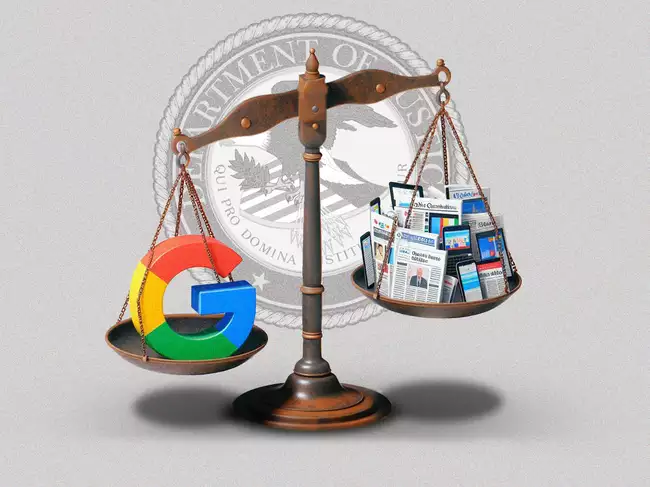
- Antitrust Violation: A U.S. court found Google guilty of monopolizing online search by blocking competition through exclusive agreements.
- Proposed Remedies: The DOJ suggests limiting default search deals and splitting Google’s search and ad platforms to boost competition.
- Future Impact: The ruling could reshape search engines, digital advertising, and Big Tech practices while increasing consumer choices.
Google’s Antitrust Violations
In August 2024, a U.S. District Court ruled that Google held an illegal monopoly on online search and advertising. U.S. Department of Justice (DOJ), supported by over 30 state attorneys general, accused Google of unfair practices that suppressed competition. Key claims include Google’s agreements with companies like Apple and Android to make its search engine the default option on devices. These deals limited competitors such as Bing and DuckDuckGo from gaining market share.
The court found Google in violation of the Sherman Act, which prohibits monopolization of trade. The ruling highlighted Google’s dominant market share—89.2% for general searches and 94.9% on mobile devices. This dominance created a feedback loop between search and ad revenue, strengthening its market hold.
Check Out Latest Article of Antitrust Showdown: Google Defends Its Search Dominance December 22, 2024 – SquaredTech
Google plans to appeal the ruling, arguing that it limits consumer choice and hinders their access to preferred search engines.
Potential Changes to Online Search
The court’s decision could lead to significant shifts in how consumers interact with search engines and digital advertising:
- Default Search Engine Options
The ruling may end Google’s exclusive contracts with device manufacturers. This would allow consumers to choose from a wider range of default search engines on devices like iPhones and Samsung smartphones. - Increased Competition
Restricting Google’s practices could open the door for smaller search engines to gain traction. Competitors like Microsoft’s Bing and AI-driven platforms such as OpenAI’s SearchGPT may benefit, fostering innovation in the search market. - Digital Advertising Overhaul
Google’s advertising practices, a key focus of the case, could face restrictions. This might impact ad relevance and pricing, ultimately altering how consumers experience online ads. - Enhanced Consumer Choice
More competition could lead to diverse search options and better-informed consumer decisions. It may also raise awareness about privacy policies, influencing users to consider alternatives to Google’s ecosystem.
Implications for Big Tech
The ruling against Google signals a major shift in antitrust enforcement. It sets a precedent for future cases involving other tech giants like Amazon, Meta, and Apple. The decision highlights the government’s growing scrutiny of unfair market practices in the tech industry.
Experts believe the case serves as a warning for Big Tech, emphasizing that these companies are not immune to legal consequences. Baruch Labunski, CEO of Rank Secure, noted that this case exposes how Google allegedly prioritized partners in its financial network while censoring rival content.
DOJ’s Proposed Remedies
In October 2024, the DOJ proposed remedies to prevent Google from maintaining its monopoly. These include:
- Limiting exclusive agreements for default search engines.
- Restricting Google’s ability to bundle its products, such as Chrome and Android, with search tools.
- Addressing Google’s ad practices to ensure fair competition.
- Decoupling Google’s search platform from its ad network to reduce market advantages.
These remedies aim to prevent recurring violations and foster a competitive digital marketplace.
What’s Next for Google
Judge Amit Mehta will decide on the remedies in 2025. Meanwhile, Google faces a second antitrust trial for allegedly monopolizing the digital ad market. This case argues that Google’s ad tools and acquisitions, such as DoubleClick and AdMeld, stifled competition and drove up ad costs.
The DOJ seeks to address Google’s dominance across all facets of digital advertising, potentially resulting in further restrictions or even a breakup of its services.
Conclusion
The ruling against Google marks a pivotal moment in antitrust enforcement, with broad implications for Big Tech and consumer choice. As legal proceedings continue, the tech landscape may undergo fundamental changes, fostering innovation, transparency, and fair competition.
Stay Updated: Tech News

