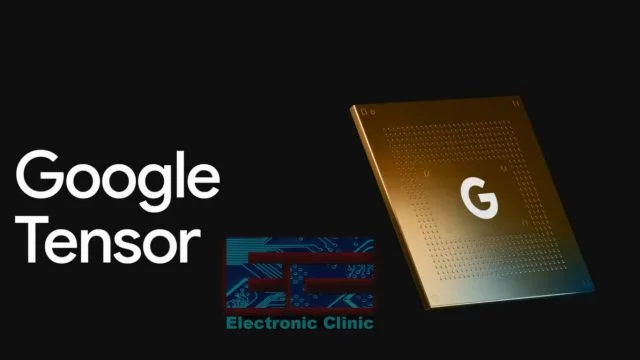
Why Google may need a new chip strategy for future Pixels is a question that has grown louder with every Tensor generation. Leaked roadmaps and persistent performance gaps suggest Google’s custom silicon ambitions may be falling short of flagship expectations.
- Lagging Performance: Tensor chips trail competitors in power, efficiency, and gaming.
- Cost-Cutting Compromises: Modest upgrades in Tensor G5/G6 focus on AI, not performance.
- Competitive Threats: Rivals like Qualcomm and Apple are advancing faster.
- Potential Strategy Shift: Google may need a two-tier chip strategy for better market fit.
Should Google Return to Snapdragon? Why Google May Need a New Chip Strategy
Google’s Tensor project has powered its Pixel phones for four generations, delivering unique AI and camera capabilities. However, significant leaks reveal that Tensor processors may continue lagging in performance and efficiency, raising serious questions about their viability for future Pixel devices.
Tensor’s Performance History: A Mixed Bag
When Google introduced its first Tensor chip with the Pixel 6, it debuted with outdated CPU and GPU components. Subsequent generations, such as Tensor G3 and G4, brought incremental improvements but failed to match the performance of rivals like Qualcomm and Apple. Users have faced issues like poor battery life, connectivity problems, and underwhelming benchmark results.
Leaked plans for Tensor G5 and G6 suggest modest upgrades, such as a more efficient manufacturing process and minor performance boosts. However, these chips still fall short of competing with Qualcomm’s Snapdragon or Apple’s A-series processors. The Tensor G6 may even downgrade features like GPU ray tracing and system-level cache to reduce costs, signaling that Google prioritizes AI and imaging over raw performance.
Challenges in Competing with Rivals
Competitors like Qualcomm and Apple continue to push the envelope in silicon development. Qualcomm’s latest Snapdragon chips boast significant performance gains, tighter AI integration, and advanced on-device processing features. Apple’s processors excel in power efficiency and raw performance, making them benchmarks for the industry.
Google’s decision to limit spending on Tensor chips, targeting a $65 cost for the Pixel 11’s processor, highlights real budget constraints. By comparison, Snapdragon and Apple processors cost over $100 per unit, allowing for more advanced features and better overall performance.
Is Tensor Worth the Investment?
While Google’s custom Tensor chips enable exclusive Pixel features like AI-powered photography and voice tasks, they haven’t delivered the consistent performance improvements needed to compete at the flagship level. Pixel phones with Tensor chips are priced similarly to competitors, yet they don’t match the performance, battery life, or gaming capabilities of Snapdragon-powered devices.
For entry-level Pixel models and the affordable A-series, Tensor’s unique AI features remain a genuine advantage. However, for premium flagships, the chip’s limitations may deter power users and gamers who demand more from their devices. This is precisely why Google may need a new chip strategy to stay competitive.
Why Google May Need a New Chip Strategy: The Case for Dual Silicon
Google’s commitment to custom silicon highlights its focus on AI and imaging. However, the challenges of balancing costs, performance, and innovation suggest a new approach is overdue. A dual-chip strategy — where entry-level models use Tensor and premium models adopt Snapdragon — could address the growing gap between user expectations and actual Tensor capabilities.
This kind of tiered approach is not unprecedented. Other Android manufacturers have successfully used different chipsets across their product lines to target distinct market segments without sacrificing brand identity.
What a New Strategy Could Mean for Pixel Users
Adopting a new chip strategy for future Pixels could unlock tangible benefits. Premium Pixel models paired with Snapdragon silicon would gain access to cutting-edge GPU performance, better thermal management, and faster modem technology. Meanwhile, Tensor-powered mid-range Pixels could continue delivering the AI-driven camera and voice features that have become the line’s hallmark.
The risk, of course, is fragmenting the Pixel identity. Google has built its brand around the tight hardware-software integration that Tensor enables. Shifting flagship devices to third-party chips could dilute that story — but continuing to lag behind rivals may cost Google even more in the long run. Understanding why Google may need a new chip strategy is essential for anyone following the future of Pixel hardware.
Stay updated: Tech News | The Verge: Google