

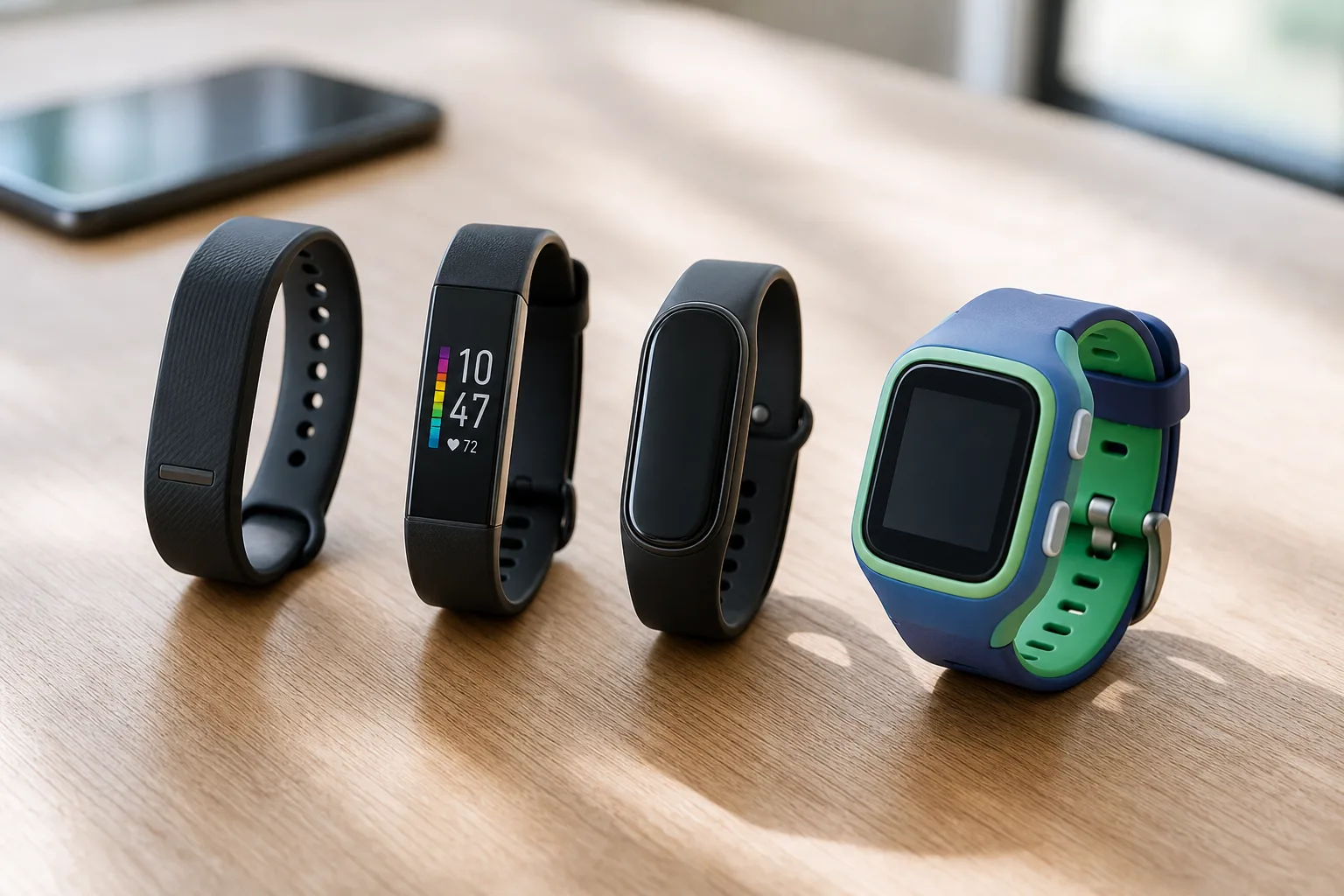
- The best Fitbit models now cover three quite different jobs: a minimalist screen-free tracker, a capable health band, and a connected smartwatch for children.
- For a first-time buyer, the best Fitbit models make more sense when they prioritize comfort, battery life, and useful data over a pile of smartwatch distractions.
- Fitbit Charge 6 remains the practical choice for GPS, workout controls, Google Wallet, and detailed sleep reporting.
- Fitbit Ace LTE makes sense for families needing child-friendly calls and location tools, but its monthly service cost deserves scrutiny.
Table of Contents
Best Fitbit models: start with the lifestyle, not the spec sheet
The best Fitbit models in 2026 are no longer all trying to do the same job. The useful way to think about them is this: a person who wants a gentle nudge to walk more has wildly different needs from a runner logging routes or a parent buying a first connected watch for a child. Fitbit’s current lineup is at its strongest when you treat it as a set of lanes rather than a ladder toward the most expensive gadget.
Google bought Fitbit for a reported $2.1 billion in 2021, after a long regulatory slog, and the brand has spent the years since trying to find its place inside the Google hardware empire. The naming remains awkward — ‘Google Fitbit’ has all the charm of a corporate org chart — but the practical result is clearer. Fitbit still makes approachable health wearables, while Google Maps and Google Wallet have started appearing where they actually help.
That matters because wearable companies have a bad habit of treating every wrist as an empty dashboard. Fitbit’s better products resist that impulse. They emphasize steps, heart rate, sleep, movement and recovery, then present the material in language a normal person can act on. Frankly, that remains Fitbit’s edge against Garmin’s intimidating depth and Apple Watch’s app-heavy ambition.
The Fitbit Air is the default recommendation for many people
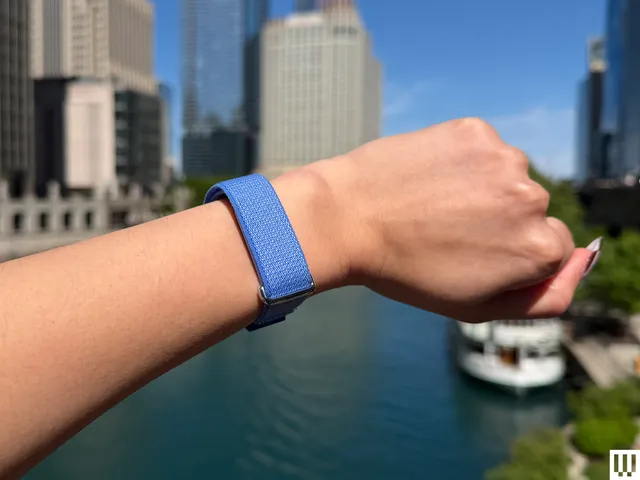
If a watch screen sounds less like a benefit and more like one more glowing rectangle in your life, the Fitbit Air is the most interesting of the best Fitbit models. It weighs 12 grams and leaves the display out entirely, a decision I’d argue is more thoughtful than it first appears. A wearable that is comfortable enough to sleep in is generally more useful than a tiny computer you take off every night.
The Air tracks the fundamentals: continuous heart rate, daily activity, sleep, skin-temperature variation and menstrual health. Results live in the Google Health app, rather than on the wrist. Its battery is rated for roughly a week, and a five-minute charge is said to provide about a day of use. For $100, that is a compelling package for someone whose actual goal is to establish a habit, not inspect their pulse during a meeting.
There are trade-offs. Automatic workout detection can occasionally get the activity wrong, and algorithmic coaching will sometimes state the painfully obvious. A brisk walk was, indeed, a brisk walk. But among the best Fitbit models, the Air gets the big decision right: health tracking works better when it fades into the background. Readers who need live pace, notifications, timers or a visible clock should look elsewhere.
Charge 6 remains Fitbit’s best all-round band
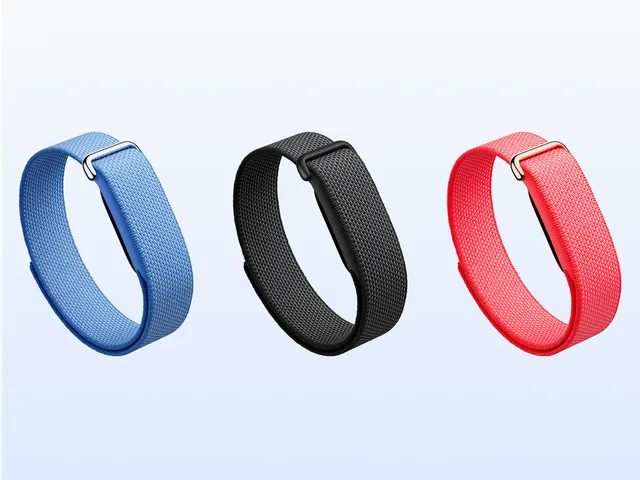
The Fitbit Charge 6, introduced in 2023, is still the safest pick among the best Fitbit models for beginners who want a display without buying a full smartwatch. Its narrow AMOLED screen, restored side button and up-to-week-long battery life make it feel like a mature product rather than a compromised mini watch. The physical button deserves more credit than it gets; sweaty fingers and touchscreens have never been natural friends.
Its sensor list is broad for the price: heart-rate monitoring, blood-oxygen estimates, skin-temperature tracking, ECG readings and electrodermal activity scans for stress-oriented insights. Fitbit also lets the Charge 6 broadcast heart-rate data to selected gym equipment, including NordicTrack treadmills and Peloton bikes. That is a genuinely useful addition if you work out indoors, where wrist-based exercise tracking can otherwise feel detached from the machine in front of you.
Built-in GPS is present, though nobody should mistake the Charge 6 for a dedicated endurance watch. Garmin still has the upper hand for serious training metrics, route precision and physical controls. Fitbit’s counterargument is sleep reporting. Its summaries tend to be easier to read and more likely to prompt a reasonable behavior change, such as keeping a consistent bedtime, rather than inspiring a spreadsheet.
Google Maps and Google Wallet also make the Charge 6 more convenient beyond exercise. Fitbit’s official Charge 6 product page is worth checking before assuming every gym connection or payment feature works in your region.
Spend less with Inspire 3, or spend differently on Ace LTE
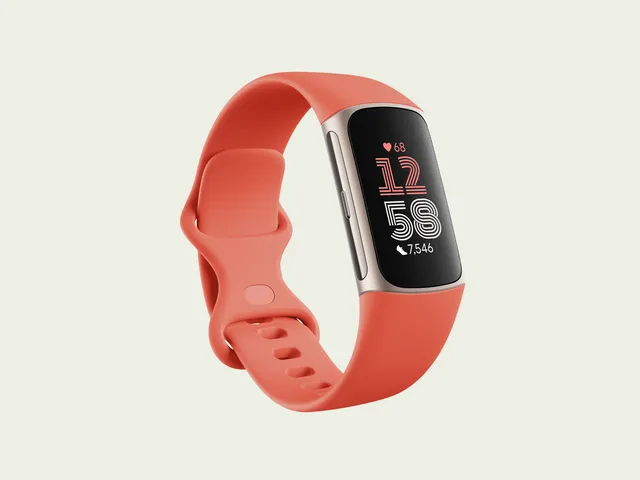
The Inspire 3 is the sensible answer for buyers who want one of the best Fitbit models with a screen but do not need GPS, contactless payments or a long checklist of exercise modes. It can run for up to 10 days per charge, and that endurance is not a trivial advantage. A tracker sitting in a drawer because it needs charging is about as useful as a bathroom scale with dead batteries.
Compared with the Charge 6, the Inspire 3 drops built-in GPS, NFC payments, gym-equipment heart-rate broadcasting and the EDA Scan app. It offers 20 exercise modes instead of 40. I suspect most buyers will not mourn those missing 20 modes. For walking, basic gym sessions, sleep data and general activity, it remains one of the best Fitbit models for keeping costs down.
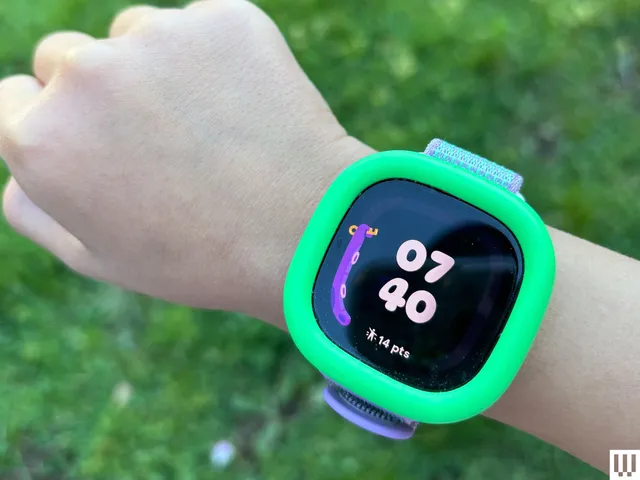
Then there is the Fitbit Ace LTE, which occupies a completely separate category. It is designed for children aged 7 to 14 and trades the old Ace band format for a more grown-up smartwatch design. There is an OLED screen, Gorilla Glass 3, 50-meter water resistance, movement and heart-rate sensors, LTE calling and location features tied to Google Maps. Games are part of the pitch too, including a Fitbit-flavored virtual pet experience.
That mix makes the Ace LTE one of the best Fitbit models for a family that wants a child to be reachable without handing over a smartphone. But parents should not glide past the fine print: the complete experience requires a $10 monthly subscription. Sleep tracking, which appeared on the original Ace, is absent here. That omission seems odd for a product wrapped in the language of children’s health, though Fitbit has clearly prioritized communication and safety tools.
What to buy — and what Fitbit still needs to prove
My buying advice is refreshingly unglamorous. Pick the Fitbit Air if comfort and passive health tracking are your priorities. Pick Charge 6 if you want the strongest balance of exercise tools, GPS and a proper display. Choose Inspire 3 if price and battery life outrank premium extras. Choose Ace LTE only when calling and location access are part of the family requirement, not as a simple step counter.
The best Fitbit models remain easier to recommend than many rival wearables for a simple reason: Fitbit understands that a beginner does not need an athlete’s analytics, and an athlete who needs deep performance data should probably buy a sports watch rather than force a fitness band to impersonate one. The company’s real challenge is less about sensors than identity. Google has absorbed the brand, competitors have multiplied, and subscriptions are creeping into every corner of consumer hardware. If Fitbit can keep its products clear, comfortable and reasonably priced, it still has a role. If it turns every health insight into an upsell, people will remember what happened when Google killed Stadia — and hesitate before trusting another Google-owned device with their daily routine.
Frequently Asked Questions
Which of the best Fitbit models has no screen?
The Google Fitbit Air is the screen-free option. At 12 grams, it tracks heart rate, sleep, activity, skin-temperature changes, and menstrual health through the Google Health app. It is aimed at people who want health data without another display demanding attention throughout the day.
Does Fitbit Charge 6 have built-in GPS?
Yes. Charge 6 has built-in GPS support for outdoor activities. Its accuracy does not rival dedicated sports watches, but it is useful enough for outdoor use.
What age is Fitbit Ace LTE for?
Fitbit positions the Ace LTE for children aged 7 to 14. The watch combines activity tracking with LTE calling, location features through Google Maps, games, and water resistance to 50 meters. Parents should factor in its cost and the required $10 monthly subscription.

