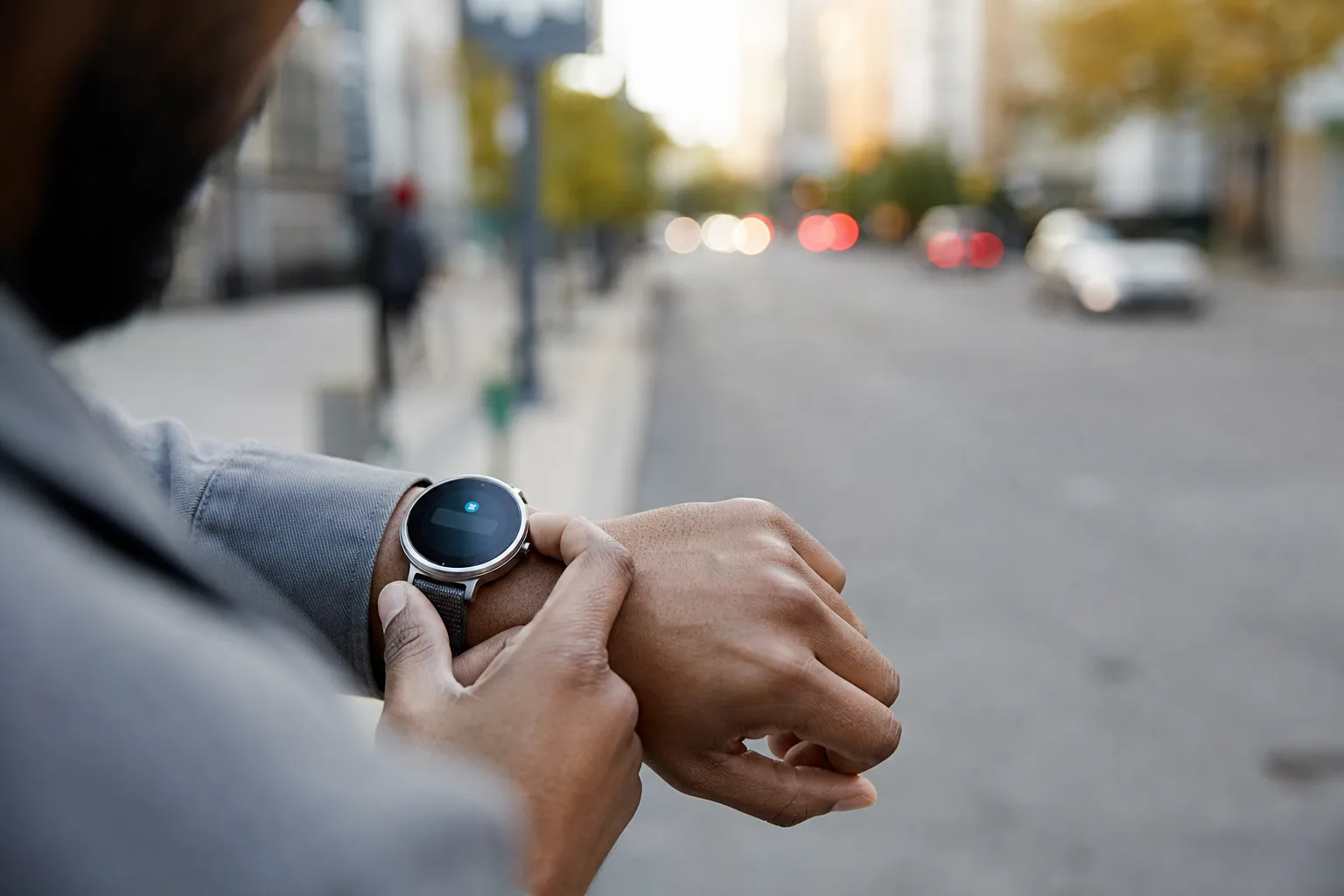
The best smartwatches 2026 have reached an awkwardly mature stage: they’re extremely good, deeply personal, and still annoyingly dependent on a charger. That last bit matters more than manufacturers like to admit. A watch can track a run, field a message, unlock a payment terminal, and tell you whether you slept badly, but it’s not much of a companion if it’s dead on the nightstand every other morning.
My read is that buyers should stop asking which smartwatch is universally best. There isn’t one. The smarter question is what job you want on your wrist: a miniature extension of your phone, a low-maintenance health monitor, or a nice-looking watch that happens to know your pulse.
- The best smartwatches 2026 split sharply between Apple’s iPhone-first Watch and Google’s increasingly capable Pixel Watch for Android users.
- Choosing the best smartwatches 2026 means deciding whether apps and notifications matter more than multi-day battery life and discreet health tracking.
- Fluoroelastomer straps have raised PFAS concerns, making material choice a practical health consideration rather than a mere fashion preference.
- Luxury hybrids from TAG Heuer and Withings serve narrow audiences, but their trade-offs make mainstream watches the sensible default.
Table of Contents
Best smartwatches 2026: pick your phone ecosystem first
For iPhone users, the Apple Watch Series 11 remains the obvious starting point among the best smartwatches 2026. Apple has turned the Watch into the most frictionless accessory in its ecosystem, and that advantage still shows up in mundane moments: replying to messages, paying for coffee, controlling music, taking calls, finding a misplaced phone, and receiving alerts that don’t require fishing a handset from a pocket. None of that sounds glamorous. It is, however, the stuff people actually use.
The Series 11 also sits at the center of Apple’s mature health and activity stack. Its familiar rings remain surprisingly effective behavioral design, even if plenty of us have learned to negotiate with ourselves about whether a late-night walk around the block counts as exercise. Apple’s big strength is that its watch feels coherent, not that every individual sensor is uniquely superior.
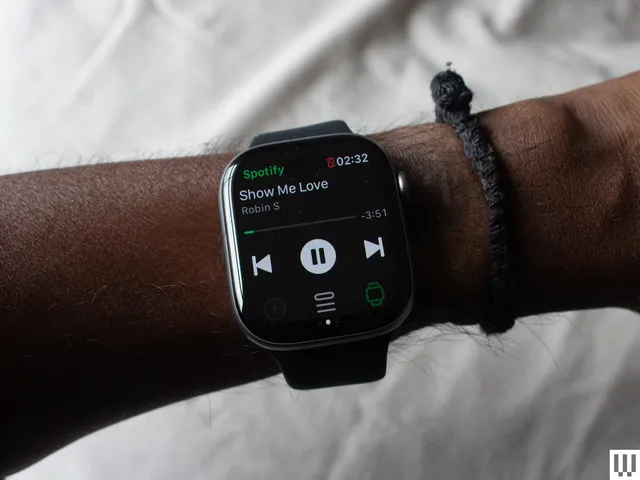
Android has historically had a more fragmented answer, but Google’s Pixel Watch 4 is the cleanest best smartwatches 2026 recommendation for most people using a modern Android phone. Wear OS has improved from its early, battery-hungry years, and Google’s tight Fitbit integration gives the Pixel Watch a clearer fitness identity than the platform once had. Gemini access from the wrist is also the sort of feature that can be genuinely useful when your hands are full, though voice assistants remain prone to the occasional spectacular misunderstanding.
Samsung’s Galaxy Watch line deserves a look too, particularly for Galaxy phone owners. But ecosystem lock-in is real. Apple Watch doesn’t work with Android, and some of Samsung’s most attractive health features work best inside Samsung’s own hardware and software garden. Before comparing bezel finishes or display brightness, check compatibility. It’s the least exciting buying advice and the advice most likely to save you from an expensive return.
Decide whether you want a computer or a tracker
The central compromise in the best smartwatches 2026 category hasn’t changed: more capability means more charging. A proper smartwatch runs apps, surfaces rich notifications, supports payments, and may handle calls, maps, smart-home controls, and quick replies. It behaves like a tiny remote control for your digital life. That convenience is hard to give up once you get used to it.
But fitness trackers often make more sense for people comparing the best smartwatches 2026 primarily for sleep, steps, workouts, heart rate, and recovery trends. They typically offer fewer apps and less elaborate notification handling, but stretch battery life from days toward a week. That is not a small difference. Sleep data is less useful if charging habits mean you’re routinely taking the device off at bedtime.
Smart rings take the idea further. Products such as Oura Ring and Ultrahuman Ring Air can collect overnight metrics without lighting up your wrist or nagging you with Slack. Their battery life can approach a week, and a ring is often more comfortable in bed. The trade-off is obvious: a ring is lousy for maps, texts, and anything that needs a screen. Automatic workout detection also remains uneven across the category.
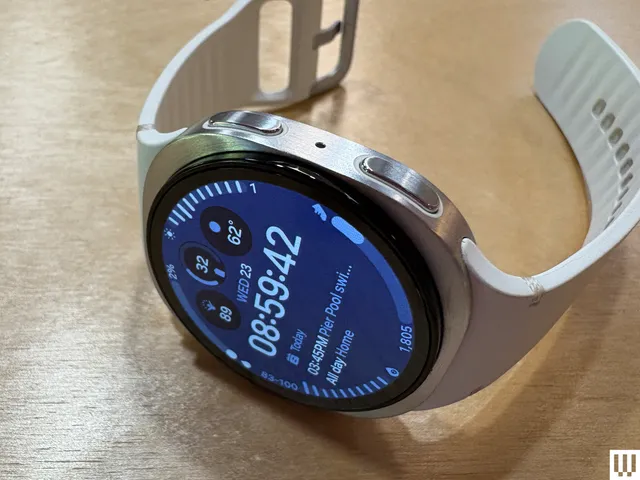
There is a reasonable case for wearing both a watch and a ring, despite the faint whiff of turning yourself into a walking electronics display. Samsung has explicitly pushed this pairing with the Galaxy Ring and Galaxy Watch, allowing the devices to divide health-tracking work in ways that can preserve watch battery. If sleep tracking is your priority but you want a screen during the day, that combination is more logical than it first sounds.
Battery life is the feature companies keep trying to talk around
Buying from the best smartwatches 2026 list means accepting a charging ritual if you want a rich app experience. Most full-featured models land around a day or two, varying wildly with always-on displays, GPS workouts, cellular use, notification volume, and screen brightness. Anyone promising themselves they’ll charge a watch every morning should be honest about their phone-charging habits first.
That’s why hybrid watches retain a small but loyal following among best smartwatches 2026 buyers who value endurance. Withings’ ScanWatch 2 looks like a conventional analog watch at a glance, with a small display and health sensors tucked into a more traditional form. It’s less distracting, lasts far longer than a typical touchscreen watch, and doesn’t advertise itself from across the room. In late 2025, Withings introduced its HealthSense 4 software platform for existing ScanWatch 2 owners, a welcome reminder that a health device doesn’t need to become obsolete just because its maker has a new colorway to sell.
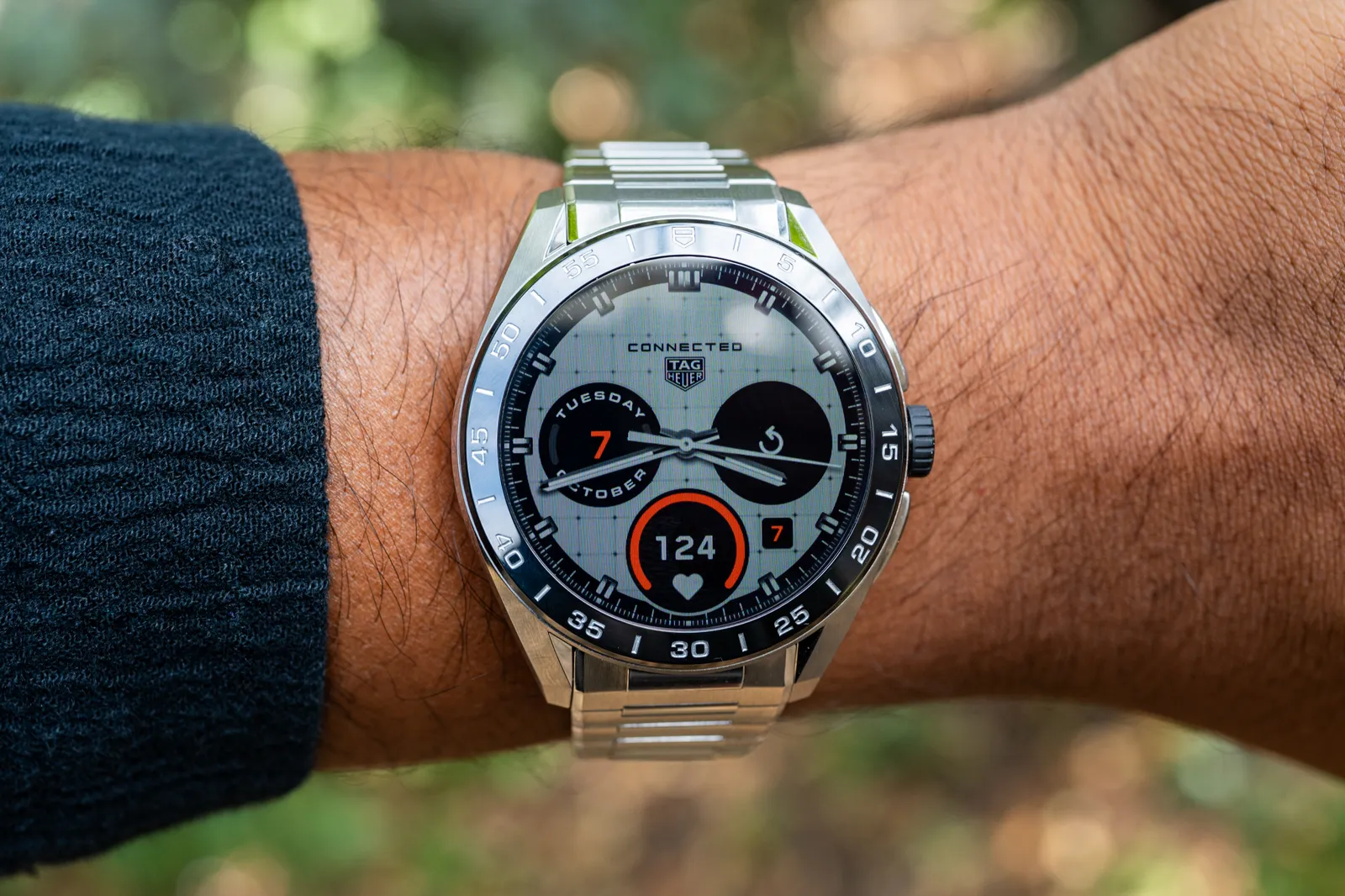
Then there’s TAG Heuer’s Connected Calibre E5, which occupies a far stranger corner of the market. At roughly $1,950, it is not a rational feature-per-dollar purchase; frankly, it isn’t trying to be. TAG’s value is design, materials, and brand cachet. The Connected Calibre E5 tracks basics including heart rate, steps, calories, and workouts, but it lacks the third-party app breadth of Apple Watch and Wear OS, and sleep tracking has been promised in a future update. TAG does offer battery replacement service, which is more thoughtful than treating a luxury watch as disposable electronics. Still, unless you already own TAG pieces and care about visual continuity, the Pixel Watch or Apple Watch is the saner call.
Watch straps deserve more scrutiny than a checkout-page add-on
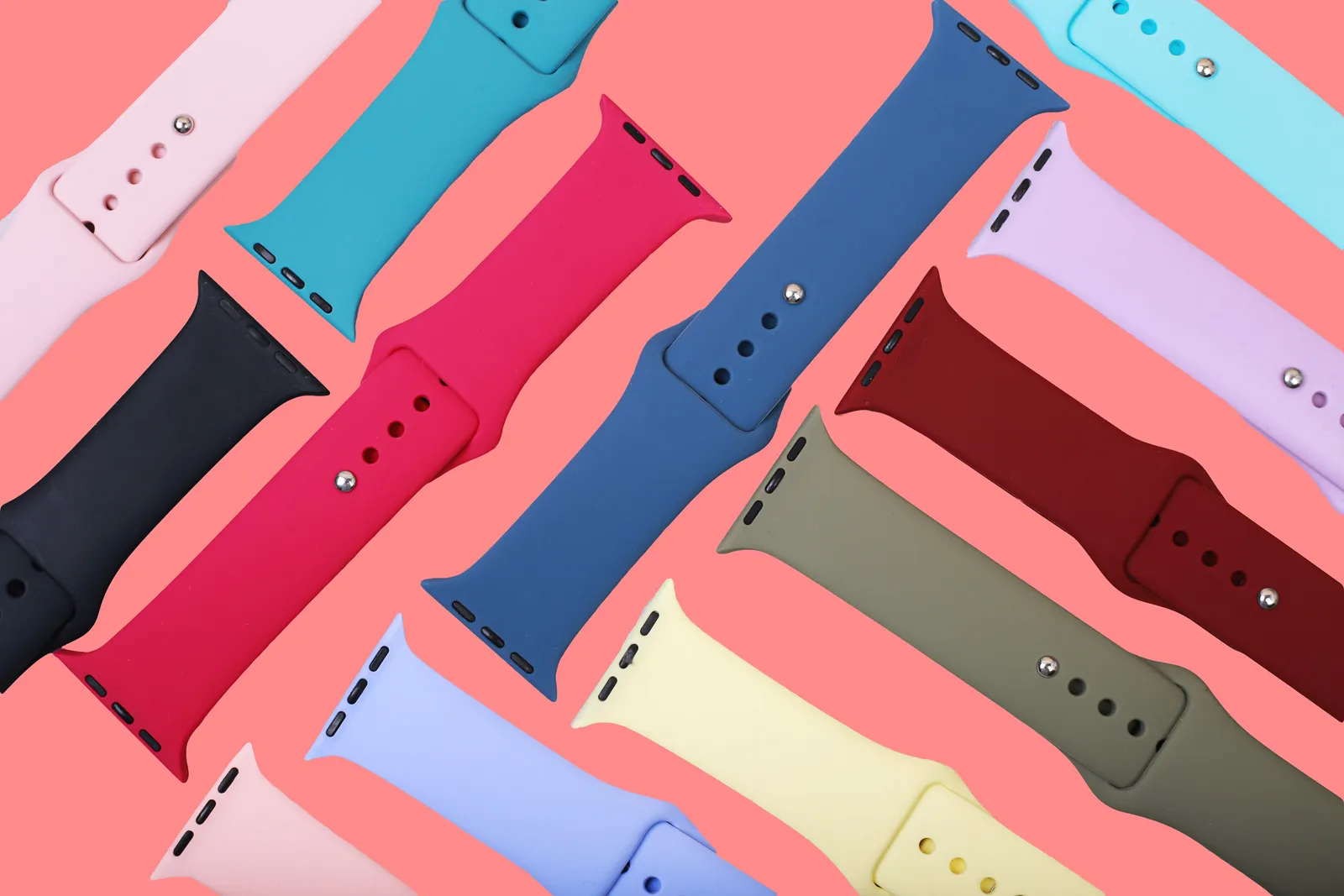
There’s a practical style lesson for anyone shopping the best smartwatches 2026: swap the included band. It changes how a watch feels, how it looks, and whether you’ll wear it every day. Apple, Google, and Samsung use proprietary attachment systems, while many other devices accept standard 20 mm or 22 mm straps. Measure before ordering, because online strap listings can be a small swamp of vague compatibility claims.
A December 2024 study found high concentrations of perfluorohexanoic acid, or PFHx4, in several fluoroelastomer bands. PFHxA belongs to the broad PFAS family often called ‘forever chemicals’ because of their persistence in the environment. The tested bands included products associated with Apple, Casetify, Fitbit, Google, and Samsung.
The research does not establish how much of these chemicals enters the body through the skin during normal wear. That uncertainty is important; it is not proof of a specific health outcome. But if you wear a watch around the clock, choosing another material is an easy precaution. Silicone, woven fabric, metal, and leather all offer alternatives, though leather is obviously a poor match for sweaty workouts. Check product descriptions for ‘fluoroelastomer’ rather than assuming that every soft rubbery band is the same.
What the best smartwatches 2026 really tell us
The best smartwatches 2026 are less about novelty than specialization. Apple owns convenience for iPhone users. Google has the strongest all-around pitch for Android buyers who want Fitbit-informed health tracking. Withings makes a persuasive case for people who want data without another glowing rectangle. TAG Heuer proves that luxury brands still see a future in connected watches, even if the utility case remains thin.
I’d argue the most important purchase decision is not whether a watch can measure one more metric. It’s whether you’ll keep wearing it six months later. Pick the model that works with your phone, survives your charging routine, feels comfortable overnight, and does not irritate your skin or your sense of style. The industry has already made the wrist computer. Its next hard problem is making one you forget you’re wearing—until you actually need it.
Frequently Asked Questions
What are the best smartwatches 2026 for iPhone and Android?
The Apple Watch Series 11 is the top pick for iPhone owners, while Google’s Pixel Watch 4 is the best smartwatch for Android users.
Do smartwatches last longer than fitness trackers?
Usually, no. Smartwatch battery life typically lasts a day or two, while fitness trackers can often last days or up to a week.
Are smartwatch bands with PFAS safe to wear?
Research has found high concentrations of a PFAS compound in some fluoroelastomer watch and fitness bands, though the amount absorbed through skin remains unclear. Anyone concerned can choose bands made of silicone, metal, or leather and check the product description for materials.