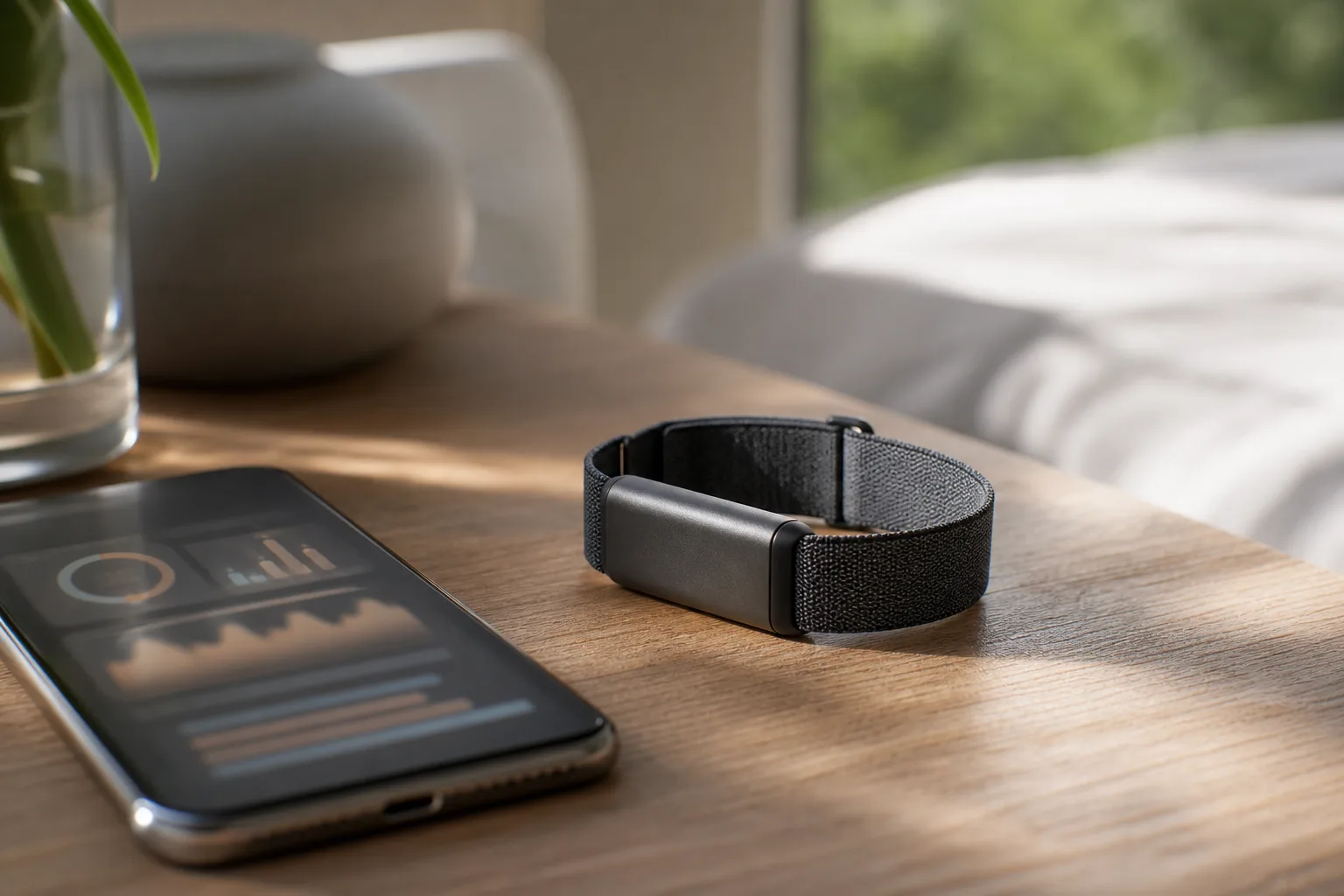
- Garmin Cirqa costs $199.99 and delivers screen-free fitness and wellness tracking without locking core features behind a recurring subscription.
- With up to 10 days of battery life, the Garmin Cirqa sits between Fitbit Air’s price and Whoop’s membership-heavy model.
- Garmin Connect supports more than 80 activities and uses recovery, sleep, and training data to guide daily workout decisions.
- Its fabric strap can be worn on the wrist or upper arm, giving athletes flexibility that many smartwatch designs lack.
Table of Contents
Garmin Cirqa takes aim at subscription fatigue
The Garmin Cirqa has a refreshingly simple sales pitch: pay $199.99 once, wear a small screen-free band, and get the health data without finding another monthly charge on your credit-card statement. That may sound like a minor distinction, but in wearables it has become a real dividing line.
Whoop has made subscriptions central to its product, with current memberships starting at $199 per year. Google’s newly announced Fitbit Air starts at $99, but an optional Google Health Premium plan costs another $99 annually for expanded insights. Garmin is positioning its new band in the middle on hardware price, then making the long-term math much easier to understand. Buy the thing. Use the thing. No meter running.
Frankly, that is the more compelling part of this launch than the missing display. Plenty of people have learned that a tracker’s sticker price is only the cover charge. After two or three years, a supposedly affordable wearable can cost more than a competent smartwatch. Garmin has spent decades selling devices rather than memberships, and the Garmin Cirqa follows that old-school model at precisely the right moment.
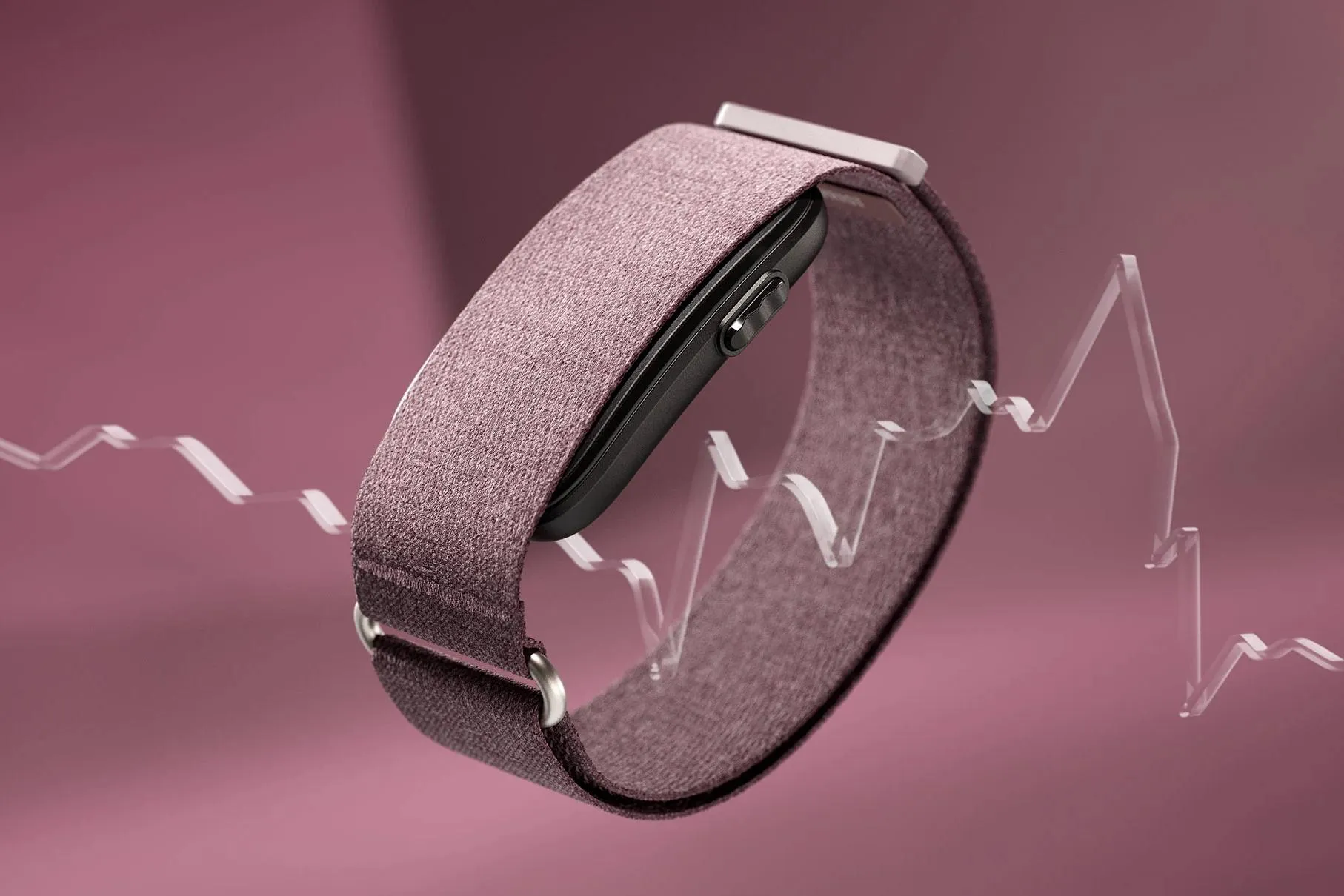
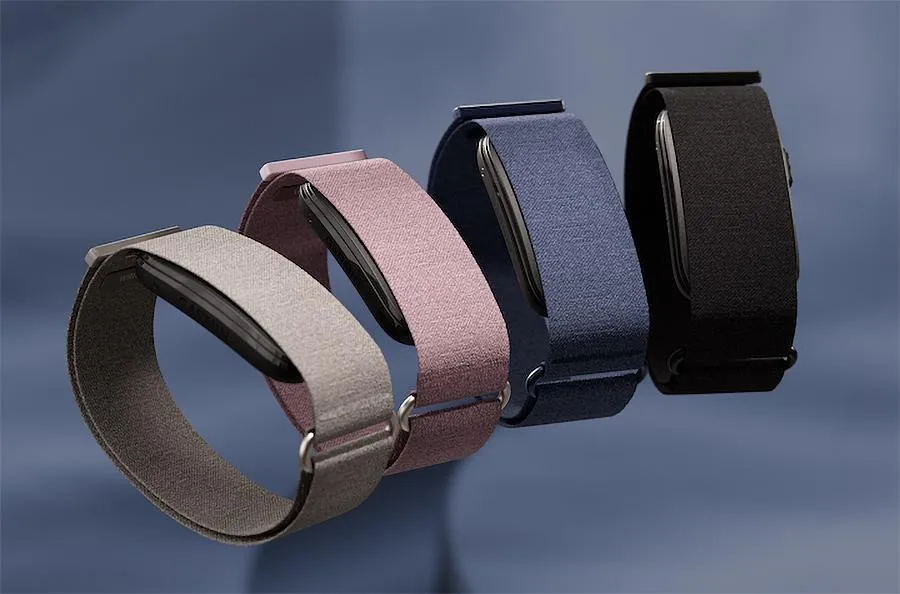
It is available now through Garmin’s official online store for $199.99. The band comes with an adjustable fabric strap in several colors and can be worn either on the wrist or as an armband. That second option matters more than it sounds: runners, strength athletes, and anyone who hates sleeping in a watch may find it far easier to live with.
A screen-free fitness tracker built for the background
Garmin is hardly inventing the screen-free tracker. Whoop built its brand around the idea that a wearable should collect data quietly rather than flash notifications at you all day. Fitbit has now joined the category with the Air. Still, the Garmin Cirqa arrives as a useful rebuke to the smartwatch industry’s assumption that every inch of your body needs another tiny computer screen.
The useful part is the battery life. Garmin says the band can run for up to 10 days between charges, a figure that puts it well beyond most full-featured smartwatches. Battery claims always deserve a little skepticism until independent testing begins — features such as blood-oxygen monitoring can be power-hungry — but even something close to that number would be meaningful. The best sleep tracker is the one still on your body on night seven, not the one sitting dead on a bedside table.
The tracker combines optical heart-rate monitoring, blood-oxygen sensing, skin-temperature data, and motion sensors. Worn continuously, it records heart rate and blood-oxygen saturation, while also collecting the signals Garmin uses for sleep and recovery estimates. The company says those readings can help flag patterns associated with concerns including asthma and sleep apnea.
That language needs to be handled carefully. Consumer wearables can surface trends worth discussing with a clinician, but they do not diagnose asthma, sleep apnea, or any other condition. A sleep score is useful as a personal baseline; it is not a medical verdict delivered by a strip of fabric. The distinction can get blurry in health-tech marketing, and buyers should keep it firmly in view.
Garmin Cirqa puts Garmin Connect at the center
What separates the Garmin Cirqa from a generic wellness band is less about its sensor list than what Garmin does with the data afterward. The companion Garmin Connect app supports more than 80 activities, including familiar options such as running and yoga. Users select activities in the app, while the band’s single side button can act as a shortcut to a favorite mode.
Garmin Connect has long been one of the company’s quiet advantages. Its interface can feel dense compared with Apple’s prettier Health app or Fitbit’s friendlier summaries, but it has real depth for people who train with intent. The Cirqa feeds into training-effect assessments and readiness-style guidance meant to answer a deceptively hard question: should you push today, or take a rest day?
That answer will never be perfect. Recovery is affected by stress, nutrition, illness, work schedules, and life generally — no wrist sensor can know you spent the evening hauling boxes up three flights of stairs. But data can still be useful when it acts as a speed bump rather than an instruction. If your resting heart rate is elevated, sleep was poor, and recent workouts have been hard, perhaps skip the heroic interval session. Your knees will not complain.
The Garmin Cirqa also produces a morning sleep breakdown covering sleep stages, breathing, and heart rate, which feeds into an overall score. For menstrual-cycle tracking, Garmin says its skin-temperature sensor can support period predictions and estimates of past ovulation. These features have become standard fare in premium health wearables, but Garmin’s inclusion of them without a premium-data tier is part of the point.
The price is sensible, but the category is getting crowded
At $199.99, the Garmin Cirqa is not the budget choice. Fitbit Air undercuts it by roughly $100 before Google’s premium service enters the picture. It is also not a direct replacement for a Garmin Forerunner, Venu, or Fenix watch, since it lacks a display and the glanceable pace, navigation, notification, and workout controls that make watches handy in the first place.
Instead, Garmin is selling a companion device for people who want less hardware in their face. That could include athletes who already wear a serious sports watch for workouts but prefer a lighter band overnight, or former smartwatch owners exhausted by charging one more glowing rectangle every day. The absence of a screen is a feature only if you are comfortable checking the app later. For some people, that delayed feedback is calming. For others, it is a deal-breaker.
My read is that Garmin has the brand credibility to make this format stick, particularly among runners and cyclists who already trust Garmin Connect. Whoop has demonstrated there is demand for recovery-focused bands; Fitbit Air shows Google sees an opening at the lower end. The Garmin Cirqa makes the most sensible competitive argument of the three: health tracking should not come with an annual toll booth.
We will see whether consumers agree that $200 is fair for a band with no screen. If Garmin’s battery claim holds and its data proves as dependable as its established sports watches, the bigger question may be why so many wearable companies decided insight had to be rented rather than sold.