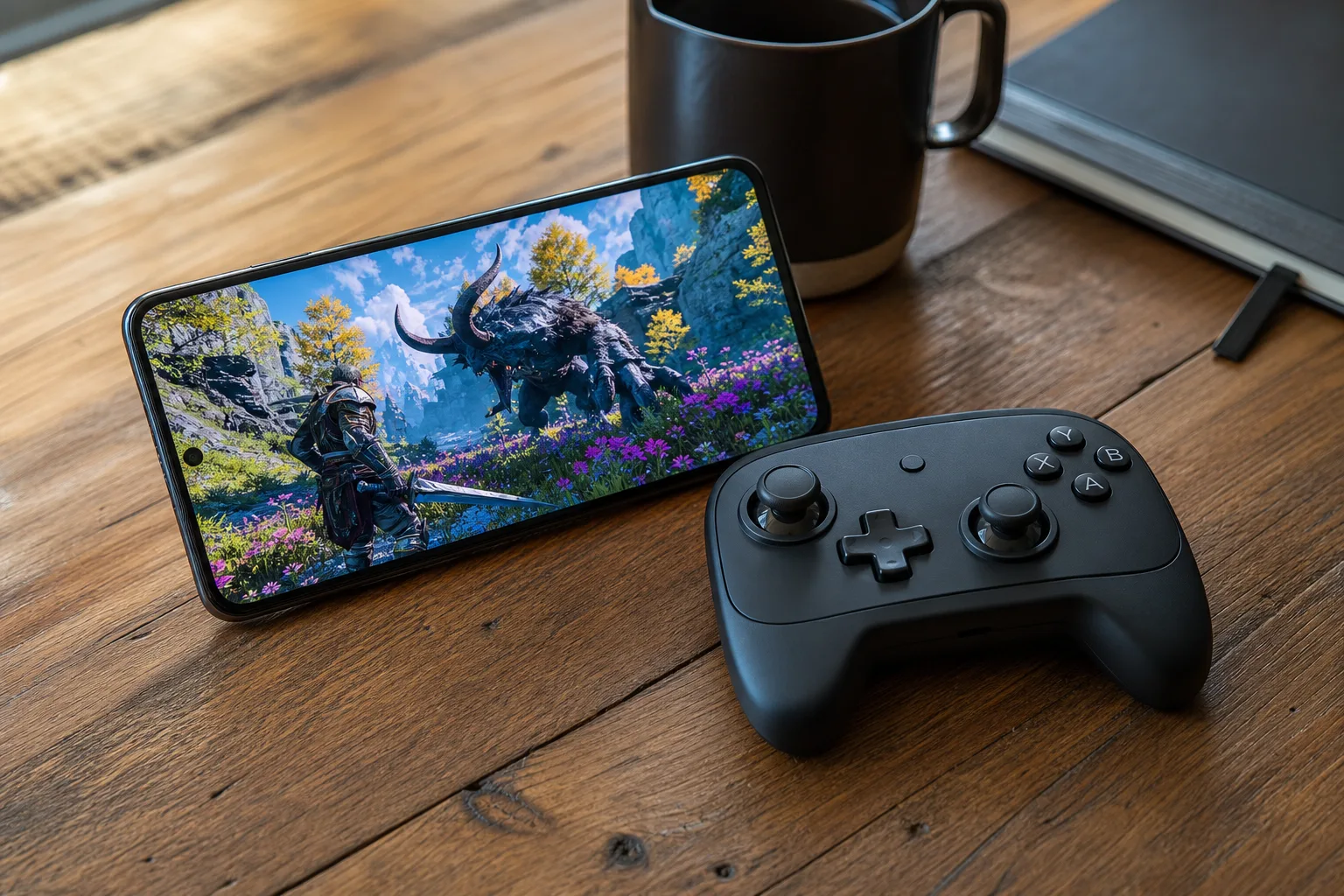
The argument for paid Android games comes down to one very basic pleasure: opening a game and being allowed to play it. No interstitial ad after two minutes. No cartoon shopkeeper waving a $9.99 bundle in your face. No energy meter telling you to come back after lunch. That sounds like a low bar, frankly, but the modern mobile business has made it feel almost luxurious.
Google Play remains packed with excellent free apps, and plenty of free games are made with care. Still, the default economics of mobile gaming are built around extracting a little more time, attention, or cash every day. A one-time purchase is refreshingly blunt. You pay, the developer gets paid, and ideally everyone stops pretending a digital wheel spin is entertainment.
There is a catch. Premium mobile releases are now a fairly narrow lane, dominated by famous PC and console ports plus indie successes that found an audience elsewhere first. But the upside is quality. These five picks range from cozy farms to frighteningly deep RPG spreadsheets, and each makes a credible case for spending real money on a small screen.
- The best paid Android games trade recurring ads and artificial timers for complete experiences that respect a player’s attention.
- Paid Android games from Minecraft to Balatro prove phones can still be credible homes for deep, replayable premium software.
- Animal Crossing Pocket Camp Complete removes the original app’s monetization friction, though its $20 price demands genuine series enthusiasm.
- Siralim Ultimate is the sleeper pick for RPG players who want dense team-building systems rather than another simplified monster collector.
Table of Contents
Why paid Android games still matter
The free-to-play model did not ruin mobile gaming, but it did reshape what gets funded. A publisher can make more from a small fraction of high-spending users than from a modest upfront download price, so the design inevitably bends toward retention loops, currency systems, and limited-time events. You know the drill: a game becomes less like a board game you bought and more like a casino that texts you.
Paid Android games offer a different contract. They are not always free of additional content or online storefronts, and buyers should read the Play Store listing carefully. Minecraft, for example, still has its Marketplace. Yet the core product is accessible after the initial purchase, which changes the mood of the whole experience. It is software you own access to, not a weekly negotiation.
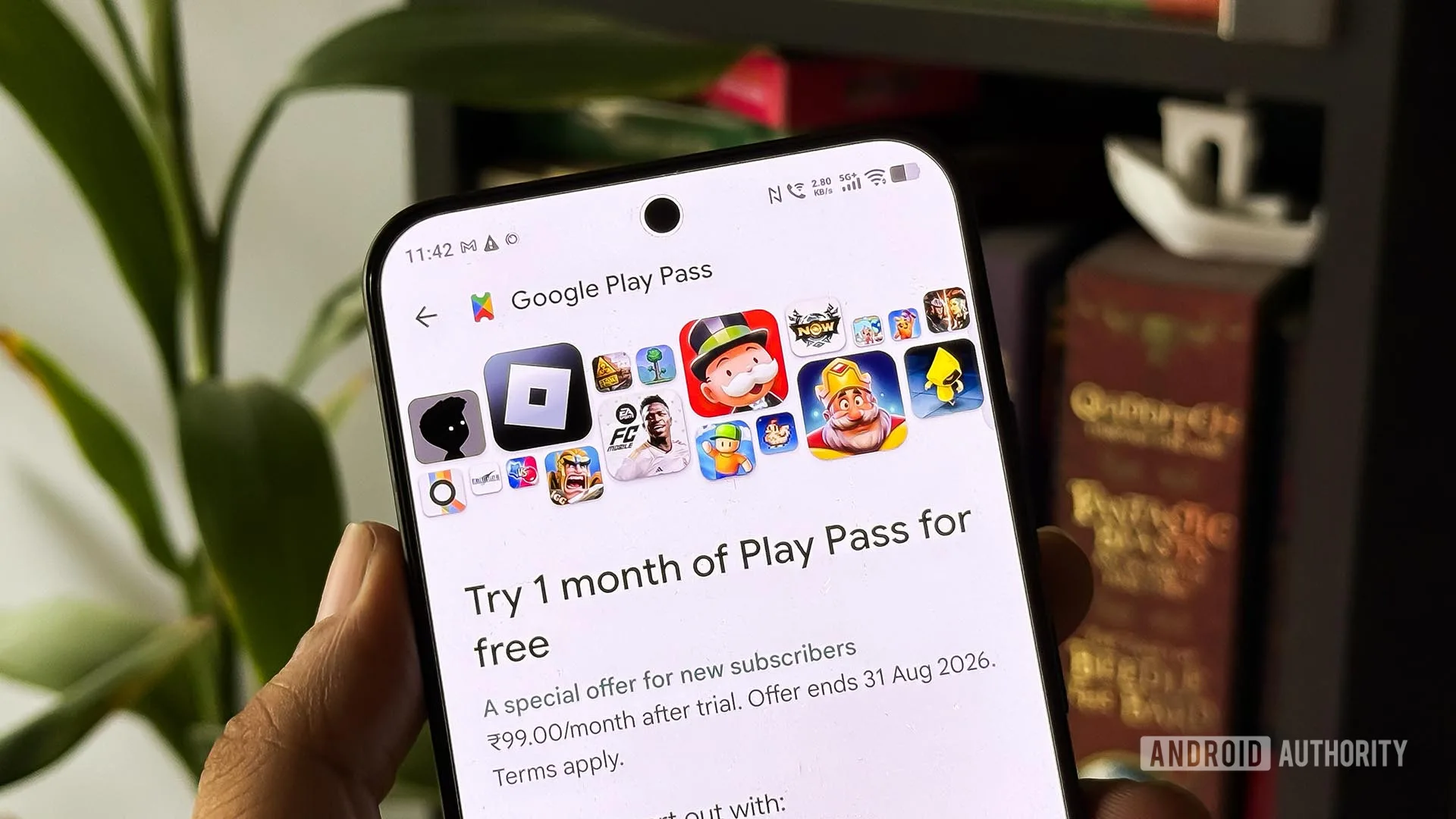
Google also runs Play Pass, its subscription catalog for apps and games without ads or in-app purchases. That can be a sensible sampling route for frequent players. But subscriptions are not a replacement for buying the standout titles you expect to keep returning to. Nobody wants every small pleasure in life converted into a monthly bill.
Minecraft remains the obvious first purchase
Minecraft is the least surprising recommendation here and perhaps the most useful. At roughly $7 on Android, Mojang’s sandbox is far cheaper than many console editions while giving players the Bedrock version’s cross-play ecosystem. A child on a tablet can join a world with family members on PC, Xbox, PlayStation, or Switch, assuming everyone has the relevant account setup sorted.
That cross-platform reach is the reason Minecraft remains one of the best paid Android games for families. It is digital Lego with survival mechanics, community servers, and an almost absurd amount of room to grow. Touch controls are workable, controllers are supported, and a decent tablet makes the experience much more comfortable than a compact phone.
Android is not the definitive Minecraft platform. It cannot match a modded Java Edition setup on PC, and visual extras such as shaders are limited. World loading can feel more constrained, too. But as an inexpensive doorway into a shared game world, it is hard to argue against.
Cozy classics, with different compromises
Stardew Valley is the other obvious buy. ConcernedApe’s farming and relationship sim costs $4.99 on Android, a remarkably low price for a game that can consume dozens of hours before you have even decided whether your farm should be elegant, optimized, or a complete mess. It also shows why paid Android games remain appealing: its routines work beautifully on a phone. Water crops, check the mine, sell a few parsnips, put it away.
The Android version contains the heart of Stardew Valley, but PC still gets the first-class treatment. Updates arrive there sooner, official mod support is absent on mobile, and multiplayer has historically been a less polished proposition. That does not make Android a bad version. It makes it a superb solo version, particularly for anyone who wants to test the waters without paying the desktop price.
Animal Crossing Pocket Camp Complete takes a stranger route. Nintendo originally designed Pocket Camp around free-to-play mechanics and microtransactions, then rebuilt it as a $19.99 paid release after ending the original online service. The resulting app is a compact, camp-focused Animal Crossing rather than a substitute for New Horizons. You decorate a campsite, cabin, and camper; fish, gather bugs, and cultivate friendships with visiting animals.
Twenty dollars is a serious ask among paid Android games, especially for a game descended from a service built to sell virtual furniture. My read is that it only earns that price for people who already know they enjoy Animal Crossing’s gentle collecting loop. For them, removing the old monetization clutter is a relief. For everyone else, Stardew Valley is the cheaper place to start.
When you want more than a comfort game
Balatro is the cleanest rebuttal to the idea that phones are only for disposable distractions. LocalThunk’s poker-inspired roguelike asks players to build high-scoring hands while Joker cards twist the rules in increasingly ridiculous directions. There are more than 150 Jokers, and learning which combinations can break a run wide open is the whole addictive point.
At $9.99, Balatro costs more than the typical throwaway download. It also delivers the kind of repeatable strategy that can swallow a train ride whole. The touch interface is excellent because the game was built around readable cards and deliberate choices. Be warned, though: this is one of those paid Android games that turns a five-minute wait into a missed stop.
Then there is Siralim Ultimate, the recommendation for players who hear “1,200 creatures” and think, “finally.” It wears the monster-collecting RPG label, but the real obsession is team construction. Creatures have passive traits, breeding can combine abilities, equipment adds more variables, and battles reward understanding systems rather than simply using the strongest-looking monster.
Siralim is not slick in the way Pokémon or Animal Crossing is slick. Its menus are dense, its visuals are proudly old-school, and it expects a willingness to experiment. But that depth is exactly why it belongs among the best paid Android games. It treats the phone as a place for a real hobby, not merely something to tap while an ad loads.
The real value is time without friction
These recommendations are not all aimed at the same player. Minecraft is social and creative. Stardew Valley is a pocket-sized decompression ritual. Pocket Camp Complete is for Animal Crossing devotees. Balatro thrives on sharp tactical runs, while Siralim Ultimate can become a second job if you let it.
What connects them is the absence of constant commercial interruption. The best paid Android games are not necessarily cheap, and they will never dominate download charts the way free games do. Yet they offer a better bargain than a “free” app that siphons away an hour through waiting, watching, and nudges to spend. If Google Play wants a healthier future for premium software, players have to occasionally vote with something more meaningful than a download.
Frequently Asked Questions
Are paid Android games better than free-to-play games?
Not automatically, but a paid game often removes the advertising, energy timers, randomized purchases, and daily pressure common in free-to-play mobile releases. The trade-off is simple: players pay upfront and should still check whether a game’s controls, updates, and offline features suit them.
Which paid Android games work well with a controller?
Minecraft supports controllers on Android, making it a particularly good fit for a phone or tablet connected to a larger screen. Touch-first games such as Stardew Valley and Balatro are playable without extra hardware, although personal preference matters a great deal for long sessions.
Does Stardew Valley on Android have multiplayer?
Stardew Valley’s Android release has multiplayer support, but it is less straightforward and less dependable than the established PC experience. Android also lacks official mod support, so players who want a heavily customized farm may be better served by the desktop version.
Why are paid Android games less common now?
Mobile stores reward free downloads and recurring spending, which makes advertising and in-app purchases attractive to publishers. Premium releases tend to come from independent developers, established cross-platform hits, and ports, rather than the biggest mobile studios chasing scale.