- Gemini vs ChatGPT still favors OpenAI when complex prompts, recurring tasks, and personal context need dependable follow-through.
- For Gemini vs ChatGPT image work, ChatGPT appears more consistent at preserving requested colors and visual direction across revisions.
- Google’s assistant has deep Android and Workspace ties, but its web research and external service connections remain uneven.
- Google’s MCP support could broaden Gemini’s reach, though it has not yet produced the polished app ecosystem ChatGPT offers.
Table of Contents
Gemini vs ChatGPT is really a trust problem
The most revealing part of Gemini vs ChatGPT right now is not which model can write a prettier paragraph. It is which one you trust with a task you cannot afford to check three times. Google has put Gemini everywhere: on Android phones, inside Workspace, alongside Search, and across its consumer services. That distribution is formidable. Yet for plenty of people who pay for both tools, ChatGPT remains the tab they open first.
That sounds irrational until you use these products as working tools rather than party tricks. An AI assistant earns its place by doing the boring bits faithfully: retaining the relevant context, following every constraint in a messy prompt, finding the thing you asked it to find, and handing back an answer that does not need a forensic audit. On those practical measures, my read is that Google still has work to do.
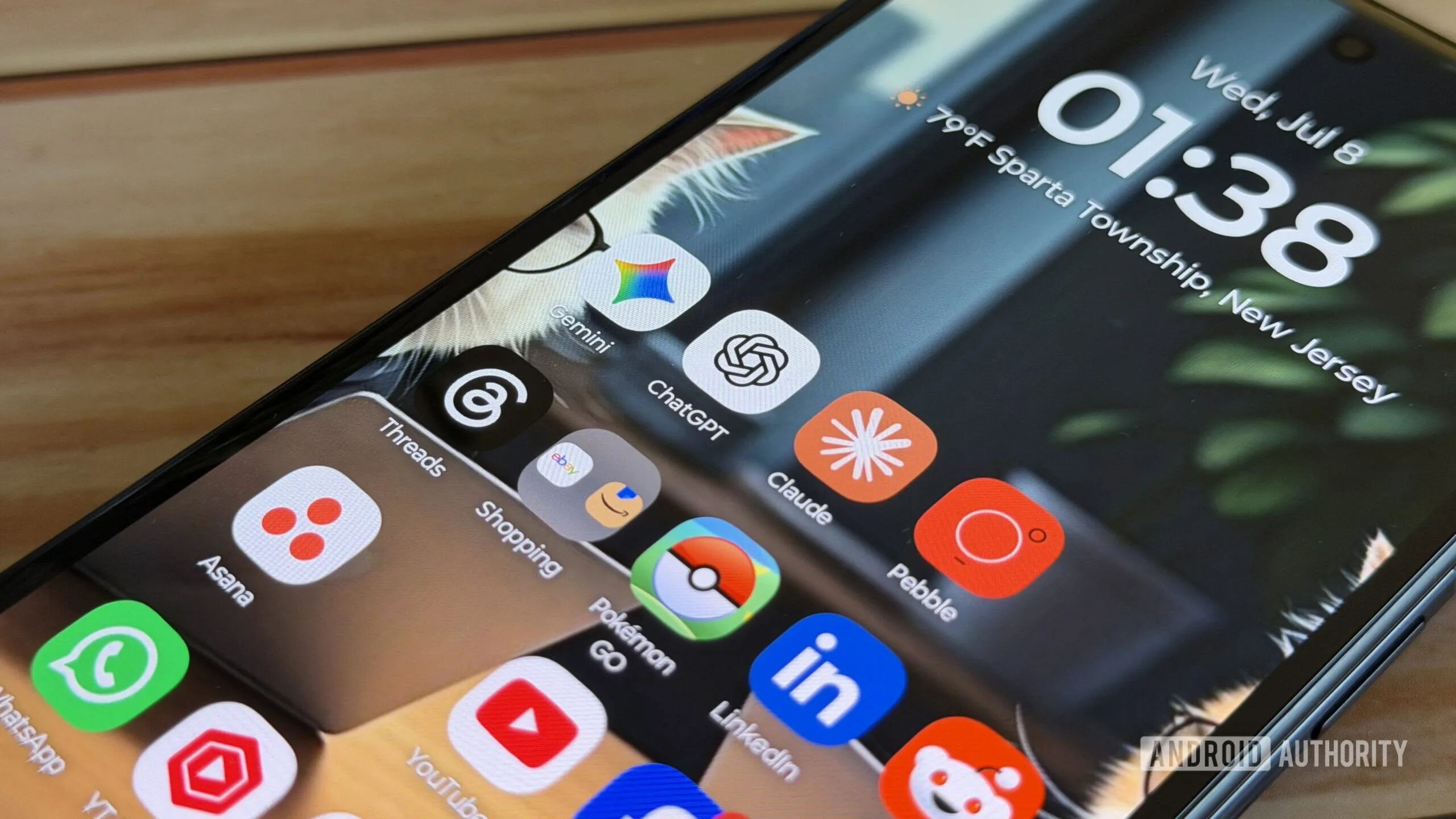
None of this means Gemini is a failure. Far from it. Gemini has advantages that OpenAI cannot simply copy, particularly its placement in Google’s operating system and services. Ask it to surface an email, help draft a document, interrogate information in your Google life, or work hands-free on an Android device, and the Google advantage is obvious. But convenience and confidence are different products. The former gets you to try an assistant; the latter keeps you paying every month.
Complex instructions are where the cracks show
The biggest complaint in the Gemini vs ChatGPT debate is also the least glamorous: instruction-following. People increasingly ask these systems to handle workflows with rules, exceptions, preferred formats, recurring reminders, and a memory of what happened last time. If an assistant drops two requirements from a ten-part brief, it has not saved time. It has quietly moved quality assurance back onto the human.
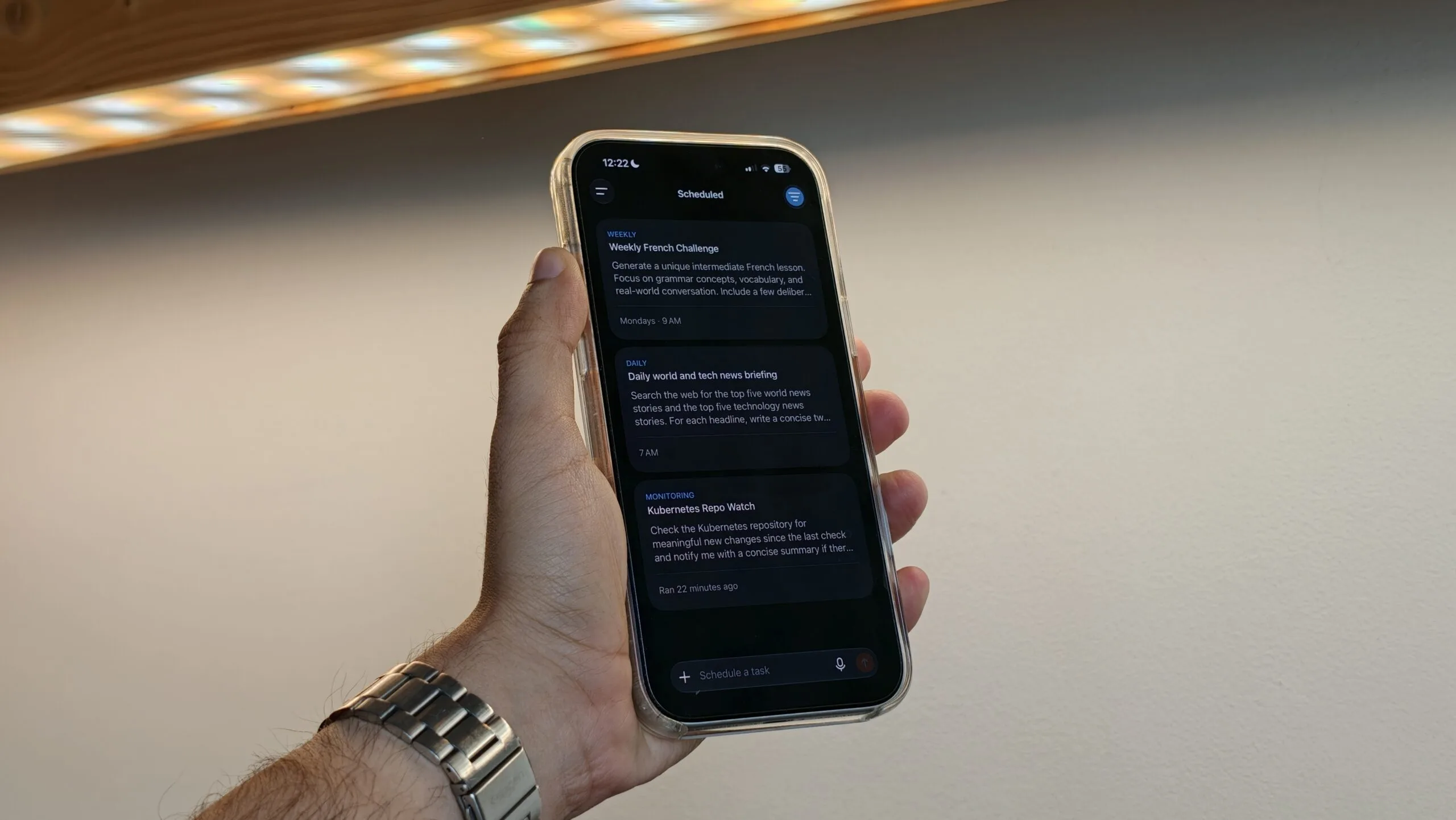
The experience described by heavy Gemini users is familiar: lengthy directions are acknowledged, then partially ignored. That can happen within a single conversation or in a Notebook-style workspace intended to combine material from several chats. Scheduled tasks are an even sharper test. A reminder that runs flawlessly is invisible; one that misses its run becomes a tiny betrayal. Software bugs happen, obviously, but reliability is the whole product when an assistant promises to act later.
ChatGPT is not immune to hallucinations or forgotten constraints. No serious user should treat either chatbot as an unattended employee. Still, ChatGPT has built a reputation for better consistency across extended conversations, and that early lead matters. Habits are sticky. Remember when Google killed Stadia? The lesson was not that every Google service will disappear. It was that users need evidence before they build a routine around a cloud product.
Memory is personal, and migration is not a checkbox
There is another awkward truth in Gemini vs ChatGPT: an assistant gets harder to replace the more it knows about you. Years of deliberate ChatGPT use can produce a useful archive of writing preferences, professional context, recurring projects, and the small details that stop every new conversation from feeling like a first meeting.
Google has a potentially stronger raw ingredient here. It already powers much of the average internet user’s digital life, from calendars and email to maps and documents. Its Gemini personalisation controls point toward an assistant that can draw on that context with user permission. But raw access is not the same as a coherent relationship. People need clear controls, predictable behavior, and confidence that the assistant understands why a piece of context matters.
Import tools can move chat history, but they cannot instantly recreate muscle memory. Nor can they replicate the subtle prompt habits a person has developed over hundreds of exchanges. This is one reason OpenAI’s first-mover advantage has proved more durable than critics expected. The model may change underneath, but a user’s accumulated context creates a switching cost that feels less like moving apps and more like changing accountants.
Image quality and web research still favor ChatGPT
Google’s image tools can be quick and imaginative. Gemini’s Nano Banana branding has generated plenty of attention, and fast image creation is genuinely useful when you are sketching an idea rather than delivering a final asset. But speed is not the only metric. In repeated editing, users have reported that Gemini can drift from a requested palette, alter a photo’s exposure too aggressively, or mishandle exact color instructions. For many creative users, Gemini vs ChatGPT therefore comes down to repeatability rather than novelty.
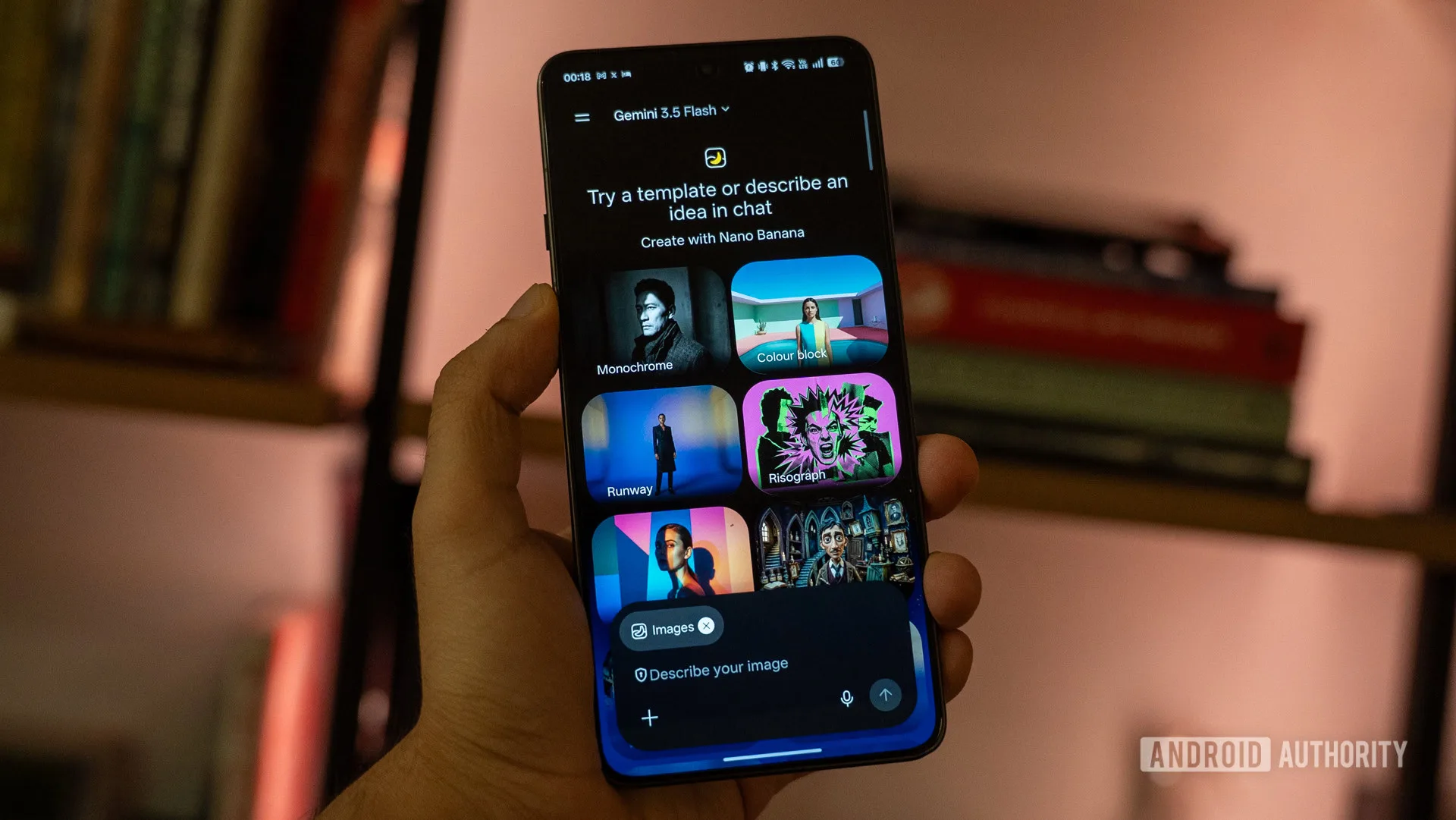
That is where Gemini vs ChatGPT gets very concrete. A designer asking for a particular hex color does not want the model’s artistic interpretation of teal. They want teal. ChatGPT’s image generator is hardly Adobe Photoshop, and it will make its own strange errors, but it has often been more dependable at holding visual direction through multiple rounds. Waiting a little longer for an output that needs fewer repairs is usually the better trade.
Google’s ownership of the world’s dominant search engine makes Gemini’s uneven web research especially striking. You would expect it to be ruthless at gathering current information. Yet some users who run daily news briefings through both services find Gemini omits articles and small but meaningful updates that ChatGPT catches. Search quality is not merely about retrieving pages; it is about understanding the scope of a request, selecting credible sources, and explaining what was left out.
That is a dangerous weak spot for Google. In Gemini vs ChatGPT, Google should have a structural advantage in live information. If its assistant produces thinner research than a rival, users will not care about the architecture behind the scenes. They will care that the morning briefing missed the Android feature they needed to know about.
Google’s ecosystem is powerful, but it is still a walled garden
Gemini works best when your digital day is already painted Google colors. It can assist across Gmail, Docs, Keep, Google Flights, Hotels, and YouTube Music, while Android integration gives it a degree of immediacy few rivals can match. On a phone, that matters. An assistant that can help in the moment, without another app hop, feels closer to the promise people were sold.
But people do not live inside one vendor’s catalog. They use Spotify or Apple Music, Canva, Uber, DoorDash, Expedia, Skyscanner, Slack, Notion, and a dozen specialized tools their employer chose years ago. ChatGPT’s links with third-party services make it feel more like a general-purpose concierge. In practice, Gemini vs ChatGPT is also a contest between closed convenience and broader interoperability. Google’s Model Context Protocol support is a sensible bid to close that gap, but protocol support is foundation work, not a finished house.
The winner of Gemini vs ChatGPT will not be decided only by benchmark scores. It will be decided by whether the assistant can move between the services people already use without turning every request into a vendor loyalty test. Google has the reach, the infrastructure, and an unmatched foothold on mobile. What it needs now is the less flashy achievement: make Gemini so reliable that users stop consciously deciding to give it another chance.
Frankly, that is the whole contest. ChatGPT became the default because it was first and useful. Gemini can still become the default for billions of Google users, but only when its integrations feel less like a reason to stay in Google’s lane and more like a reason not to think about lanes at all.
Frequently Asked Questions
Which is better in Gemini vs ChatGPT for everyday productivity?
It depends on where your work lives. Gemini is particularly useful for people entrenched in Gmail, Docs, Android, and Google travel services. ChatGPT has the stronger case for users who need reliable multi-step prompting, accumulated personal context, and connections to services beyond Google’s own portfolio.
Does Gemini connect to third-party apps?
Gemini can work closely with Google products such as Gmail, Docs, Keep, Flights, Hotels, and YouTube Music. Google has also opened support for Model Context Protocol connections, which could enable more outside integrations, but the consumer-facing ecosystem is still less developed than ChatGPT’s collection of partner services.
Why do AI assistants miss instructions in long prompts?
Long prompts force a model to prioritize many constraints at once, and assistants can lose track of lower-priority details, misread dependencies, or behave inconsistently after a feature update. A polished interface does not guarantee dependable execution, which matters most when people use AI for recurring work rather than one-off questions.