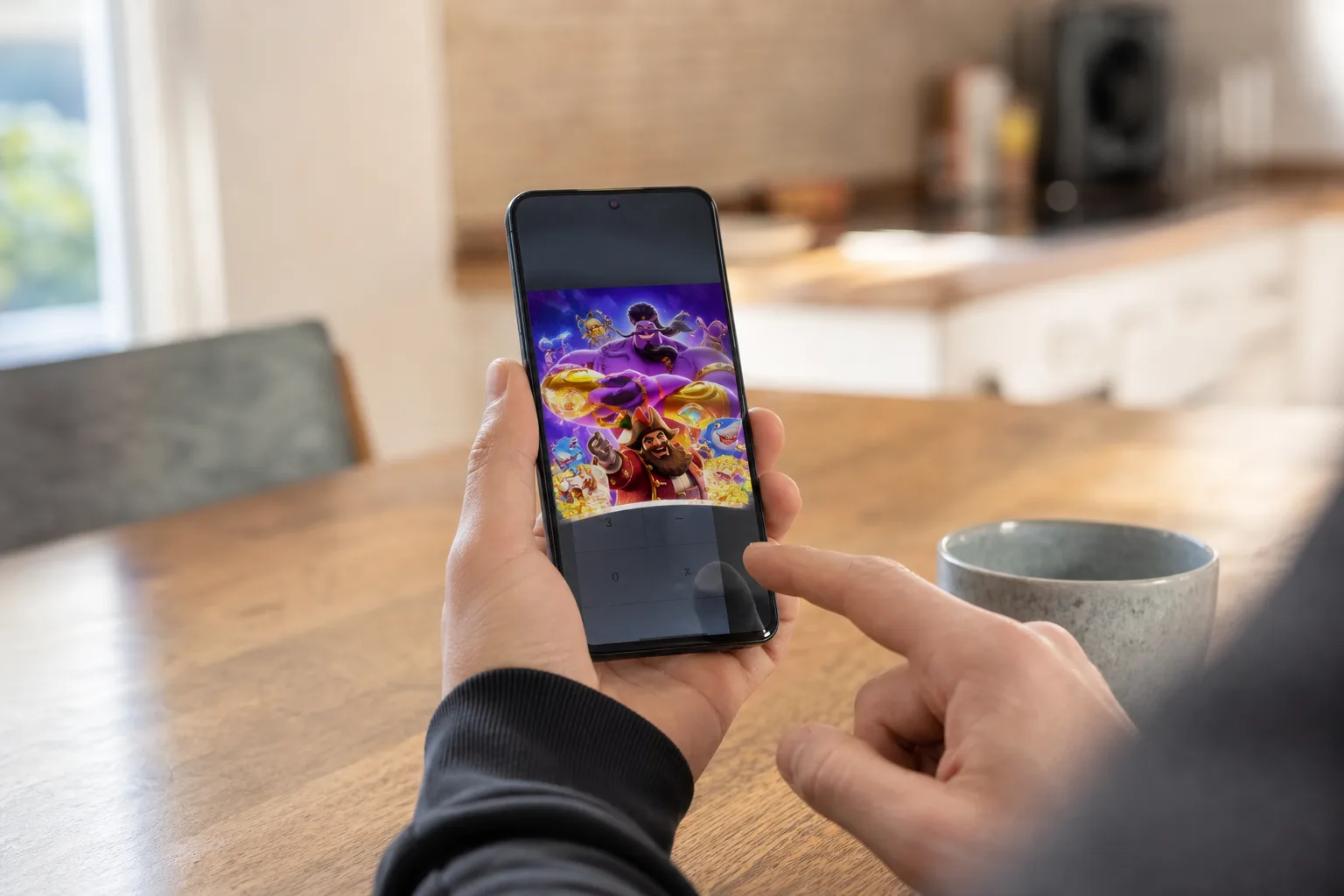
- Android app ads increasingly interrupt basic tasks with delayed close buttons, deceptive playables, forced redirects, and unsolicited notifications.
- Google controls Android, Play policy enforcement, and major advertising infrastructure, giving it unusual responsibility for the Android app ads problem.
- Small developers face weak banner-ad revenue and pressure to adopt opaque ad software kits that prioritize engagement over user trust.
- The Play Store needs stricter design rules and faster enforcement before users decide every free download is a potential nuisance.
Table of Contents
The free-app bargain has gone sour
A calculator should not feel like a casino lobby. Yet that is where Android app ads have landed many people: you open a small utility, attempt one simple task, then wait for a full-screen video to reveal a tiny close control that may or may not send you to the Play Store if your thumb lands a millimeter off target.
There was a time when Android’s free software ecosystem made a fairly honest trade. A developer offered a flashlight, a unit converter, or a strange little puzzle game for no upfront cost. In return, you tolerated a modest banner at the bottom of the screen. It was not glamorous, but it worked. The app stayed usable, and the creator had at least some chance of covering their costs.
That arrangement has eroded badly. The modern free download often asks for notification permission before it has earned a shred of trust, interrupts its own onboarding with an ad, and makes the exit route from that ad feel intentionally slippery. For users, Android app ads have become a usability problem that turns a two-second task into a negotiation with software designed to extract one more tap.
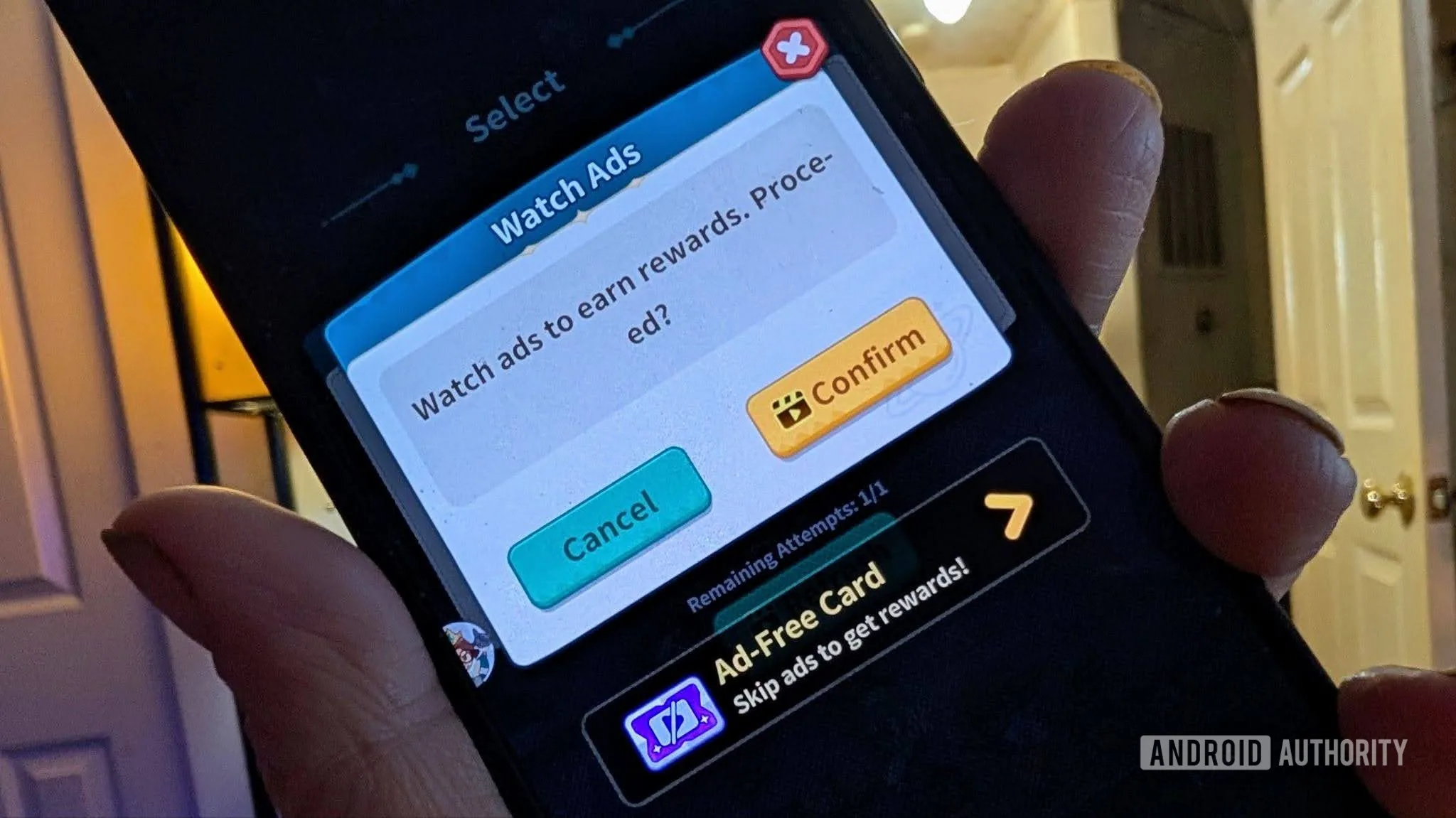
The screenshot of an app offering video-ad rewards captures the logic perfectly. Advertising is no longer tucked around the product. In too many cases, the product is a delivery mechanism for advertising. Frankly, that is a terrible deal for anyone who installed an app to accomplish something.
How Android app ads learned to capture every tap
The most irritating formats share a common trait: they exploit habits. People tap where a close button normally appears. People touch a puzzle on screen because the interface invites them to. People clear notifications without carefully auditing who sent them. Aggressive Android app ads turn those ordinary gestures into revenue opportunities.
Start with the interstitial. Full-screen ads can be defensible at a natural break in a game, provided the close button appears reliably and the ad does not hijack the device. But the version many users encounter is something else: a countdown, an almost invisible close marker, a second confirmation screen, and a destination page triggered by a stray touch. That is not persuasion. It is misdirection.
Playable ads deserve particular skepticism. A short interactive demo could help someone assess a game. Instead, many portray fake, obviously solvable rescue puzzles whose real purpose is to provoke a tap. The ad is built like a shop doorway with the handle placed where your shoulder will hit it. You were not necessarily persuaded; you were processed.
Then there are notifications. Android gives users granular controls, and newer Android versions have made apps ask before posting notifications. Good. But permission prompts are only a partial defense when apps request access during setup, bury the practical cost in a blizzard of screens, then use it to advertise a returning-player bonus three weeks later. A weather app warning about a storm is useful. A game buzzing at 9 p.m. because it misses you is not.
The most pernicious Android app ads sit just inside the line of what automated moderation can easily label fraudulent. They may technically show a close button. They may technically obtain a notification permission. They may technically disclose data practices somewhere in a privacy policy nobody is going to read. That technicality is doing an awful lot of work.
Google is both referee and participant
Google cannot plausibly treat this as somebody else’s mess. It runs Android, operates the Play Store, writes the rules developers must follow, and owns major advertising businesses including AdMob. That does not mean every intrusive placement is served by Google, nor does it mean Google wants deceptive ads. It does mean the company has an unusually direct ability to reshape the incentives behind the Android app ads ecosystem.
Google has tightened developer identity requirements and regularly reports enforcement actions against bad apps and accounts. Its Play policy guidance is part of broader efforts to address disruptive ads. The company also uses automated systems to scan apps at scale, a necessary response to a store operating at scale.
But rules are only as meaningful as the experience of the person holding the phone. If someone can download five free utilities and encounter a forced video, a fake close button, or a notification trap in three of them, it is hard to argue the current approach is sufficient. Google’s enforcement often appears strongest when an app crosses into clear malware, financial deception, or spyware. The less dramatic category of ads that simply make software miserable can persist for far too long.
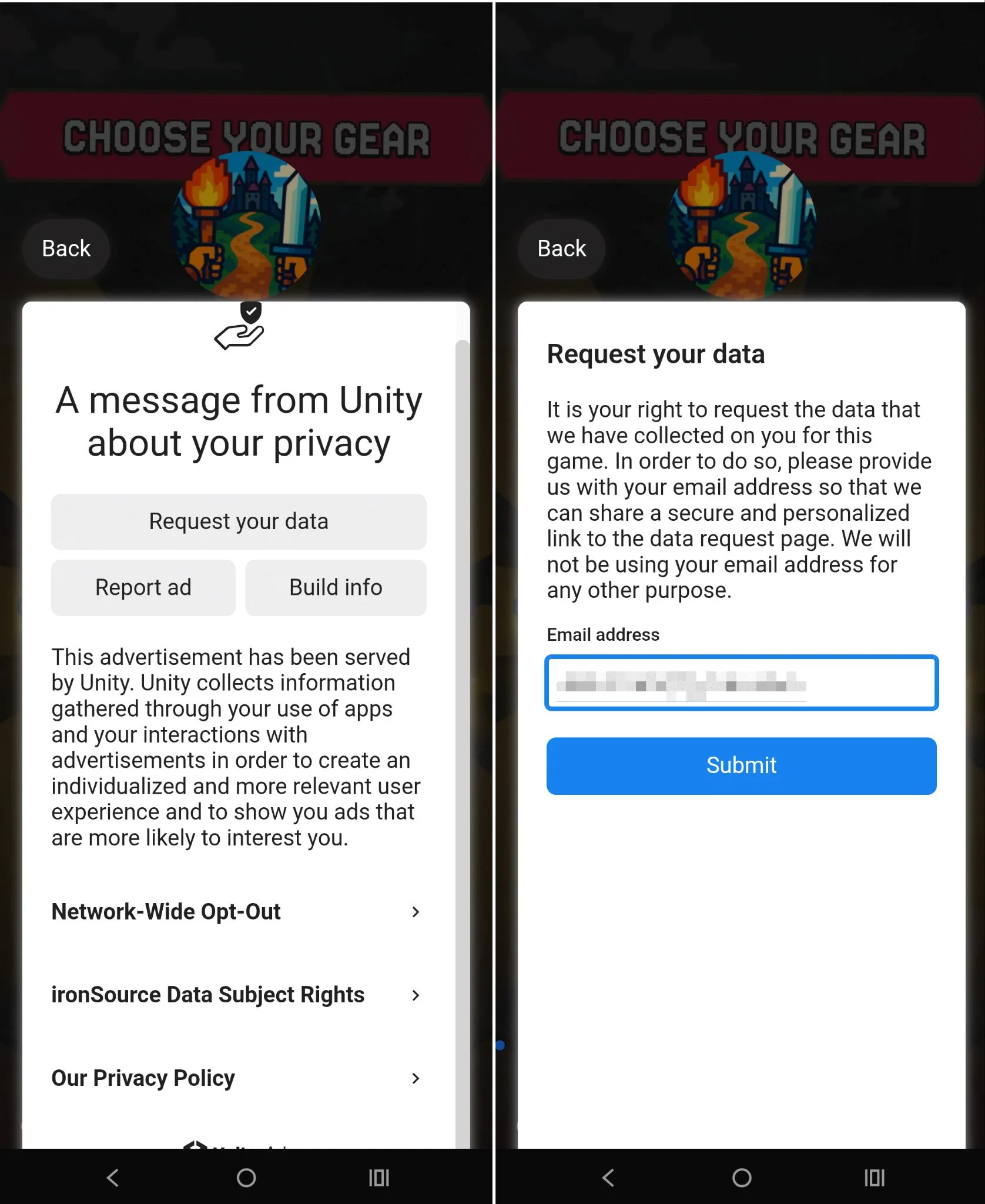
That gray area gets even murkier once ad software kits enter the picture. Modern mobile advertising is not one simple banner request; it is an ecosystem of analytics, identifiers, auction systems, mediation platforms, and creative providers. A small developer may choose an ad network, but they do not necessarily control every creative or every trick used to maximize its performance.
Lack of control is not a full excuse. Developers choose partners, placements, frequency caps, and whether an app can function without watching an ad. Google can demand more from both developers and networks, too. If an Android app ads format succeeds because of accidental engagement, it should be presumed unacceptable rather than treated as a clever optimization.
The indie developer squeeze is real
There is an uncomfortable truth beneath the complaints about Android app ads: many small developers are not becoming villains because they enjoy annoying their users. They are trying to survive in a market where the price of paid apps has been trained toward zero, subscription fatigue is real, and ordinary banner advertising yields very little.
That is the trap. A developer who keeps ads restrained may earn too little to maintain an app. A developer who turns on high-paying interstitials risks angry reviews, uninstalls, and a reputation they cannot repair. Meanwhile, low-effort publishers can release cloned utilities or generic games, buy downloads, push ad frequency to the limit, and treat the app as a disposable funnel.
Google’s ranking systems cannot solve this alone, but they should stop rewarding the worst version of it. The Play Store could make ad behavior a more visible quality signal, impose tougher limits on ads shown immediately after launch, review repeat offenders at the network level, and make notification abuse a faster path to suspension. It could also give developers clearer, practical tools to report deceptive creatives before users do it in one-star reviews.
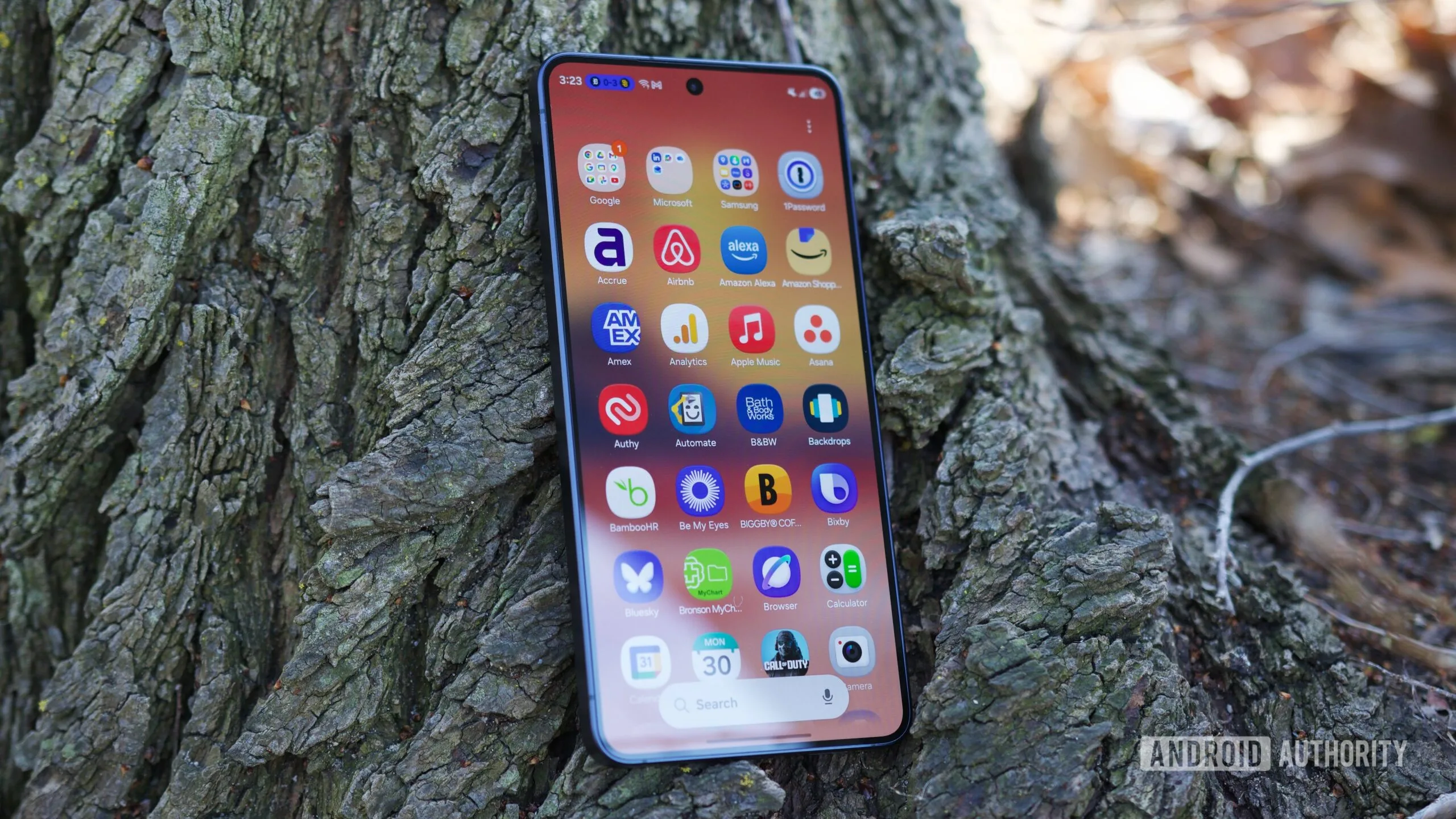
For people using a modern phone, the consequence is more subtle than a single bad app. The app drawer becomes a place where unfamiliar icons are suspect. That erosion of confidence hurts legitimate developers most, because users respond by avoiding free downloads, sticking to a few giant brands, or paying for ad blockers and premium alternatives.
Free should not mean hostile
Android’s openness has always been one of its best arguments. A low-cost phone can offer access to useful tools made by a student, a hobbyist, a one-person business, or a small studio halfway around the world. Android app ads should help sustain that diversity, not turn it into an excuse for a marketplace filled with bait, friction, and distrust.
The answer is not to ban advertising or pretend every app can live on subscriptions. It is to draw a much firmer line between an ad that pays for an app and an ad that sabotages it. Better Android app ads would respect that line. Google has the policy machinery, platform control, and commercial reach to make it matter. My read is that it will act decisively only when the reputational cost of doing nothing exceeds the ad revenue flowing through the current system. Users should not have to wait for that calculation to change.
Frequently Asked Questions
Why are Android app ads so intrusive?
Many mobile ad campaigns pay based on impressions, installs, or clicks, rewarding formats that hold attention and drive accidental taps. Developers also rely on third-party advertising software kits, which can serve full-screen videos, playable promotions, and other formats that are far more disruptive than a traditional banner.
Can Google remove bad ads from Play Store apps?
Google can enforce Play policies against deceptive behavior, unwanted notifications, and malicious software, and it already removes apps and developer accounts for policy violations. The harder problem is the large gray area: advertising that may technically comply with a rule while still being deliberately frustrating to users.
How can Android users reduce unwanted app notifications?
Users can long-press an unwanted notification and disable that app’s notification channel, or visit Android Settings, then Notifications, to limit alerts. It also helps to deny notification permission to games and utilities that have no legitimate reason to contact you outside the app.