

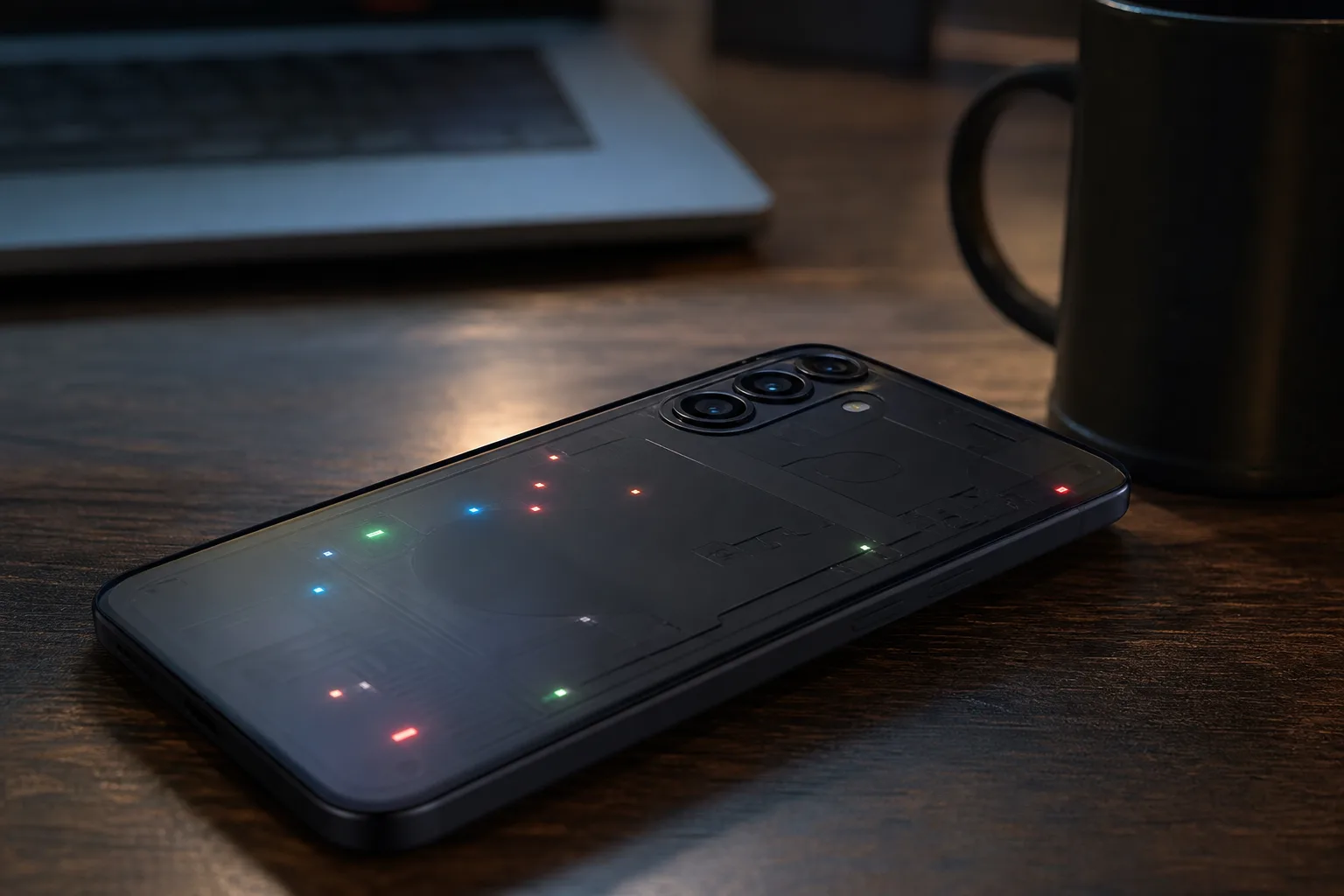
- Pixel 11 introduces Pixel Glow, a welcome notification-light feature that brings some personality back to Google’s increasingly polished hardware.
- A higher Pixel 11 price would force Google to deliver sustained performance, strong video quality, reliable thermals, and the dependability buyers expect from a flagship.
- Google’s software remains excellent, but Samsung has narrowed the update and feature gap that once made Pixels feel distinctly better.
- Tensor G6 must show meaningful progress because premium buyers will compare Google directly with Snapdragon-powered Android flagships.
Table of Contents
Pixel Glow gives the Pixel 11 a little personality
The Pixel 11 may arrive with the most charming hardware idea Google has attempted in years: a configurable rear lighting system called Pixel Glow. It sounds frivolous until you remember what phones lost when manufacturers quietly killed off notification LEDs. A glance across the room once told you whether that buzz was a work message, a family call, or another app asking for attention it absolutely did not deserve.
Google’s teaser material suggests Pixel Glow can do more than flash a single white dot. The system appears to use RGB lighting, which opens the door to contact colors, application alerts, charging indicators, timers, and possibly richer animations. The real question is whether Google will let third-party developers participate or keep the whole thing locked inside its own apps. The former could make it genuinely useful. The latter risks turning it into a neat demo-store trick.
There is also a practical argument for putting the lights on the back. Ultra-thin display bezels have left little room for front-facing indicators, and many people place a phone face down on a desk anyway. Put it in a case, though, and Google has a design problem to solve. The company will need compatible cases with a cutout or translucent panel, otherwise Pixel Glow becomes a feature you pay for and immediately cover up.
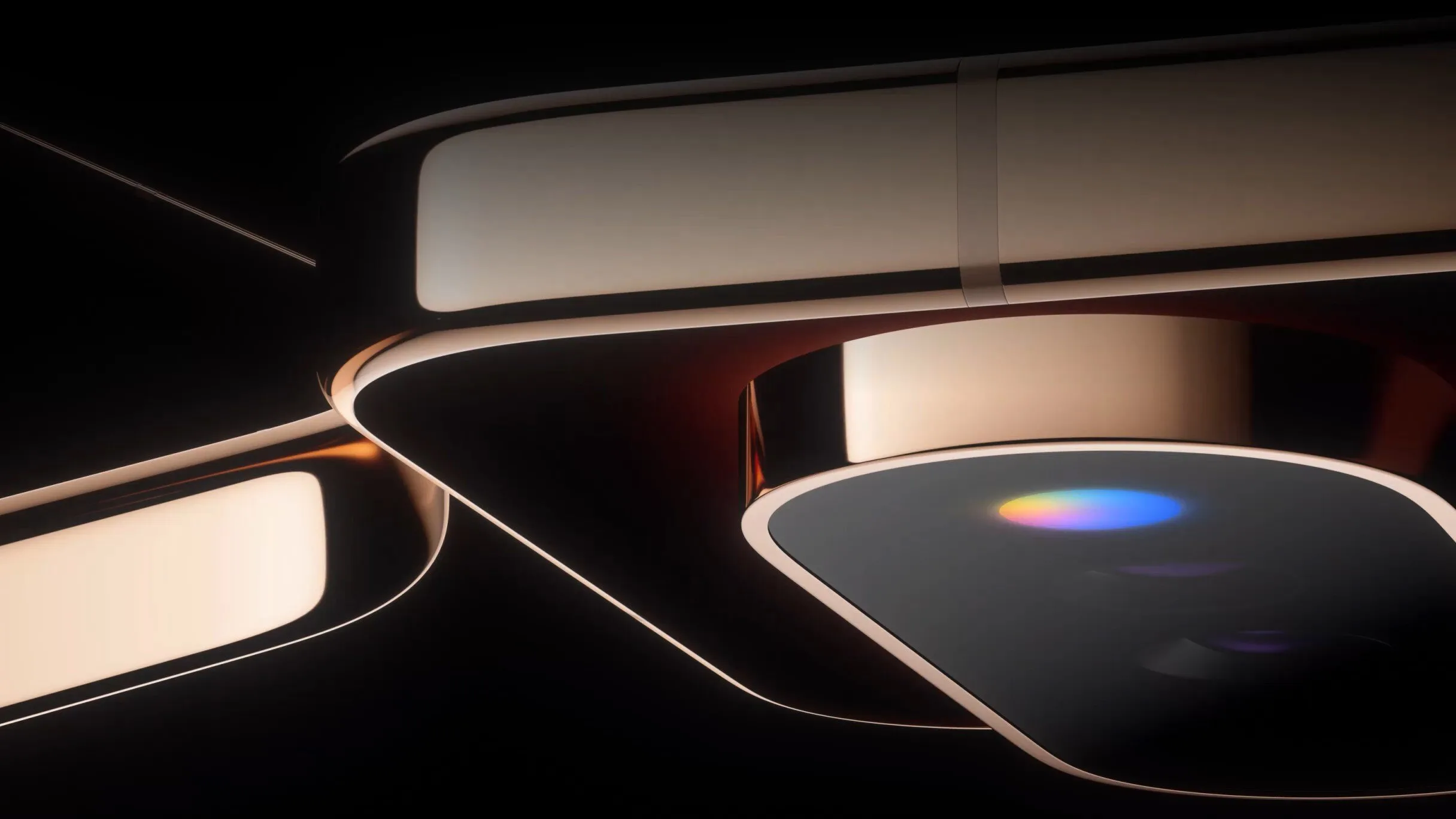
I like the direction. Frankly, modern premium phones have become a bit too austere: black glass rectangles differentiated by camera bumps and marketing copy. On the Pixel 11, Pixel Glow gives Google a visual signature without forcing a wholesale redesign of the camera visor that has become a recognizable part of the Pixel identity.
The Pixel 11 cannot use lighting to distract from a price problem
Fun hardware flourishes matter, but they do not soften the landing if the Pixel 11 becomes materially more expensive. Component pricing has been pushing upward across the Android market in 2026, and premium memory is a particular concern. Google’s recent Pro models have used 16GB of RAM, a spec that helps support its increasingly ambitious on-device AI features but also makes the bill of materials harder to contain.
Google has generally positioned Pixel flagships just below comparable Samsung Galaxy models. That has been a sensible lane: you got Google’s camera processing, clean software, long support commitments, and a slight break on the sticker price. But a modest discount stops feeling persuasive once a phone creeps toward the $1,300 range. At that point, buyers are not grading on a curve.
They expect the whole package to be excellent: no odd thermal behavior while recording video, no middling frame rates in demanding games, no modem complaints, and no camera caveats hidden behind strong still photography. A $1,300 phone is like paying for business class and finding your seat reclines only halfway. The experience may still be decent, but the compromise becomes impossible to ignore.
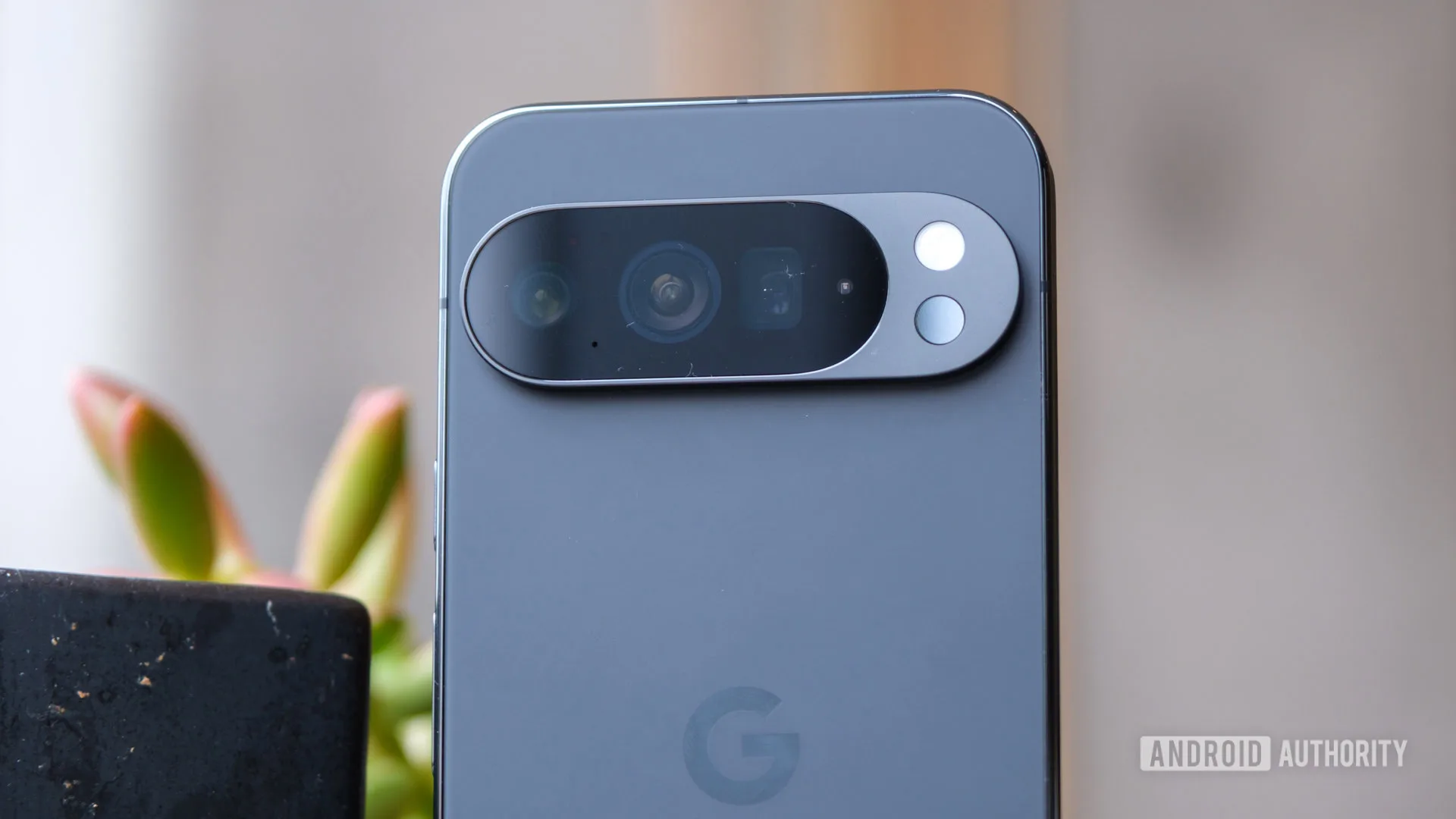
That leaves Google with little room to maneuver. The company cannot simply retreat to 12GB of RAM without inviting questions about whether it is cutting corners. Yet retaining 16GB while absorbing broader supply-chain costs could squeeze margins or push retail prices higher. Neither option is painless.
Tensor G6 will face the benchmark it once sidestepped
The Pixel 11 will likely put more scrutiny on the Tensor G6 than any previous Google chip. Tensor’s original bargain with buyers was clear enough: do not expect Qualcomm-leading benchmark scores, but do expect distinctive AI tools, fast image processing, excellent voice features, and software that feels coherent. For plenty of Pixel owners, that trade was reasonable.
It gets harder to defend when the phone costs full flagship money. Qualcomm’s top Snapdragon chips have become the default comparison point for Android gaming, sustained performance, and power efficiency. Google can argue, correctly, that synthetic benchmarks do not capture everything. But a buyer trying to edit a long video, run an emulator, or play a demanding game for an hour will notice real-world performance just fine.
Leaks point to Google pursuing more power with its next silicon, but changing a chip program’s competitive position is not as simple as turning up a dial. Architecture, fabrication, modem behavior, cooling, and scheduling all matter. Google needs Tensor G6 to be comfortably competent under pressure, not merely clever when an AI feature is being demonstrated on stage.
Google software no longer has the field to itself
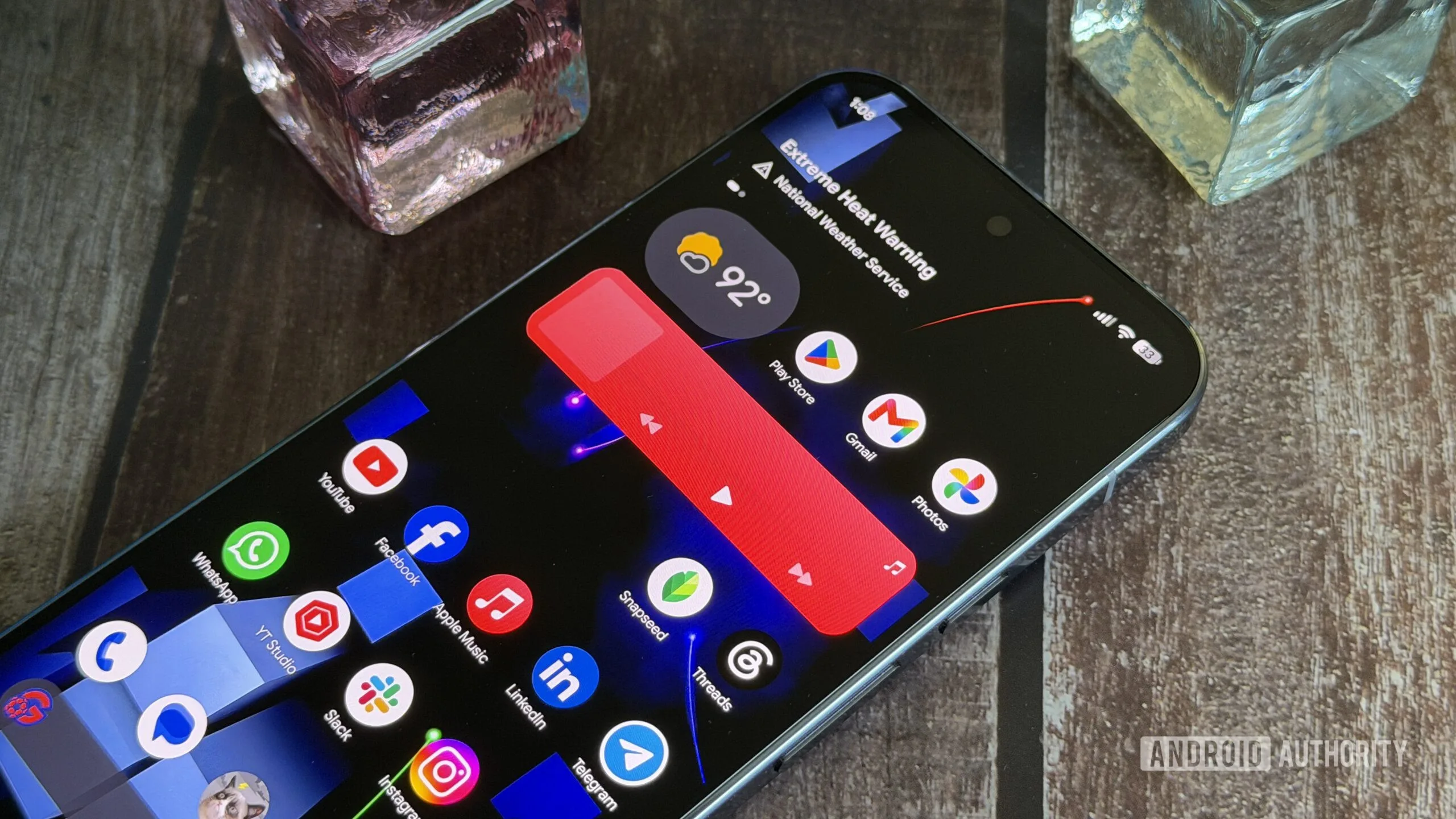
Google still makes the Android experience I would choose for myself. Android 17’s Material 3 Expressive look is lively without becoming exhausting, and Google has shown more interest in personalization than it did during some of its beige-and-blue minimalism years. Features such as app bubbles could make multitasking feel less like a compromise on large-screen Pixels.
But the Pixel 11 cannot lean on software alone, because Samsung has become much better at this. One UI remains busier than Google’s interface, yes, but it is mature, feature-rich, and increasingly quick to receive major Android updates. Samsung also has its own growing stack of AI conveniences, deep device integration, and a global retail and service operation Google has never matched.
Long software support is now table stakes among expensive Android phones. Good cameras are close to it. Google’s computational photography is still among the best at making a difficult shot look effortlessly good, particularly with people and moving subjects, but Apple, Samsung, Xiaomi, and Vivo have narrowed the gap in different areas. Video remains the test Google most needs to pass without qualification.
What Google needs to prove this time
Google has made tangible progress, which is worth acknowledging. Pixel hardware is more consistent than it was in the era when buyers treated every launch like a lottery ticket for modem quality and battery life. The design is recognizable, the cameras are dependable, and the software has a point of view. That is not nothing. It took Google a long time to get here.
Still, the Pixel 11 may be the moment when Google’s old strengths face a less forgiving market. Pixel Glow can make the phone feel friendly and distinct. Android 17 can make it pleasant every day. Neither will answer the central question if prices rise: can Google deliver the performance, video quality, thermal stability, and hardware polish people expect from a truly expensive flagship?
My read is that Google does not need to beat every rival in every benchmark. It does need to stop giving shoppers a reason to explain away the compromises. If Pixel Glow is the memorable flourish and Tensor G6 is the quiet workhorse that finally holds its own, the Pixel 11 could be a very compelling phone. If not, those lights may end up illuminating exactly where the gaps still are.
Frequently Asked Questions
What is Pixel Glow on the Pixel 11?
Pixel Glow appears to be a versatile RGB lighting feature on the back of the Pixel 11. Teaser imagery suggests it may offer customization options and third-party app integration.
Will the Pixel 11 cost more than earlier Pixel phones?
Google has not confirmed pricing, but the wider smartphone market is dealing with higher component costs and several Android makers have already raised prices in 2026. If Pixel 11 Pro models retain 16GB of RAM, that alone could add meaningful pressure to Google’s pricing.
Why does Tensor G6 matter for Google’s next flagship?
At premium flagship prices, buyers reasonably expect excellent gaming performance, cool sustained operation, and dependable video capture. Tensor has not focused on raw performance, so Tensor G6 will be judged more directly against powerful Snapdragon rivals.

