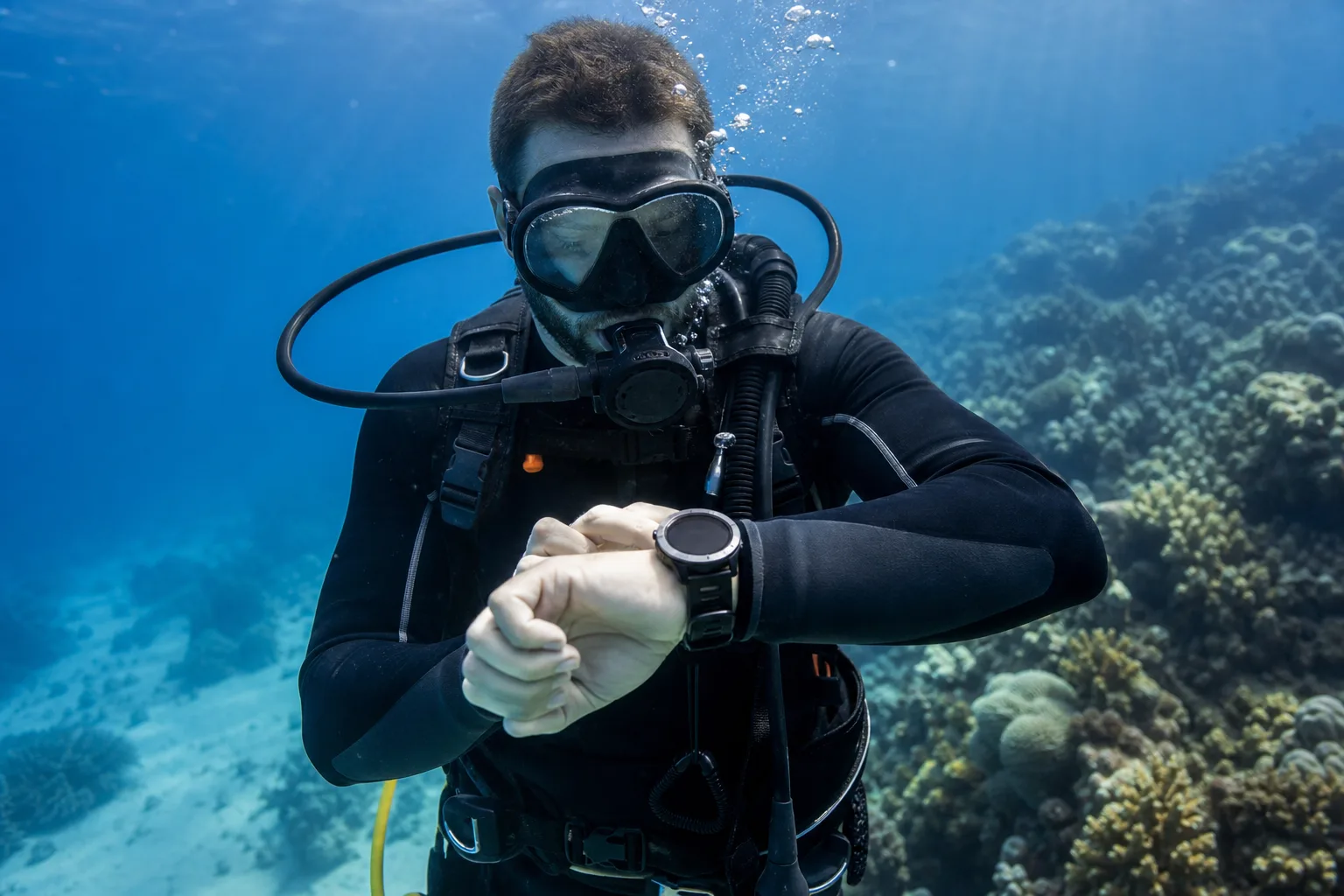
- Galaxy Watch Ultra 2 owners may need a Mares subscription to unlock its most serious scuba and decompression-planning features.
- The Galaxy Watch Ultra 2 reportedly offers free timing basics, $2.99 monthly snorkel access, and scuba access from $7.99 per month.
- Samsung’s 10ATM and IP69K hardware ratings make the watch physically capable, but software pricing will determine its real appeal underwater.
- Mares already charges Apple Watch users for dive features, suggesting subscriptions are becoming standard for smartwatch dive computers.
Table of Contents
Galaxy Watch Ultra 2 turns diving into a recurring expense
Buying a rugged smartwatch and then discovering its marquee underwater software sits behind a monthly fee is never going to feel great. Yet that appears to be the deal with the Galaxy Watch Ultra 2, Samsung’s new flagship wearable, which will use a forthcoming Mares Diving app for its most advanced diving functions.
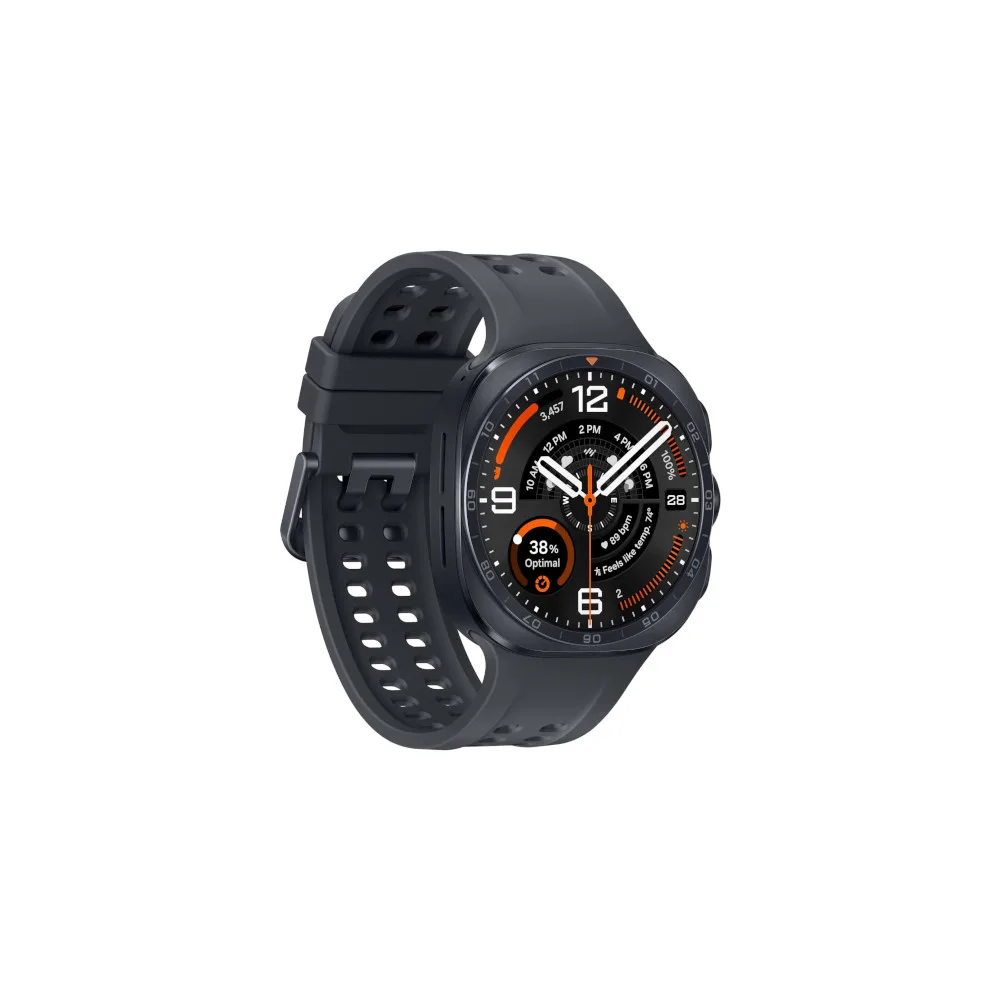
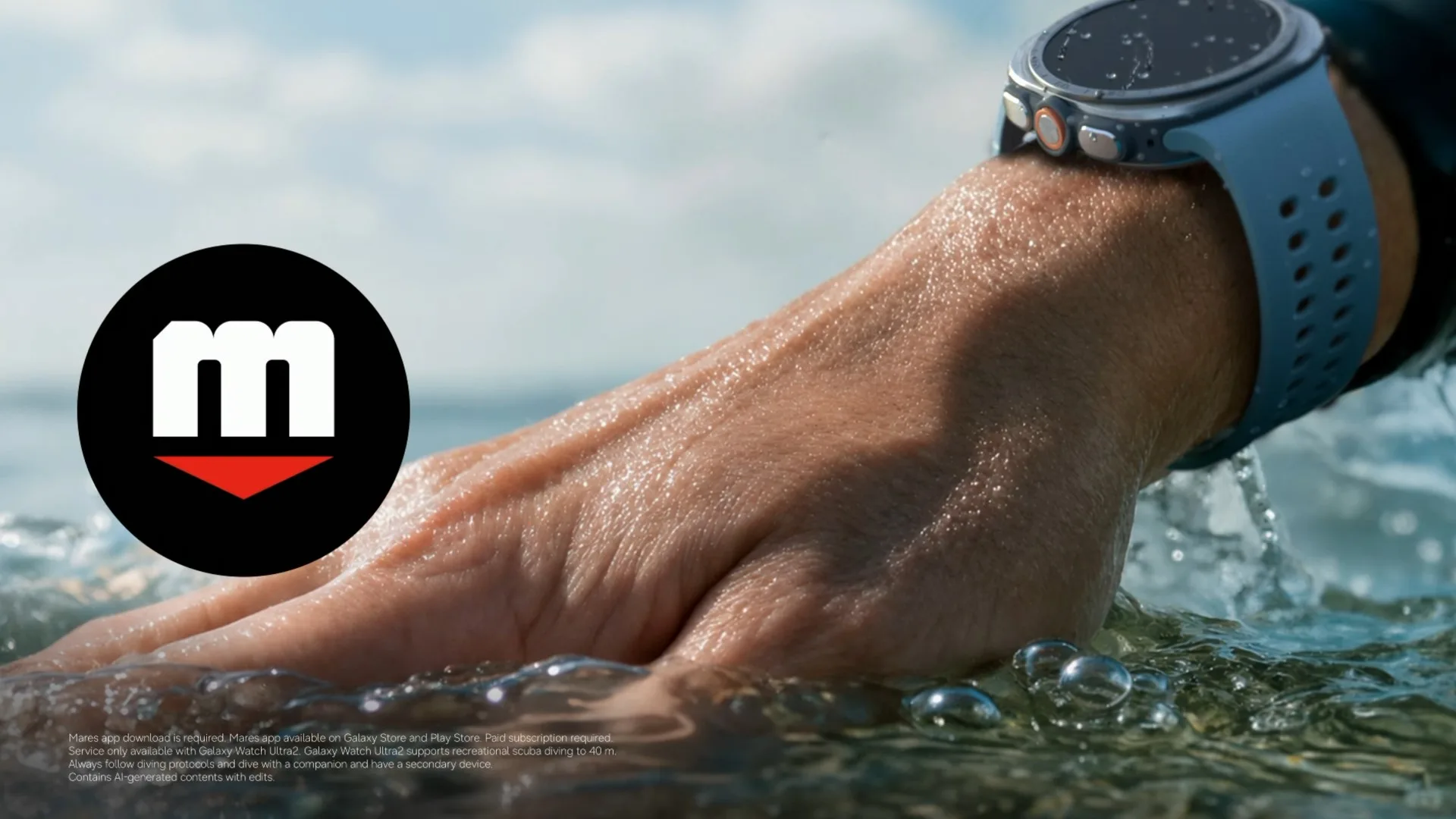
Samsung introduced the watch alongside its summer hardware lineup in London, and the hardware itself looks properly prepared for wet, dirty, high-pressure environments. The company rates it to 10ATM and gives it an IP69K classification, so it should handle more than a splash and a quick rinse after a beach day. For divers, though, water resistance is the entry ticket, not the whole experience. The useful stuff is the depth data, ascent alerts, gas settings and decompression guidance.
Mares is the key piece here. Samsung has partnered with the Italian diving-equipment specialist on an app that is expected later this year and will be exclusive to the Galaxy Watch Ultra 2 within the Wear OS world. It’s a smart partnership on paper. Samsung gets the credibility of a company divers already know; Mares gets a route onto one of the biggest smartwatch platforms that isn’t Apple’s.
But the early pricing details reported around the launch suggest Samsung and Mares are drawing a hard line between people who want a waterproof activity tracker and people who expect a genuine dive computer on their wrist.
What the Mares tiers reportedly include
The free mode is said to be a bare-bones timer. It covers depth, time underwater and an ascent-rate warning. That may be enough for a casual swimmer who wants a record of a quick dip, but it is not the feature set most certified divers will be shopping for. Frankly, calling that a diving experience would be generous.
A paid snorkel plan reportedly costs $2.99 per month. It adds session timing, individual dive information, route and distance tracking, maps, a compass, stopwatch, temperature readings and heart-rate data. For snorkeling, GPS route data can be genuinely handy: it helps users find their way back to a launch point and makes a holiday session more than a vague memory of where the reef probably was.
The serious tier is scuba mode. Reports put it at $7.99 monthly or $59.99 annually, and it adds air support, single-gas Nitrox from 21% to 50%, multigas Nitrox for up to three gases, selectable decompression algorithms, safety-stop information and several dive-specific warnings. Those are the details that make the Galaxy Watch Ultra 2 potentially useful as actual diving equipment rather than an expensive wrist-mounted logbook.
There is a major caveat. These tiers and prices have not been laid out in a full public Samsung rate card yet, and software plans have a habit of changing between launch-stage slides and a live app-store listing. Still, the figures line up broadly with Mares’ existing iPhone and Apple Watch offering, where individual access is listed at $8.99 per month or $69.99 annually. That makes the reported Wear OS annual price look relatively restrained, if it holds.
A dive computer is not a fitness feature
This is where the subscription argument gets complicated. Nobody loves another recurring charge, particularly after buying premium hardware. We have watched this movie before: automakers charging for heated seats, fitness platforms putting basic analytics behind paywalls, and smartwatch makers treating health insights as a service rather than a product feature. The irritation is understandable.
Yet dive software is not the same as a colorful watch face. Decompression algorithms, gas-management modes and safety alerts require ongoing testing, regulatory attention, maintenance and liability management. Mares is not merely selling a few extra graphs. In effect, it is offering part of the expertise buyers would traditionally get from a standalone dive computer made by brands such as Garmin, Suunto, Shearwater or Mares itself.
The question is whether the Galaxy Watch Ultra 2 earns enough trust to become a diver’s primary computer. For recreational users on straightforward dives, it may be a convenient all-in-one option. The same device can handle messages on the boat, track a hike afterward and record a dive below the surface. That convenience matters. Carrying fewer gadgets is nice, especially when each one needs charging.
But experienced divers tend to be conservative for good reason. A dedicated dive computer has a simpler job, predictable battery behavior and a track record in an environment where mistakes can become dangerous very quickly. Many divers will use the Samsung watch as a backup or a secondary log, at least initially. That is not a failure; it is just how safety-critical gear earns its place.
Samsung needs to make the Galaxy Watch Ultra 2 value clear
Samsung’s own wearable lineup has spent years trying to turn the Galaxy Watch into something more adventurous than a gym companion. The Galaxy Watch Ultra 2 is the clearest expression of that ambition, with a tougher build and a feature list aimed at people who go farther than a treadmill. The Mares tie-up gives it a real differentiator against the ordinary smartwatch crowd.
Still, messaging will matter enormously. Samsung should be painfully clear at checkout about what works free of charge and what demands a continuing Mares payment. A customer who buys the watch because they saw scuba imagery, then learns that decompression data requires $59.99 every year, is going to feel misled if that distinction was buried in fine print.
My read is that the annual plan is defensible for active divers if the app proves dependable and receives meaningful updates. For someone who takes one resort trip a year, it is a much tougher sell. The obvious answer would be a short-term pass or a per-trip option, because diving is seasonal for a lot of people. Whether Mares offers that flexibility may decide if the Galaxy Watch Ultra 2 becomes a credible travel companion or another premium device asking for a subscription after the novelty wears off.