- The Galaxy Watch 8 deal drops Samsung’s LTE Classic model to $269.99, a $280 cut from its $550 list price.
- This Galaxy Watch 8 deal is compelling for buyers who want cellular connectivity but do not need Samsung’s imminent Watch 9 hardware.
- Best Buy is selling excellent-condition Pixel 10 Pro Fold units from $1,303.99, nearly $500 below Google’s original price.
- Woot’s $84.99 open-box Philips Hue Bridge Pro price is rare, though its 90-day warranty deserves more scrutiny than the watch offer.
Table of Contents
The Galaxy Watch 8 deal is a reminder to ignore the launch-day itch
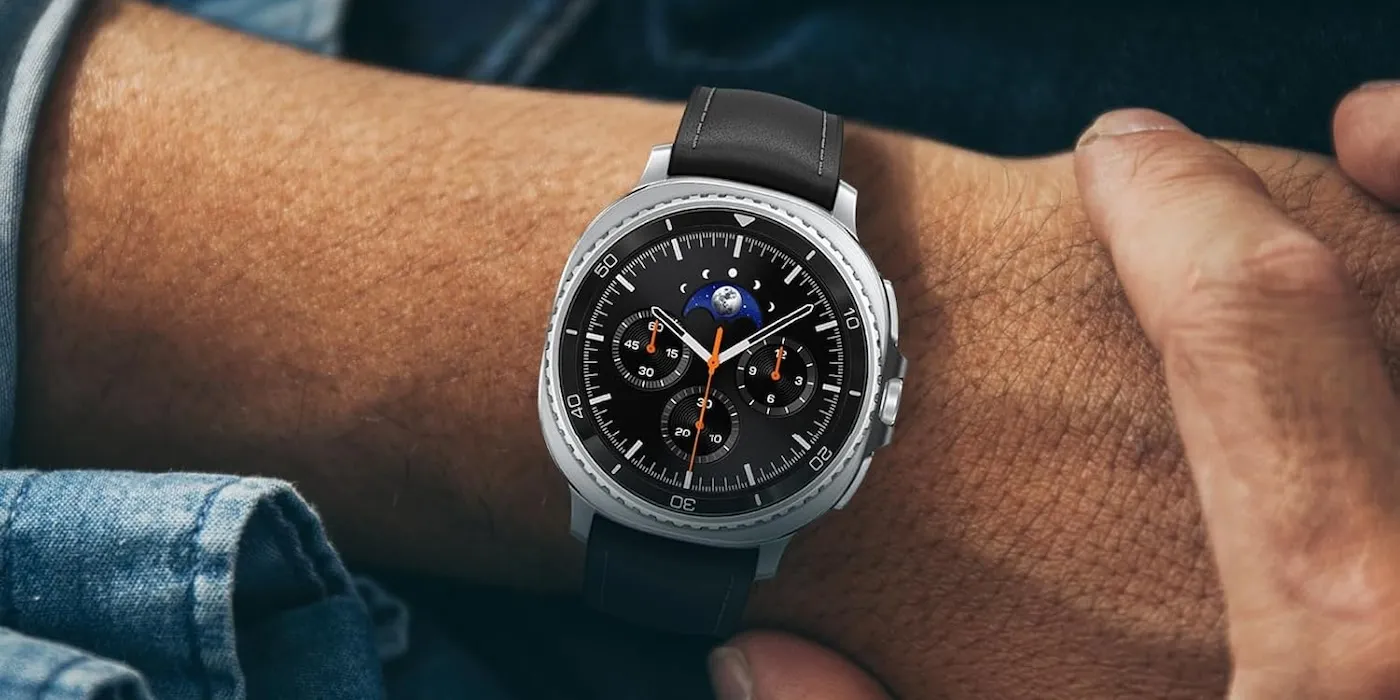
The Galaxy Watch 8 deal worth watching today is not attached to Samsung’s shiny new hardware. It is for the outgoing Galaxy Watch 8 Classic LTE, which Woot has marked down to $269.99 from $550. That is a $280 discount, or just over half off, arriving one day before Samsung is expected to put the Galaxy Watch 9 family on stage.
Samsung’s calendar makes the choice unusually clear. If you want the newest sensors, software promises and a full runway of support, wait for the announcement. If you want a capable Android watch with LTE and a physical rotating bezel at a price that no new flagship is likely to touch, this is the moment to pay attention.
The offer is for a new-condition watch and includes Samsung’s one-year warranty, according to Woot. Amazon’s listed prices tell the story: the LTE model has been hovering around $485, while the GPS version sits near $420. At $269.99, this is not a token clearance cut designed to make a retailer’s banner look busy. It is an actual price reset.
For people who actually wear a smartwatch every day, LTE matters more than spec-sheet theater. It lets you leave the phone at home for a run, take calls while walking the dog, or keep maps and emergency contact options available when your handset is dead in the bottom of a bag. It is not magic, of course. Cellular plans cost extra, battery life takes a hit, and plenty of users will be happier with a cheaper GPS-only model. But the Galaxy Watch 8 deal makes the LTE version cheaper than many midrange GPS watches.
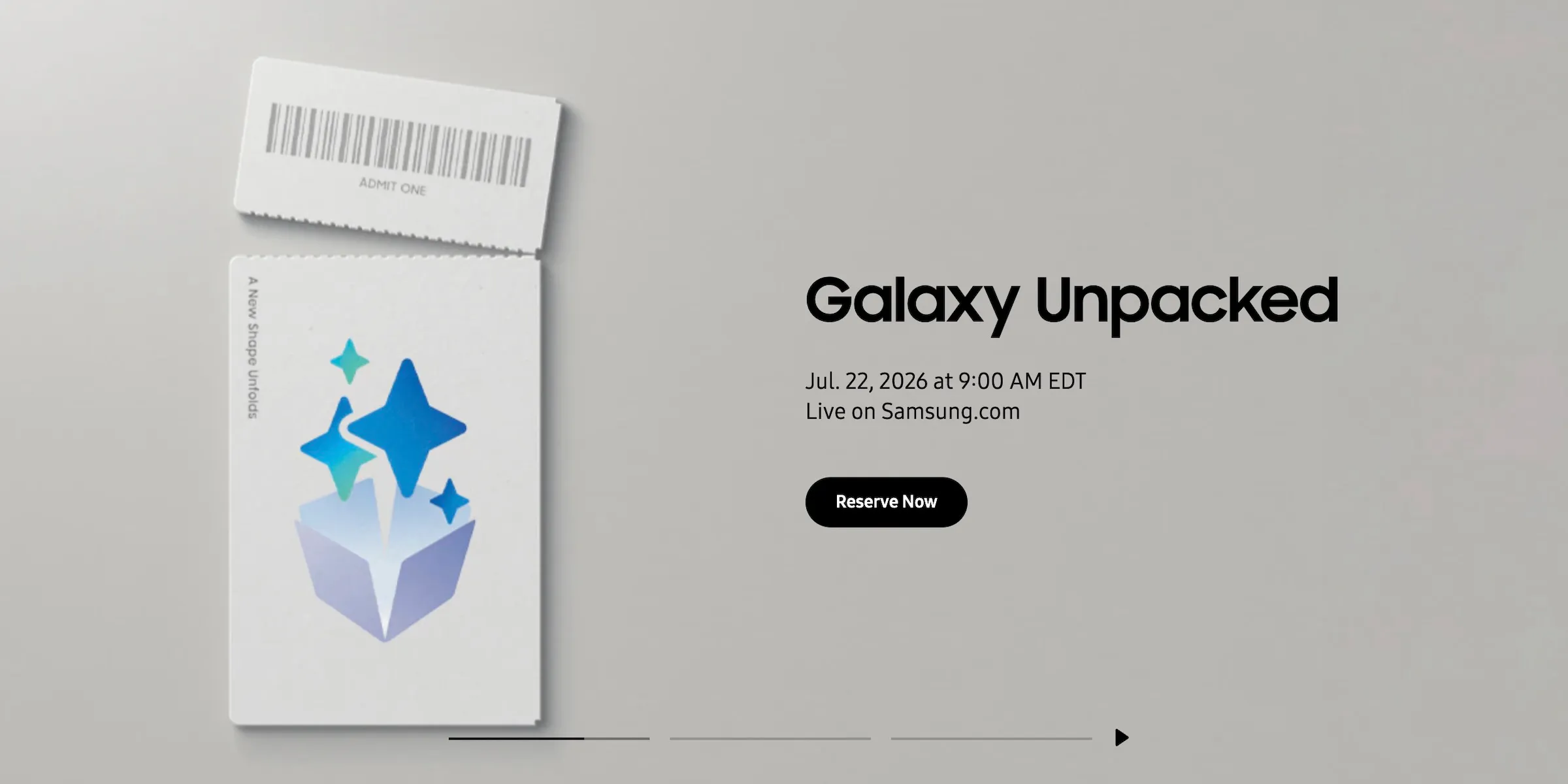
Samsung is also promoting a no-commitment reservation for its forthcoming foldables and watches, with a $30 credit that is meant to stack with trade-in offers. The company has advertised trade-in savings of up to $1,230 around the launch. That number sounds enormous because it is enormous, but trade-in math has a nasty habit of rewarding people who already own expensive recent devices. For everyone else, a straightforward $280 cut can be more useful than a headline-grabbing theoretical maximum.
Buyers who want to track Samsung’s official announcements can register through the company’s US website. My read: do not confuse a reservation credit with a discount you can bank on until Samsung publishes the full pricing and trade-in table.
Why this Galaxy Watch 8 deal may outlast the Watch 9 hype
New watches tend to arrive with a few improvements that sound decisive in keynote slides: a brighter display, a revised health feature, perhaps a more efficient processor. Some of those upgrades will be meaningful. But smartwatches are unusually vulnerable to diminishing returns. Once notifications are reliable, GPS works, workouts are tracked and payments function, the difference between generations often feels smaller on the wrist than it did on a presentation screen.
The Classic line’s real appeal remains its more conventional watch styling and its notched rotating bezel. Touchscreen controls are fine until you are sweaty, wearing gloves, or trying to skip a podcast while carrying groceries. A bezel is an old-fashioned answer to a modern interface problem, which is precisely why it works.
The catch is that the Galaxy Watch 8 deal makes sense only if you are comfortable buying a device at the end of its flagship cycle. Samsung’s newer Watch 9 models will almost surely receive updates for longer and may bring hardware changes that make the older model feel dated sooner. We do not yet know whether those changes will justify paying hundreds more. That is the part Samsung needs to prove tomorrow.
Still, waiting forever is its own kind of bad deal. Remember when every phone buyer was told to hold out for the next model, then the next model after that? At $269.99, the Galaxy Watch 8 Classic LTE is priced like a rational purchase rather than a status symbol. Frankly, that is where smartwatches should live more often.
Pixel foldable discounts show where the real clearance pressure is
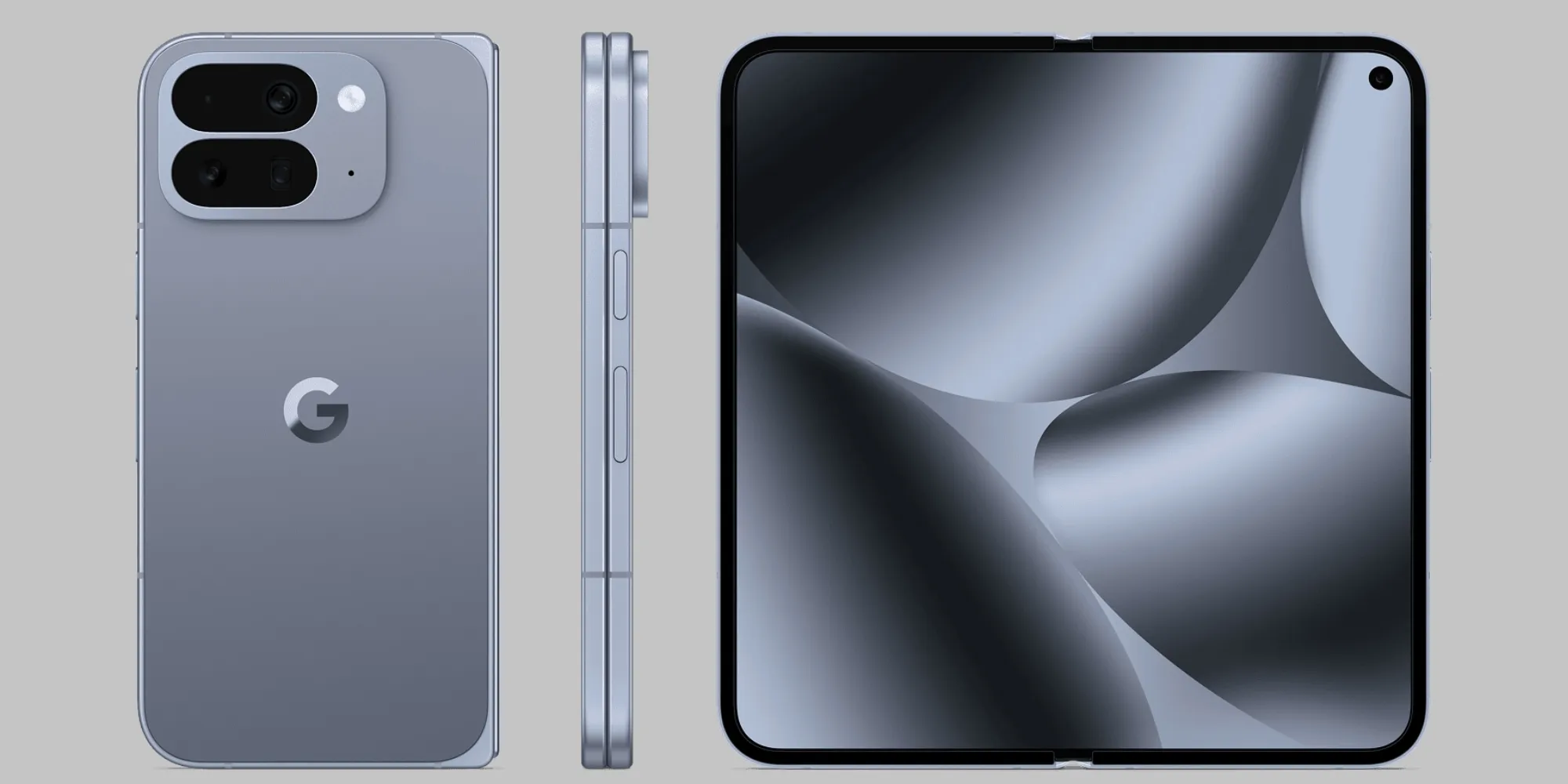
The Galaxy Watch 8 deal is the cleanest discount here, but Google’s Pixel prices show a much more aggressive pre-launch clearing of inventory. Amazon has cut $300 from the 256GB Pixel 10 Pro Fold, bringing it to $1,499. Best Buy has gone further with excellent-condition units starting at $1,303.99, or $495 below the phone’s $1,799 list price.
That Best Buy price comes with a familiar refurbished-device tradeoff. The retailer says the phones work and look like new, have been factory reset, and include parts and accessories, though packaging may be different or missing. “Excellent” is a retailer condition grade, not a guarantee that a device has never had a hard life. Foldables have more moving parts and more anxiety-inducing repair bills than conventional slab phones, so buyers should inspect the return policy, warranty terms and screen condition before getting carried away by the percentage off.
But the bigger point is hard to miss: foldable pricing remains a problem. A nearly $500 discount on a current-generation premium phone makes the original price look aspirational at best. Google’s Pixel 11 launch is expected next month, and the Pixel 10 range is broadly on sale, including the standard Pixel 10 from $599 and the Pixel 10 Pro from $699. The Galaxy Watch 8 deal may be the better bargain for an uncomplicated purchase; the Pixel discounts are the better illustration of how brutally fast high-end Android hardware depreciates.
The Hue Bridge Pro discount is smaller, but potentially useful
Woot also has an open-box Philips Hue Bridge Pro for $84.99. That is not the kind of markdown that should trigger a frantic checkout, but Hue’s newer bridge has rarely been discounted since it arrived last September and promptly became difficult to find.
The Bridge Pro supports more than 150 lights and 50 accessories, adds MotionAware capabilities that let compatible lights participate in motion sensing, and works with Apple Home, Alexa, Google Assistant and Samsung SmartThings. It also opens up Hue Sync lighting and security integrations. For a household that has slowly accumulated Hue bulbs over several years, the newer bridge can be less glamorous than another color lamp but more practical. Think of it as replacing the traffic controller at a busy intersection rather than buying another car.
There is one catch: this unit is open-box and carries a 90-day Woot warranty, not the one-year Samsung coverage attached to the watch. That does not make it a bad purchase. It simply means the savings is modest compensation for more risk. The Galaxy Watch 8 deal, by comparison, is easier to recommend because its discount is far deeper and its warranty situation is cleaner.
HP’s 2-in-1 Chromebook Plus, meanwhile, is listed at $479 after a $200 reduction. A 2K touchscreen and convertible design can make a Chromebook genuinely useful for students and browser-first workers, but it remains a purchase that hinges on your workflow. If your day involves web apps, documents and video calls, ChromeOS is refreshingly low-maintenance. If you need specialized desktop software, do not persuade yourself that a bargain will rewrite your habits.
Buy the price, not the product cycle
Deals around product launches are rarely accidental. Retailers need to move inventory, manufacturers need their new models to look premium, and shoppers get a brief window where last year’s flagship is priced more honestly. The Galaxy Watch 8 deal is a particularly good example: it offers a premium LTE watch at a midrange price just as Samsung asks the market to look somewhere else.
If Samsung’s Watch 9 reveals a truly meaningful health sensor or a battery breakthrough, this calculation could change quickly. If it is a predictable annual polish, the outgoing Classic may be the smarter buy by a mile. We will know soon enough whether Samsung has made its old watch feel old — or merely made it cheap.