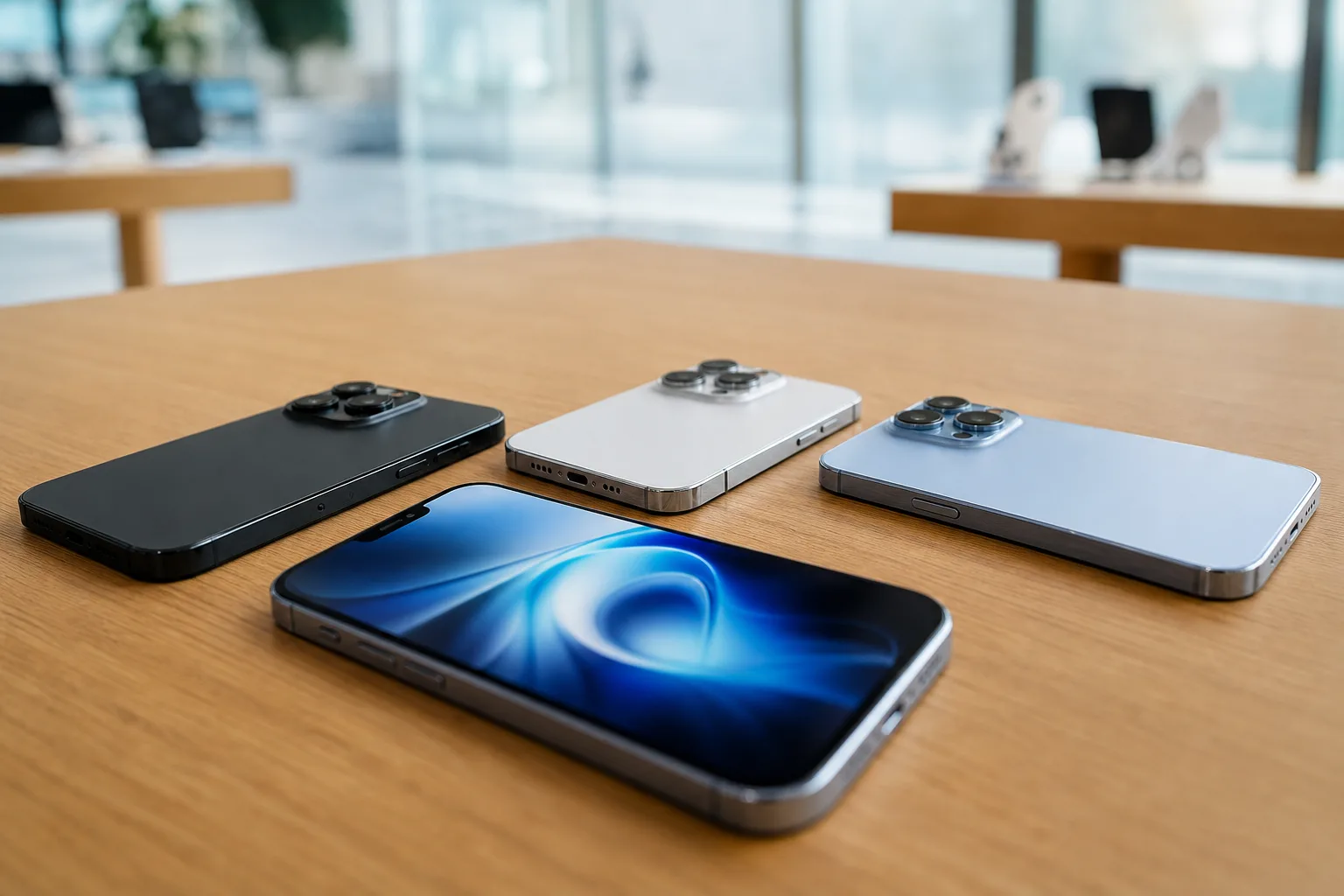
- The Apple Upgrade program reportedly offers 24-month leases for iPhones and Apple Watches, with 36-month terms for Macs and iPads.
- Apple Upgrade program customers may return, keep, or trade in devices after their term, though some end-of-lease choices can cost extra.
- Klarna is reportedly handling financing as Apple moves away from traditional installment plans and its existing iPhone Upgrade Program.
- The shift could reduce monthly sticker shock while making perpetual device payments the default for many Apple customers.
Table of Contents
Apple wants the monthly payment to matter more than the price
The Apple Upgrade program, reportedly set to arrive as soon as July 28, looks like Apple’s answer to a problem it helped create: its hardware has become expensive enough that even loyal customers may pause before replacing it. Instead of paying off an iPhone or Mac in installments and owning it at the end, customers would reportedly lease the hardware through Klarna.
That distinction sounds small. It isn’t. Financing divides a purchase into manageable payments; leasing turns the device into a subscription-like relationship, where returning it or rolling into the next model becomes part of the expected cycle. Think of it less like buying a refrigerator on credit and more like the way many people now acquire cars.
According to Bloomberg’s Mark Gurman, the reported Apple Upgrade program would cover most iPhone, iPad, Mac, and Apple Watch models. iPhones and Watches would use 24-month terms, while iPads and Macs would run for 36 months. At the term’s end, a customer could return the device, keep it, or upgrade into another lease. Some of those decisions may carry what the report describes as an “additional fee.”
Apple has long offered payment plans, and its existing iPhone Upgrade Program already conditioned a segment of buyers to trade in annually. But this would reach across more products and carry more weight, reportedly replacing both that program and ordinary device financing. If that holds, the choice is blunt: pay the full price now, or rent the hardware over time.
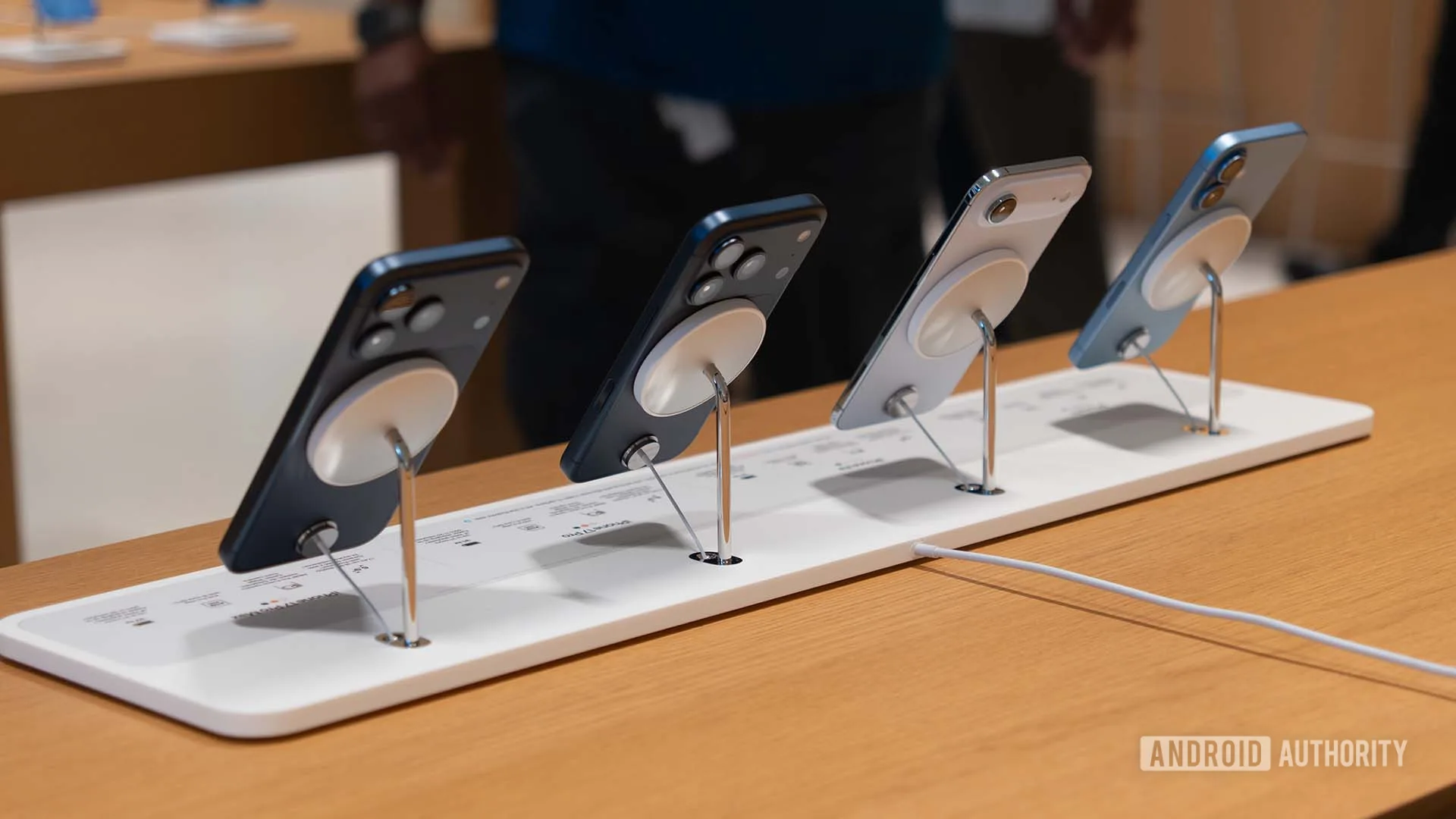
How the Apple Upgrade program would change the deal
The central question is ownership. With a conventional 24-month installment plan, the monthly bill eventually ends and the phone is yours. Under the reported Apple Upgrade program, the monthly price may be lower or at least feel more palatable, but the end of the contract creates another decision point. Return it? Pay to keep it? Start again with next year’s model?
Apple hasn’t publicly detailed the pricing, device-condition rules, interest terms, or fees. Those details matter far more than the marketing label. A cracked display, weak battery, missing accessory, or a model with lower-than-expected trade-in value can turn a seemingly tidy monthly arrangement into a more expensive one. Anyone who has returned a leased car knows the general feeling: the final inspection is where the cheerful brochure meets reality.
Klarna’s involvement also deserves attention. The Swedish buy-now-pay-later company has become a major player in consumer credit, and Apple previously worked with Goldman Sachs on its card and lending products before that relationship frayed. Bringing Klarna into device leasing gives Apple a partner accustomed to underwriting and collecting recurring consumer payments, while Apple keeps its retail stores and product launches focused on the shiny part of the transaction.
For readers who want a baseline on Apple’s current routes to ownership, the company still outlines its purchasing and trade-in options on its official iPhone store. The reported new structure would push customers toward recurring payments much harder than a simple trade-in credit at checkout.
Why Apple is pushing leases now
Apple raised prices on some hardware last month, including iPads and MacBooks, according to the report. That comes at a difficult time for consumer electronics generally. Components, logistics, tariffs and currency shifts can all pressure device prices, but consumers don’t experience those inputs — they experience a checkout total that suddenly feels higher.
The Apple Upgrade program offers a familiar escape hatch: stop talking about the device price and start talking about the monthly payment. Carriers mastered this years ago. A flagship phone became ‘$0 down’ or ‘$34.72 per month,’ often paired with a trade-in and a lengthy service commitment. Apple can now apply a similar logic to products that aren’t naturally attached to a wireless contract, especially Macs.
There’s a strategic upside beyond affordability. Leases make upgrade behavior more predictable. Apple gets a steadier stream of returned devices for refurbishment, resale, or recycling, while customers face less friction when moving to a new model. The arrangement could also smooth hardware revenue between blockbuster launch quarters, an appealing prospect for a business that has spent years building recurring services revenue around Apple Music, iCloud and AppleCare.
Frankly, this is also a retention machine. Once a household has an iPhone, Watch, iPad and Mac on overlapping monthly plans, switching ecosystems becomes emotionally and financially annoying. The same product lock-in existed before, of course, but the Apple Upgrade program could put it on a calendar and an autopay schedule.
A better option for some buyers, a bad habit for others
There is a legitimate consumer case for leasing. A freelancer who needs a reliable Mac every few years, a parent replacing a damaged teen phone, or a buyer who genuinely upgrades frequently may value predictable payments and a clear exit path. For them, the Apple Upgrade program could function like a managed hardware budget rather than a trap.
But buyers should resist judging the offer by the monthly number alone. Compare the total paid over the full term with an outright purchase, Apple’s existing trade-in value, carrier promotions, and the resale value of a well-kept device. Apple hardware often holds value unusually well; surrendering that value back to Apple may be convenient, but convenience has a price.
My read is that this is less about making devices cheap than making expensive devices feel routine. That can be useful when the math works and the upgrade cadence suits your life. Yet if Apple succeeds, the industry may learn once again that consumers will accept almost any sticker price — provided nobody asks them to look directly at it.