Table of Contents
Tracking health on a smartwatch often means jumping between screens, apps, and summaries. Huawei aims to simplify that experience with its Watch 10th Anniversary model by introducing a new health dashboard that brings key physical and emotional metrics into a single, one-tap view.
The dashboard is designed to provide users with a quick snapshot of their overall well-being without requiring them to dig through menus. Below, we break down how it works, what makes it different from existing smartwatch dashboards, and where its limitations still matter.
Huawei Watch 10th Anniversary Special Health Dashboard Core Features
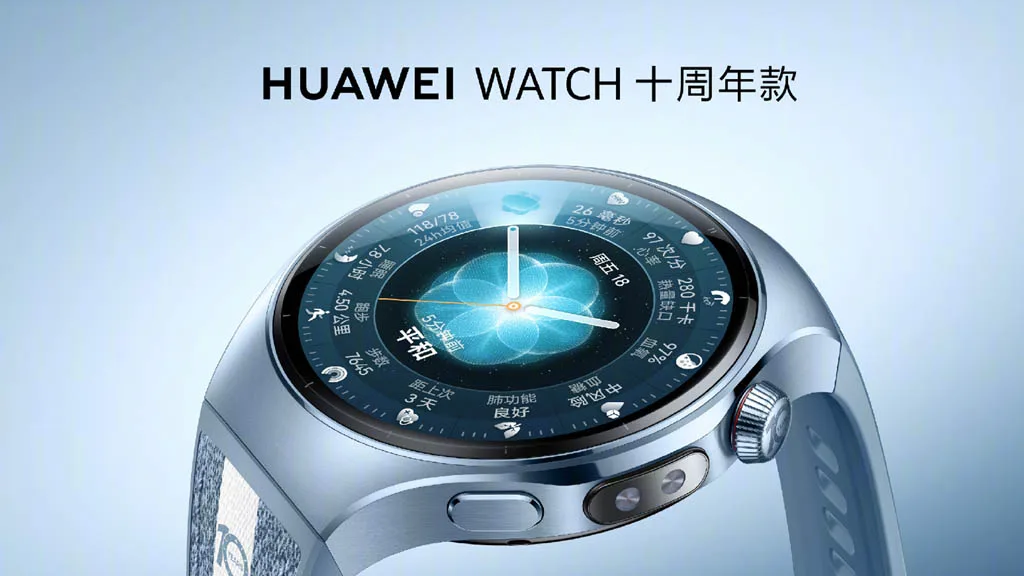
Huawei’s Watch 10th Anniversary model marks a decade of the company’s presence in the wearable market. The highlight of this edition is a redesigned health dashboard that consolidates 12 core health metrics into one interface.
Instead of fumbling with the crown or swiping through a list of apps, you just hit the X-Tap window on the watch face. It’s a small UX change that makes a big difference in how often you’ll actually check your stats. A single tap opens a circular wheel interface where health data loads instantly. Metrics include heart rate, blood oxygen saturation (SpO₂), sleep patterns, blood pressure estimates, ECG readings, activity data, and blood sugar trend insights.
Heart rate monitoring displays real-time beats per minute, while SpO₂ reflects oxygen saturation during rest or activity. Sleep tracking breaks rest into light, deep, and REM stages using a combination of motion and heart data. ECG functionality captures heart rhythm data to help detect irregular patterns, subject to regional regulatory approval.
Blood pressure and blood sugar readings are presented as estimates and trend indicators, not medical diagnoses. Huawei positions these features as tools for long-term awareness rather than replacements for clinical testing, which is an important distinction for users relying on health data daily.
The circular layout allows users to rotate through metrics without leaving the dashboard. Color-coded indicators help flag unusual readings quickly, making the interface practical for fast check-ins throughout the day. Based on early hands-on impressions shared during Huawei’s product briefings, the dashboard responds almost instantly, keeping interactions smooth and minimal.
All data syncs with the Huawei Health app, where users can view historical trends across days or weeks. This longer-term view helps identify patterns such as elevated heart rate during stress or changes in sleep quality over time.
Background on Smartwatch Health Monitoring and Huawei’s Approach
Smartwatches have evolved from step counters into full-scale health companions over the past decade. Apple and Samsung helped popularize continuous heart rate monitoring, while brands like Fitbit and Garmin focused on wellness scores and readiness metrics.
Huawei entered the smartwatch market in 2015 and built its reputation around long battery life and consistent sensor accuracy. With the 10th Anniversary model, the company focuses less on adding isolated features and more on how health data is presented.
Most smartwatches distribute health metrics across multiple apps and screens. Huawei’s approach consolidates those readings into a single dashboard, reducing friction for users who want fast insights rather than detailed analysis every time.
The watch uses Huawei’s TruSeen 5.5+ technology, combining optical heart rate sensors, accelerometers, and AI-driven algorithms to interpret physiological signals. Battery life remains a strong point, with up to 14 days of use in standard mode, even with continuous health tracking enabled.
The anniversary edition launched first in China, featuring a premium design with sapphire glass and a titanium bezel. Pricing starts at around $400, placing it in the upper mid-range of the smartwatch market. Global availability and feature access, particularly for ECG and blood pressure monitoring, depend on local regulatory approvals. Users in Pakistan and other regions should verify both pricing and feature availability through official Huawei channels.
How Emotional Wellbeing 2.0 Enhances the Health Dashboard Experience

Beyond physical metrics, Huawei integrates its updated Emotional Wellbeing 2.0 system directly into the health dashboard. It uses heart rate variability (HRV) and movement to guess if you’re calm, focused, or just plain tired. It’s effectively trying to bridge the gap between how your body feels and how your brain is actually processing the day.
According to Huawei, the system can identify up to 12 emotional states, including calm, tense, focused, tired, relaxed, and anxious. These insights appear alongside physical health data, offering a broader view of overall well-being rather than separating mental and physical health tracking.
When stress indicators rise, the watch suggests short breathing exercises or guided relaxation sessions. Signs of fatigue may trigger prompts for light movement or rest, while calmer states encourage users to maintain current activity levels. Huawei says accuracy improves over time as the system adapts to individual user patterns, based on internal testing and user profiling.
This integration highlights how emotional states often correlate with physical changes. Elevated stress can affect heart rate, blood pressure, and sleep quality, making combined visibility more useful than isolated metrics.
Users can customize alerts and notifications, controlling when and how emotional or physical prompts appear. Huawei states that health data is encrypted on-device and synced to smartphones only with user consent, addressing growing concerns around wearable data privacy.
Final Takeaway
The Huawei Watch 10th Anniversary health dashboard doesn’t attempt to reinvent health tracking, but it meaningfully improves how health data is accessed and understood. By placing physical and emotional metrics into a single, one-tap interface, Huawei reduces complexity and makes daily health check-ins more practical.
While some features rely on estimates rather than clinical measurements, the dashboard works well as an awareness and habit-building tool. For users who value quick insights over deep manual analysis, Huawei’s approach offers a balanced and thoughtful evolution of smartwatch health monitoring.
Stay Updated: Gadgets