

Table of Contents
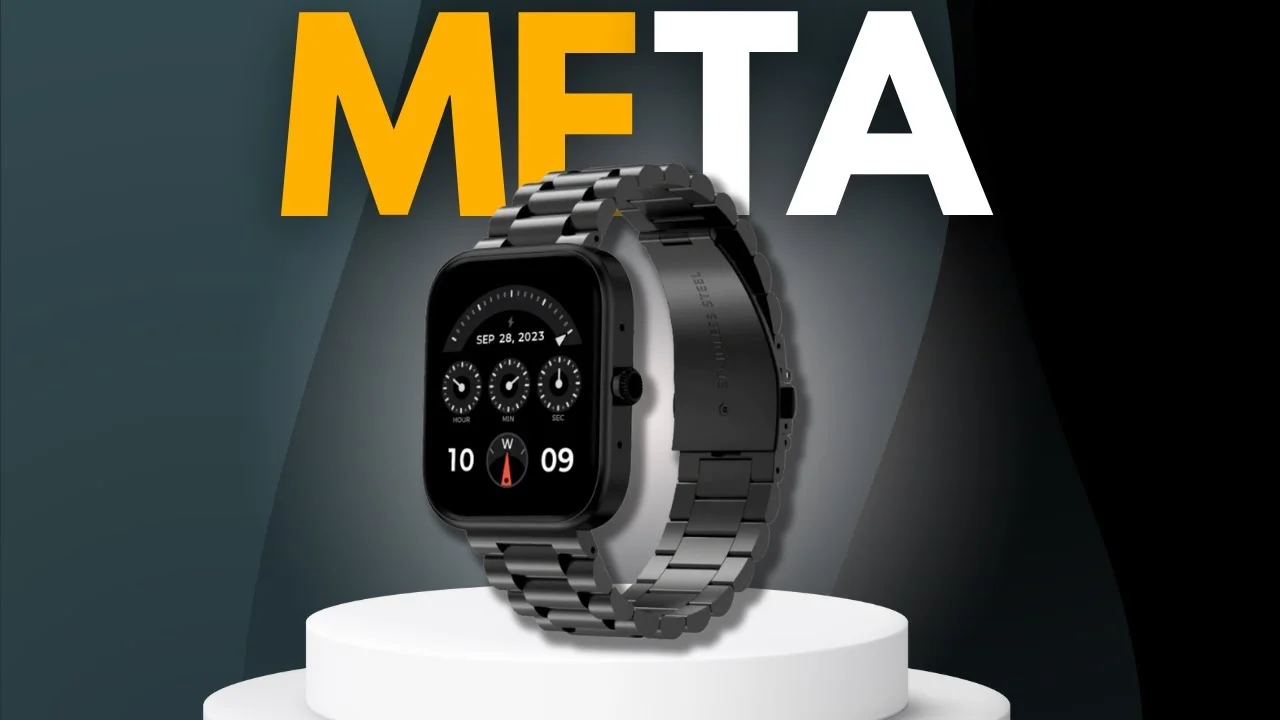
At SquaredTech.co, we view the Meta Smartwatch revival as a calculated return to a product category the company once paused. Reports indicate that Meta plans to release its first Meta Smartwatch later this year under the internal project name Malibu 2. The device will reportedly integrate Meta AI and standard health tracking features. This move marks a shift from the company’s earlier decision in 2022 to shelve its smartwatch effort. At that time, cost reductions and internal restructuring in the Reality Labs division forced leadership to narrow priorities. The return of the Meta Smartwatch suggests that Meta now sees wrist based computing as aligned with its broader wearable strategy.
Why Meta Paused and Why It Is Returning
Meta originally explored a smartwatch powered by an open source version of Android. Early reports described experimental hardware concepts, including detachable camera modules and even multi camera configurations. These ideas aimed to differentiate the device from established players such as Apple and Samsung. However, rising costs inside Reality Labs changed the equation. In early 2023, Meta cut more than 1,000 jobs in that division after heavy financial losses. During earnings calls, Mark Zuckerberg stated that the company would concentrate investment on glasses and wearable devices with clearer long term payoff.
The decision to pause the smartwatch aligned with that focus. Reality Labs already managed virtual reality headsets and smart glasses. Products such as the Meta Ray Ban smart glasses gained traction in the United States. At the same time, Meta worked on multiple augmented reality and mixed reality prototypes. Reports indicate that a next generation mixed reality headset codenamed Phoenix has been delayed until early 2027. Against this backdrop, reviving the Meta Smartwatch now signals that Meta believes it can support another hardware line without diluting resources.
Meta Smartwatch and the Broader Wearables Strategy
The Meta Smartwatch could serve as a bridge between Meta AI services and daily user habits. A smartwatch provides constant proximity to the user’s body. It can collect health metrics such as heart rate and activity data. It can deliver AI driven notifications and contextual responses. By embedding Meta AI directly into a wrist device, Meta increases the frequency of user interaction. That strategy aligns with the company’s push to integrate AI assistants across platforms.
The wearables market remains competitive. Apple dominates with the Apple Watch. Samsung maintains a strong presence in Android based smartwatches. Meta enters this segment without prior smartwatch experience, but with expertise in social platforms and AI models. The success of the Meta Ray Ban glasses shows that partnerships and hardware design can drive adoption if the product offers clear value.
In the near term, the Meta Smartwatch launch will test whether Meta can expand beyond headsets and glasses into a broader ecosystem of connected devices. If Malibu 2 ships with reliable health tracking and meaningful Meta AI features, it could strengthen Meta’s position in consumer hardware. If it struggles with differentiation or battery life, the company may face renewed scrutiny over Reality Labs spending. From our perspective at SquaredTech.co, the smartwatch comeback reflects a company that still believes wearable computing will shape its next growth cycle.
Stay Updated: Gadgets

