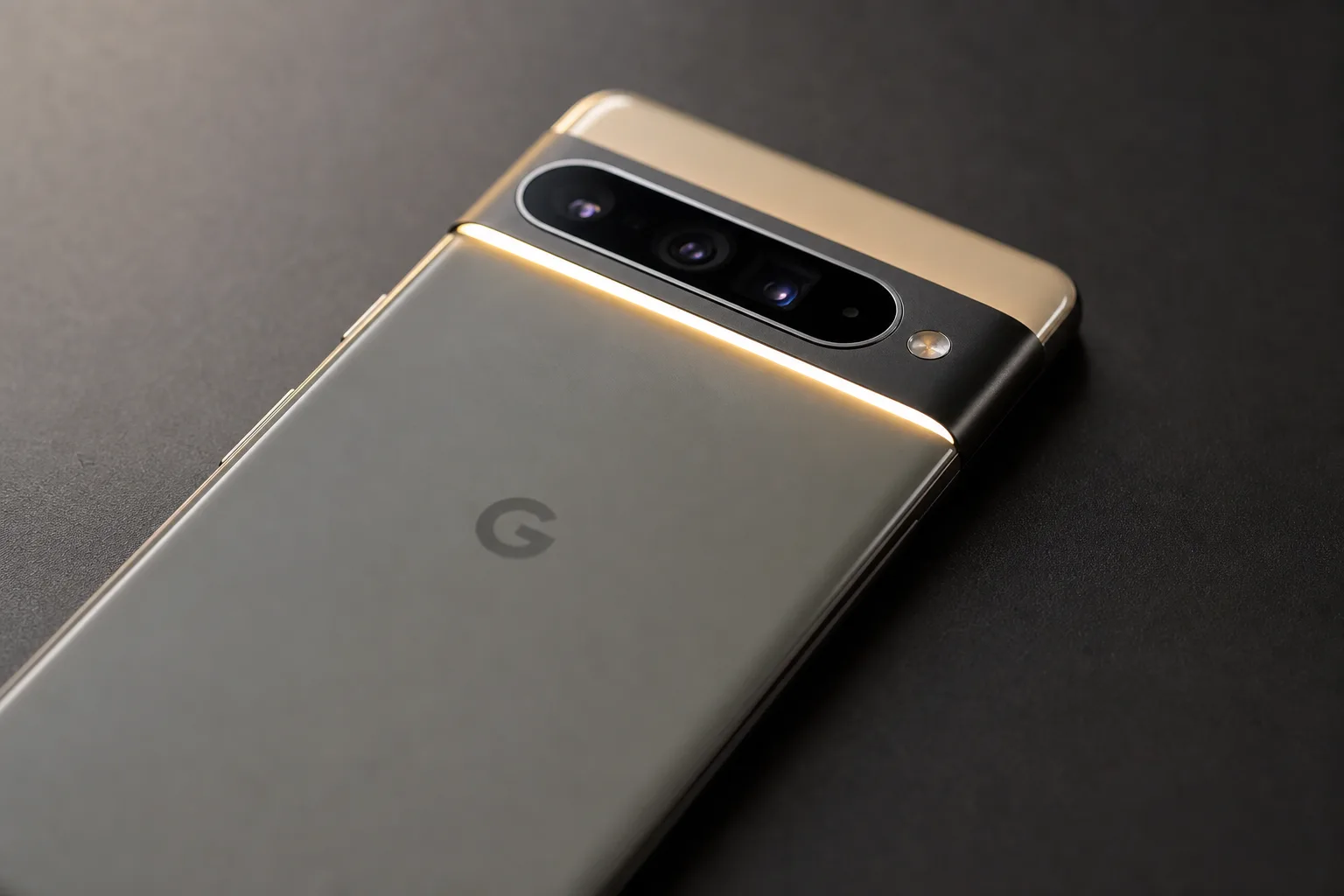
Google has announced a Made By Google event on August 12 in New York City, sending out invites that, while light on specifics, say plenty through their imagery. The teaser shows a sleek smartphone silhouette that’s immediately recognisable as a Pixel — and that’s not an accident. If the rumour mill is even half right, the Pixel 11 is shaping up to be a meaningful upgrade in some areas, a sideways step in others, and — here’s the part that’ll sting — more expensive across the board.
- The Pixel 11 launch is officially confirmed for August 12 at a Made By Google event in New York City.
- Ahead of the Pixel 11 launch, leaks suggest price increases of around 100 euros across the entire lineup in Europe.
- Google is reportedly dropping the 128GB base storage tier, moving all Pixel 11 models to a 256GB minimum.
- A new rear-facing notification light called ‘Pixel Glow’ is tipped as the most distinctive design change for the lineup.
Table of Contents
What the Invite Tells Us About the Pixel 11 Launch
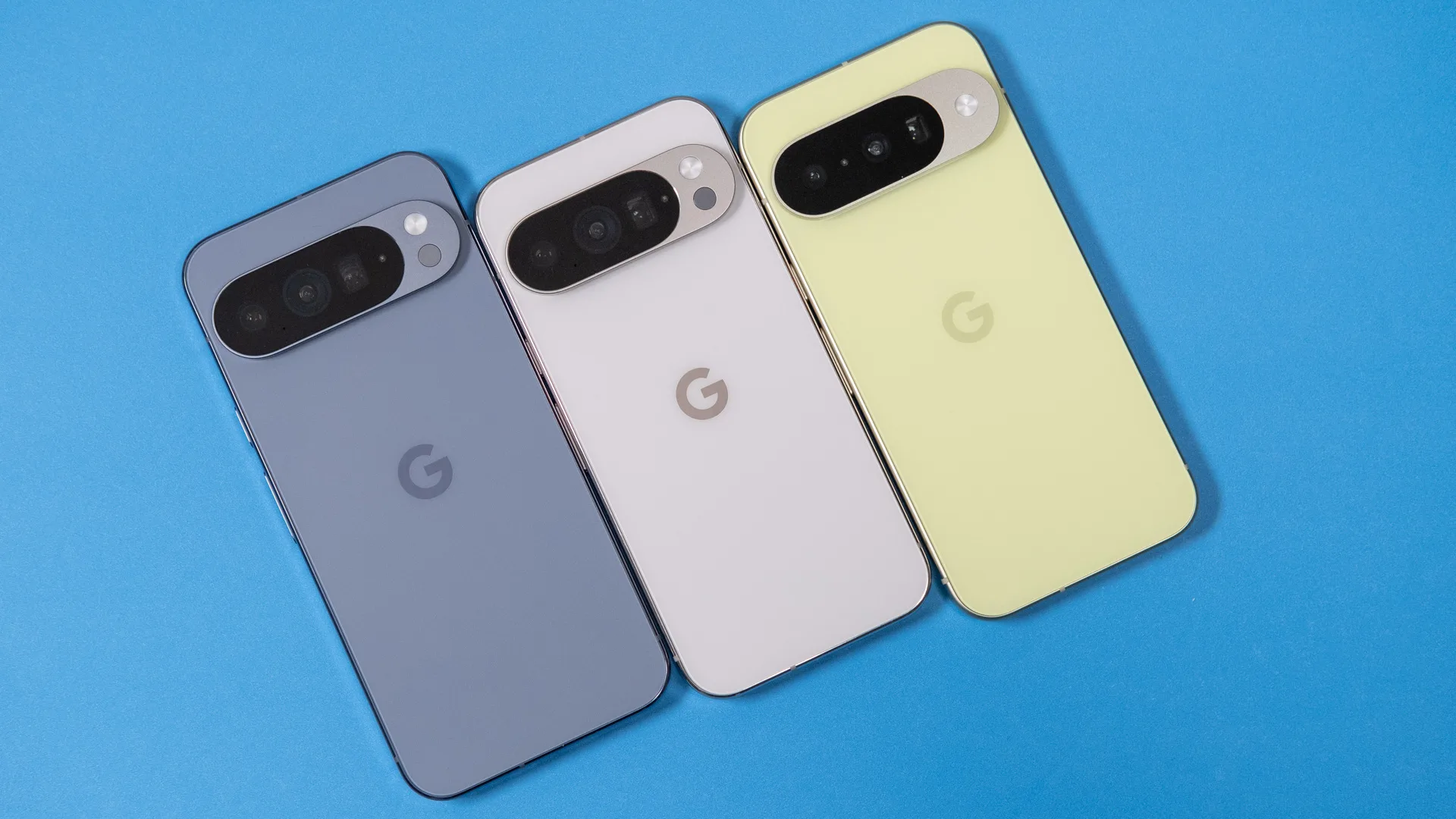
Google’s event invites have a long history of teasing more than they reveal, and this one is no different. The phone shown in the teaser art has the same clean, camera-bar aesthetic that Google has been iterating on since the Pixel 6. That’s not a knock — it’s a strong industrial design language — but anyone expecting a radical reinvention of the form factor is going to walk away from the Pixel 11 launch a little disappointed.
Early rumours support this read. The standard Pixel 11 will reportedly keep a similar footprint to its predecessor, while the Pro and Pro Fold variants might shave off a bit of thickness. Slim bezels and a refined silhouette are expected, but nothing that screams departure. In a market where Samsung’s Galaxy S25 series and Apple’s iPhone 17 line are both pushing incremental-but-polished updates, Google seems to be playing the same game.
Pixel Glow: Finally, a Feature Worth Talking About
If there’s one design element that’s generating genuine excitement ahead of the Pixel 11 launch, it’s the rumoured ‘Pixel Glow’ — a rear-facing notification and status light built into the back of the device. Think of it as a spiritual successor to the alert slider or notification LED that power users have been asking manufacturers to bring back for years.
The concept isn’t entirely new. Essential’s Phone back in 2017 played with ambient light notification ideas, and Nothing has made LED aesthetics a core part of its identity with the Phone (1) and Phone (2). But Google bringing something like this to a mainstream flagship would give it a much wider audience — and a legitimately useful one. Glancing at your phone face-down and seeing a colour-coded glow for calendar reminders, incoming calls, or charging status is the kind of thoughtful hardware detail that tends to make people glad they bought a particular phone.
Whether Pixel Glow is customisable, how granular the notification controls will be, and whether it’ll drain battery meaningfully are all open questions. But it’s the kind of differentiating feature that could give Google something to shout about at the Pixel 11 launch beyond raw specs.
Storage Gets a Long-Overdue Upgrade
Here’s a move that’s hard to argue with: Google is reportedly killing the 128GB base storage option across the Pixel 11 line. Both the Pixel 11 and Pixel 11 Pro are expected to start at 256GB — a change that sounds simple but carries real implications.
The Pixel 10 and Pixel 10 Pro both launched with 128GB as the entry point, which felt increasingly out of step with how people actually use their phones in 2025. Camera apps that shoot in RAW, video in 4K, and local AI model caching all eat through storage fast. When the average smartphone upgrade cycle has stretched to three or four years for most consumers, buying a phone with 128GB of non-expandable storage at flagship prices was starting to feel like a bad deal from day one.
Moving to 256GB as the floor is the right call ahead of the Pixel 11 launch. It’s what Apple already does with the base iPhone 16, and it’s what buyers increasingly expect at this price tier. The question is what Google charges for the privilege — and that’s where things get complicated.

Pixel 11 Launch Prices: A Straight-Up Increase
The leaked European pricing figures are where the Pixel 11 launch narrative gets harder to spin positively. According to reports, the Pixel 11 will start at 999 euros and the Pixel 11 Pro at 1,199 euros in Europe. At first glance, those numbers might look familiar — because they’re the same prices the 256GB Pixel 10 models sold for last year.
But here’s the catch: last year, you could buy the 128GB Pixel 10 for less. This time, there’s no cheaper entry point. For the standard Pixel 11 and Pixel 11 Pro, the base storage bump effectively absorbs the price difference, making it a wash. For the Pixel 11 Pro XL and Pixel 11 Pro Fold, it’s a straight 100-euro increase with no added storage justification — you’re simply paying more for the same baseline spec you got before.
Google isn’t alone in dealing with upward pressure on component costs. The broader narrative in the industry right now is that AI-driven demand for high-bandwidth memory, advanced chips, and specialised silicon is squeezing supply chains and pushing up bills of materials across the board. The chips powering the Pixel 11 Pro reportedly don’t come cheap, and Google’s own Tensor G5 development involves serious engineering investment. Those costs have to land somewhere.
Still, the timing is awkward. Consumer spending on premium hardware is under pressure in several key markets, and a price increase — however justifiable on a cost basis — risks giving fence-sitters a reason to wait, or worse, look elsewhere. Samsung managed to hold its Galaxy S25 pricing steady earlier this year, which will make the higher Pixel 11 launch prices feel more conspicuous by comparison.

What the August 12 Event Actually Needs to Deliver
The Pixel 11 launch has a job to do beyond just announcing new hardware. Google needs to convince buyers — particularly those coming off a Pixel 9 or Pixel 10 — that the upgrade is worth it at a higher price point. That means the camera system needs to be a genuine step forward, the Tensor G5’s on-device AI capabilities need to feel meaningfully better in daily use, and Pixel Glow (if it’s real) needs to be more than a party trick.
Google has been steadily building its hardware identity over the past few years, and Pixel phones have developed a loyal following largely on the strength of their camera software and clean Android experience. The AI integration — from Magic Eraser to Live Translate to the latest Call Screen features — has kept Pixel relevant in ways that pure hardware specs sometimes can’t. But loyalty only stretches so far when price tags climb.
August 12 is less than a month away, and the leaks will keep coming. What we know right now points to a Pixel 11 launch that delivers an incrementally better lineup — marginally thinner in places, more generous on storage, and meaningfully pricier. Whether that combination lands well will depend entirely on what Google shows on stage — and how convincingly it can argue the value case for a device that costs more than ever before.
Frequently Asked Questions
When is the Pixel 11 launch event?
Google has officially confirmed a Made By Google event for August 12 in New York City. The invite does not name specific products, though the imagery clearly suggests a new Pixel phone will be unveiled.
How much will the Pixel 11 cost?
Leaked European pricing puts the Pixel 11 at 999 euros and the Pixel 11 Pro at 1,199 euros — both up roughly 100 euros compared to the equivalent 256GB configurations from last year. US pricing hasn’t been confirmed yet.
What is the Pixel Glow feature on the Pixel 11?
Pixel Glow is a rumoured rear-facing notification and status light for the Pixel 11 series. It would mark a notable design shift for Google’s phones, bringing a visible hardware indicator back to the back panel.
Does the Pixel 11 come with more storage than the Pixel 10?
Yes. Google is reportedly dropping the 128GB base option entirely. The Pixel 11 and Pixel 11 Pro are expected to start at 256GB, matching what was previously a paid upgrade tier on the Pixel 10 lineup.