

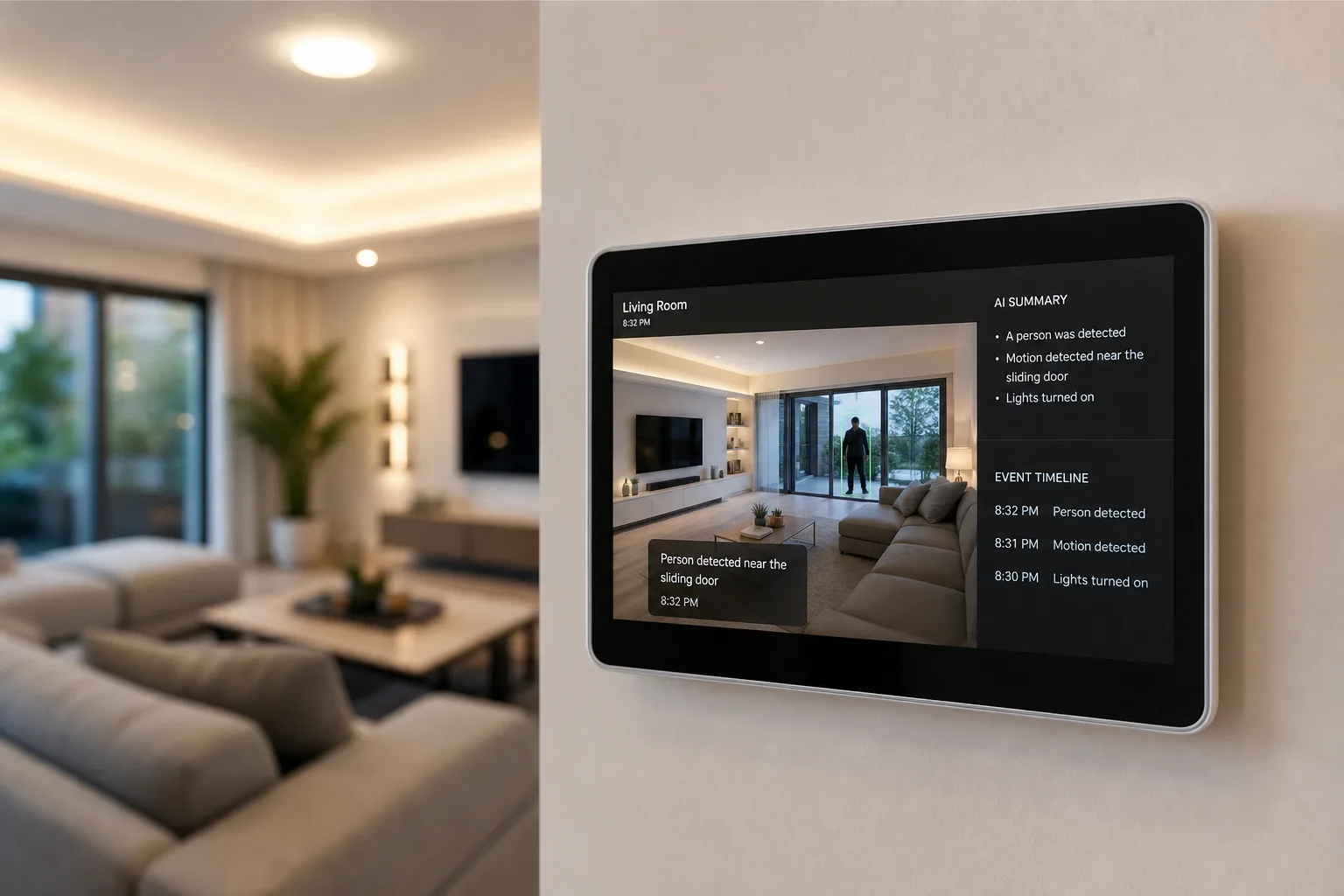
Apple has quietly answered one of the lingering questions from WWDC: exactly which iCloud+ tier you’ll need to access Apple Intelligence home features when iOS 27 ships later this year. The answer, buried in the release notes for the third macOS Golden Gate developer beta, is the 2TB plan — and that’ll cost you $9.99 a month.
- Apple Intelligence home features in iOS 27 require at minimum the $9.99/month 2TB iCloud+ subscription tier.
- Apple Intelligence home features include AI-written motion alert summaries, multi-camera activity overviews, and natural language search.
- HomeKit Secure Video storage doesn’t count against your iCloud quota, so the full 2TB stays free for photos and files.
- Apple confirmed the tier requirement in notes for the third macOS Golden Gate beta, clarifying earlier vague WWDC language.
Table of Contents
What Apple Intelligence Home Features Actually Do
The Apple Intelligence home features coming to the Home app in iOS 27, iPadOS 27, and macOS 27 Golden Gate aren’t minor tweaks. Apple is using on-device and server-side AI to do things that home security camera owners have wanted for years but had to rely on third-party apps or expensive professional monitoring services to get.
The centerpiece is AI-generated written summaries for motion alerts from HomeKit Secure Video cameras. Instead of receiving a notification that just says ‘Motion detected,’ your phone can now tell you something far more useful — like that a person approached the front door, lingered for a few seconds, and left a package. That contextual awareness is genuinely useful, and it’s the kind of feature that makes a smart home feel less like a surveillance system and more like a thoughtful assistant.
Beyond individual alerts, Apple Intelligence home features can group footage from multiple cameras into a unified activity overview. If you’ve got a camera at the front door, one covering the driveway, and another on the back gate, the system can stitch together a coherent picture of what happened during a given window — without you scrubbing through hours of individual feeds. There’s also automatic surfacing of ‘noteworthy’ recordings, which Apple appears to be using AI to identify moments worth your attention versus the endless scroll of wind-blown bushes and passing cats.
Perhaps the most practically useful addition is natural language search. You can type or speak a query — ‘show me anyone who came to the door on Tuesday afternoon’ — and the system will pull the relevant clips. It’s the kind of interaction that Google and Amazon have been pushing toward with their own camera ecosystems, and it signals that Apple is serious about making HomeKit competitive in the smart home security space.
Apple Intelligence Home Features and the 2TB iCloud+ Paywall
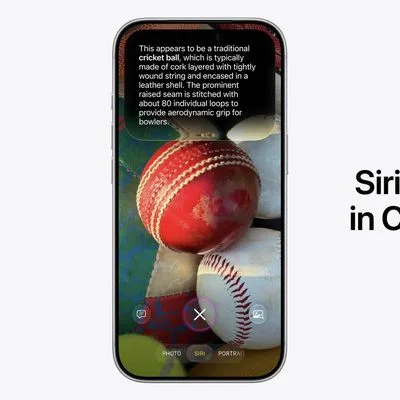
Here’s where things get a little complicated. Apple confirmed at WWDC that some Apple Intelligence features would require a paid iCloud+ subscription, but the company deliberately left the specific tier unspecified at the time. That vagueness frustrated developers and consumers trying to plan ahead. The third macOS Golden Gate beta release notes cleared it up: Apple Intelligence home features need the 2TB iCloud+ plan, minimum.
At $9.99 per month, the 2TB tier is the third step up on Apple’s iCloud+ ladder. For context, the 50GB plan supports a single HomeKit Secure Video camera. The 200GB plan bumps that to up to five cameras. The 2TB tier removes the camera limit entirely — you can add as many HomeKit Secure Video cameras as you want — and now it adds the full Apple Intelligence feature set on top of that.
That’s a meaningful jump for people who only need a camera or two. A user currently on the 200GB plan who wants Apple Intelligence home features will face a more than triple monthly cost increase to get there. Apple is clearly betting that the AI-powered experience is worth the upgrade, but some users will reasonably push back on that framing — especially when competing platforms like Google Home and Amazon Ring offer AI-summarised alerts as part of their existing subscription tiers without requiring a storage upgrade.
How HomeKit Secure Video Storage Works With iCloud+
One piece of context that Apple doesn’t always communicate clearly enough: HomeKit Secure Video footage does not count against your iCloud storage quota. That’s worth repeating. If you’re on the 2TB iCloud+ plan and you have five HomeKit cameras recording continuously, none of that footage eats into the 2TB you’d use for photos, device backups, or documents. Apple keeps that storage ring-fenced and separate.
This is actually a more generous arrangement than it first appears. The 2TB plan isn’t really just 2TB of camera storage — it’s 2TB of personal cloud storage plus unlimited HomeKit camera storage plus now, with iOS 27, the full Apple Intelligence home feature set. When you look at it that way, the $9.99 price point is less egregious than the raw tier-jump might suggest.
Still, the structure raises a question Apple hasn’t fully addressed: why tie an AI feature to a storage tier at all? The Apple Intelligence home features presumably require compute, not storage. The most likely explanation is that Apple is using the iCloud+ subscription tiers as a proxy for its ‘serious user’ customer base — the people most likely to have multiple cameras, care about the AI summaries, and tolerate a higher monthly outlay. It also gives Apple a clean, existing infrastructure to gate features against rather than building out an entirely new subscription layer.
What This Means for the Broader Apple Intelligence Rollout
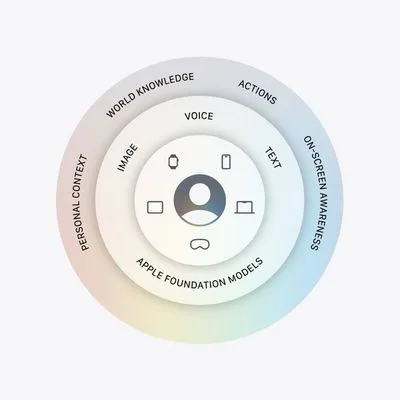
The Home app additions are part of a much wider Apple Intelligence push across iOS 27. Apple has been threading AI capabilities into nearly every first-party app — from smarter Siri responses to AI-assisted writing tools in Mail and Notes. But the Home app situation is instructive because it’s one of the clearest examples of Apple monetising Apple Intelligence directly rather than bundling it invisibly into the OS.
That approach has trade-offs. On one hand, it gives Apple a sustainable model for the significant server-side compute that some of these features require. On the other, it creates a fragmented experience where two people with the same iPhone 16 Pro get meaningfully different functionality based on their iCloud plan. For a company that prides itself on tight hardware-software integration, that’s an unusual position to be in.
It’s also worth watching how this plays out competitively. Amazon’s Ring and Google’s Nest Cam ecosystems have been steadily improving their AI features, and both companies have massive cloud infrastructure advantages. Apple’s edge has always been privacy — HomeKit Secure Video processes footage on-device before sending an encrypted stream to iCloud — but that advantage only matters if the AI layer on top is genuinely better than what competitors offer. iOS 27 is still in beta, so the real test comes when the public gets their hands on it this autumn. If the summaries are accurate and the natural language search actually works reliably, $9.99 a month will feel like a fair trade. If they’re clunky or inconsistent, Apple will have a harder time justifying the paywall.

