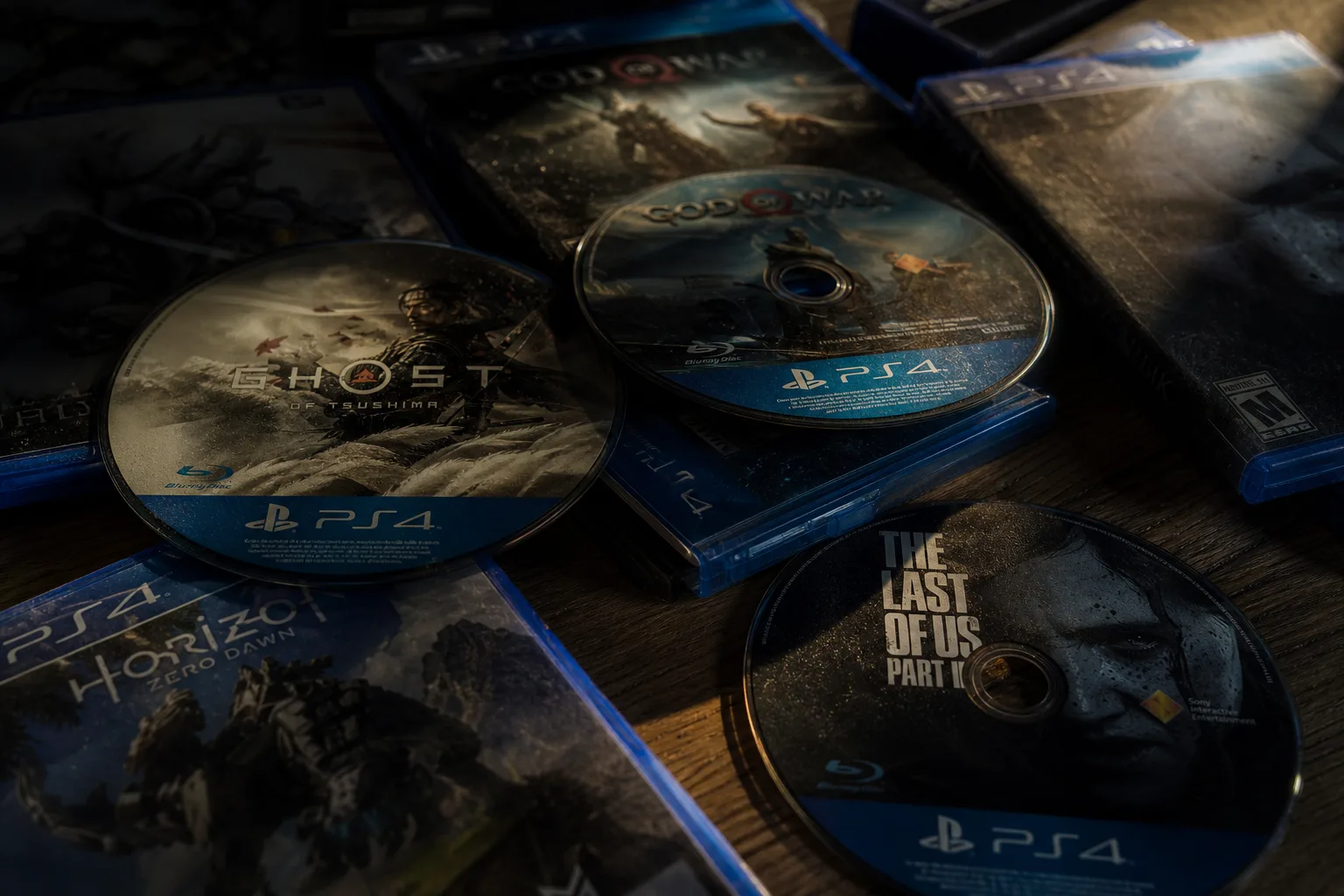
Sony dropped two announcements this week that, taken together, paint a pretty bleak picture for anyone who cares about gaming history. First: starting in January 2028, the company will stop manufacturing physical PlayStation discs entirely, making all new PS5 games digital-only. Second — and this is the part that really twists the knife — Sony is winding down the digital storefronts for both the PS3 and the PS Vita. The timing is almost instructive. It’s a live demonstration of exactly why the video game preservation crisis is about to get dramatically worse.
- Sony will stop producing physical PlayStation discs in January 2028, making video game preservation significantly harder.
- The video game preservation crisis is already severe — 87% of classic games released before 2010 are critically endangered.
- Sony is simultaneously winding down the PS3 and PS Vita digital stores, erasing titles that exist nowhere else.
- When digital storefronts close, legally purchasing those games becomes impossible, compounding long-term preservation failures.
Table of Contents
What Sony Actually Announced
The disc phase-out is the headline, but let’s be clear about what it means in practice. From January 2028 onwards, if you want a new PS5 game, you’re buying it through Sony’s digital storefront — full stop. There’s no disc to rip, lend, resell, or hand to a friend. Your library lives on Sony’s servers, accessible only on Sony’s terms, for as long as Sony decides to keep the lights on. For anyone focused on video game preservation, this shift removes one of the last practical safeguards.
Meanwhile, Sony is simultaneously pulling the plug on the PS3 and PS Vita stores. Players who already own titles on those platforms can — for now — still re-download their purchases. But anyone who doesn’t already own those games? They’re locked out. And a significant number of titles on those platforms exist nowhere else.
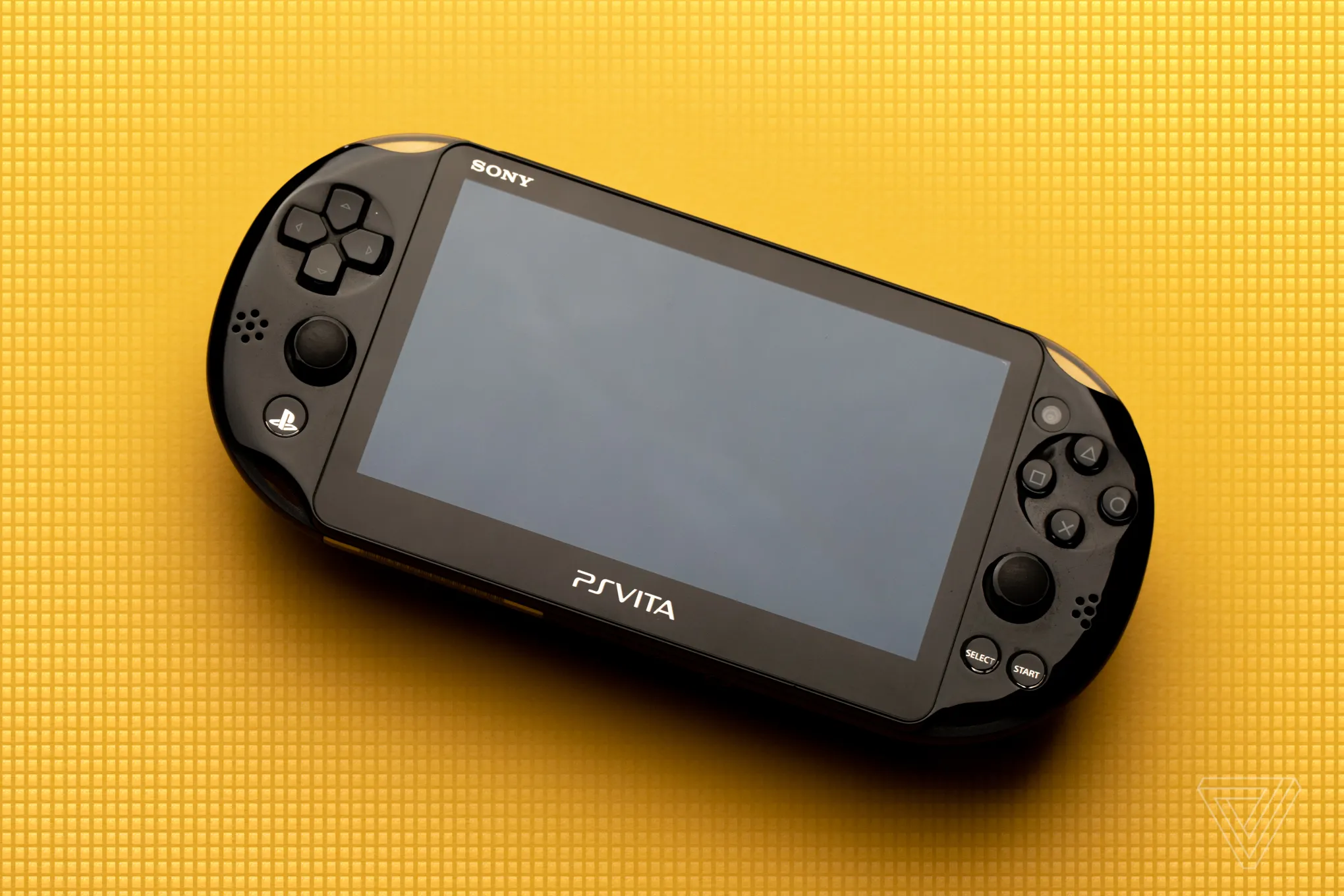
It’s worth stepping back to appreciate the bitter irony here. Sony is announcing a digital-only future for new games at the exact same moment it’s demonstrating what happens to digital-only games when the store closes. The company has inadvertently provided its own case study for why video game preservation is such a fragile and urgent problem.
The Video Game Preservation Crisis Is Already Severe
The video game preservation crisis didn’t start this week. It’s been building for years, and the numbers are genuinely alarming. In 2023, the Video Game History Foundation published a report claiming that 87 percent of classic games — anything released before 2010 — are “critically endangered.” That means they’re unavailable through any legitimate commercial channel. Not on a modern storefront, not bundled into a subscription service, not re-released in a collection. Gone, or effectively gone.
The Foundation chose 2010 as its cutoff deliberately. That’s roughly when digital storefronts became the dominant distribution channel, and the researchers saw clearly what was coming: “Our experiences gathering data for this study suggest that these problems will intensify over time due to a low diversity of reissue sources and the long-term volatility of digital game storefronts.”
That was written before Sony announced it was going all-digital for new releases. The video game preservation problem they were describing has just gotten substantially larger.

Digital Storefronts Have Always Had an Expiry Date
Sony isn’t the first platform holder to shutter a store and leave players stranded. In 2023, Nintendo closed the digital storefronts for both the Wii U and the Nintendo 3DS. The Wii U store closure was widely expected — that console was a commercial disaster — but the 3DS shutdown stung harder. The 3DS had a genuinely beloved library, and a not-insignificant portion of it never made it to any other platform. Each closure like this represents a concrete video game preservation failure that cannot be undone.
Want to play BoxBoy right now, legally? Good luck. Buy a 3DS today and you have no way to download it. The game exists on hardware you can still find on eBay, but the official channel to access it is gone. That’s not an edge case — it’s a preview of the future that Sony is now committing to at scale.
For platforms like the Wii U and PS Vita, the digital-exclusive catalogue was relatively small, which meant the preservation loss, while real, was manageable. But the dynamics are completely different when you’re talking about the PS5 — a mainstream console with tens of millions of users and a library that will eventually include one of the biggest entertainment releases of all time.
GTA VI Makes This Impossible to Ignore
Rockstar Games announced last week that when Grand Theft Auto VI hits retail shelves in November, physical copies will contain no disc at all — just a code in a box. GTA VI is almost certainly going to be one of the best-selling entertainment products in history. And it will exist, in terms of a playable copy, only as long as the relevant storefronts stay operational.
This is the moment where the video game preservation crisis stops being a niche concern for archivists and starts being a mainstream problem. When GTA VI eventually becomes impossible to purchase legally — because storefronts close, because licensing deals expire, because companies get acquired — that’s not some obscure digital-only curiosity disappearing. That’s one of the defining cultural artefacts of its era becoming inaccessible.
Compare that to, say, the original Grand Theft Auto III from 2001. You can still find physical copies. You can still install them. You don’t need Rockstar’s permission or servers to play a game you legally own. Video game preservation was, in that era, largely self-sustaining — the medium itself made archiving possible.

What’s Being Done — and Why It’s Not Enough
There are genuine efforts to address the video game preservation problem, and they deserve acknowledgement. Xbox has made backward compatibility a genuine priority, letting players carry digital libraries across console generations with reasonable reliability. On PC, GOG has built an entire business model around selling DRM-free games that remain playable on modern hardware regardless of what happens to the storefront. These are meaningful steps.
But they share a critical weakness: they depend entirely on the goodwill and commercial viability of the companies running them. The moment Microsoft decides backward compatibility is no longer worth the engineering investment, or GOG’s parent company CD Projekt faces financial pressure, those preservation promises evaporate. Platform holders aren’t libraries. They’re businesses, and businesses make decisions based on economics.
Mobile gaming makes the video game preservation problem even starker. It’s one of the largest segments of the games industry by revenue, and its preservation record is essentially nonexistent outside of volunteer fan projects. Games that were played by hundreds of millions of people have already vanished with essentially no trace.
The comparison to streaming is apt here too. Film and television are going through their own version of this reckoning — titles licensed for streaming disappear when contracts expire, and if a physical version was never released, that work can become genuinely difficult to access. The entertainment industry broadly is discovering that digital convenience and long-term access are not the same thing.
Physical Media Wasn’t Perfect, But It Gave Players Control
Discs and cartridges have real downsides for video game preservation. Optical discs degrade. Cartridges rely on battery-backed save chips that eventually fail. Proprietary hardware formats become obsolete. None of this is trivial, and anyone who argues physical media is a perfect solution to the preservation problem is being naive.
But physical media has one enormous advantage that no digital storefront can match: it puts a copy of the thing in your hands. You own it independently of any company’s decision to keep a server running. Collectors, archivists, and libraries can hold, catalogue, and share physical media without needing permission from the original publisher. That’s not a minor footnote — it’s the entire foundation of how we’ve preserved cultural artefacts for centuries.
When Sony stops making discs in 2028, it doesn’t just remove a format option for consumers. It removes the last physical anchor for PlayStation video game preservation. Every PS5 title released from that point forward will exist, as a playable artefact, only at Sony’s discretion.
The 80 percent digital sales figure Sony cited in its most recent financial results shows clearly which way the market has moved — publishers and platform holders are following consumer behaviour here, not dragging players against their will. But consumer preference for convenience in the short term and the long-term health of gaming history are two different things, and the industry has never been good at treating them that way. In 2028, that tension is going to become impossible to ignore.
Frequently Asked Questions
Why does video game preservation matter when discs stop in 2028?
Once Sony shuts the PS5 digital storefront — whenever that happens — every game sold exclusively through it becomes legally inaccessible. Physical discs give collectors and archivists an independent copy that doesn’t depend on a company keeping its servers running indefinitely.
What percentage of classic games are already lost or inaccessible?
According to a 2023 report by the Video Game History Foundation, 87 percent of classic games — defined as titles released before 2010 — are critically endangered. The report does not specify that this means they are unavailable through any legitimate commercial channel, only that they are critically endangered.
Which PlayStation digital stores are closing soon?
Sony has announced it will wind down the digital storefronts for both the PS3 and the PS Vita. Games exclusive to those platforms will become impossible to purchase legally once the stores close, even if existing owners can still download titles they already bought.
Is video game preservation only a Sony problem?
No. Nintendo shut down the Wii U and 3DS storefronts, making digitally exclusive titles like BoxBoy impossible to buy legally. On PC, GOG has a dedicated programme for keeping older games playable, but mobile games are largely left to fan-run archiving efforts.