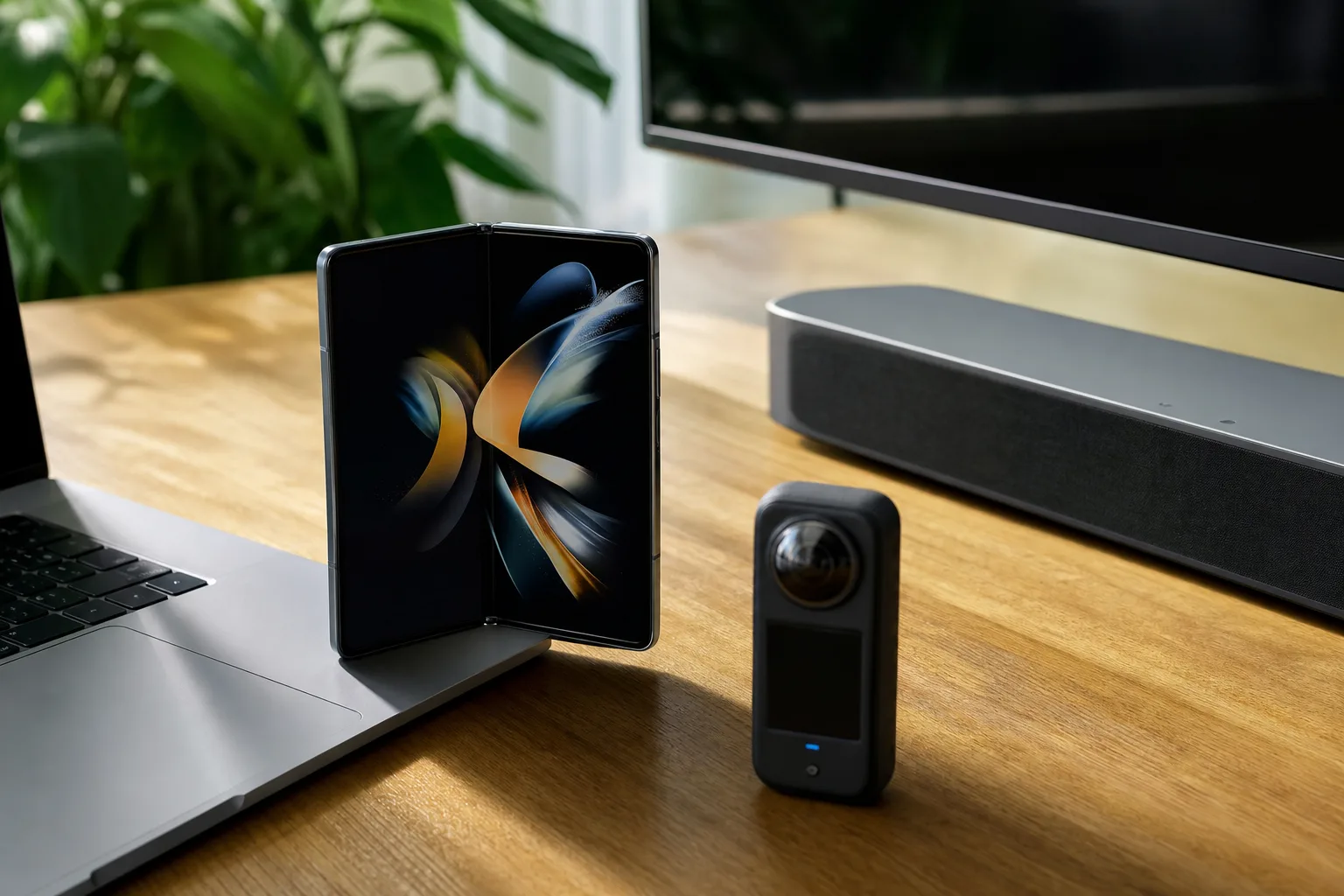
- Samsung Z Fold 8 shows how a premium label can create expectations that hardware alone cannot satisfy.
- The Samsung Z Fold 8 review points to a familiar foldable problem: buyers want the best design and best performance together.
- Dell’s 8GB XPS 13 configuration looks increasingly hard to justify as modern operating systems and browser workloads demand more memory.
- Samsung’s QS90H soundbar stands out by delivering credible bass without forcing buyers to accommodate a separate subwoofer.
Table of Contents
Samsung Z Fold 8 and the problem with calling everything Ultra
There’s a particular kind of disappointment reserved for expensive gadgets that are perfectly good, yet visibly stop short of greatness. The Samsung Z Fold 8 seems to land in that uncomfortable territory. Samsung’s newest premium foldable has the hardware credentials one expects from the company, but its identity appears muddled by the very word attached to its name: Ultra.
Senior reviewer Sam Rutherford’s assessment was pointed. His issue, he wrote, was less about a fatal defect in the phone than the nagging sense of what Samsung could have built. Put plainly, the stronger recipe would have combined the Z Fold 8’s design with the higher performance associated with its Ultra sibling. That’s not a minor gripe. At this end of the market, buyers aren’t shopping for acceptable compromises; they’re paying to avoid them.
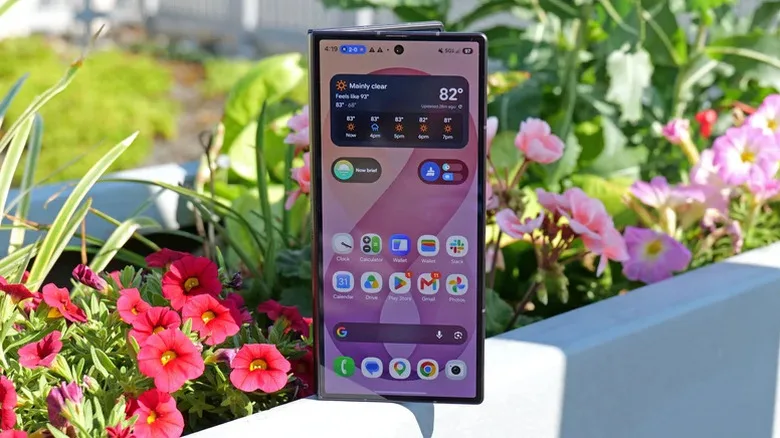
The Samsung Z Fold 8 also arrives at a moment when foldables have lost their novelty shield. A few years ago, a large screen that folded into a pocket was enough to make people forgive thickness, middling cameras or odd software behavior. Those days are gone. Google, Honor, OnePlus and Xiaomi have all helped raise the bar, while Apple’s long-rumored entry into the category hangs over the market like a storm cloud. Samsung can’t simply win by being first anymore.
That makes the Ultra branding a self-inflicted pressure point. Think of it like ordering the top trim of a car, only to learn the nicer suspension is bundled with a different model. The phone may still be excellent in daily use, but buyers will notice the gap every time they compare specifications. For the Samsung Z Fold 8, that gap is especially conspicuous. My read is that Samsung needs a cleaner foldable strategy: one mainstream book-style model, and one no-compromise flagship. Consumers understand that hierarchy immediately.
Samsung has made much of its foldable ambition in previous product generations, and its official Galaxy Z Fold lineup makes clear that big-screen multitasking remains central to the pitch. But a premium foldable lives or dies on cohesion. Performance, battery life, cameras, ergonomics and software can’t feel as if they were negotiated by separate teams.
A review roundup with a blunt lesson for laptop buyers
The laptop reviews offer a less glamorous but arguably more useful warning: don’t buy an 8GB laptop in 2026 unless the price is truly absurdly low. Dell’s refreshed XPS 13 reportedly arrived quickly after Apple introduced the MacBook Neo, but its base memory configuration makes it hard to recommend for anyone expecting a long service life.
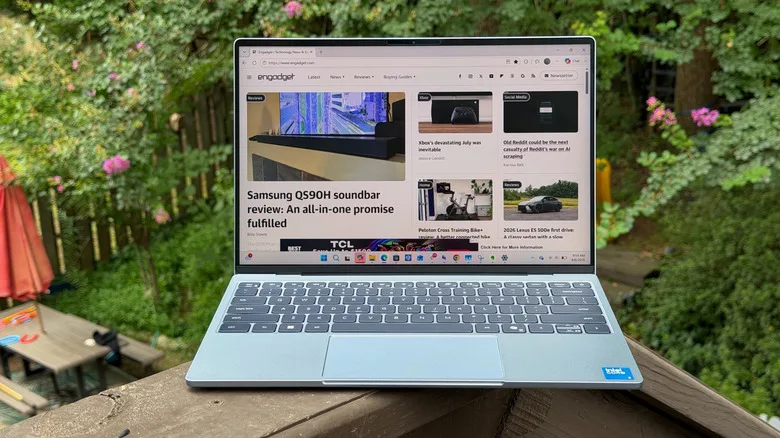
Devindra Hardawar’s advice is refreshingly direct: spend for 16GB if you can. He argued that the upgraded XPS 13 should serve buyers well, while committing to the 8GB version risks “years of pain.” That may sound dramatic, but open a video call, a few work apps and 25 browser tabs—yes, we all do it—and modern computers can burn through memory with alarming speed.
Dell is caught in a difficult position. The XPS name still carries a premium aura, built on years of sleek industrial design and genuinely attractive displays. But Apple has turned entry-level laptop pricing into a much sharper competitive knife. If the MacBook Neo establishes a credible budget floor, Windows manufacturers can’t rely on a fancy chassis while cutting too deeply on core specifications.
The Samsung Z Fold 8 and the XPS 13 are very different products, yet they share the same commercial lesson. A buyer considering the Samsung Z Fold 8 is likely to notice the same kind of compromise that makes an 8GB XPS 13 difficult to defend. Shoppers are increasingly aware of the trade-offs hidden inside premium branding. They know when storage is skimpy, when memory is dated or when a supposedly ultimate phone lacks the part that makes it feel ultimate.
The Samsung QS90H does what most soundbars promise
Soundbar companies have spent years insisting that a single slim bar can replace a proper multi-box home theater setup. Usually, that claim needs an asterisk the size of a subwoofer. Samsung’s QS90H may be one of the exceptions. Its internal woofers reportedly deliver substantial low-end presence across films, television and music without requiring a separate bass unit.
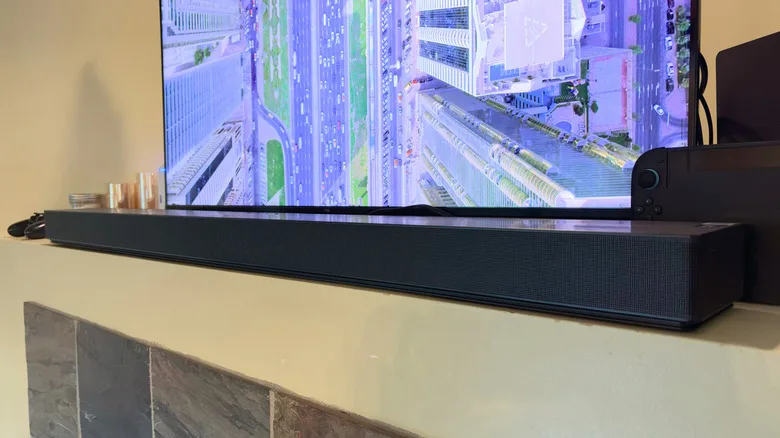
That matters more than spec-sheet theater. A standalone subwoofer can be great, but it can also be a domestic nuisance: another power cable, another object to place, another source of neighbor-annoying rumble. The QS90H’s appeal is that it reduces the friction of improving television audio. If these results hold up in more living rooms, Samsung has made a persuasive case for people who want fuller sound without rearranging their furniture.
The other hook is Samsung’s Convertible Fit technology, which is designed to make placement more flexible. That’s an unusually practical feature in a category obsessed with virtual surround labels. The QS90H is expensive, and it should be judged accordingly, but a soundbar that handles bass competently on its own is offering a real benefit rather than a marketing flourish.
Insta360 and Lenovo make more focused bets
Insta360’s X6 is taking the sensible route: improving a formula that enthusiasts already understand. After a summer spent competing with DJI’s gimbal cameras, Insta360 has returned to its 360-degree camera roots with a model positioned as a meaningful upgrade, particularly for X4 owners and anyone with an older device.
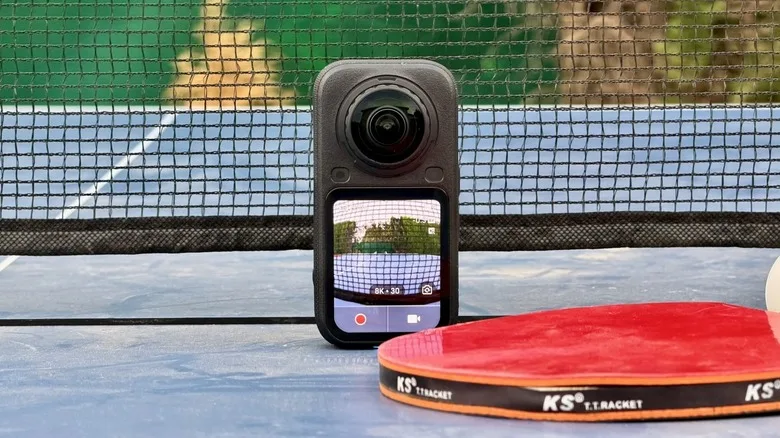
Contributor James Trew characterized the X6 as a solid update for existing Insta360 fans. That’s probably the right framing. Action cameras are mature devices now. The winning upgrades tend to be better image processing, simpler editing and fewer ways to ruin a clip before you get home—not wild new modes nobody asked for. A 360 camera remains a niche purchase, but it’s a deeply useful niche for cyclists, skiers, travelers and creators who want to choose the frame after recording.
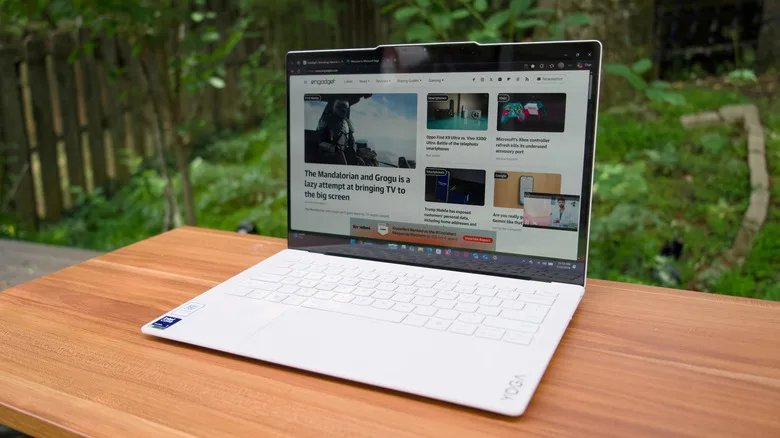
Lenovo’s Yoga Slim 7i Ultra Aura Edition takes a different route, aiming for a light, stylish Windows machine outside the company’s familiar ThinkPad shadow. Hardawar’s view is that Lenovo has progressed considerably over the past decade, though this particular laptop’s price places it beyond the reach of many people who simply want a portable everyday computer.
This Samsung Z Fold 8-led roundup keeps circling back to the same point: good hardware is abundant, but value is suddenly much harder to fake. The X6 needs to justify an upgrade. The Yoga needs to justify its premium. The QS90H needs to justify saving buyers from a subwoofer. And the Samsung Z Fold 8 needs to justify the promise embedded in its own name. In 2026, that may be the tougher engineering challenge.
Frequently Asked Questions
Is the Samsung Z Fold 8 worth buying over other foldables?
The Samsung Z Fold 8 appears to be a capable foldable, but the central criticism is about product positioning rather than basic quality. Buyers should compare its performance and design against Samsung’s other foldable options, especially if they expect an Ultra model to combine every top-tier feature.
Should I buy an 8GB Dell XPS 13 in 2026?
The review does not recommend committing to an 8GB Dell XPS 13 for years of use. It suggests that the 16GB model will likely serve buyers well.
Can a soundbar really replace a subwoofer?
Samsung’s QS90H is notable because its internal woofers deliver excellent low-end tone across multiple content types without requiring a separate subwoofer.