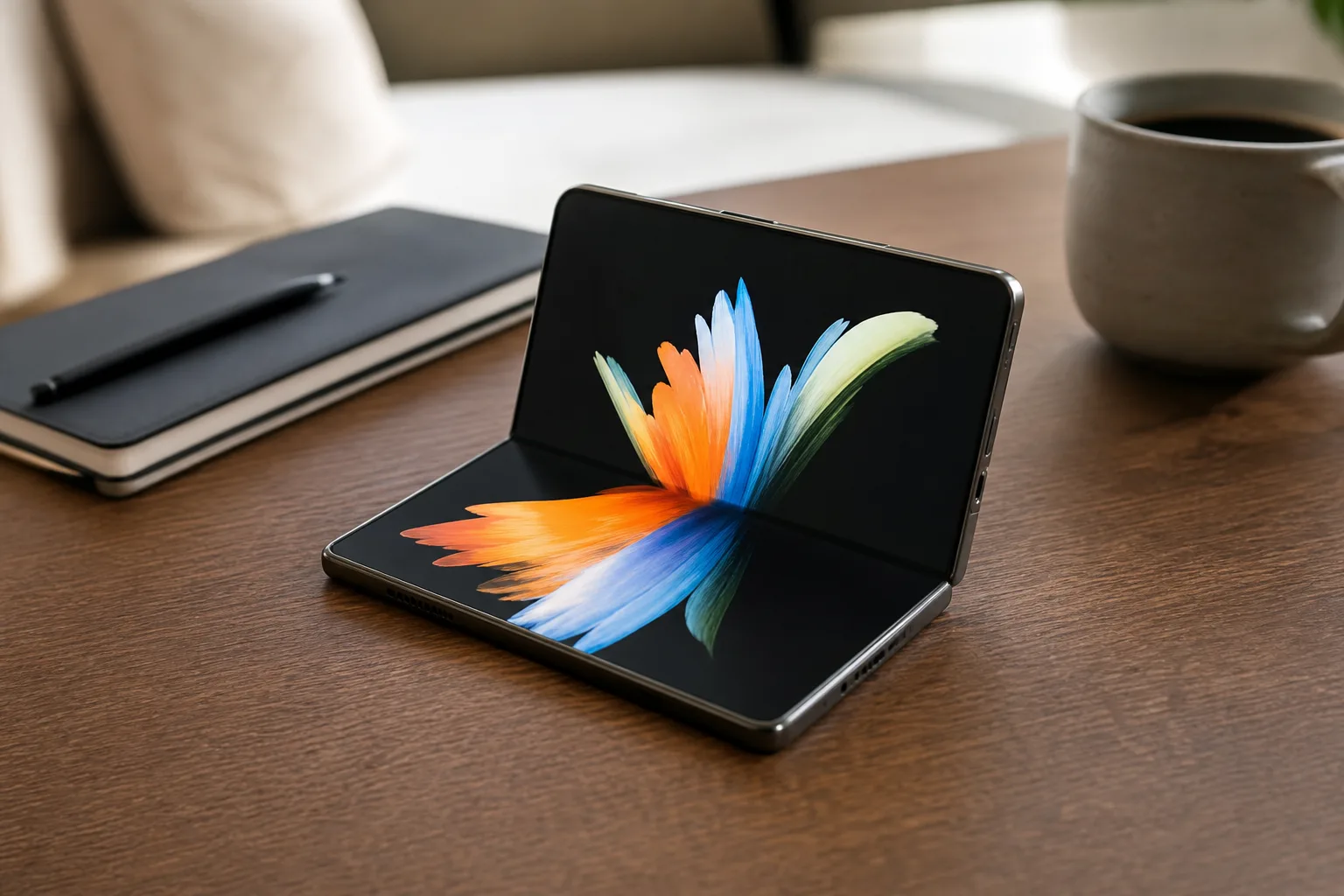
- The Pixel 11 Pro Fold reaches a more competitive 10.1mm folded thickness, though Samsung still leads the hardware race.
- Google’s Pixel 11 Pro Fold has software, Qi2 and durability claims on its side at a steep $1,899 starting price.
- Samsung and Motorola have turned the US foldable market into a real contest after years of limited choices.
- Apple’s expected entry could pressure every established foldable maker to improve reliability, apps and pricing.
Table of Contents
The Pixel 11 Pro Fold arrives after the easy part
The Pixel 11 Pro Fold has a much harder job than Google’s previous large foldable. For years, buying a book-style folding phone in the US meant making peace with Samsung’s compromises or importing something that might not fully cooperate with American carriers. That era is over. Google is now asking $1,899 for a phone entering a category with several genuinely persuasive options.
That is bad news for Google’s ranking on a spec sheet. It is very good news for anyone shopping for a foldable.
Google’s new device is a refinement rather than the clean-sheet rethink some fans wanted. The company has added its Tensor G6 processor, adjusted the rear camera island and cut the folded thickness to 10.1mm. Those sound like ordinary annual changes, but thickness matters disproportionately on a foldable. A millimeter can be the difference between something that feels like a thick wallet in a pocket and something you stop noticing after lunch.
The original Pixel Fold, released in 2023, had charm and an unusually wide outer display, but it also carried the feeling of an ambitious first attempt. The Pixel 9 Pro Fold corrected course with a more conventional, more polished design at precisely the point Samsung’s Fold line was starting to look overly familiar. Last year’s model did not carry that same sense of momentum. The Pixel 11 Pro Fold is Google trying to restore it without throwing away a design language that has finally become recognizable.
My read: it succeeds at making Google’s foldable less awkward, not at making it the undisputed hardware leader. Those are different achievements, and the distinction matters.
Pixel 11 Pro Fold hardware is finally close enough
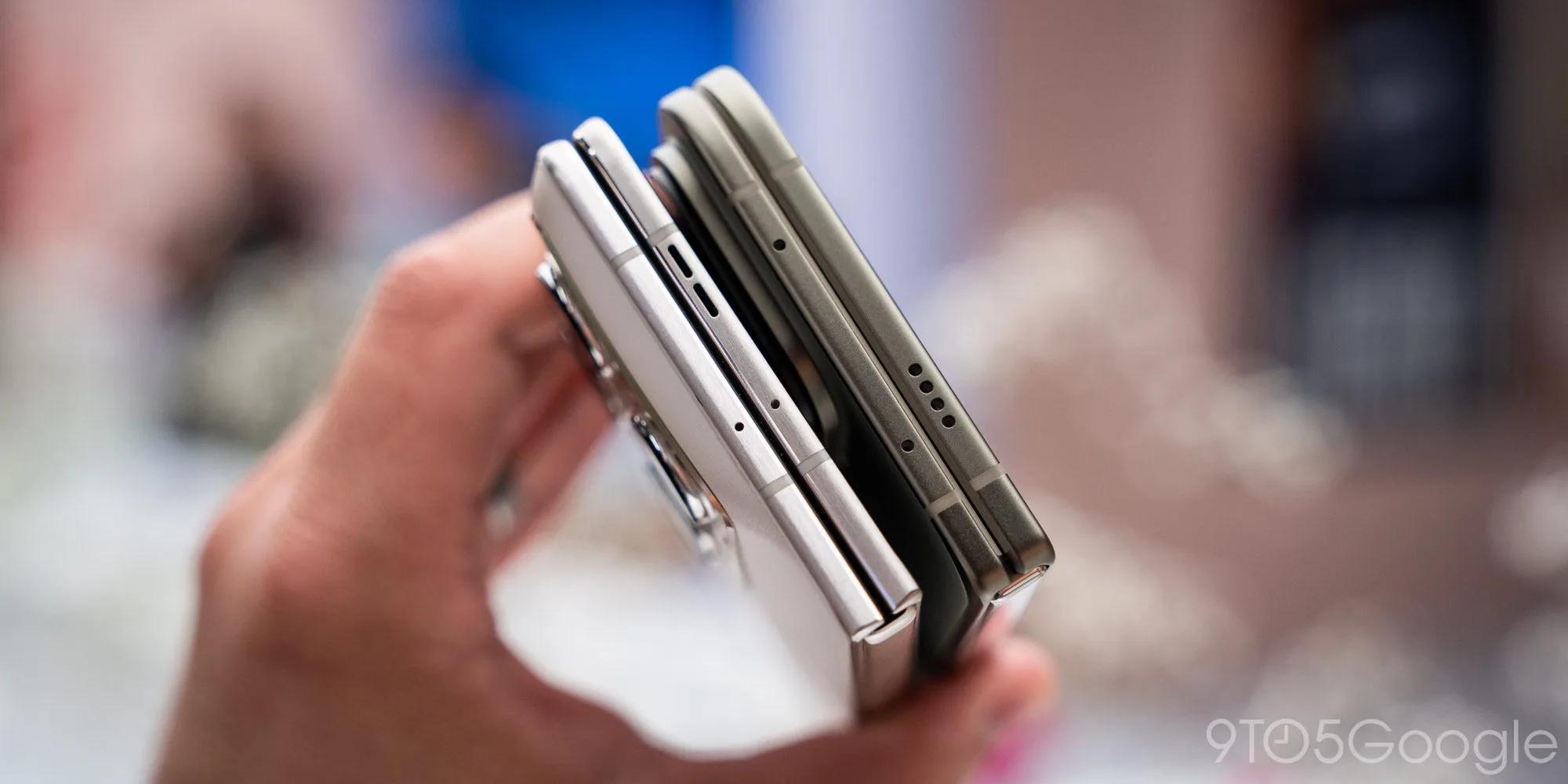
Put the Pixel 11 Pro Fold beside a recent Samsung Fold and Google no longer looks stranded in a previous product cycle. Samsung remains thinner, and its fit and finish still has that composed, expensive feel the company has learned through years of iteration. Motorola’s Razr Fold also makes a strong impression with its slim appearance, big battery and capable camera hardware.
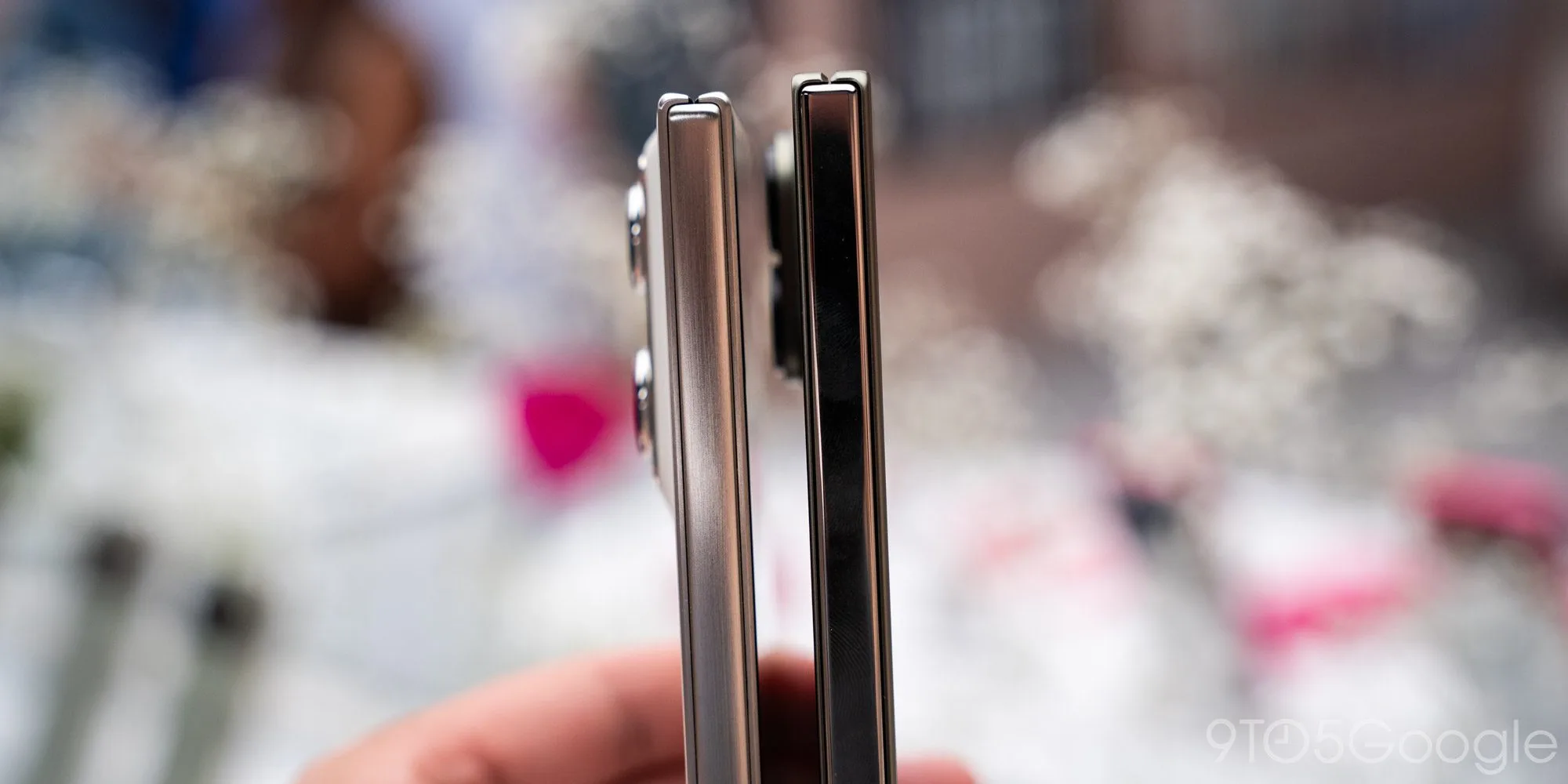
But Google is now close enough that this stops being a deal-breaker. The Pixel’s 10.1mm closed profile is roughly in Motorola territory, even if Motorola’s handset may look thinner at a glance. It is also reportedly marginally lighter than the Razr Fold. The numbers do not tell you how a phone feels in a pocket, but anyone who has lived with an early Fold knows how quickly a few grams and a millimeter become annoyances.
Samsung’s Galaxy Z Fold 8 and Fold 8 Ultra still appear to beat the Pixel 11 Pro Fold on the basics that hardware obsessives track: physical thinness, overall polish and battery capacity. Frankly, Google has not beaten Samsung at Samsung’s own sport. It has prevented the comparison from becoming embarrassing.
That is progress, and it should change how prospective buyers evaluate the phone. Instead of asking whether Google’s hardware is acceptable, they can ask which set of compromises they prefer. At this point, that is the useful question. Nobody expects every premium laptop to win on weight, ports, display and battery at once. Foldables are finally reaching that more normal, less desperate stage.
Google’s real pitch is the experience around the hinge
The Pixel 11 Pro Fold has a clearer case when the conversation moves away from calipers. Google’s Pixel software remains a differentiator, particularly for people who prefer Google’s clean Android approach, its camera processing and the faster arrival of platform features. Hardware can be copied quickly; a coherent software experience is harder to reproduce.
Qi2 is another sensible inclusion. Magnetic wireless charging is the kind of quality-of-life feature that sounds boring until a phone slides into place on a desk stand every night. Foldables need that kind of mundane convenience because they already ask users to accept enough complexity: a hinge, two displays, unusual cases and a higher repair-risk calculation.
Durability may be the bigger wildcard. Google is making bold claims here, and buyers should treat all foldable durability messaging with healthy skepticism until long-term devices are in the wild. Hinges and flexible screens have improved dramatically, but they are still more exposed than the slab-phone formula Apple perfected years ago. Google’s own phone lineup shows how central Pixel hardware has become to its Android strategy; this is not a side project it can afford to treat casually.
Still, if Google’s durability assertions hold up, the Pixel 11 Pro Fold could appeal to the buyer who has wanted a folding Pixel but waited for the hardware to lose its first-generation anxiety. That buyer is probably more valuable than the spec-sheet warrior, anyway.
Fourth place is not a failure
Calling the Pixel 11 Pro Fold the fourth-best mainstream foldable sounds harsh, but the phrase says more about the market than it does about Google. Samsung now has multiple serious entries. Motorola is no longer just the nostalgic flip-phone company. Google has a credible option. In the US, where choice used to be pitifully thin, four strong foldables is a real change.
The timing is awkwardly perfect. Apple is widely expected to enter the foldable conversation, which means every company currently selling one needs to prove that folding screens are not merely expensive novelty hardware for enthusiasts. They need thinner designs, better app behavior, batteries that do not feel compromised and repair policies people can trust.
The Pixel 11 Pro Fold may not win the beauty contest, and at $1,899 it cannot rely on being the value pick. But it is a sign that Google no longer needs to be the automatic underdog in foldables. If Apple arrives soon, fourth place may become a much less comfortable place to sit. The question is whether Google’s software advantage will be enough when the competition gets even more crowded.
Frequently Asked Questions
How much does the Pixel 11 Pro Fold cost?
Google has opened Pixel 11 Pro Fold pre-orders at $1,899.
Is the Pixel 11 Pro Fold thinner than earlier Google foldables?
Yes. The Pixel 11 Pro Fold measures 10.1mm when folded, and Google has trimmed its thickness. It is still not as thin as Samsung, Oppo, or some other competitors.
What are the main reasons to choose Google’s foldable?
Google’s strongest case centers on Pixel software, the Tensor G6 chip, Qi2 support, and bold durability claims.