

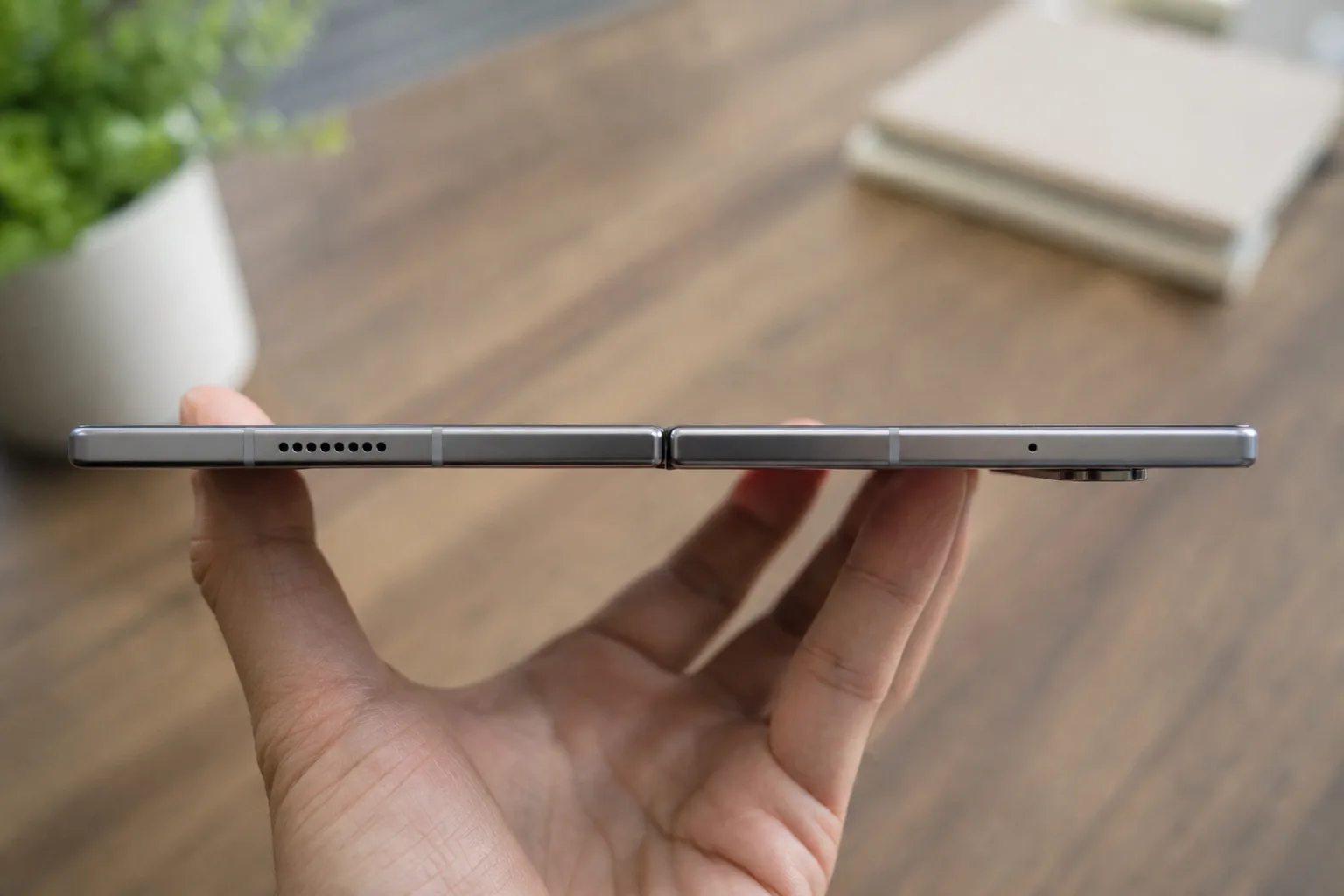
- The Pixel 11 Pro Fold trims roughly 1mm from its profile, but one half is visibly and physically thicker than the other.
- Pixel 11 Pro Fold upgrades include Qi2 charging, IP68 protection, slimmer bezels and brighter displays, making the design compromise more frustrating.
- The uneven rear surface is most apparent when the phone is open and used one-handed, where fingertips cross both halves.
- Google’s pursuit of thinner foldables risks prioritizing a spec-sheet measurement over the small tactile details owners notice every day.
Table of Contents
The Pixel 11 Pro Fold has a feel problem
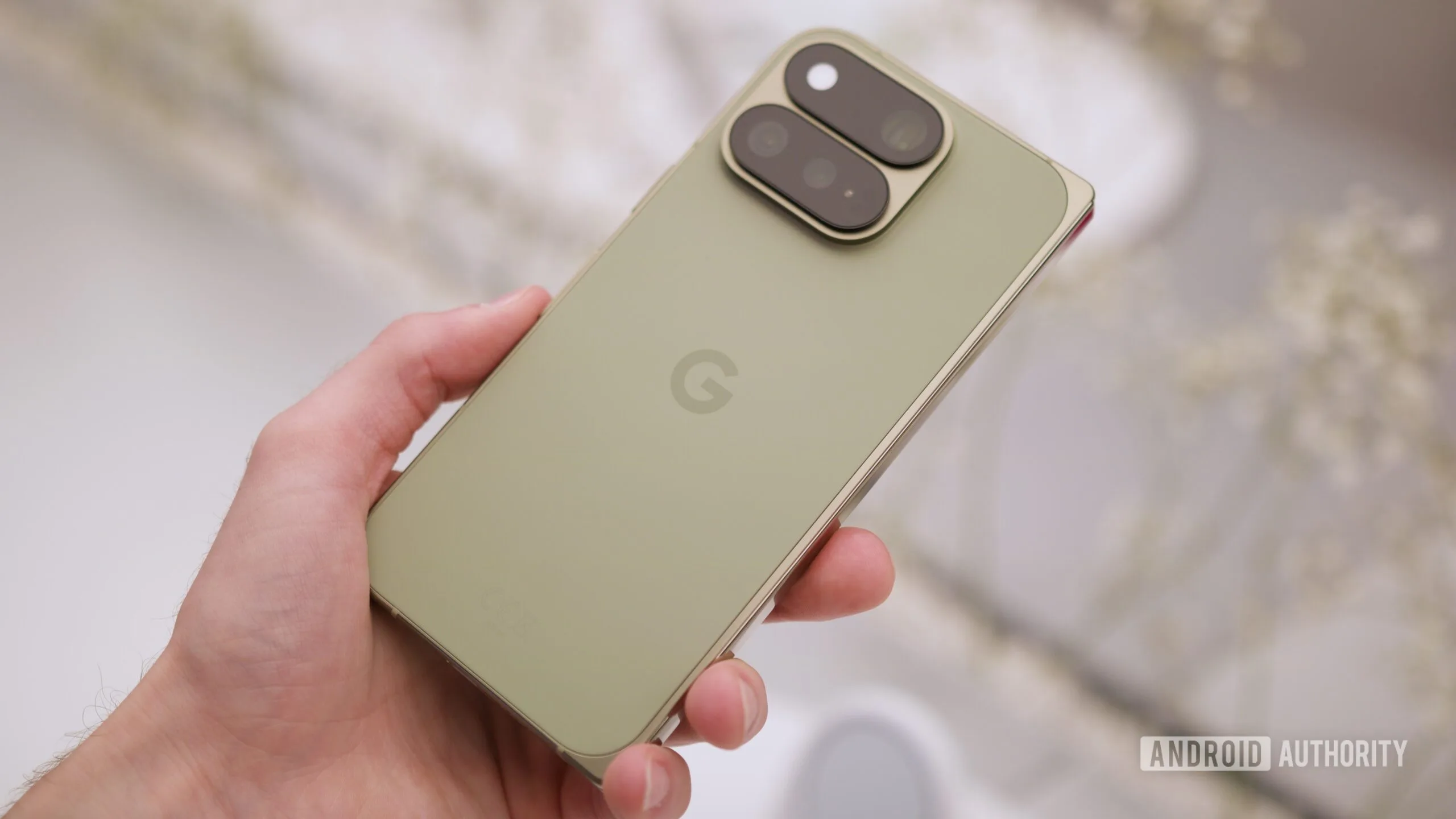
The Pixel 11 Pro Fold appears to fix much of what has held Google’s foldable line back. It is thinner, lighter, better protected from dust and water, and equipped with Qi2 magnetic wireless charging. Those are meaningful improvements in a category where every gram and millimeter has traditionally come with an asterisk.
But Google seems to have made one of those classic hardware decisions that looks tidy in a spec table and feels distinctly less tidy in a human hand. When unfolded, the two halves of the phone are not the same thickness. The difference is tiny, measured in fractions of a millimeter, yet it reportedly registers right away when holding the device open.
That may sound absurdly picky. A fraction of a millimeter? Come on. But foldables are inherently tactile objects: you open them, brace them in your palm, shift your fingers around a hinge, and often hold their broad inner screen with one hand. A subtle change in the surface can matter more here than it would on an ordinary slab phone.
Why the uneven profile matters
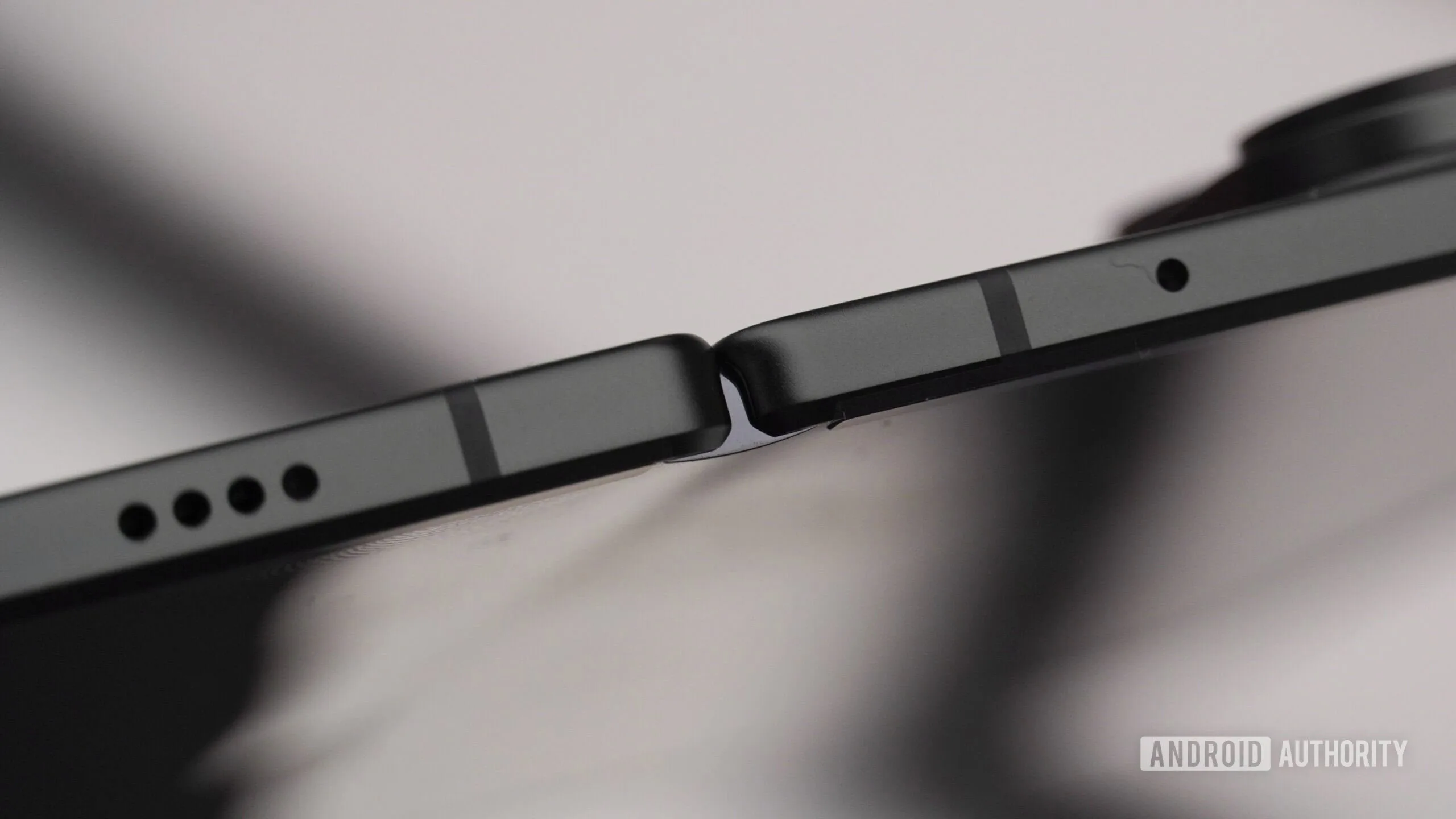
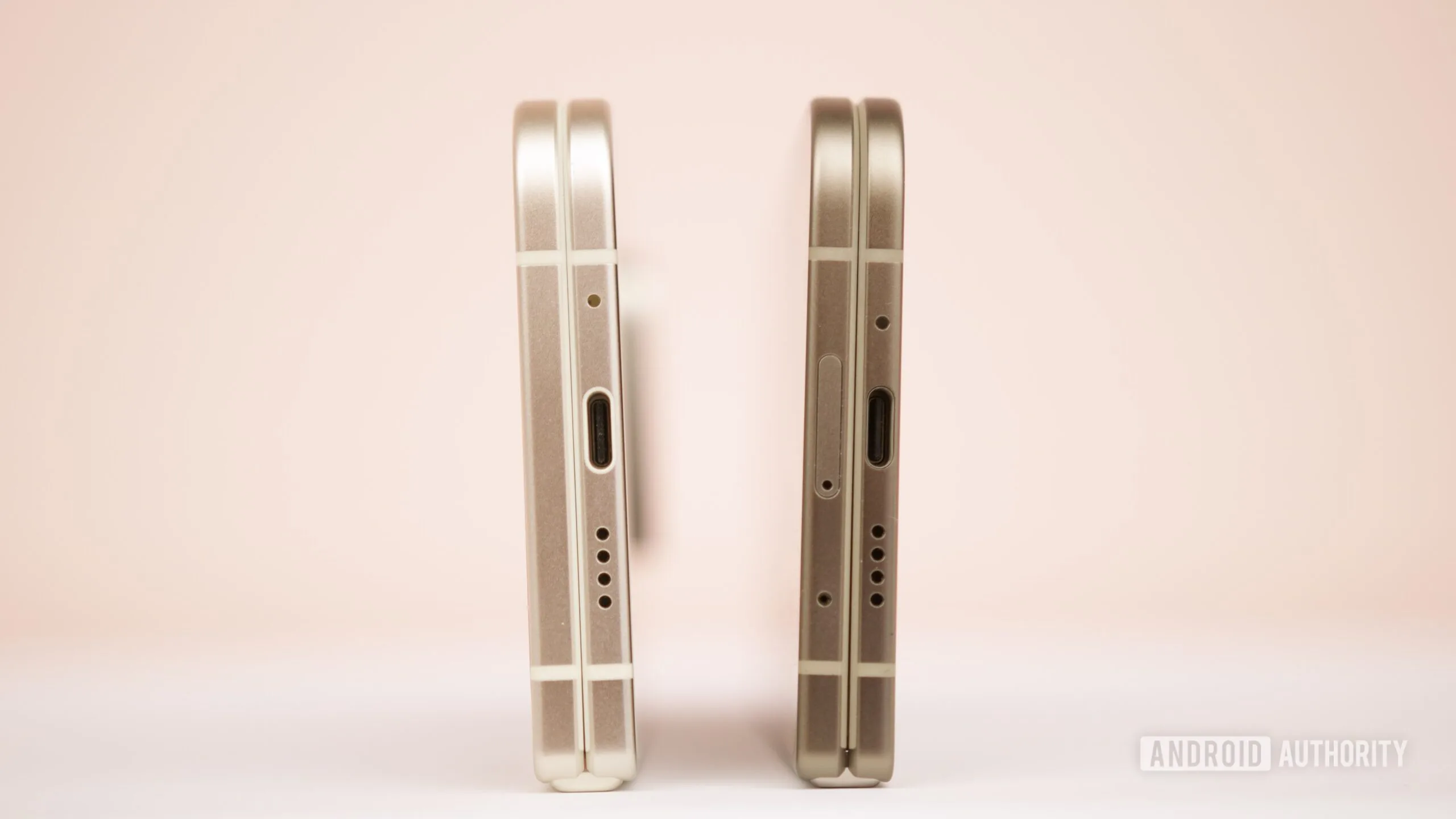
Google lists the Pixel 11 Pro Fold at 10.1mm thick when closed and 5mm when open. Those figures are useful, but they obscure the important bit: the unfolded device does not present a uniformly flat rear surface. The cover-screen half is slightly thicker than the opposite half.
Previous Google foldables, including the original Pixel Fold, Pixel 9 Pro Fold and Pixel 10 Pro Fold, kept their two open halves level apart from the camera housing. That gave the devices a more coherent feel, even when they were heavier or chunkier. On the new model, the transition near the hinge can be felt by fingers resting across the back.
It is the kind of issue that photography can make look either dramatic or irrelevant, depending on the angle. In person, though, touch is the point. Think of a desk with one leg a hair shorter than the others. You might not notice the measurement, but you will notice the wobble every time you set down a coffee mug.
The strange part is that the obvious explanations do not quite line up. The thinner half reportedly contains the camera system and Google’s Pixelsnap magnetic charging hardware, so neither a camera stack nor Qi2 magnets neatly explains why the cover-display side has more depth. That leaves buyers to infer that the company needed extra room somewhere for the hinge, display layers, antenna hardware or structural reinforcement.
That uncertainty matters because the Pixel 11 Pro Fold otherwise reads like Google finally understood the assignment. Foldables need to become less fragile, less cumbersome and easier to charge without proprietary nonsense. Qi2 is especially welcome. Magnetic alignment makes wireless charging less finicky, and Google is advertising 25W Qi2 charging, a notable step up for a form factor that has often lagged conventional phones on battery convenience.
A thinner number does not always make a better phone
There is a fixation on thinness in the foldable business right now, and it is not hard to see why. Samsung, Honor, Oppo, Huawei and Google all know that consumers judge a folded phone against a normal smartphone in the first five seconds. If it feels like carrying two phones taped together, the sales pitch gets harder.
Still, a millimeter is not automatically progress. The Pixel 11 Pro Fold also drops to a 4,806mAh battery, down from its predecessor. That is a defensible trade if efficiency improvements cover the gap, though battery life will decide that argument. The asymmetrical thickness feels harder to defend because it does not create a benefit buyers can immediately identify. It merely helps Google arrive at a cleaner headline measurement.
Frankly, this is where the industry can lose the plot. A closed foldable that is thin enough to slide comfortably into jeans is great. An unfolded foldable that feels odd in the hand is a self-inflicted problem. Buyers do not live inside a product comparison chart. They live with the hardware for a year or two, through commutes, couch scrolling and the inevitable late-night attempt to read an article while holding a charger in the other hand.
Google’s strongest foldable may still be its most awkward
The rest of the package makes this quirk more annoying, not less. The Pixel 11 Pro Fold brings slimmer bezels and improved screens, while IP68 protection is a major practical advantage for a foldable. IP68 means protection against dust ingress and water submersion under specified test conditions, a difficult engineering target for a device built around moving parts. Google’s broader Pixel hardware information is available through its official Google Store, though prospective buyers should check the final regional specifications before ordering.
These upgrades answer several of the category’s oldest complaints. Foldables have long asked consumers to pay more for compromised cameras, mediocre durability, conservative charging and questionable ergonomics. Google has improved the Pixel 11 Pro Fold on several of those fronts at once.
Yet the uneven chassis risks becoming the thing people remember. Once someone points it out, it is difficult not to inspect the hinge line and notice one side sitting proud of the other. More importantly, people who use the big internal display one-handed may feel it repeatedly, even if they never care about how it looks on a table.
Some owners will shrug. They should. Not every hand is the same, and a case may soften or entirely erase the sensation for many people. But the fact that a thinner and lighter foldable can feel less polished than its bulkier predecessor ought to give Google pause.
My read is that Google should have accepted an extra fraction of a millimeter if that was the price of symmetry. In foldables, the hinge is already a compromise users willingly make for a larger screen. The rest of the device should feel as deliberately finished as possible. The next contest in this market cannot only be about who makes the thinnest closed rectangle; it has to be about who makes the opened device feel like a single object.

