
- Pixel 11 Pro upgrades could turn desirable AI tools into a stronger replacement trigger than cameras or raw processor speed.
- The Pixel 11 Pro upgrades story raises a hard question: when does a feature truly need new silicon, and when is it sales strategy?
- Google has previously expanded some initially restricted AI capabilities to older Pixels through cloud processing.
- Long software-support promises lose their value if headline experiences remain reserved for newly released hardware.
Table of Contents
Pixel 11 Pro upgrades are selling an experience, not a spec sheet
The uncomfortable part of Pixel 11 Pro upgrades is not that Google has a faster chip. Of course it does. It is that the company appears increasingly willing to make its most appealing software feel inseparable from the newest hardware, even when the phone in your pocket remains perfectly capable by every ordinary measure.
Google’s Pixel 11 Pro launch put that tension in plain view. The company spent relatively little time treating Tensor G6 as a conventional performance story, focusing instead on its upgraded TPU and what it can do for AI. That is sensible marketing. Nobody wakes up wanting a marginally better benchmark result. People do, however, want a phone that can turn a messy spoken thought into a polished message before they have finished their coffee.
Google Rambler, the new feature presented as a stream-of-consciousness cleanup tool, is the kind of AI that could genuinely stick. Speak or type a half-formed idea, then let the phone shape it into something fit to send. We have all stared at a draft that reads like it was written during a fire drill. If Rambler works reliably, it solves a mundane problem rather than inventing one.
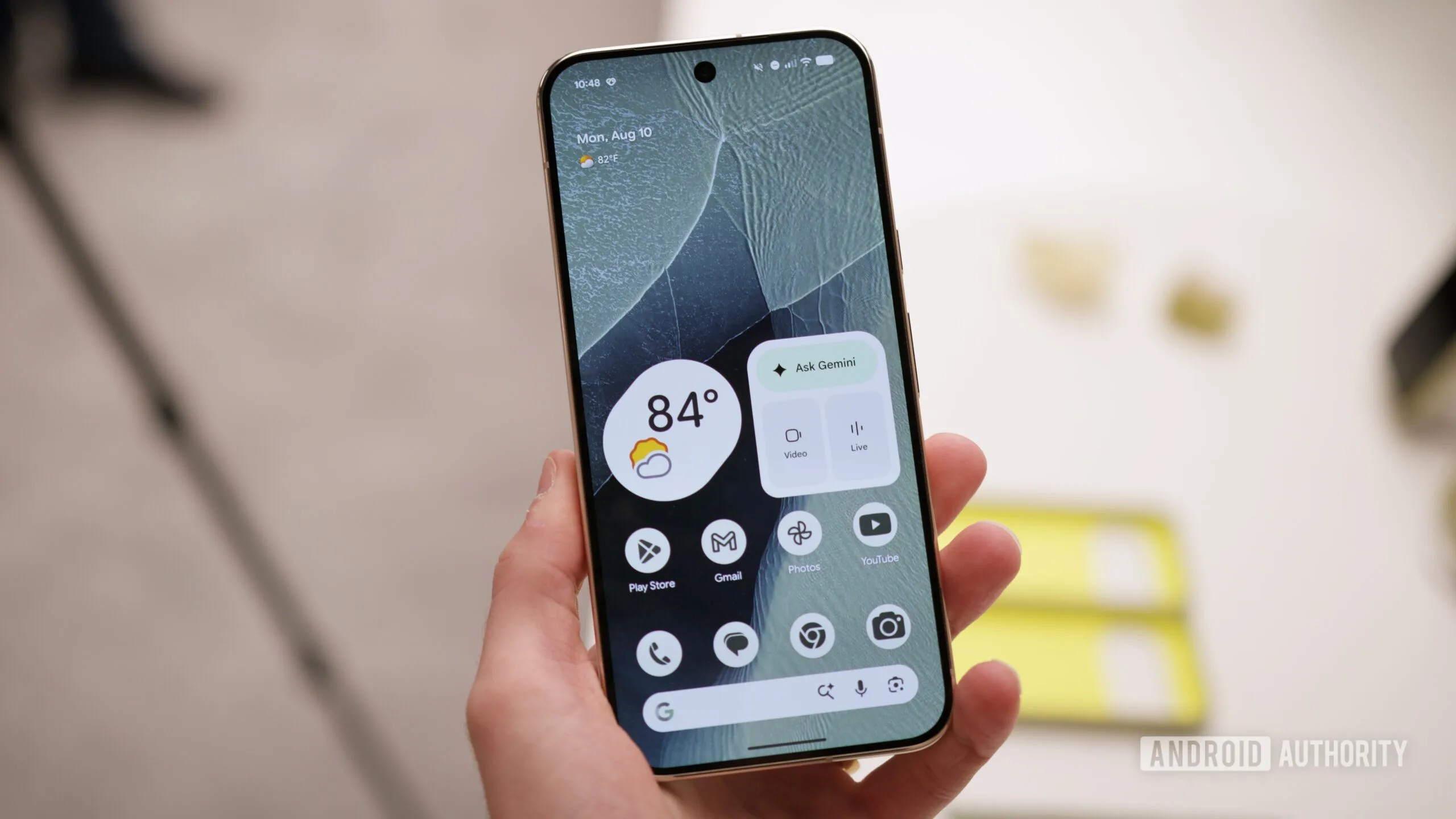
That is why the feature matters more than another camera sensor or a slightly brighter display. Google does not need to persuade buyers that their old Pixel takes bad photos. It needs to persuade them that their old Pixel is missing out on the version of Android that feels most helpful.
The hardware argument needs a higher bar
There are real reasons to keep certain AI work on-device. Larger models need memory. Fast local responses need capable accelerators. Privacy is also better when a voice recording or personal message does not need to leave the device. Google’s own Tensor messaging has presented custom silicon as being built for AI.
But the Pixel 11 Pro upgrades debate comes down to proportionality. A phone processor is not a light switch; last year’s silicon does not turn useless when a new chip arrives. Flagships released in the past two or three years have plentiful compute power for the overwhelming majority of everyday work. Instagram does not become a new experience because a chip has another neural-processing block. Gmail does not require a fresh handset to open.
Google encountered this problem with Magic Cue, an AI system that surfaces context from apps and services. Its availability was initially tied to Tensor G5-era hardware. The company had a similar wobble with Gemini Nano on the Pixel 8, citing RAM constraints before later providing some AI capabilities through the cloud. Those decisions may have had legitimate engineering foundations, but Google has not always made the boundary between necessary limitation and product segmentation easy to see.
That lack of clarity breeds skepticism. If Tensor was sold as Google’s long-term AI platform, owners are entitled to ask why a flashy new capability can become off-limits so quickly. Not every feature must land everywhere. But a company promising lengthy software support should be unusually careful about treating software differentiation as a fast-moving hardware toll booth. In that context, Pixel 11 Pro upgrades need to demonstrate a clear benefit rather than simply impose a new boundary.
Samsung already showed how this can go wrong
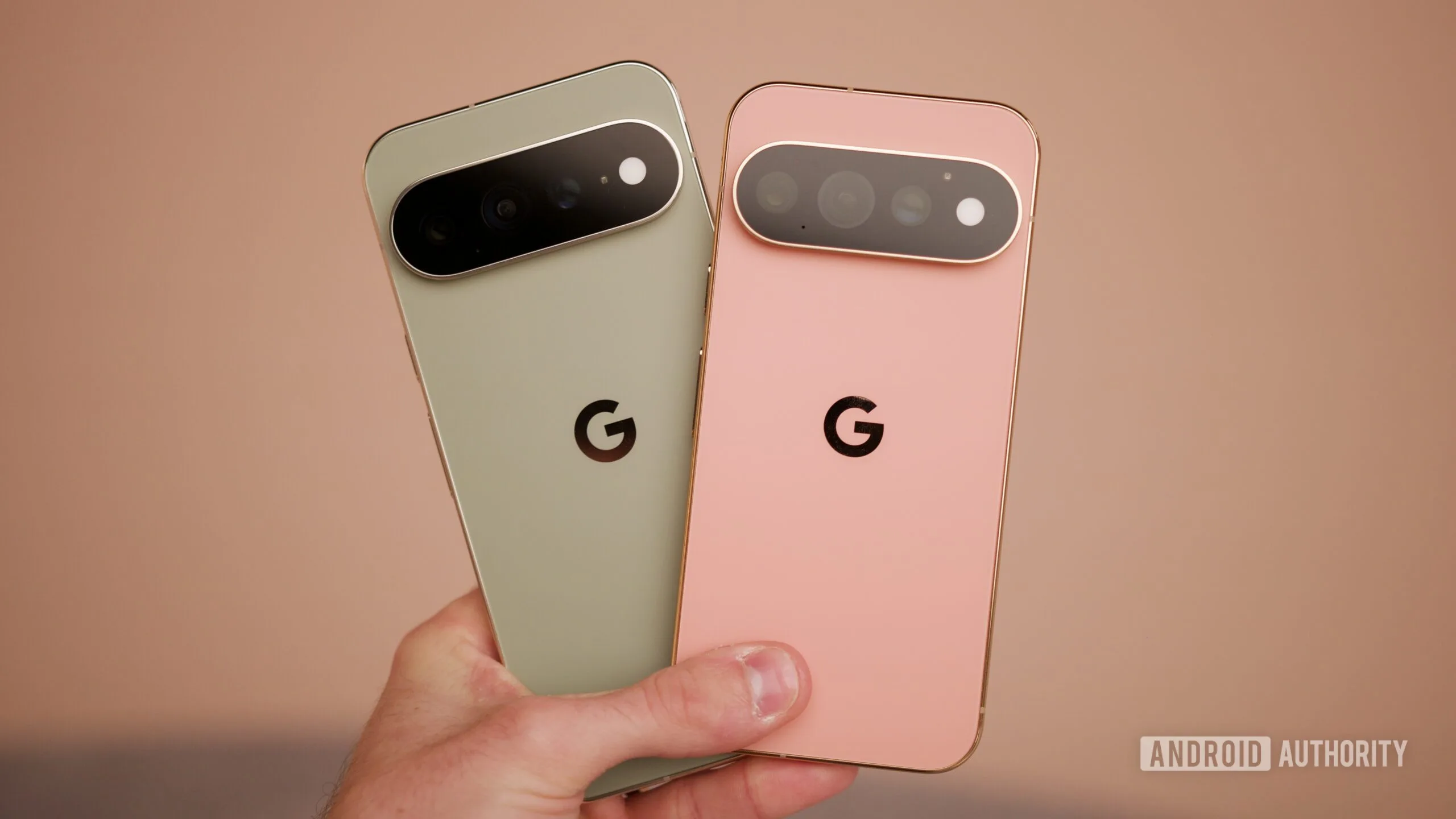
Google is hardly alone here. Samsung’s Galaxy AI rollout offered a useful warning. During the Galaxy S25 cycle, some AI experiences were positioned around the newer Snapdragon 8 Elite hardware, after the Galaxy S24 Ultra had spent barely a year as the company’s top-tier Android phone.
The comparison matters because Android makers have a shared problem: phones last too long. That is good for customers and bad for the annual upgrade treadmill. Camera systems have matured to the point where even budget phones can produce respectable shots in daylight. Batteries still degrade, screens still crack, and modems still improve, but the usual reasons to trade in a two-year-old flagship are weaker than they were a decade ago.
Pixel 11 Pro upgrades may therefore become a preview of the industry’s next sales pitch. Not “your phone is slow,” but “your phone cannot participate.” That is a far more emotionally effective argument, especially when AI tools manage email, calls, photos, writing, and personal information. A missing zoom lens is easy to ignore. A missing assistant that colleagues or friends use every day is harder.
The cloud is Google’s escape hatch, if it wants one
Google has options besides forcing a hardware swap. Cloud processing is the obvious one. It can bring a reduced version of a new feature to older Pixels, perhaps with a slower response, usage cap, or an explicit explanation that local processing remains exclusive to newer hardware. The best Pixel 11 Pro upgrades would still give recent Pixel owners a practical path to participate. That would not be identical to the Tensor G6 experience, but it would respect customers who bought into Pixel’s software vision recently.
Cloud processing has trade-offs. It costs money to run, requires connectivity, and creates privacy concerns that local AI avoids. Google could reasonably charge for heavy cloud use through a Google One tier. Yet that would be a much easier pill to swallow if the company framed it honestly as computing infrastructure, rather than artificially withholding a feasible feature to make Pixel 11 Pro upgrades feel mandatory.
Frankly, subscriptions are the more worrying possibility. A phone used to be something you bought, then updated until the battery gave up or the screen met a sidewalk. If the best features are tied either to a yearly trade-in or a monthly AI plan, ownership starts to look a lot like leasing. Remember when companies told us cloud services would make hardware matter less? They may instead make the newest hardware matter all the time.
Software support has to mean access, not just security patches
Google deserves credit for extending Android update commitments. Longer support reduces waste and gives buyers confidence that a costly handset will not be abandoned after a couple of seasons. But the value of that promise changes if Pixel 11 Pro upgrades routinely fence off the software people actually want.
There is a fair standard here. Google should publish a plain explanation when a feature requires a new Tensor generation: model size, memory requirement, latency target, or security design. It should then say whether an older phone will receive a cloud version, a smaller local model, or nothing at all. That is not asking for every Pixel to gain every capability forever. It is asking for evidence before a two-year-old flagship is quietly treated as yesterday’s appliance.
My read is that Rambler could be an early test. If it remains exclusive because it delivers an experience older phones truly cannot match, buyers will eventually accept that. If Google can later move it down the Pixel line with a server-side update, the company will have confirmed what many owners already suspect: the most powerful feature of Pixel 11 Pro upgrades may be the fear of being left behind.
Frequently Asked Questions
Why are Pixel 11 Pro upgrades centered on AI features?
Modern flagship phones already handle routine apps, photography, and multitasking well for years. AI features give Google a more visible way to distinguish new Pixels, particularly when a tool saves time or improves everyday communication rather than merely producing a higher benchmark score.
Can older Pixel phones receive new AI features?
Sometimes. Google initially withheld Gemini Nano from the Pixel 8 over memory limits, then brought some functionality through cloud processing. That approach can expand access, although cloud features may be slower, less secure, and produce weaker results than on-device features.
Does Tensor G6 make older Pixel hardware obsolete?
No. The source argues that older hardware does not suddenly become unusable simply because a newer chip enables new AI capabilities. However, Google may limit some features to newer devices or offer cloud-based alternatives for older phones.