- Google says the Pixel 11 Pro has more than twice the scratch resistance of its previous flagship phones.
- A thin proprietary coating gives the Pixel 11 Pro an additional defensive layer above Gorilla Glass Victus 2.
- The Pixel 11 Pro Fold uses ceramic cover glass and a composite rear panel that Google says is nearly impossible to crack.
- Durability claims need independent testing, particularly because everyday scratches and serious drops test different materials in different ways.
Table of Contents
Pixel 11 Pro durability is Google’s new sales pitch
Most smartphone durability promises sound impressive right up until a phone meets a set of keys, a gritty pocket, or the corner of a kitchen counter. Google is putting the Pixel 11 Pro directly into that real-world firing line, claiming its latest premium phones are more than twice as scratch-resistant as previous Pixel models.
That’s the meaningful number here. Screens are already reasonably good at surviving a modest fall; it’s the slow accumulation of hairline marks that makes an expensive phone feel worn out six months later. Google says the Pixel 11 Pro and larger Pixel 11 Pro XL pair Gorilla Glass Victus 2 with a new anti-scratch coating, while retaining IP68 dust and water resistance.
The company describes these as its toughest conventional phone displays yet. It also says the Super Actua panel can reach 3,600 nits of peak brightness, an eye-catching figure that should help outdoors, though peak-nit claims are notoriously dependent on screen area and viewing conditions. Durability, rather than brightness, is the more interesting story this year.
What Google changed on the Pixel 11 Pro screen
Google has offered one useful technical detail: the anti-scratch layer is 800 nanometres thick, or roughly one percent of the thickness of a human hair. It sits between the Victus 2 cover glass and the oleophobic layer that helps fingerprints wipe away. That placement matters. The coating is not a replacement for the glass itself; it is an added surface defense where scratches begin.
Google says it tested the treatment against objects phones commonly share space with, including keys and nail files. Frankly, that is a better framing than the internet’s endless Mohs-pick rituals. A phone rarely encounters a carefully calibrated mineral point in daily life. It encounters sand, metal hardware, handbag clutter, and the tiny quartz particles that are far harder than people realize.
Still, the phrase “more than twice” needs a little skepticism attached to it. Google has not published the baseline test method, the load used, the type of abrasive, or whether the figure describes visible marks, coating damage, or a material failure threshold. Those details can dramatically change what a durability statistic means. A display that looks cleaner after routine wear may be a major practical improvement even if it can still scratch under a sharp mineral grain.
The Pixel 11 Pro is also following a wider industry push to solve the same annoying trade-off: glass that resists shattering can be more prone to scratches, while extremely hard surfaces may be less forgiving in a drop. Apple has promoted its Ceramic Shield material for years, and manufacturers including Honor have increasingly used ceramic-flavored language around their cover materials. Google is being cagey about the chemistry of its own coating, calling it proprietary. My read is that the company wants the customer benefit without inviting a materials-science comparison it cannot fully control.
The foldable gets a different, more ambitious material stack
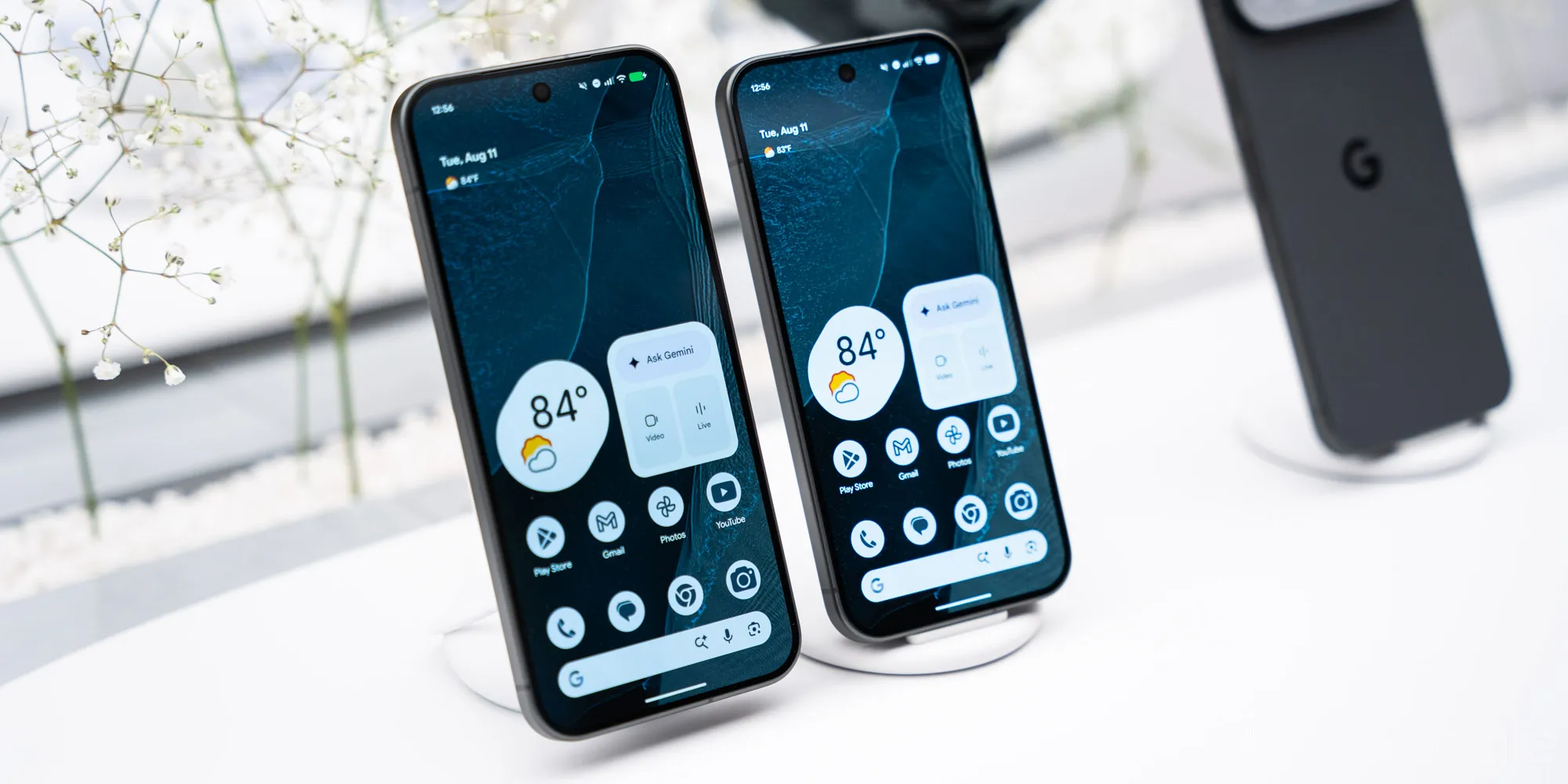
Google’s claims go further with the Pixel 11 Pro Fold, where the outer screen uses what the company calls ultra-strong ceramic cover glass. Its rear panel is a glass-fiber composite that Google says is “nearly impossible to crack,” and the phone adds a gearless hinge intended to better protect the inner display. The company says the foldable is three times more durable than the Pixel 10 Pro Fold.
That is a huge statement for a category that still asks buyers to accept some fragility in return for a tablet-sized screen that folds into a pocket. The outer display and rear panel are obvious places to improve: they take the brunt of drops, and conventional glass backs are among the most common repair casualties. A composite back may be less glamorous than polished glass, but if it avoids a costly repair after one bad fall, nobody will complain.
The bigger catch is that these material upgrades do not appear to transform the flexible inner screen in the same way. That remains the difficult part of every foldable design. An inner panel must bend thousands of times and cannot simply wear a thick slab of hardened glass. Samsung, Google, and every other foldable maker are still working around physics here, not defeating it.
Buyers should also remember that “durable” does not mean invulnerable. IP68 protection is valuable, but it is tested in controlled conditions and does not cover every kind of water damage. Likewise, better scratch resistance is not a license to toss a Pixel 11 Pro into a pocket full of loose tools. Phone makers have spent a decade teaching us that glass is tougher than before; repair bills keep teaching the other half of that lesson.
Why independent testing matters more than marketing math
The test for Google now is simple: does the Pixel 11 Pro stay visibly cleaner during ordinary ownership than the Pixel 10 Pro, the Galaxy S-series, and Apple’s current Pro phones? That will take weeks of pocket use, controlled abrasion testing, and drop tests that separate display survival from frame and back-panel damage.
Google’s claimed advance is plausible. Coatings can make a substantial difference, especially when applied below an oleophobic top layer where they are less exposed to cleaning and wear. But coatings can also age differently than the glass beneath them. Will the surface feel the same after a year of wiping it with a shirt sleeve? Does it retain its resistance after a drop that does not crack the display? Those are the questions that glossy launch materials never answer.
For now, the Pixel 11 Pro has a more convincing durability story than the usual vague promise of “premium materials.” If Google’s two-times claim holds up outside its lab, this could be one of the rare hardware upgrades people notice every day—not in a benchmark chart, but when they catch the screen in sunlight and do not see a spiderweb of tiny scratches. That’s a much better reason to pay flagship money.
Google’s official Pixel store will naturally emphasize the new hardware’s benefits. The tougher verdict will arrive after these phones have spent a few months in actual pockets, bags, and hands—the places where every durability claim eventually has to earn its keep.