

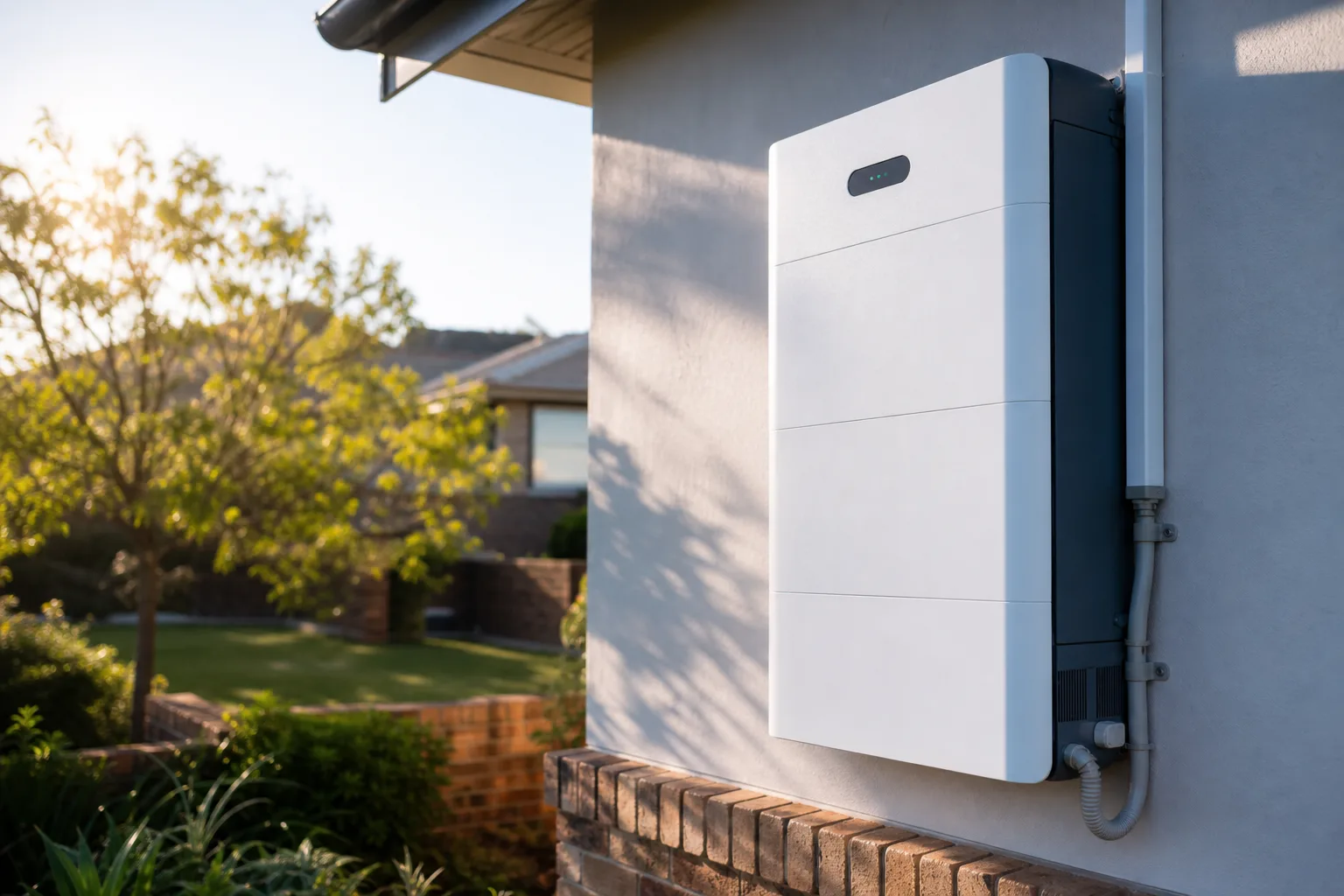
Home battery installations across the United States hit a new record in the opening months of 2026, with 673 megawatts of residential energy storage brought online in the first quarter alone. The milestone, reported by the US Energy Information Administration, signals a meaningful shift in how American homeowners are thinking about electricity — not just as something that comes out of a wall, but as a commodity worth actively managing.
- Home battery installations in the US reached a record 673 megawatts in the first quarter of 2026.
- Home battery installations are being driven by state incentives in California, Hawaii, Texas, and Arizona.
- US residential electricity costs rose more than 7 percent in April 2026 compared to the same month last year.
- A federal solar tax credit was eliminated under the Trump administration‘s One Big Beautiful Bill, slowing new solar panel uptake.
Table of Contents
673 MW and Counting: What’s Driving the Surge
The record-breaking first quarter didn’t happen in a vacuum. A handful of converging forces — rising electricity bills, targeted state policies, and the maturation of the home energy storage market — pushed home battery installations to levels that would have seemed optimistic just two years ago.
Electricity costs are the most immediate driver. The EIA’s latest data shows the nationwide residential average climbed more than 7 percent in April 2026 versus April 2025. That’s a meaningful jump for household budgets. When electricity is cheap and predictable, most homeowners don’t think twice about where their power comes from. When bills start climbing, suddenly the economics of a home battery start looking a lot more interesting.
Smart battery-management systems can already schedule charging cycles to soak up power during off-peak overnight hours when grid rates are lowest, then discharge during the expensive afternoon and evening peak windows. For a household with an EV, rooftop solar, and a battery, the potential savings stack up fast.
State Incentives Are Doing the Heavy Lifting
Federal energy policy is in flux right now — more on that in a moment — so the states willing to put real money behind home battery installations are the ones setting the pace. California and Hawaii together account for the bulk of new residential storage capacity, which isn’t surprising given that both states have some of the highest electricity prices in the country and the longest track records of pushing rooftop solar adoption.
California’s approach is particularly clever. Rather than a flat cash rebate, the state restructured its grid-export pricing to reward homeowners who feed stored energy back to the grid after sunset. That’s when solar panels have gone dark and grid demand from air conditioning and lighting peaks — exactly when the grid needs flexible supply the most. It turns the homeowner’s battery into a miniature peaker plant, and the homeowner gets paid accordingly.
Hawaii takes a more direct approach: a one-time payment of $400 for every kilowatt of battery storage capacity installed. It’s a clean, easy-to-understand incentive that removes the ‘is this worth it?’ calculation for a lot of fence-sitters. Texas and Arizona — two states not typically associated with progressive energy policy — also posted significantly higher home battery installations numbers, suggesting the economic case alone is starting to move markets even without generous subsidies.
The Solar Tax Credit Is Gone — and It Matters
Here’s the uncomfortable wrinkle in this otherwise upbeat story. The record-breaking home battery installations are happening at the same time that new rooftop solar installations are slowing down. The reason is straightforward: the Trump administration’s sweeping budget legislation, widely referred to as the One Big Beautiful Bill, eliminated the 30 percent federal tax credit for residential solar panels.
That credit had been one of the most effective policy tools in the clean energy toolkit. For a $20,000 solar system, it represented a $6,000 reduction in out-of-pocket cost. Its removal doesn’t kill the rooftop solar market overnight, but it meaningfully extends the payback period for new buyers — and for many households sitting on the margin of affordability, it’s enough to push the decision into ‘not right now’ territory.
The irony is that millions of existing solar homeowners — those who installed panels over the past decade while the credit was available — are now highly motivated to add batteries. Their panels are already paid off or well into their payback curves. Adding a battery is the natural next step to stop selling cheap daytime solar back to the grid and instead save it for their own evening use. So the battery market is partly being fuelled by the installed base that the now-defunct solar credit helped build.
US solar generation overall continues to rise despite the policy headwinds. Solar actually surpassed coal-fired electricity generation nationally in April 2026 — a milestone that deserves more attention than it’s getting. The long-term infrastructure is there. The question is whether new installations will slow enough to eventually dent that trajectory.
Home Battery Installations and the Grid’s Bigger Picture
Beyond individual household economics, the home battery installations boom has implications that extend well past suburban rooftops. Grid operators increasingly need what the industry calls ‘dispatchable flexibility’ — the ability to call on distributed power sources at short notice to balance supply and demand. A hundred thousand home batteries in Southern California, all capable of pushing energy back to the grid during a heatwave, represent meaningful grid infrastructure. The difference is that this infrastructure was financed by homeowners, not ratepayers or taxpayers.
There’s also an angle here that few people are talking about: AI data centers. The explosive growth in compute infrastructure — driven by the arms race among Microsoft, Google, Amazon, and others to build out AI capacity — is straining grid resources in ways that utilities are struggling to keep up with. Large-scale residential battery networks, aggregated through virtual power plant programmes, could theoretically offer grid operators a buffer during the kind of sudden demand spikes that a cluster of new data centers can cause. It’s not a solution on its own, but it’s one more tool in a grid that desperately needs more of them.
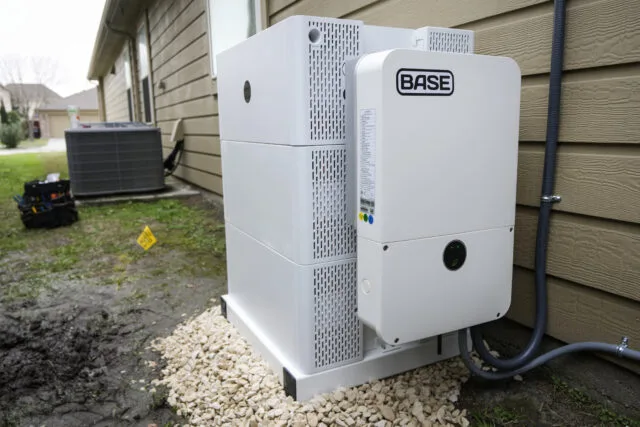
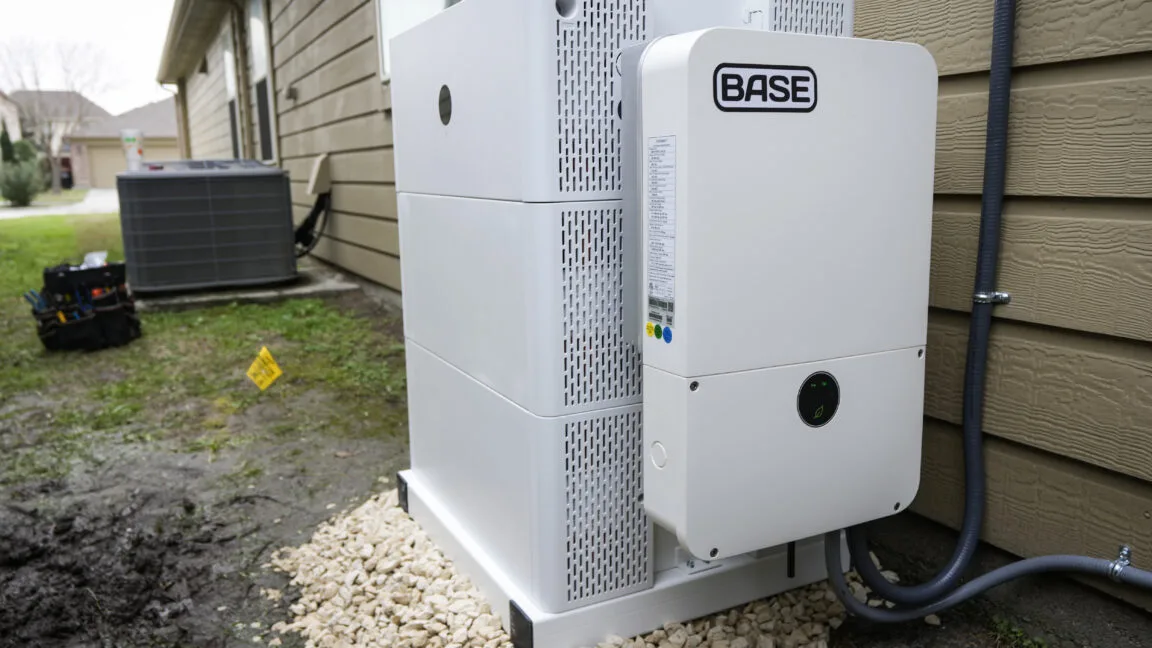
The companies best positioned to capitalise on this trend are those that can turn isolated home batteries into coordinated grid assets. Tesla’s Powerwall and its Autobidder software platform, Sunrun’s home battery offering, and newer players like BASE — whose hardware is already appearing on homes in states like Texas — are all competing for a market that the EIA’s latest numbers confirm is genuinely taking off. Demand for home battery installations shows no sign of plateauing as state incentives evolve and electricity prices stay elevated, meaning Q1 2026 may well look like the moment residential energy storage crossed from early-adopter territory into the mainstream.
Frequently Asked Questions
Why are home battery installations hitting record highs in 2026?
Home battery installations are surging due to a combination of state-level financial incentives, rising residential electricity prices, and homeowners wanting to maximise the value of existing solar panels by storing energy for use at night or during peak-price periods.
Which states are leading the home battery storage boom?
California and Hawaii account for the majority of new residential battery storage capacity. Texas and Arizona are also seeing significantly higher installation numbers. California offers better grid-export pricing after sunset, while Hawaii pays homeowners $400 per kilowatt of battery storage installed.
Does the elimination of the federal solar tax credit affect home battery adoption?
It’s complicated. The removal of the 30 percent federal solar tax credit under the One Big Beautiful Bill has slowed new rooftop solar installations. But home battery installations are still growing, driven by state incentives and rising electricity costs.
How much have US residential electricity costs increased?
According to the US Energy Information Administration, the nationwide average residential electricity cost rose by more than 7 percent in April 2026 compared to April 2025, giving homeowners a concrete financial incentive to manage when they draw from — or sell back to — the grid.

