

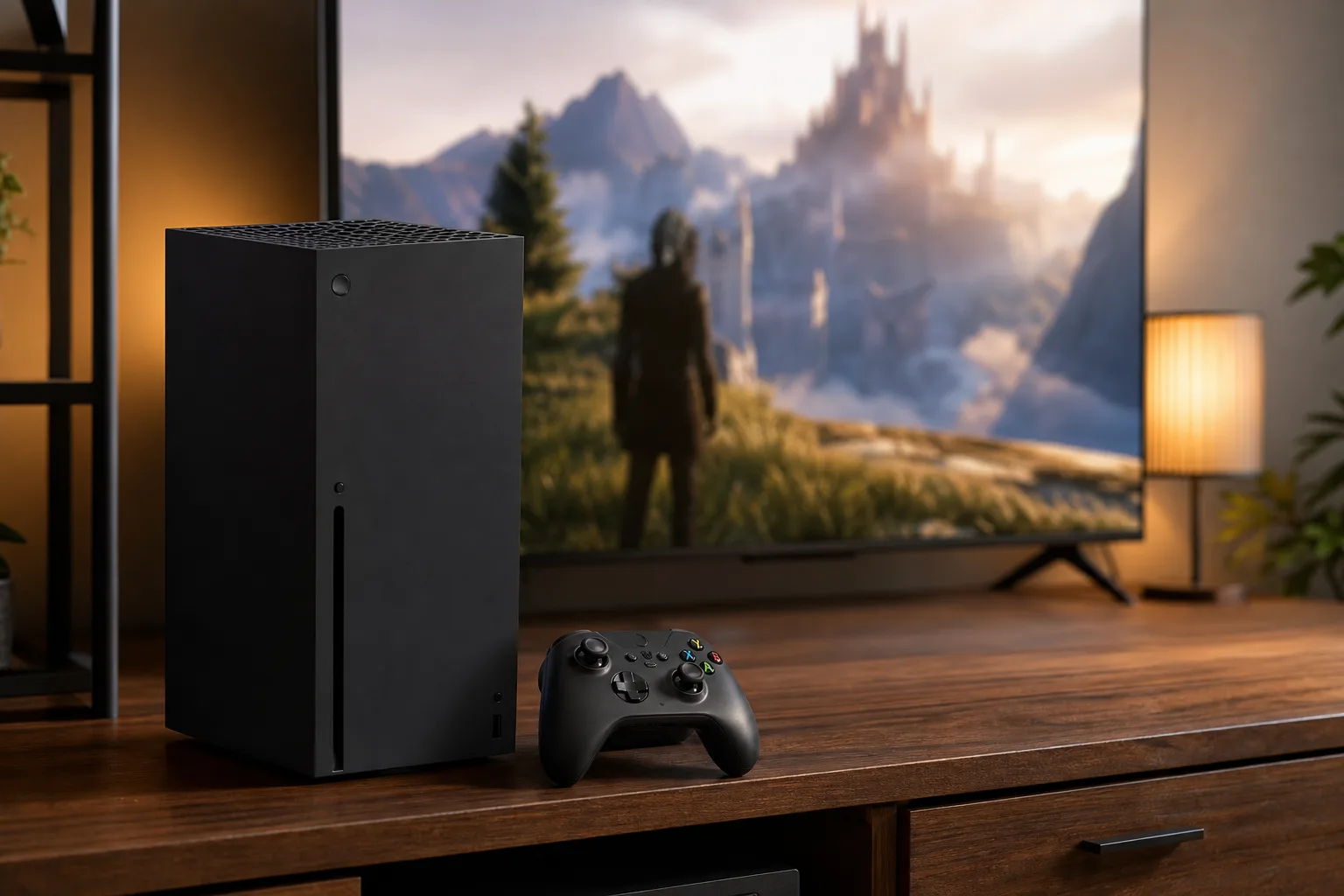
- Ad-supported Xbox streaming gives select Insiders up to one hour of cloud play after viewing advertisements before a session begins.
- Microsoft says ad-supported Xbox streaming will not interrupt gameplay, though it has not disclosed ad length, frequency, or broader rollout plans.
- The test arrives as Microsoft keeps pushing Xbox beyond console ownership and toward a service available across more screens.
- A free tier could lower cloud gaming’s entry barrier, but Microsoft must prove ads do not make a premium hobby feel cheap.
Table of Contents
Ad-supported Xbox streaming puts a price on your attention
Microsoft wants to find out whether ad-supported Xbox streaming can make cloud gaming feel free without making it feel like daytime television. The company has started testing a model that lets eligible Xbox Insiders stream games they own after watching ads, then play for up to an hour. It’s a simple trade: spend a little time watching marketing, save the subscription fee.
That trade has been creeping toward games for years, of course. Free-to-play titles have built enormous businesses around cosmetics, battle passes and virtual currency. But Microsoft is trying something slightly different here. Rather than asking players to buy a neon-purple weapon skin, it is testing whether advertising can subsidize access to the hardware-intensive business of running games in the cloud.
For players, the immediate appeal of ad-supported Xbox streaming is obvious. Xbox Cloud Gaming has generally been tied to paid Game Pass access, and cloud infrastructure is expensive enough that a genuinely free option would stand out. If you only want to jump into a game occasionally, paying every month can feel like buying a full gym membership to use the treadmill twice. A pre-roll ad may be the more tolerable deal.
But Microsoft has left out several details that will determine whether this is a useful option or merely a clever press release. The company hasn’t said how many advertisements participants will see, how long they will run, what games are eligible, or whether an hour is a hard session limit before players must watch another batch. Those aren’t footnotes. They are the experience.
What Microsoft is actually testing
The initial ad-supported Xbox streaming trial is limited to Xbox Insiders with an Xbox account. Microsoft directs interested players to its official Xbox Insider Program support page, where users can enroll in preview features. This is not a public launch, and it would be a mistake to treat it as one.
Under the current ad-supported Xbox streaming test, ads appear before a stream starts rather than during play. Once they are over, the player gets a session lasting as long as one hour. Microsoft says players can choose other ways to play whenever they want, presumably including downloading a title to a console or PC, or using the company’s existing paid cloud options where available.
That no-mid-game-ad promise matters. Microsoft has outlined five principles for advertisers: ads should create value for players, avoid interrupting gameplay, meet the quality bar of Xbox content, be clearly identified as advertising, and match expectations for the device or platform. Corporate principles are easy to write, frankly. The hard part is maintaining them when an ad sales team starts chasing targets.
The encouraging bit is that Microsoft appears to understand the basic social contract. Nobody wants a car commercial dropped into the middle of a boss fight. Gaming is not a podcast, and the tolerance for interruption is much lower when a player is actively doing something. A pre-session spot is annoying but familiar; an interruption during play would be a fast route to resentment.
Still, one hour is an awkwardly revealing number. It is enough for a few multiplayer rounds, a chapter in a story game, or an evening taste of something new. It is not a relaxed way to spend a long Saturday with an RPG. If another advertising break is required at the end of each hour, users may accept it. If the reset is more restrictive, they probably won’t.
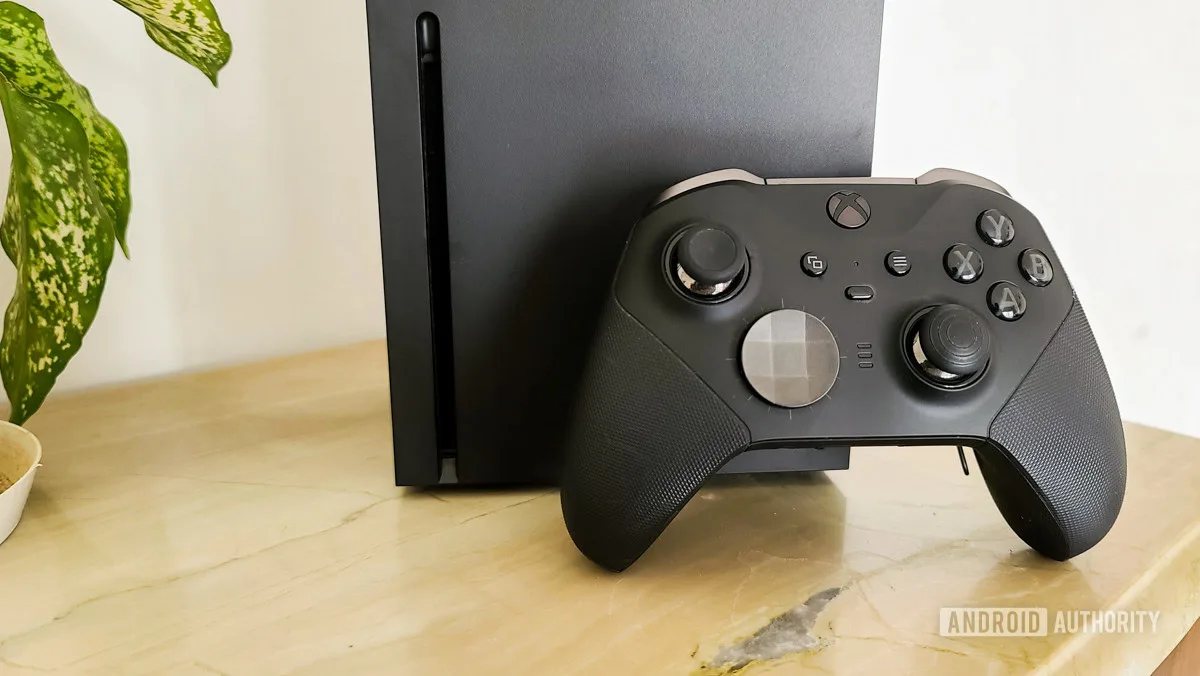
Microsoft’s Xbox Series X remains a straightforward way to play locally, but the company’s larger strategy has increasingly been about reaching people who do not own one.
Why this fits Microsoft’s bigger Xbox strategy
Ad-supported Xbox streaming makes sense when viewed alongside Microsoft’s increasingly platform-agnostic approach to gaming. Xbox games have moved onto PC, mobile devices through cloud delivery, and even rival hardware. The company recently also announced a renewed backward compatibility initiative. The underlying message is consistent: Xbox is less a particular black box under the television than a network of games, subscriptions and services.
That shift hasn’t always landed smoothly with the traditional console crowd. Players who bought into Xbox hardware understandably want reassurance that the box still matters. Yet Microsoft has a business reason to widen the funnel. A free cloud tier can introduce people to Xbox without requiring a console purchase, a Game Pass subscription, or even much confidence that their interest will last beyond a weekend.
Gaming is late to a tradeoff that Spotify, YouTube and many mobile apps have made routine: pay money, or pay attention. Ad-supported Xbox streaming has been slower to embrace that equation because every minute of play carries server and bandwidth costs. Ads might cover some of that bill, but only if Microsoft can sell enough inventory at worthwhile rates. A 30-second ad does not magically make GPU time cheap.
The test’s scope will tell us more than the announcement does. Microsoft is not announcing that every Xbox owner can stream every game at no cost. It is probing player behavior, advertiser demand and operational economics. My read is that the company wants data before it commits to a model that could attract millions of people who are eager to consume resources but reluctant to spend cash.
The risk: turning convenience into friction
The best version of ad-supported Xbox streaming would be a clean on-ramp. Watch a short, clearly labeled ad, launch a game, play for an hour, and decide later whether a subscription is worth it. That could work particularly well for people testing a title before downloading it, families with occasional players, or users on devices where installing a large game is impractical.
The bad version is easy to picture too. Long ad pods, repetitive spots, unclear limits and a nagging sense that players are being herded into a paid tier. We have seen this movie in streaming video, where lower-priced ad plans often begin as a bargain and then become another maze of restrictions. Microsoft needs to be unusually transparent about the rules from day one.
The brand question may be harder to answer. Xbox has spent years selling Game Pass as a polished, premium all-you-can-play proposition. Introducing advertising can broaden access, but it also changes the mood. A console experience has traditionally felt like a product you own, even when the business model has moved toward subscriptions. Ads make the service feel more like a storefront aisle designed around monetization.
That does not automatically make it bad. Plenty of players will reasonably decide that a brief commercial is a better deal than a recurring bill. The test’s real challenge is whether Microsoft can keep ad-supported Xbox streaming from becoming an advertisement for the paid plan rather than a credible way to play. We’ll see whether the company’s player-first language survives contact with the first campaign metrics.

