

- Counterpoint forecasts the iPhone Ultra foldable could capture 25% of global foldable smartphone shipments during its first year in 2026.
- The iPhone Ultra foldable may arrive directly behind Samsung, while Huawei is projected to slip narrowly into third place.
- Global foldable shipments are expected to grow 21% year over year, largely because Apple could bring mainstream buyers into the category.
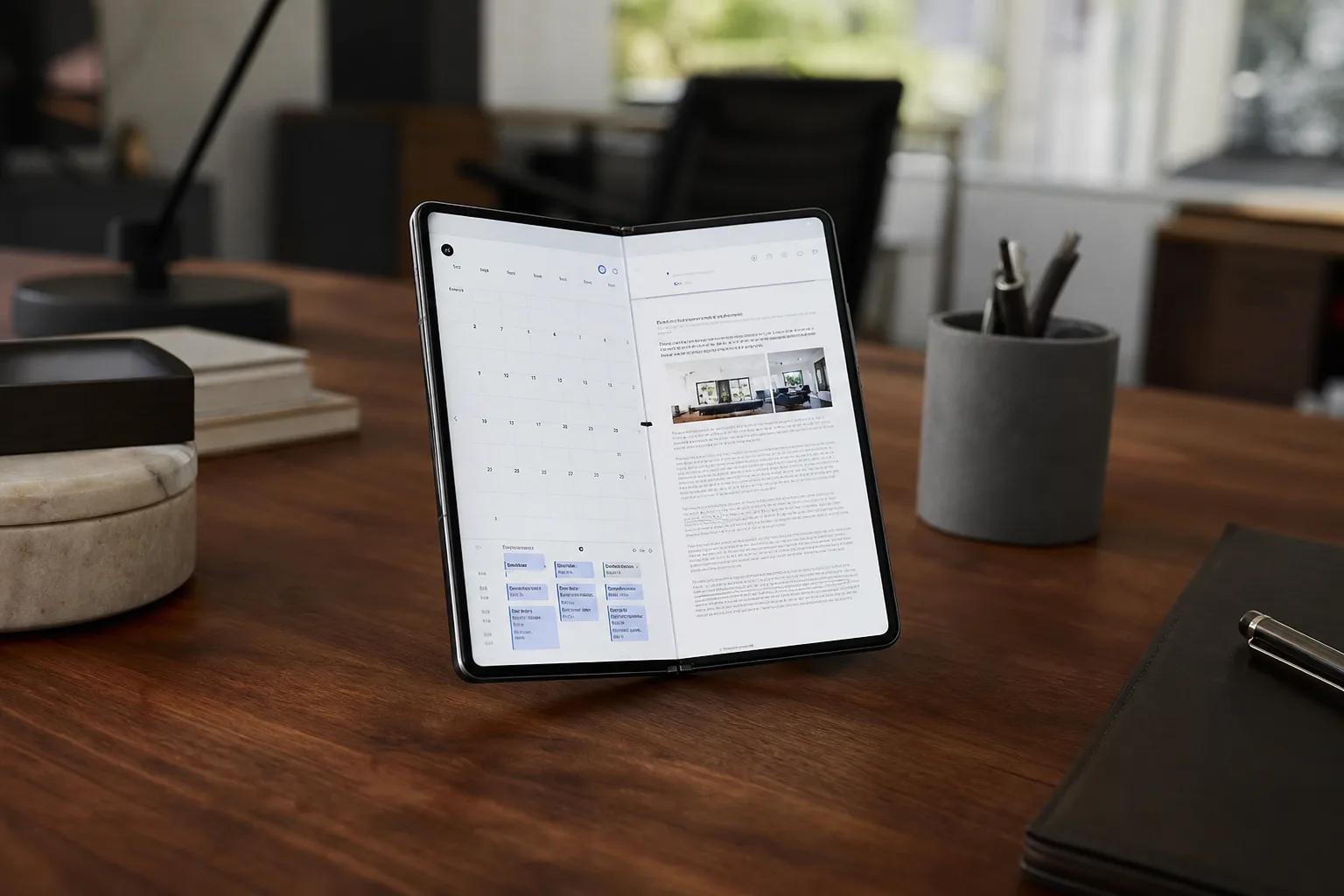
- Samsung’s wider Galaxy Z Fold8 signals that the industry is converging on a more practical, tablet-like design for productivity.
Table of Contents
Apple’s iPhone Ultra foldable could arrive with instant scale
Apple has spent years watching other companies absorb the awkward early years of folding phones: thick hardware, fragile screens, visible creases and eye-watering repair bills. That patience may finally be about to pay off. Counterpoint Research now expects an iPhone Ultra foldable to account for 25% of worldwide foldable smartphone shipments in 2026, its presumed launch year.
That is a startlingly large opening position, even allowing for the fact that foldables remain a small slice of the wider phone market. Apple would debut in second place, according to Counterpoint’s forecast, behind Samsung at 32% and just ahead of Huawei at 24%. Samsung held an estimated 40% share in 2025, while Huawei was at 30%.
My read is that this prediction says less about Apple suddenly becoming a foldables pioneer and more about the sheer force of its existing ecosystem. Millions of iPhone owners already buy premium handsets, own AirPods and Apple Watches, use iCloud, and tend to stay put. Give that group a folding model that feels properly finished and the company doesn’t need to convince them that folding phones exist. It only needs to make the upgrade feel inevitable.
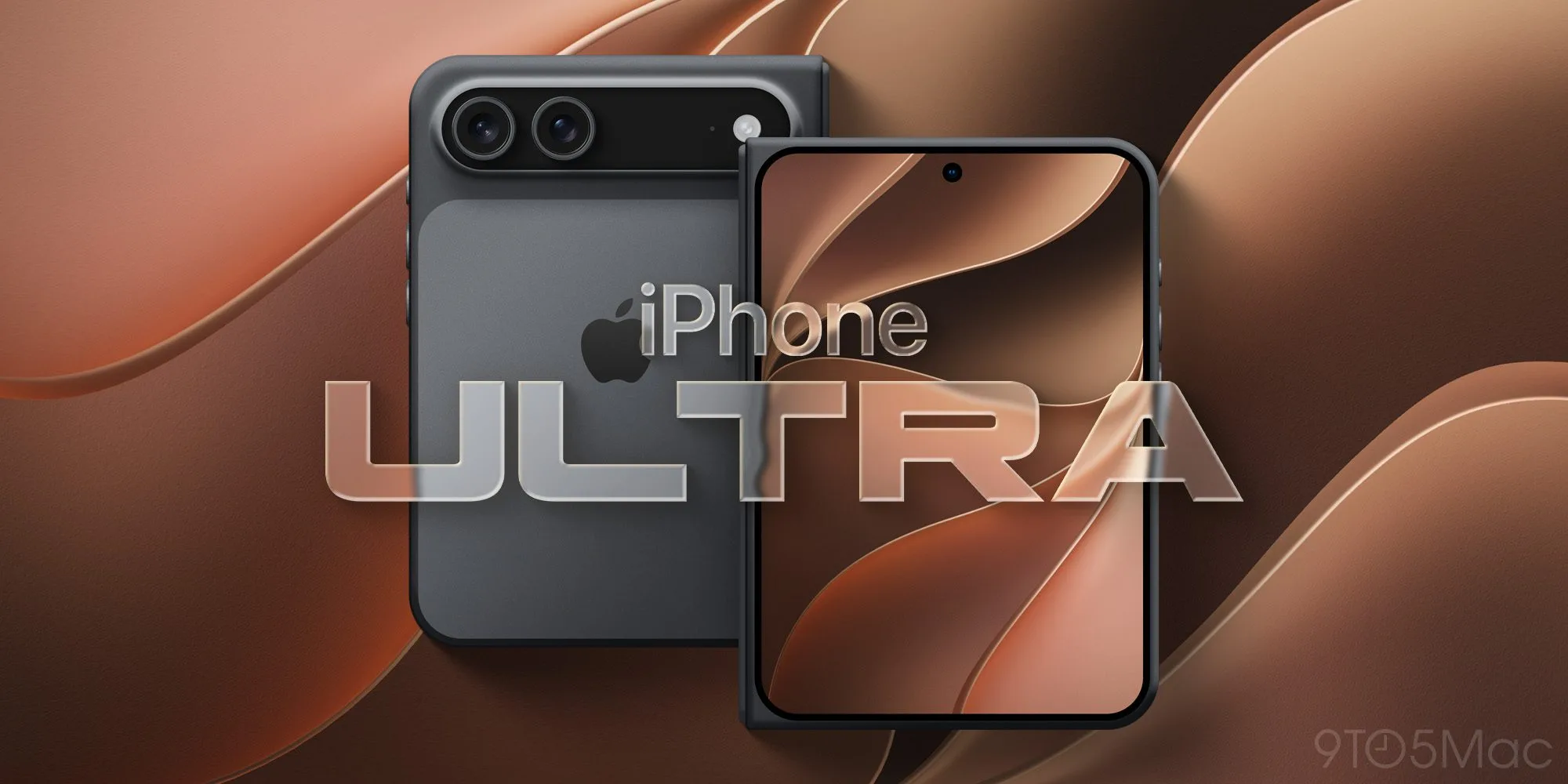
The forecast should still be treated as a market model, not a leaked sales ledger. Apple has not announced a foldable iPhone, its name, or a release date. But years of reporting have pointed to Apple exploring larger folding-screen designs, and the company’s habit of arriving late to a hardware category is hardly new. The original iPhone skipped physical keyboards after BlackBerry had made them ubiquitous; Apple Watch came long after early Android wearables. Sometimes waiting works. Sometimes, remember Apple’s long-running mixed-reality ambitions, it simply raises expectations to an uncomfortable level.
Why the iPhone Ultra foldable matters beyond Apple
Counterpoint expects global foldable shipments to rise 21% year over year in 2026. The firm specifically ties much of that lift to Apple’s arrival, and that seems plausible. An iPhone Ultra foldable would make the category less of a specialist purchase and more of a normal showroom option at carriers and electronics retailers.
The likely target is the book-style form factor: a phone-sized device that opens into a compact tablet. That matters because book-style foldables have a clearer job than their clamshell cousins. A flip phone is mostly a fashionable way to make a standard phone smaller in your pocket. A wider folding device can plausibly replace some tablet use, particularly for email, documents, messaging, travel planning and media.
Counterpoint argues that extra screen room becomes more relevant as AI tools move from chat windows into daily work. It cites document summaries, content editing, schedule management and moving information between apps as tasks that benefit from a flexible layout. I’d argue that assessment is directionally right, though the AI language needs a little cold water. Bigger screens help multitasking whether an assistant is involved or not. The real test is whether Apple and Samsung make those workflows quick enough that people actually change their habits.
An iPhone Ultra foldable would also put unusual pressure on iPad strategy. Apple has long kept the iPhone and iPad in adjacent but distinct lanes. A device that unfolds into something near an iPad mini-sized canvas could blur that boundary fast. Apple will need to show why customers should own all three products rather than simply buy its most expensive phone.
Samsung is already adapting its Fold design
Samsung is not standing still waiting for Cupertino. Its newly announced Galaxy Z Fold8 uses a shorter, wider, passport-like shape, a meaningful move away from the narrow, remote-control proportions that made older Galaxy Folds feel compromised when closed. Samsung mobile product chief Drew Blackard said the resemblance to Apple’s rumored direction is coincidental. Maybe. But markets have a way of making separate product teams arrive at the same answer when customers complain about the same thing.
A wider outer display makes a foldable easier to use as a phone. A wider inner display makes split-screen apps less cramped. Those are not glamorous improvements, but they are the kind that decide whether a device becomes someone’s daily driver or an expensive novelty they show friends for two weeks.
Counterpoint sees Samsung’s share dropping from 40% in 2025 to 32% in 2026, even as it remains the leader. Huawei would fall from 30% to 24%, Motorola from 12% to 8%, and Honor from 7% to 3%. Those declines don’t necessarily mean those brands will sell fewer devices. The pie is expected to grow; Apple is simply projected to take a very large slice of it.
For Samsung, the risk is not merely losing volume. It is losing the role of default premium foldable brand in markets where Apple dominates carrier relationships and affluent buyers. Samsung has done much of the unglamorous work of proving the category can survive several generations. An iPhone Ultra foldable could arrive just when the rough edges have been sanded down.
The hard part is making a foldable feel boringly reliable
There is a reason foldables have not yet broken into the mainstream at the pace vendors once promised. They cost a lot. Their interiors are more vulnerable than conventional glass slabs. Battery capacity, camera hardware and thinness are all harder engineering problems when a hinge occupies the middle of the device. And buyers have learned, often painfully, that a repair can cost almost as much as a decent midrange phone.
Apple’s advantage is that it can refuse to ship until it believes the trade-offs are manageable. Its disadvantage is that it cannot merely match today’s Galaxy Fold experience. At an Ultra-tier price, customers will expect excellent cameras, a thin chassis, strong battery life, credible durability and software that treats the open display as more than a stretched iPhone screen. That is a punishing checklist for any phone, let alone one with a hinge.
The 25% estimate for an iPhone Ultra foldable assumes Apple clears that bar and that supply can meet demand. Both are big assumptions. Apple’s arrival would turn foldables from a Samsung-led experiment into a much more consequential premium-phone battle. The real test is whether Apple can make one feel so ordinary to use that people stop talking about the fold at all.

