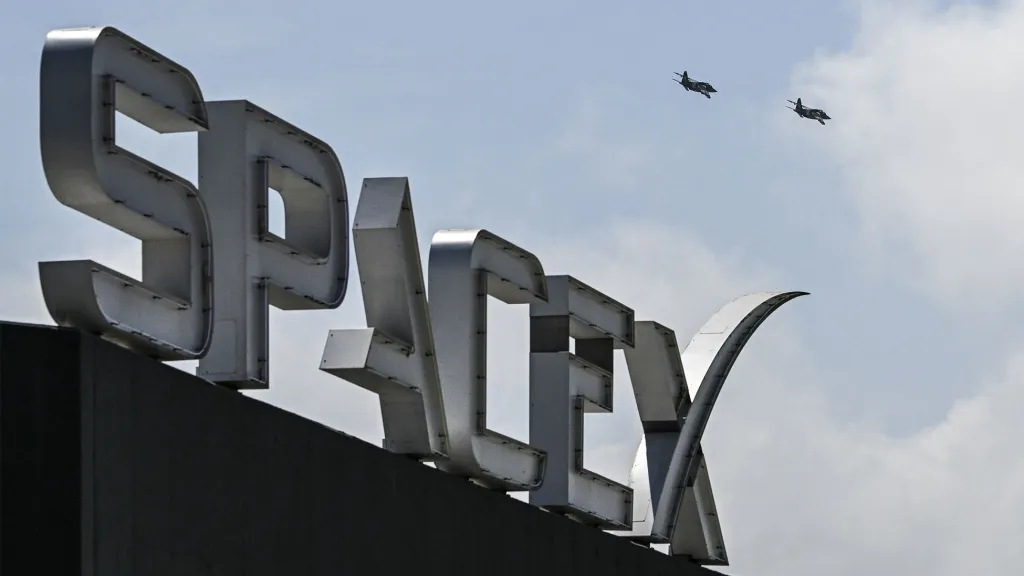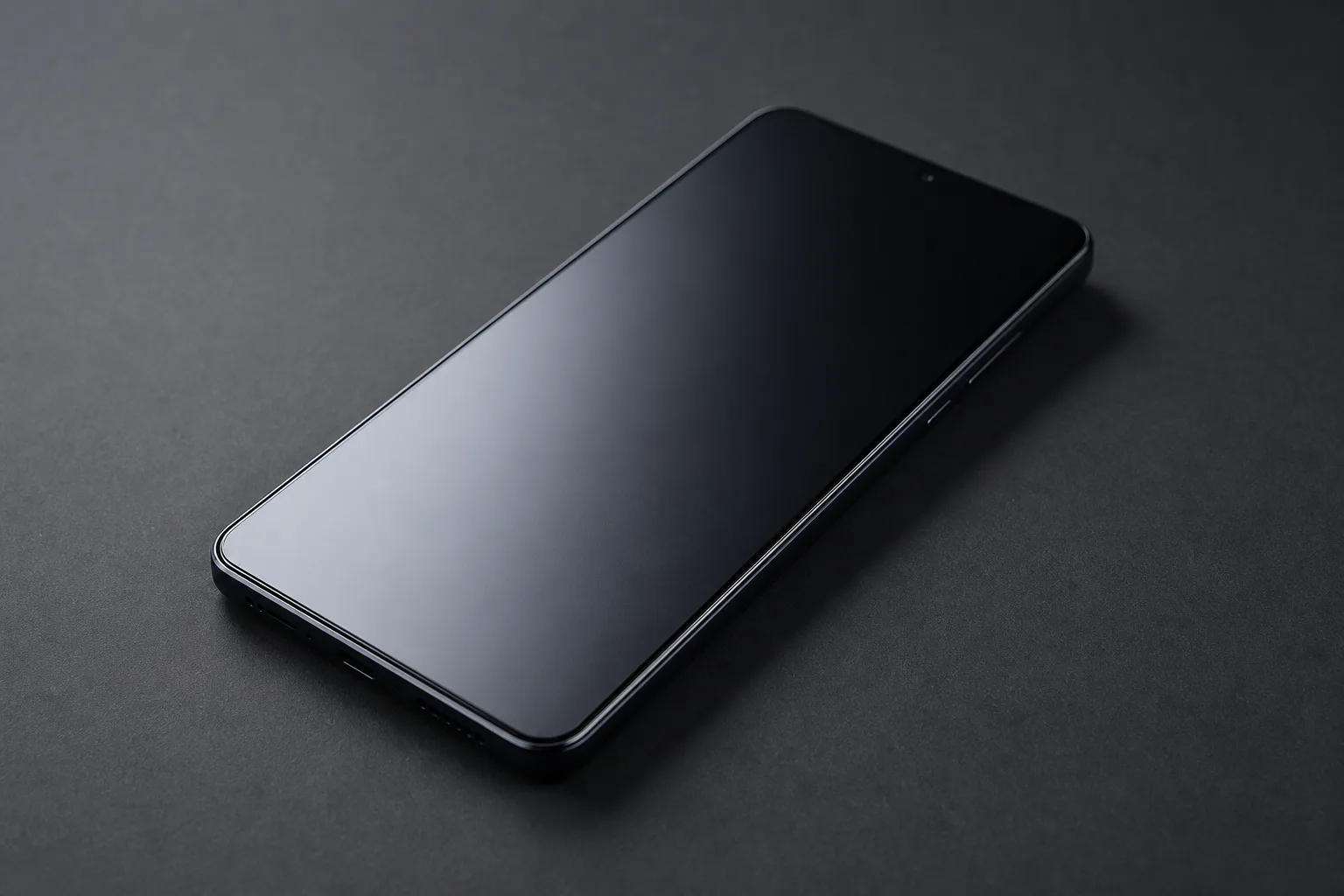
A SpaceX AI device prototype has reportedly been doing the rounds with investors — and if the description holds, it sounds a lot like a phone. According to The Wall Street Journal, SpaceX has been quietly showing stakeholders a ‘handset-like’ device that’s described as sleeker and slimmer than an iPhone. Elon Musk has called the report ‘utterly false.’ And yet, somehow, the story doesn’t feel entirely out of left field.
- SpaceX AI device prototypes have been shown to investors, described as sleeker and slimmer than an iPhone.
- The SpaceX AI device would reportedly run on a proprietary OS and integrate directly with xAI, Musk’s AI company.
- Elon Musk has publicly denied the reports, calling the Wall Street Journal’s account utterly false.
- SpaceX’s move mirrors OpenAI’s own AI hardware push, developed with former Apple design chief Jony Ive.
Table of Contents
What We Actually Know About the SpaceX AI Device
The Wall Street Journal’s reporting describes the SpaceX AI device as an early-stage prototype — the kind of thing you show investors precisely because it’s still malleable enough that no one can hold you to it. ‘Early enough that the design could still change’ is the kind of language companies use when they want to plant a flag without signing their name to a timeline.
What’s more interesting than the form factor is what’s supposedly running underneath. The device is said to use a proprietary operating system and would be tightly integrated with xAI — Musk’s AI company that SpaceX acquired earlier this year. That acquisition raised eyebrows at the time, and this is one plausible explanation for why it happened: consolidating the AI stack in-house, so any hardware SpaceX builds doesn’t have to rely on Google’s Android or anyone else’s platform.
That’s a meaningful distinction. One of the less-discussed problems with most AI gadgets launched in the last two years is that they’ve been built on top of existing mobile operating systems, essentially making them expensive accessories to the phone you already own. A ground-up OS changes the calculus — in theory. Whether SpaceX can actually pull that off is a separate question entirely.
Musk’s Denial and Why It Doesn’t Quite Land
Musk’s response to the report was characteristically blunt. He described the Journal’s account as ‘utterly false’ — which is about as forceful a denial as you’ll get in a tweet. But Musk has a complicated relationship with pre-announcement denials. This is, after all, the same person who spent years insisting Tesla’s Full Self-Driving was perpetually ‘one year away’ and who publicly denied acquisition talks before eventually buying Twitter.
That’s not to say the report is accurate. It might not be. But a single denial from someone with Musk’s track record isn’t exactly a closed case. And the structural logic behind the SpaceX AI device story is coherent enough that it doesn’t need the benefit of the doubt to be taken seriously.
SpaceX Has the Pieces to Make This Real
Here’s what makes this more than idle speculation: SpaceX, alongside Tesla, actually has the manufacturing infrastructure to produce consumer hardware at scale. Tesla builds hundreds of thousands of vehicles annually, manages a global supply chain for batteries and electronics, and has been deepening its own silicon efforts. Musk’s empire also has access to chips — critical given that any serious on-device AI compute requires custom or semi-custom silicon to avoid the latency of cloud processing.
Then there’s the wireless angle. SpaceX has been pushing hard into mobile connectivity through Starlink Mobile, positioning itself as a direct-to-device satellite service that could legitimately challenge Verizon and AT&T’s grip on US wireless. One analyst has gone so far as to suggest that T-Mobile or AT&T could be acquisition targets for SpaceX — though any such deal would be astronomically expensive and would run headlong into regulatory scrutiny that even Musk’s current Washington relationships might not survive.
Still, if you’re building a phone-like AI device and you also happen to own the satellite network it could run on, that’s a vertical integration story that no other hardware maker can match right now. Not Apple, not Samsung, not Google. The SpaceX AI device, if real, would exist in a completely different infrastructure context than anything currently on the market.
The OpenAI Shadow Hanging Over All of This
You can’t discuss the SpaceX AI device without talking about what OpenAI is building — and the long, complicated rivalry between Musk and Sam Altman that gives this a layer of personal competition well beyond normal market dynamics.
OpenAI has been working with Jony Ive, Apple’s former chief design officer, on an AI-native device that Altman has described as something ‘more peaceful’ than an iPhone. The implication being that our current smartphones are anxiety machines, and this new device will somehow be different. Reports from last autumn suggested the project has been running into design and strategic difficulties, and OpenAI recently brought in Paul Meade — Apple’s VP responsible for the Vision Pro headset — to help the hardware team find its footing.
So OpenAI is clearly serious, even if the road there has been bumpy. And if there’s one thing that seems to reliably motivate Musk, it’s the idea that a former ally — in this case Altman, who Musk co-founded OpenAI with before a messy public falling out — might beat him to something. The SpaceX AI device could be as much about competitive instinct as it is about a genuine product strategy.
The AI Hardware Graveyard Is Already Crowded
Before anyone gets too excited, it’s worth remembering what’s already happened in this space. Humane’s AI Pin reportedly launched to widespread mockery and struggled to justify its existence among consumers. Rabbit’s R1 generated genuine buzz before reviews confirmed it was, at best, a curious proof-of-concept. Both companies had talented teams, real funding, and genuine enthusiasm behind them. Neither managed to make an AI device that consumers actually wanted to live with.
The problem isn’t execution — or not just execution. It’s the deeper question of whether a standalone AI device fills a gap that the phone in your pocket doesn’t already cover. Smartphones are already running on-device AI models. Apple Intelligence is baked into iOS. Google’s Pixel line runs Gemini natively. The phone is already the AI device. A new category needs to offer something qualitatively different, not just marginally better.
The SpaceX AI device play — if it’s real — seems to hinge on the idea that native xAI integration and a purpose-built OS can create an experience that feels fundamentally different from unlocking your iPhone and asking Siri something. That’s a bold bet. But with Starlink connectivity baked in and xAI’s Grok model as the AI layer, there’s at least a plausible story to tell. Whether that story is compelling enough for consumers to carry a second device — or swap out their existing phone — is the question nobody has answered yet. The market is waiting for someone to get this right. It just hasn’t happened yet.