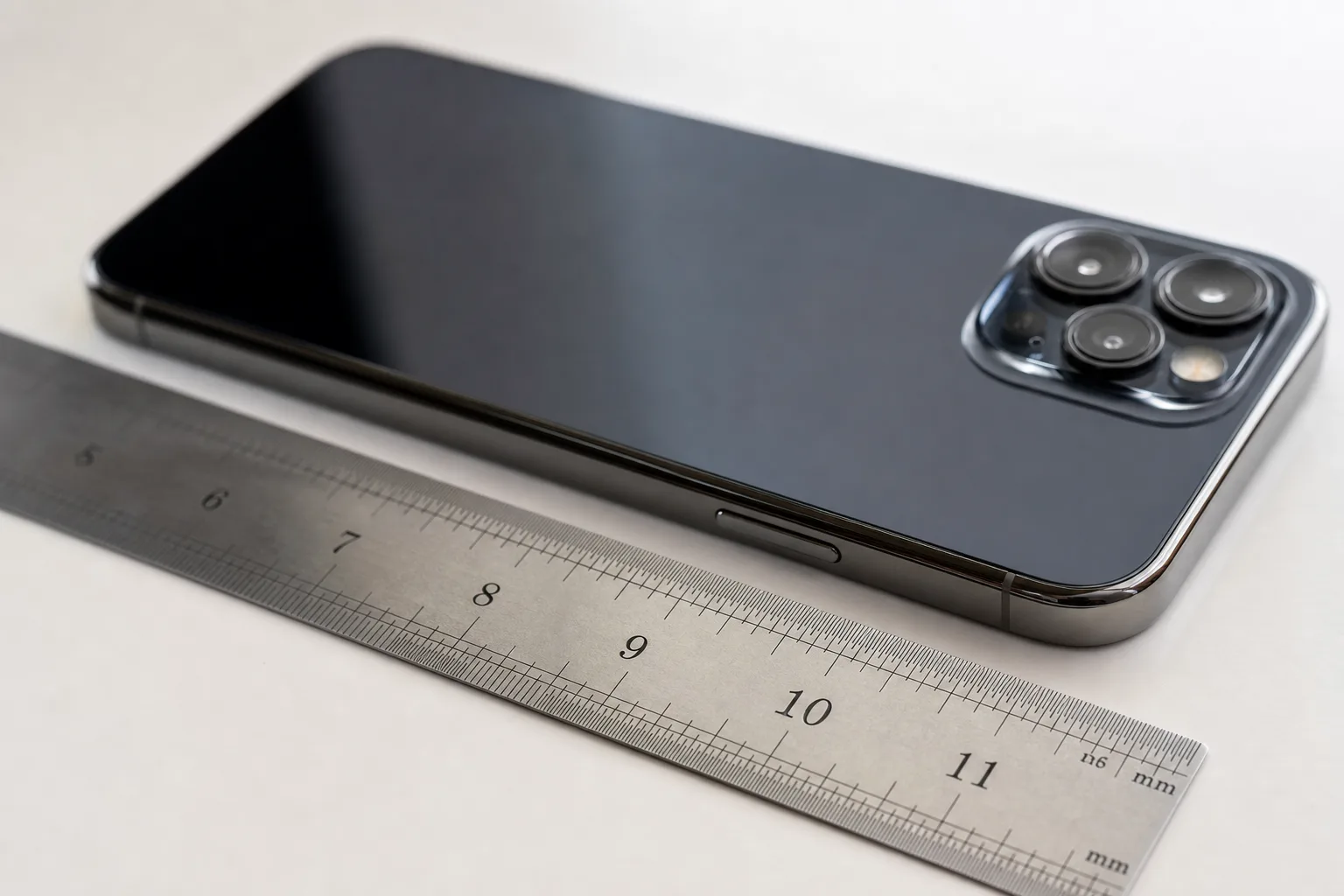
The rumor mill around Apple’s 2026 flagship just got a lot more specific. iPhone 18 Pro thickness is shaping up to be one of the defining design stories of this product cycle, with a respected Weibo leaker now doubling down on claims of a 2mm increase — and pointing to leaked footage from a major Apple supplier breach as corroborating evidence.
- iPhone 18 Pro thickness is expected to increase by approximately 2mm over the current iPhone 17 Pro, per supply chain sources.
- A prominent Weibo leaker says iPhone 18 Pro thickness changes are visible in footage leaked from Apple supplier Tata’s data breach.
- The thicker profile is likely tied to a redesigned rear camera system rumored to include variable aperture on the main lens.
- Leaked drop-test videos from the Tata breach appear to confirm a bulkier camera plateau compared to the iPhone 17 Pro Max.
Table of Contents
The Leaker’s Case: Supply Chain Intel Meets Dark Web Footage
The account behind the claim, known on Weibo as ‘Fixed Focus Digital,’ has a track record that earns it more than casual attention in Apple-watching circles. Several weeks ago, the leaker posted that supply chain feedback indicated the iPhone 18 Pro thickness would increase by approximately 2mm, with the aluminum-alloy backplate growing to match. At the time, it was an isolated data point — interesting but unverified.
That calculus changed when footage began circulating that appeared to originate from a ransomware attack on Tata, one of Apple’s key manufacturing partners. Tata confirmed the breach after a cybercriminal group posted more than 200,000 purportedly stolen files on the dark web, including internal documents, component details, supplier lists, and — critically — videos of iPhone 18 Pro models undergoing drop tests. That last category is what got people talking.
In a follow-up post spotted by MacRumors, Fixed Focus Digital stated: ‘Looking at the leaked Tata images confirms that both the overall iPhone 18 Pro body and the entire rear camera [plateau] have become thicker. This corresponds to the roughly 2mm increase I exclusively shared in Image 2. The final thickness will indeed be somewhat surprising.’ Whether or not you take that final teaser at face value, the convergence of two independent data sources — supply chain chatter and leaked prototype footage — gives this claim more weight than most. The iPhone 18 Pro thickness, in other words, is no longer just a rumor floating in isolation.
What’s Actually Driving the iPhone 18 Pro Thickness Change
A 2mm increase doesn’t happen for no reason. On a device where Apple’s industrial design team obsesses over fractions of a millimetre, a change of that magnitude is a deliberate engineering decision, not an accident. The most credible explanation circulating right now points to a redesigned camera system — specifically, the addition of variable aperture on the main lens. That single hardware decision may be the root cause of the entire iPhone 18 Pro thickness discussion.
Variable aperture is a feature that’s been standard in high-end compact cameras and some Android flagships — notably Samsung’s Galaxy S series — for years. The mechanical iris required to physically adjust the aperture opening takes up more space than a fixed-aperture lens assembly, which would explain why the camera plateau appears noticeably bulkier in the leaked drop-test footage. Users who viewed the Tata clips were quick to note that the camera bump looked more pronounced than even the iPhone 17 Pro Max, which itself drew criticism for its sizable rear camera module.
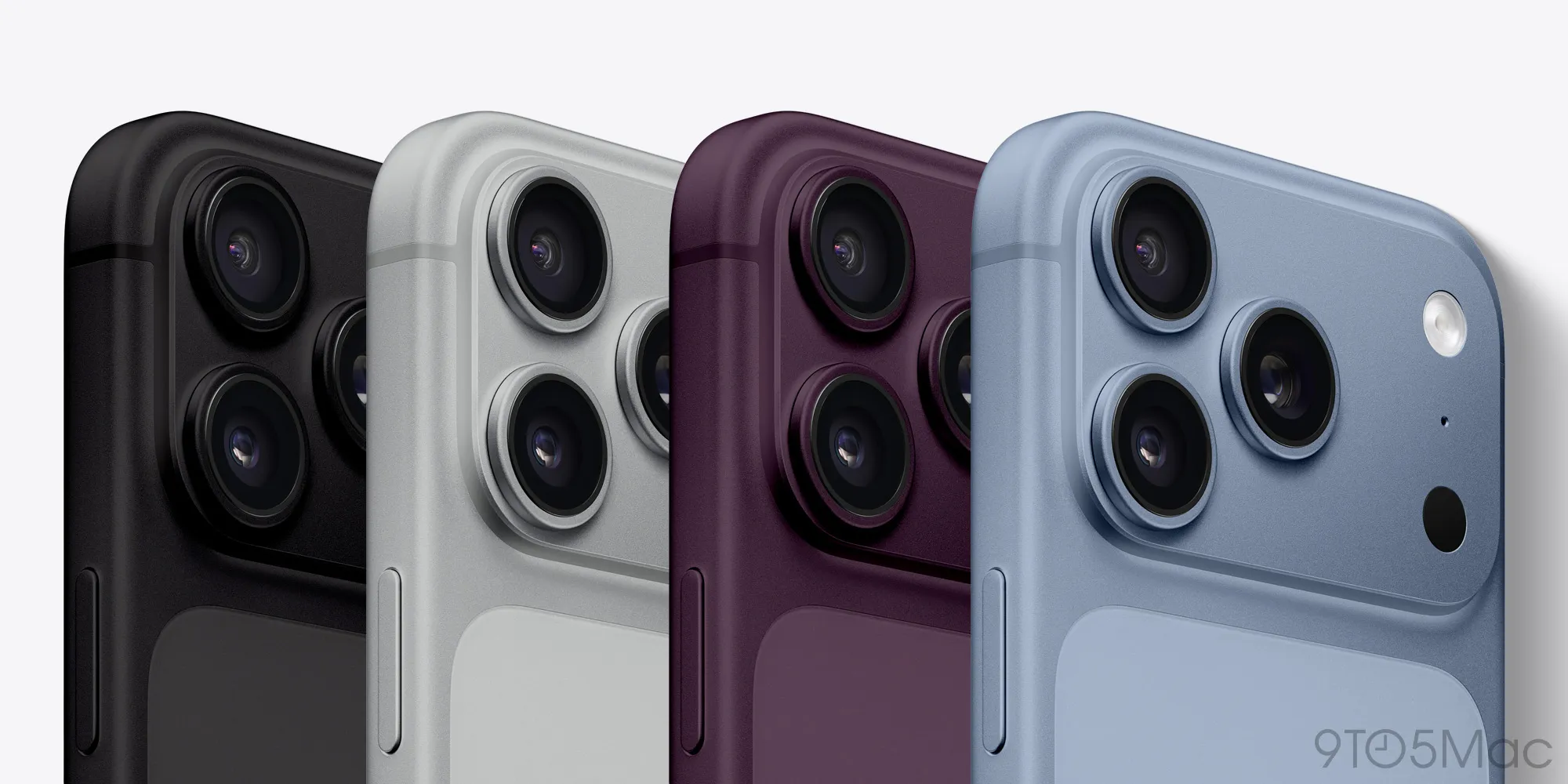
If variable aperture does arrive on the iPhone 18 Pro, it would represent a meaningful photography upgrade — giving users real control over depth of field and low-light performance rather than relying entirely on computational photography to simulate those effects. Apple has leaned heavily on software for camera improvements in recent generations; a hardware-level aperture change would signal a different kind of ambition.
iPhone 18 Pro Thickness in Context: How Much Does 2mm Matter?
To put the number in perspective: the iPhone 17 Pro measures 8.27mm thick. A 2mm addition would push the iPhone 18 Pro thickness to roughly 10mm — a figure that starts to feel meaningfully different in the hand, even if it looks subtle on a spec sheet. For comparison, the original iPhone 6 — the one that bent — was 6.9mm, while the iPhone 14 Pro was 7.85mm. Apple has been creeping upward for several cycles now, partly because battery and camera demands keep growing, and partly because the ultra-thin phone trend has given way to one where consumers seem more willing to accept bulk in exchange for capability.
That said, 10mm is still well within what most people would call a normal smartphone. Samsung’s Galaxy S25 Ultra, for instance, measures 8.2mm. The real question isn’t whether the iPhone 18 Pro thickness makes the phone uncomfortable to hold — it probably won’t — but whether Apple can justify the added size with a tangible photographic leap that users can actually feel in their everyday shooting.
Aluminum Alloy Is Here to Stay, According to the Leaker
One other detail from Fixed Focus Digital is worth flagging. The leaker reiterated that the iPhone 18 Pro lineup will stick with aluminum alloy for its midframe, reportedly pushing back against speculation about alternative frame materials. Their view is that aluminum alloy midframes will remain ‘common in slab-style phones for a long time’ — a claim that aligns with the cost and manufacturing realities that Apple faces as it tries to maintain margins across a sprawling product line. Notably, this material choice does nothing to offset the iPhone 18 Pro thickness increase, since aluminum and titanium carry comparable weight profiles at these dimensions.
Titanium looks premium and carries a marketing halo, but it’s harder to machine and more expensive to source at scale. Aluminum gives Apple flexibility on pricing and production volume, particularly as it tries to keep the base iPhone 18 and iPhone 18 Pro at price points that don’t alienate the mainstream market.
Reading the Tata Breach Tea Leaves
There’s an uncomfortable dimension to all of this that the Apple rumor community tends to gloss over. The footage and documents underpinning these leaks came from a criminal ransomware attack on a supplier that employs tens of thousands of people. Tata’s confirmation of the breach last month was a reminder that the global electronics supply chain is a target — and that the most sensitive pre-release product details in the consumer tech world are only as secure as the weakest link in a sprawling network of partners and subcontractors.
Apple has historically pursued legal action against leakers and has tightened its supply chain security protocols over the years, but breaches at the supplier level are much harder to prevent unilaterally. The fact that iPhone 18 Pro thickness measurements and design details appear to be fairly well-documented almost a year before the expected September 2026 launch is a headache Apple would clearly prefer not to have.
As for what comes next: if variable aperture does make it into the final product, the iPhone 18 Pro thickness story will quickly become secondary to what that camera can actually do. Apple’s real challenge won’t be convincing people to accept a slightly thicker phone — it’ll be demonstrating that the hardware inside makes the trade-off worth it. Given how competitive the flagship camera market has become, with Google’s Pixel 9 Pro and Samsung’s Galaxy S25 Ultra both pushing hard on computational and optical photography, Apple has strong incentive to make this one count.
Frequently Asked Questions
How much will the iPhone 18 Pro thickness increase compared to the iPhone 17 Pro?
According to leaker Fixed Focus Digital, the iPhone 18 Pro thickness will increase by approximately 2mm. The change is said to affect both the overall body and the rear camera plateau, likely due to a redesigned lens system potentially bringing variable aperture to the main camera.
What is the Tata supplier data breach and how does it relate to iPhone 18 Pro leaks?
Last month, Apple supplier Tata confirmed a ransomware attack that resulted in over 200,000 files appearing on the dark web. These reportedly included internal documents, component details, and drop-test videos of iPhone 18 Pro prototypes, which appear to support the 2mm thickness claim.
What material will the iPhone 18 Pro frame use?
The same Weibo leaker says the iPhone 18 Pro will continue using an aluminum alloy midframe. They also noted that aluminum alloy midframes are expected to remain standard in slab-style smartphones for the foreseeable future.
Does a thicker iPhone 18 Pro mean a bigger battery?
The source material doesn’t confirm a larger battery, though a thicker chassis often allows for increased battery capacity. The primary driver of the added bulk appears to be the redesigned camera system, but a bigger cell would be a logical side benefit.