- Apple’s iCloud+ price increases now affect Egypt, Nigeria, Türkiye, Indonesia, Japan, New Zealand, the Philippines, and Vietnam.
- The latest iCloud+ price increases range from modest adjustments to steep jumps, particularly for Nigerian customers on higher-capacity storage tiers.
- Apple is also billing iCloud+ customers in Laos, Mauritius, and the Republic of Congo in U.S. dollars, with applicable VAT.
- The storage changes follow recent Apple Music, Apple One, iPhone, MacBook, and iPad price moves across multiple markets.
Table of Contents
Apple’s cloud storage bill is getting heavier
The latest iCloud+ price increases may barely register on one month’s bill, but the timing is hard to ignore. Apple has raised storage prices across Egypt, Nigeria, Türkiye, Indonesia, Japan, New Zealand, the Philippines, and Vietnam, following a string of price adjustments to its hardware and other subscriptions.
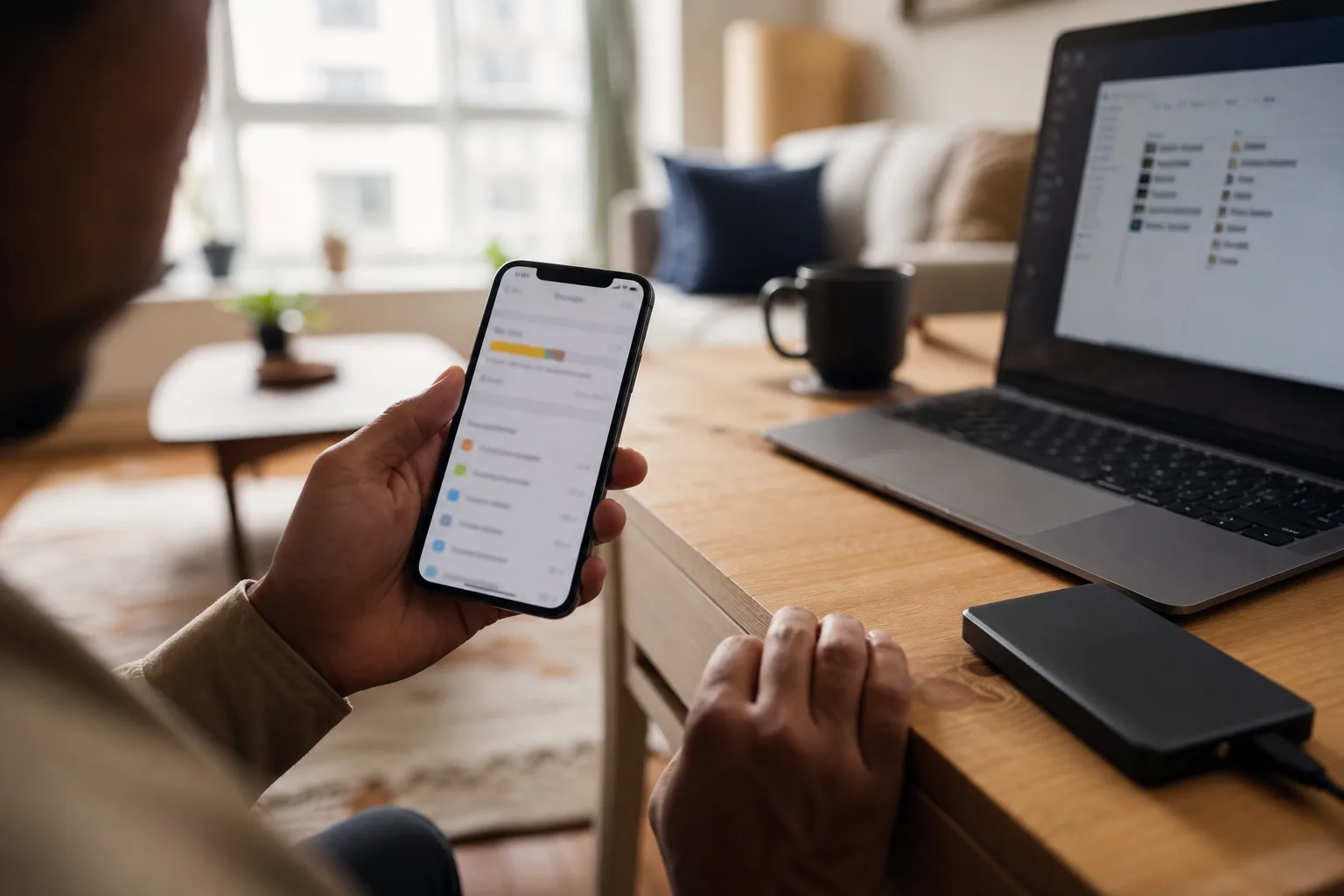
For anyone living inside Apple’s ecosystem, iCloud is less an optional add-on than the plumbing. It backs up iPhones, synchronizes photos, stores messages, keeps files available across devices, and supports the shared family setups Apple has spent years encouraging. Once a household’s photo library is measured in hundreds of gigabytes, dropping back to the free 5GB tier isn’t really a choice. It’s like being offered a smaller garage after you’ve already filled the one you have.
Apple has not publicly tied these particular changes to a single cause. Currency swings, local tax treatment, payment processing, and broader operating costs can all affect regional digital pricing. But the timing matters: Apple has also adjusted Apple Music and Apple One prices in several places, while hardware prices have moved in the US and Japan. The iCloud+ price increases look like part of a wider review of what the company thinks its international customer base can absorb.
Where the iCloud+ price increases are landing
The iCloud+ price increases vary sharply by country and by storage tier. Japan, for instance, now pays ¥180 per month for 50GB, up from ¥150; ¥540 for 200GB, up from ¥450; and ¥1,800 for 2TB, up from ¥1,500. Its 6TB and 12TB plans have risen to ¥5,500 and ¥11,000, respectively.
New Zealand sees the entry plan rise from NZ$1.69 to NZ$1.99 a month. The 200GB tier is now NZ$5.99, 2TB costs NZ$19.99, 6TB is NZ$59.99, and 12TB reaches NZ$119.99. None of those figures is devastating on its own. But subscriptions have a habit of accumulating quietly: music, video, games, password managers, home security, and now an increasingly expensive pile of cloud storage.
Nigeria has the most eye-catching percentage moves. The 50GB plan climbs from ₦900 to ₦1,300, while 200GB moves from ₦2,900 to ₦4,500. The 2TB plan rises from ₦9,900 to ₦14,900, and the biggest plans jump from ₦26,900 to ₦39,900 for 6TB and from ₦44,900 to ₦66,900 for 12TB. Those are increases of roughly one-third to more than one-half, depending on the plan.
Türkiye’s new pricing puts 50GB at 49.99 TL, 200GB at 169.99 TL, and 2TB at 549.99 TL. The 6TB and 12TB options are now 1,699.99 TL and 3,399.99 TL. Egypt, the Philippines, and Vietnam have also received increases across every listed plan, while Indonesia has held the 50GB option at Rp15,000 but raised its larger tiers. Its 2TB plan, for example, moves to Rp199,000 from Rp169,000.
Why the small plans matter more than Apple may think
Apple’s iCloud+ price increases expose the less charming side of the company’s famously sticky ecosystem. The free iCloud allowance has remained at 5GB for years, even as iPhone cameras have gone from producing manageable JPEGs to huge high-resolution photos, Live Photos, 4K video, and spatial captures. A modern iPhone can chew through 5GB before lunch on a holiday weekend.
That makes the entry-level 50GB plan especially important. It is the pressure-release valve for people who do not need terabytes but do need their phone to back up reliably. In several affected markets, that plan has risen by around 20% to 32%. For an affluent Apple customer, perhaps that is background noise. For students, families, and users in markets where exchange rates have been punishing, it is another recurring charge attached to a device that was already expensive.
Apple would argue, fairly, that iCloud+ includes more than storage. Paid tiers can include Private Relay, Hide My Email, custom email domains, and HomeKit Secure Video support, depending on the plan and feature availability. The company’s official iCloud+ plan page lays out the storage options and bundled privacy features. Still, most people subscribe for one plain reason: their photos and backups no longer fit.
Competitors offer an uncomfortable comparison. Google One includes 100GB at a low entry price in many markets and folds its storage into Gmail, Drive, and Google Photos. Microsoft sells OneDrive capacity alongside Microsoft 365. Neither alternative is frictionless for an iPhone-first household, but they make Apple’s 5GB free tier feel increasingly antique.
More countries are moving to dollar billing
Alongside the direct iCloud+ price increases, Apple now lists Laos, Mauritius, and the Republic of Congo as regions where iCloud+ upgrades are charged in US dollars, with VAT potentially adding a little more. Mauritius and the Republic of Congo show monthly prices starting at US$1.19 for 50GB and rising to US$69.99 for 12TB. Laos starts at US$0.99 for 50GB and reaches US$64.99 for 12TB.
Dollar billing may make Apple’s pricing easier to administer, but it puts the exchange-rate risk on customers. If a local currency weakens, a stable dollar price becomes a moving target in local terms. That is particularly frustrating for a service designed to fade into the background. Nobody wants to think about cloud storage until an unexpected payment decline means their phone has stopped backing up.
Apple is testing the limits of subscription fatigue
There is no easy escape hatch for many customers affected by these iCloud+ price increases. Moving a large photo library to another provider takes time, bandwidth, and a degree of trust in a new company. Turning off iCloud Photos creates a mess of device-specific libraries. Staying put is often the practical answer, which is precisely why cloud storage is such dependable subscription revenue.
That does not mean Apple can raise prices forever without consequence. The company’s services business has become a major growth engine, and investors like its predictability. Users, on the other hand, are starting to see the cumulative cost of being deeply invested in Apple hardware. If these iCloud+ price increases keep arriving alongside pricier iPhones and higher entertainment subscriptions, Apple may discover that ecosystem loyalty has a monthly limit.