

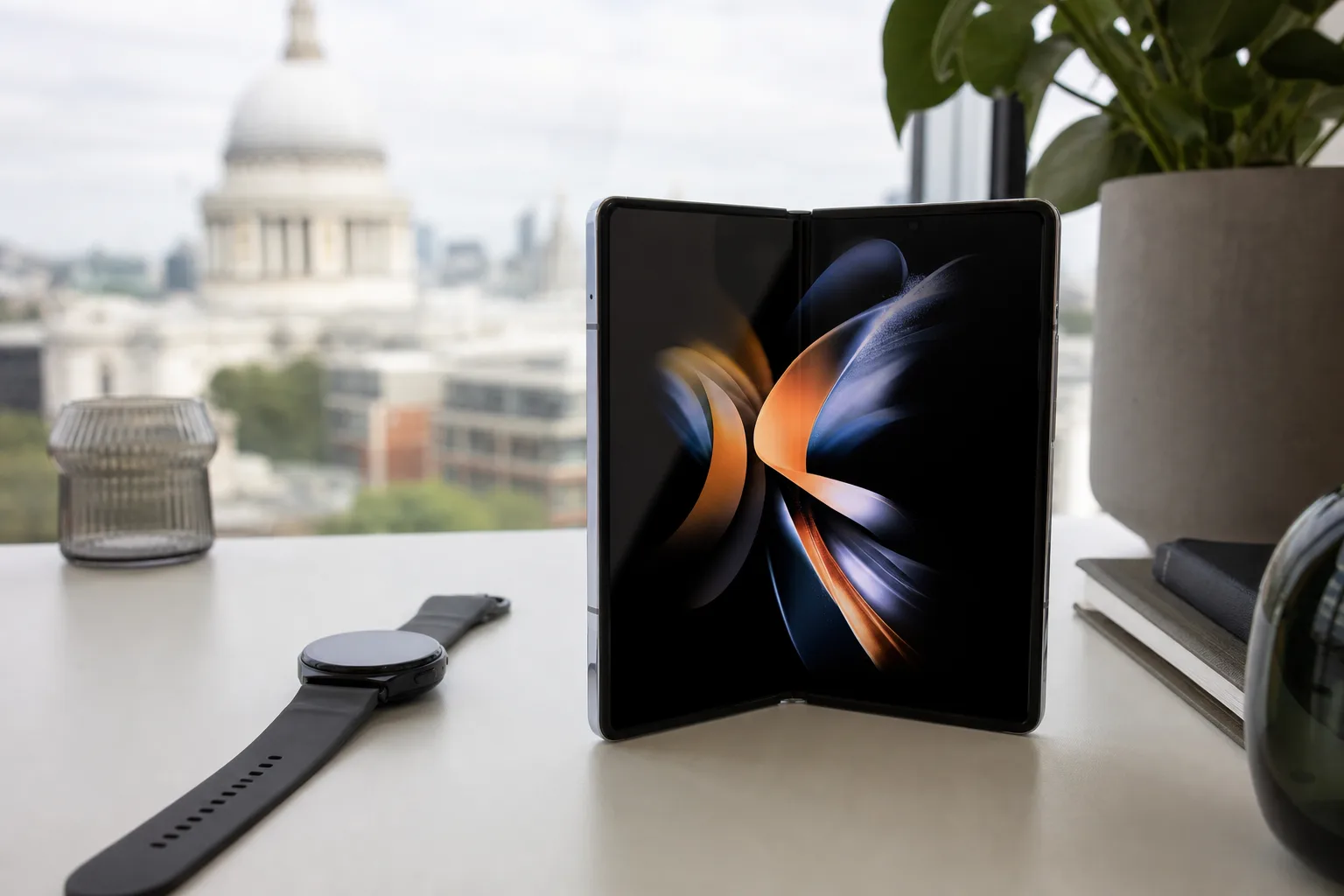
- Galaxy Z Fold 8 is expected to debut as Samsung’s wider, lower-priced foldable at the company’s July 22 London event.
- The Galaxy Z Fold 8 Ultra may become Samsung’s familiar book-style flagship, with a 200MP camera and an expected $2,099 starting price.
- Samsung is also expected to introduce the Galaxy Z Flip 8, Galaxy Watch 9 lineup, Watch Ultra 2, and One UI 9 details.
- The naming shift could make Samsung’s foldable lineup easier to understand, though higher prices may remain the category’s biggest obstacle.
Table of Contents
Galaxy Z Fold 8 could force Samsung to pick a lane
Samsung’s summer Unpacked shows have become predictable in the best and worst ways: new folding phones, new watches, a few software promises, then the annual question of whether anybody outside the enthusiast crowd should spend laptop money on a handset. This year’s Galaxy Z Fold 8 event, scheduled for July 22 in London, looks more interesting because Samsung may finally be reorganizing the Fold family rather than simply polishing it.
The core rumor is a slightly confusing one. The device called the Galaxy Z Fold 8 is reportedly a wider, landscape-leaning foldable, while the familiar tall, book-style Fold could wear the new Galaxy Z Fold 8 Ultra name. That sounds backward at first glance. But Samsung has spent years letting its Ultra label signal the product with the most hardware and highest price, so the move would make commercial sense even if it makes next year’s buying guide more annoying.
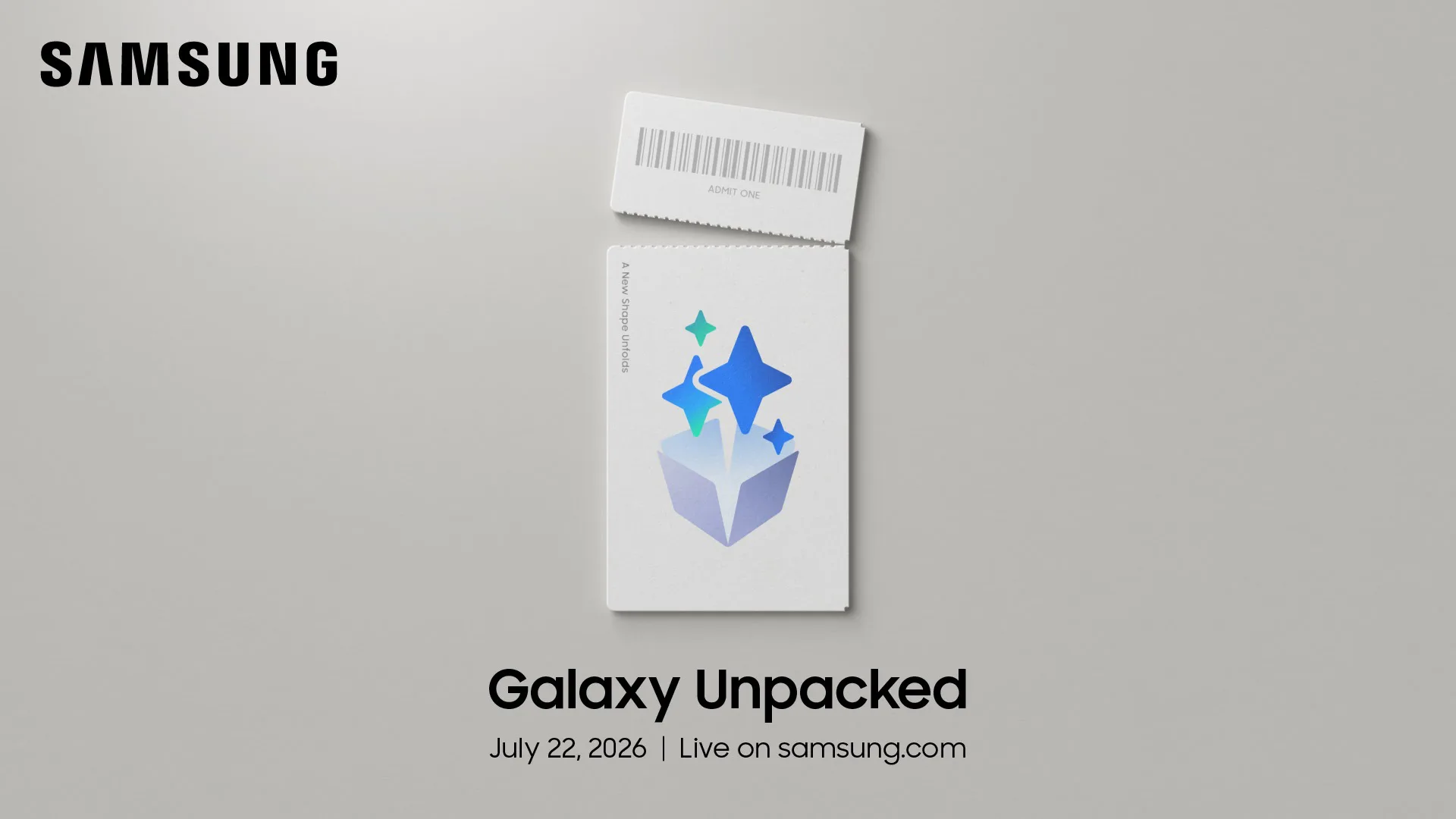
The event is scheduled for July 22 in London, although Samsung has not publicly confirmed the product list or specifications. Most of the details circulating ahead of the show remain leaks. Treat them accordingly. Product rumors have a habit of being extremely specific right up until they aren’t.
A wide Fold is the intriguing part
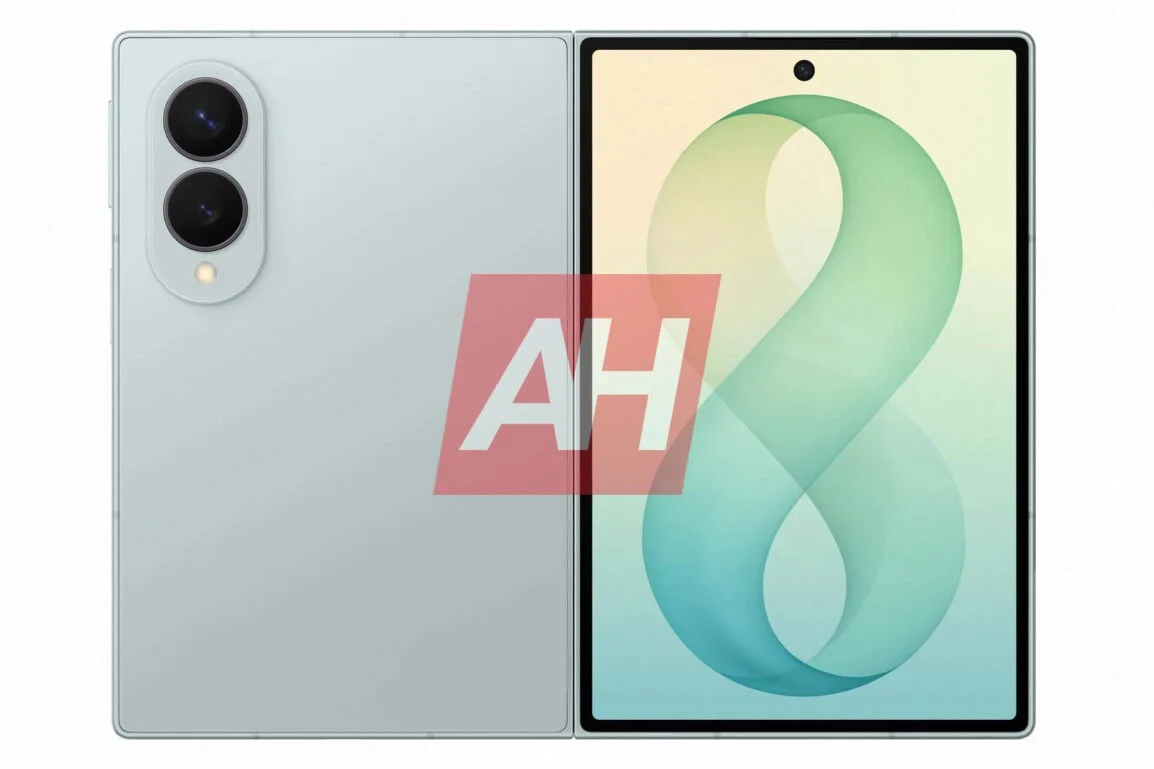
The rumored standard Galaxy Z Fold 8 could be the real swing here. Reports point to a 5.5-inch outer display and a 7.6-inch internal panel, both at 120Hz, in a notably wider body than Samsung’s usual Fold design. The proposed cover-screen resolution, 1,972 by 1,248, hints at something closer to a compact tablet that happens to close than a narrow phone that happens to open.
That distinction matters. Samsung’s existing Fold formula has gradually improved, but its slim outer display has always asked users to compromise on ordinary phone tasks. Typing long messages, managing an inbox, scrolling a webpage: all workable, none especially pleasant. Google’s Pixel Fold and later Pixel 9 Pro Fold pushed the market toward more natural, passport-like proportions. OnePlus took a different route with the Open, prioritizing a thin chassis and a broad screen. Samsung, frankly, has been late to that party.
If the Galaxy Z Fold 8 lands around $1,899 as rumored, it would still be wildly expensive. Yet it may be Samsung’s clearest answer to the persistent complaint that Fold phones force buyers to choose between a good phone shape and a good small-tablet shape. A 50-megapixel main camera, 50-megapixel ultrawide camera, Snapdragon 8 Elite Gen 5 for Galaxy chip, 4,800mAh battery, and 45W wired charging are all reportedly on the sheet. The camera setup is less ambitious than an Ultra’s, but it may be enough if Samsung puts the money into making the hardware genuinely pleasant to hold.
The Galaxy Z Fold 8 Ultra looks like the expensive familiar option
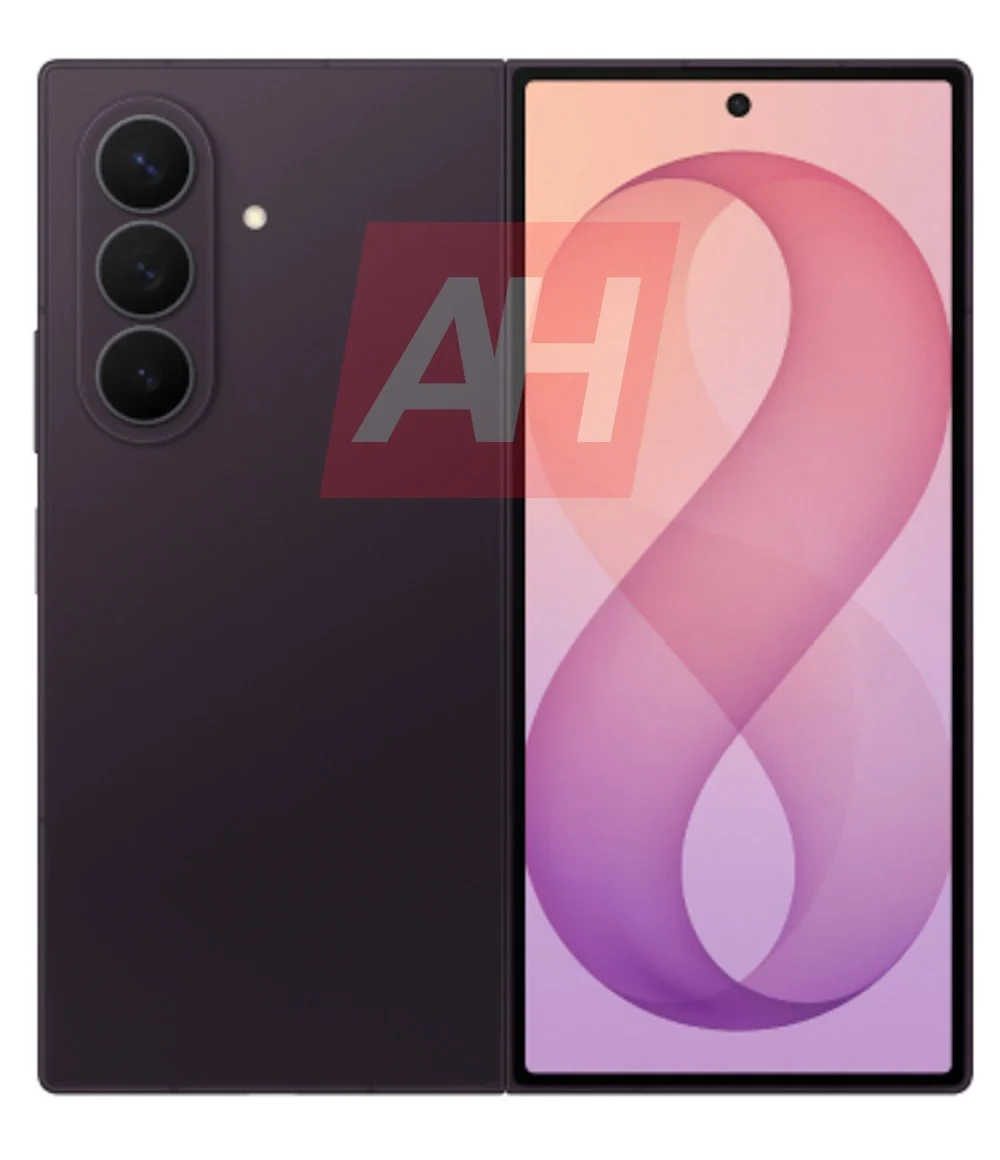
The rumored Galaxy Z Fold 8 Ultra, meanwhile, appears to be the direct continuation of Samsung’s established Fold flagship. It is expected to pair a 6.5-inch cover display with an 8-inch internal screen, with reports claiming the larger panel will be effectively creaseless. Samsung has been chasing a less visible crease for years, and competitors have made the crease increasingly difficult to excuse. This is one of those specifications people dismiss in launch coverage, then notice every single time they read a white-background webpage.
Its cameras would justify the Ultra billing more clearly. Leaks suggest a 200-megapixel main sensor, a 50-megapixel ultrawide, and a 10-megapixel 3x telephoto camera. That ultrawide would be a serious improvement over the 12-megapixel hardware reportedly used on the prior Fold generation. Samsung’s Fold cameras have long trailed its Galaxy S Ultra phones; a 200-megapixel sensor would narrow the gap, though sensor size, image processing, and lens quality will decide whether it actually changes the pictures people take.
The problem is the reported $2,099 entry price. At that number, the Galaxy Z Fold 8 Ultra has to compete with a premium phone and a respectable tablet bundled together in a shopper’s head. It also makes a foldable feel less like a consumer product and more like a work expense. There will absolutely be buyers for it. But Samsung needs volume, not merely a dependable audience of executives, gadget collectors, and people who use split-screen Slack while pretending to watch a meeting.
The Flip may be standing still
Not every part of Samsung’s rumored lineup carries the same energy. The Galaxy Z Flip 8 is said to retain a 6.9-inch 120Hz inner display, 4.1-inch external display, 50-megapixel main camera, 12-megapixel ultrawide, and 10-megapixel selfie camera. The biggest change may be a newer processor: Qualcomm’s Snapdragon 8 Elite Gen 5 in the US, with Samsung’s Exynos 2600 potentially used elsewhere.
That’s not automatically bad. The Flip is arguably Samsung’s most legible foldable product because people immediately understand the appeal of a full-size phone that folds into a smaller pocketable square. But a likely European starting price of €1,299 would be hard to stomach for what sounds like a modest refresh. The category has matured enough that customers can reasonably demand better battery life, better cameras, or a meaningful durability gain rather than a chip upgrade and a fresh color.
Samsung is also expected to show the Galaxy Watch 9 family and Galaxy Watch Ultra 2. Leaks point to 40mm and 44mm Watch 9 models, Snapdragon Wear Elite SW6100 chips, up to 64GB of storage, and familiar battery capacities of roughly 325mAh and 445mAh. Health features will probably dominate Samsung’s stage time, as they do for every smartwatch maker now. The useful test is simpler: do these watches deliver reliable sleep, exercise, and recovery data without asking people to charge yet another device at an inconvenient hour?
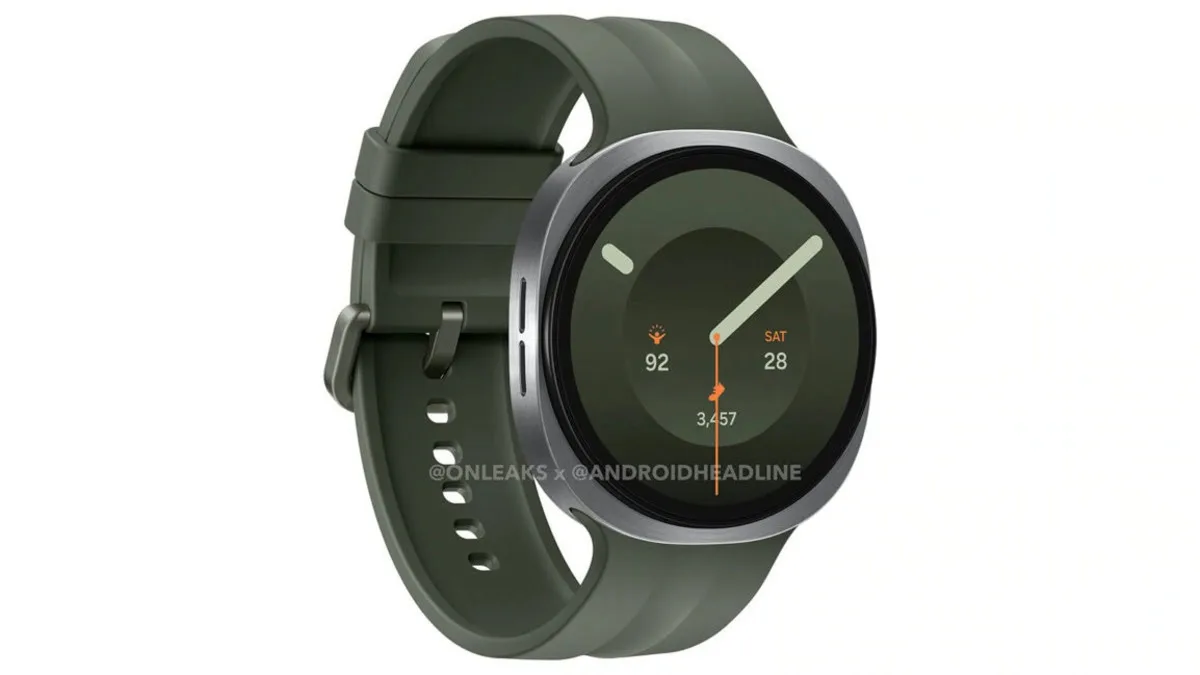
Samsung needs a clearer foldable lineup
The Galaxy Z Fold 8 launch arrives at a delicate point for foldables. The technology is no longer a novelty, but it still hasn’t become ordinary. Durability concerns have eased, software has improved, and screens have gotten better. Prices, however, remain stubbornly high, while conventional flagship phones have become so competent that the foldable pitch needs to be more than ‘look, it bends.’
My read is that Samsung’s alleged two-Fold strategy is sensible. Give people who want a broader, more tablet-like device a relatively less painful option. Give the hardware maximalists a camera-heavy Ultra. Then let the Flip serve shoppers who value compactness over productivity. That’s a clearer lineup than one Fold trying to satisfy every buyer and inevitably leaving someone annoyed.
Still, naming will matter, pricing will matter more, and execution matters most. If Samsung can make the Galaxy Z Fold 8 feel normal in the hand and genuinely useful when open, it could finally turn foldables into a category defined by preference rather than compromise. If it merely splits last year’s concept into two more expensive versions, well, consumers have seen that sequel before.

