

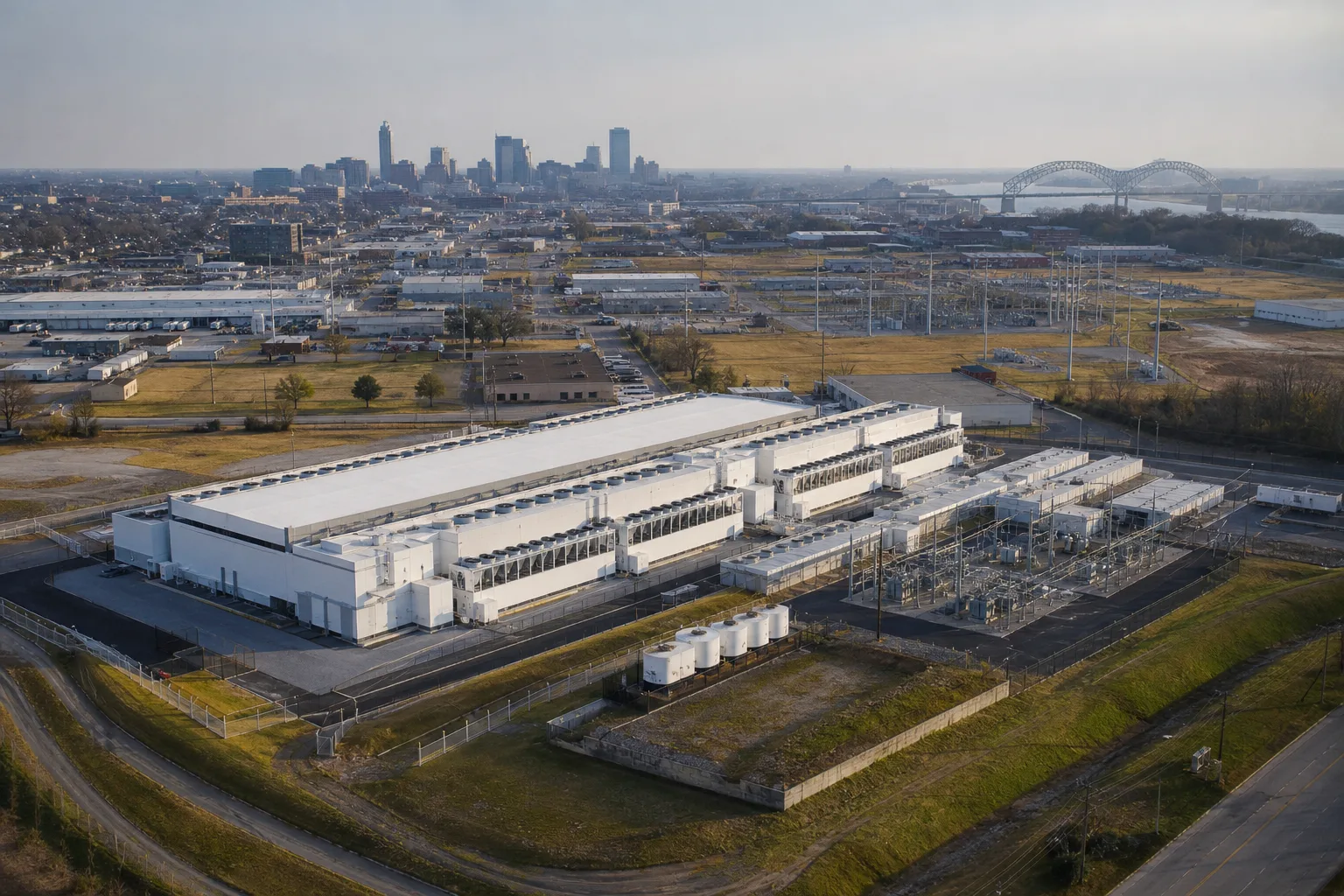
- A federal judge rejected xAI’s dismissal bid, allowing the xAI Memphis data center pollution lawsuit to move into its next phase.
- The xAI Memphis data center case centers on allegations that methane turbines operated without permits required under the Clean Air Act.
- Judge Debra M. Brown found xAI could not claim a mobile-source exemption for a power installation serving a fixed data center.
- The dispute puts AI infrastructure expansion on a collision course with local air-quality concerns and environmental justice advocates.
Table of Contents
xAI Memphis data center lawsuit clears a crucial early hurdle
Elon Musk’s AI ambitions in Tennessee just ran into a legal reality check. A federal judge has refused to throw out the lawsuit over the xAI Memphis data center, allowing the NAACP to press claims that the company operated methane gas turbines without permits and violated the Clean Air Act.
That doesn’t mean xAI has lost the case. It means the company will have to answer the allegations in court, rather than make them disappear through an early procedural argument. For a company racing to build the physical backbone for frontier AI, that distinction matters a great deal.
The suit, filed by the NAACP in April, targets xAI’s operations in South Memphis, where its Colossus supercomputer facility has become one of the most visible symbols of the AI industry’s enormous appetite for electricity. The organization alleges that xAI used unpermitted gas-fired turbines to supply power for its computing operation, exposing nearby residents to additional air pollution.
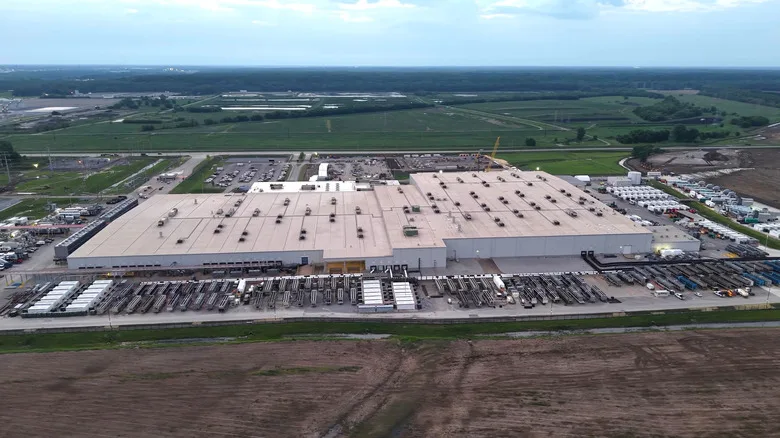
US District Judge Debra M. Brown rejected xAI’s argument that its turbines were exempt from permitting because they were mobile. Her ruling drew a straightforward line: a collection of turbines providing electricity to a fixed power plant serving a fixed data center does not become mobile merely because individual equipment may be capable of being moved.
Frankly, that is the sensible reading. You can put wheels on a generator, but when dozens of generators are assembled into the electrical lifeline of a major industrial computing campus, calling the operation temporary starts to sound like calling a food-truck park a restaurant-free neighborhood.
Why the xAI Memphis data center fight is about more than permits
The xAI Memphis data center is not an ordinary server farm. It has been presented as a major training hub for Grok, xAI’s chatbot and model family, and it sits within an AI infrastructure race where companies are treating power capacity as a strategic asset. Nvidia GPUs get the headlines, but electricity is the thing that decides whether those GPUs actually do useful work.
That has created a collision between Silicon Valley’s rhetoric about national competitiveness and the far more local question of who breathes the emissions. The NAACP’s case places environmental justice at the center of that collision. South Memphis has long faced concerns around industrial pollution and public health; residents are not wrong to ask why a fast-moving AI buildout should receive special tolerance for equipment that other industrial operators would need to permit.
xAI sought dismissal with support from the US Department of Justice, which argued that the company’s operations were important to US military activities. That intervention is revealing. Washington increasingly sees advanced AI capacity as national infrastructure, not simply another commercial cloud service. But national-security arguments don’t automatically erase environmental law, and they shouldn’t. The Clean Air Act is built around the premise that industrial activity has rules even when the industry insists it is urgent.
Emissions from stationary sources are subject to federal and state regulatory frameworks designed to protect public health. A data center powered by on-site fossil fuel equipment doesn’t escape that framework because its final product happens to be artificial intelligence.
The turbine dispute could shape AI’s build-at-any-cost era
The immediate legal question is narrow: whether xAI’s turbines needed permits and whether their operation breached the Clean Air Act. The larger xAI Memphis data center dispute arrives as data center development becomes a kitchen-table issue in communities from Virginia to Arizona.
For years, the cloud industry sold data centers as largely invisible infrastructure. They were big, sure, but mostly quiet buildings full of servers. Generative AI has changed the equation. These campuses require enormous amounts of power, can strain local grids, consume substantial water in some designs, and may turn to diesel or gas generation when utility connections cannot arrive quickly enough.
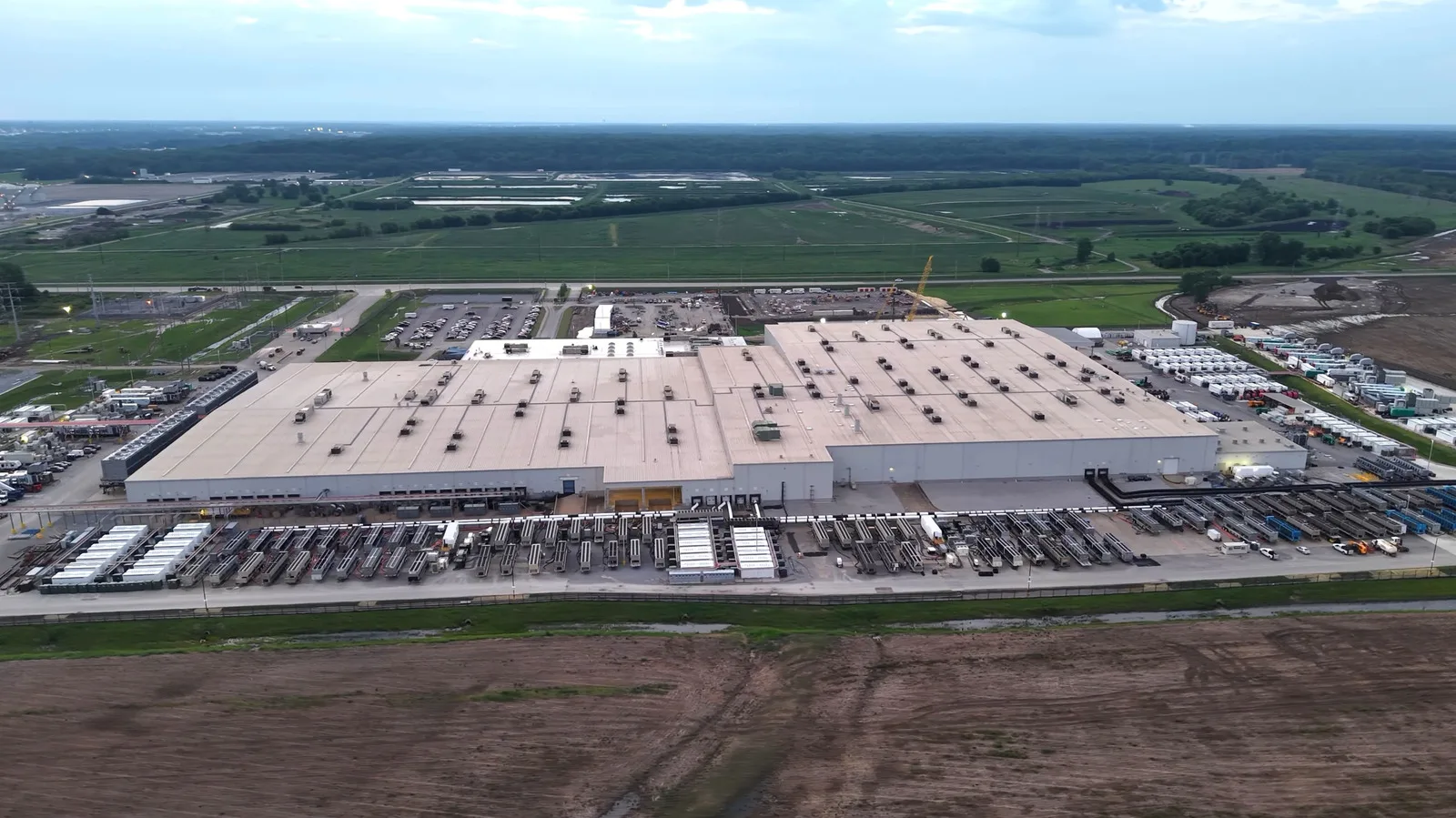
xAI’s Memphis operation is especially instructive because speed appears to be central to the project’s logic. That is the bet: build the cluster, train the model, ship the product before the competition catches up. The industry loves that story. But power plants and air permits operate on timelines that cannot simply be wished away.
We have seen versions of this before. Cryptocurrency miners chased cheap electricity and created conflicts with grids and local residents. Logistics warehouses arrived with promises of investment, then communities dealt with truck traffic and diesel exhaust. AI data centers are poised to make those fights bigger because the money involved is bigger and the demand curve is far steeper.
What happens next for xAI and Memphis
The NAACP still has to prove its claims. xAI will have opportunities to contest the facts, the alleged emissions, and the appropriate remedy. Judge Brown’s decision is an early ruling, not a final judgment on liability.
Yet the case puts pressure on xAI while it expands elsewhere in the region. The source allegations point to additional gas turbines at a site near Southaven, Mississippi, just south of Memphis. If regulators and courts conclude that temporary generation is being used as a workaround for large permanent AI facilities, other developers should pay attention. The implications will extend well beyond one company.
My read is that the AI industry’s physical footprint is finally catching up with its marketing. Companies can promise digital assistants, scientific discovery and national advantage all they want. Communities will judge them by the power lines, water usage, noise, tax deals and air outside their windows. The xAI Memphis data center case may not decide the future of AI, but it could help establish whether AI’s race for scale has to obey the same rules as every other heavy industry.