

- iPhone Duo wait times averaged 89 days across more than 30 markets, even after improving by roughly one week.
- Long iPhone Duo wait times may reflect constrained supply and Apple’s store-first allocation, rather than a simple measure of consumer demand.
- The $1,999 foldable remains far harder to obtain than iPhone 18 Pro models, which have delivery estimates measured in days.
- Apple’s decision to prioritize retail inventory gave launch-day shoppers a better chance than online preorder dates initially suggested.
Table of Contents
iPhone Duo wait times are easing, but barely
The most revealing number around Apple’s new foldable isn’t its $1,999 starting price. It’s 89 days. That is the average for iPhone Duo wait times in UBS Evidence Lab tracking as of October 30, across more than 30 markets. The estimate is about a week better than the prior reading, but nobody should mistake that for normal availability. Nearly three months is an eternity in the phone business.
For anyone considering the iPhone Duo, the practical takeaway is blunt: walking into an Apple Store may still be your best shot, while ordering online means settling in for a wait. Apple’s first foldable is behaving less like an annual iPhone refresh and more like the opening act of a high-end product category still wrestling with manufacturing bottlenecks.
UBS’s figures also put the Duo’s scarcity in sharp relief. Average waits for the iPhone 18 Pro reportedly fell to around five days, while the iPhone 18 Pro Max held near 18 days. Those are not trivial delays, especially for Apple’s premium models. But they are a different universe from the iPhone Duo wait times buyers are facing.
A preorder date doesn’t tell the whole story
Apple customers learned that almost immediately. When preorders opened on October 16, online delivery windows slipped into late January within minutes. That looked ominous: either demand had blown past Apple’s forecasts, or Apple had almost nothing to sell online. As with many Apple launches, the reality appears messier.
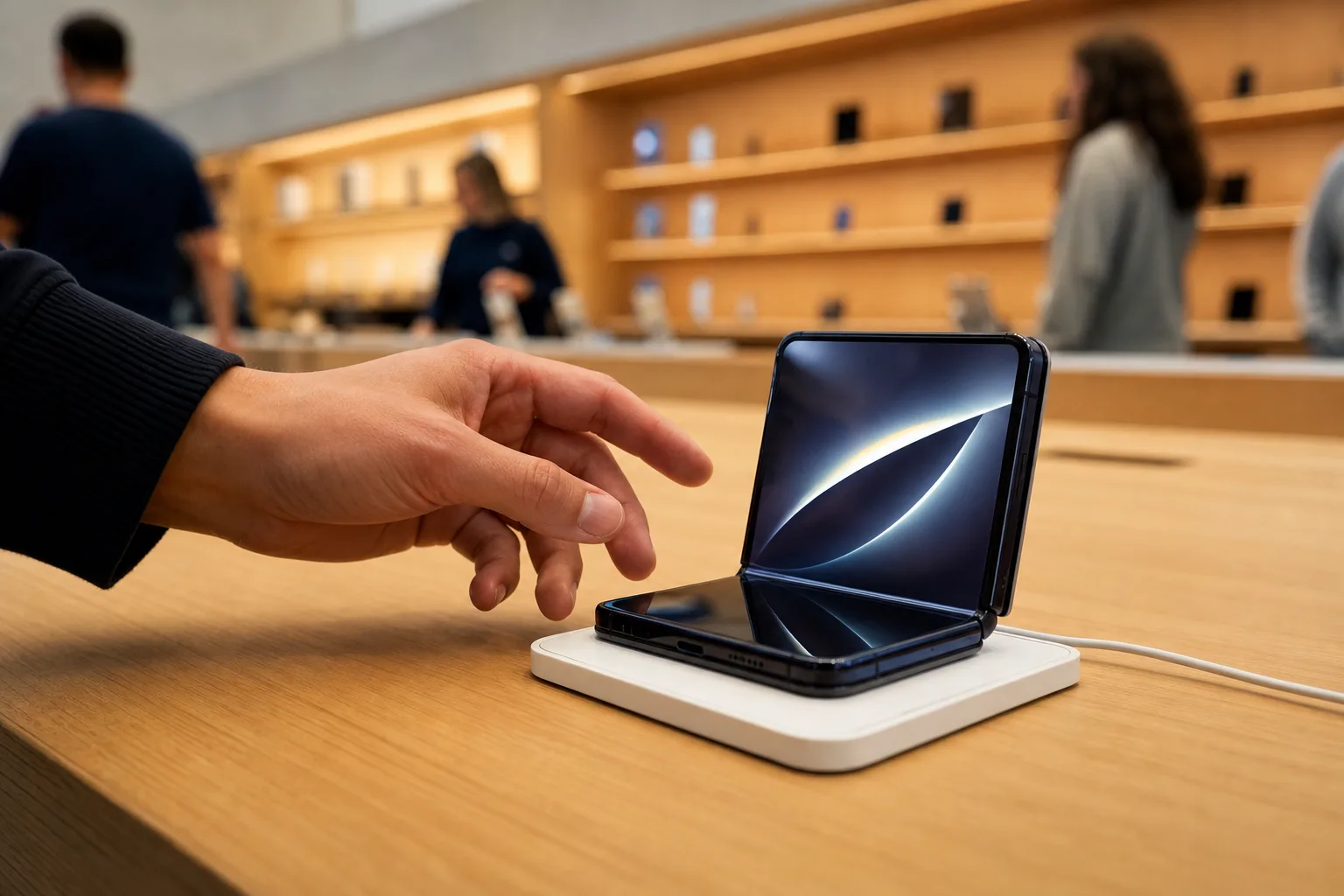
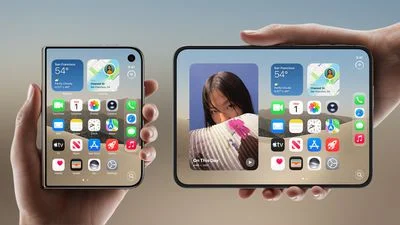
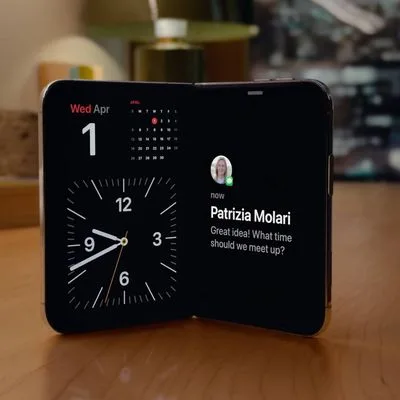
Bloomberg’s Mark Gurman reported that Apple directed roughly 80% of its opening iPhone Duo inventory to its physical stores. Some locations reportedly received as few as 50 units. That is a strange split if you treat Apple’s online store as the main event, but it makes sense if Apple wanted the new product seen, handled, and demonstrated in person. A foldable phone has hinges, crease concerns, unusual software layouts, and a price tag that can make even committed Apple buyers pause. Apple Stores are where the company can answer the awkward questions before someone spends two grand.
It also explains why some launch-day shoppers got lucky despite grim delivery estimates. Online dates were pushed far out because Apple had reserved relatively little inventory for shipping, while store shelves received a disproportionate share. So iPhone Duo wait times are partly a supply story and partly an inventory-routing story. Those are related, but they aren’t the same thing.
Apple said demand had been “nothing short of extraordinary” and that it was working to satisfy demand “as quickly as possible.” Corporate launch language deserves a raised eyebrow. Still, the company’s wording lines up with the central fact here: Apple does not appear to have enough Duo units to satisfy every interested buyer on anything close to a normal iPhone timetable.
What shorter delivery estimates actually mean
The one-week decline in iPhone Duo wait times is encouraging, but it doesn’t settle the question everyone wants answered: are buyers losing interest, or is Apple finally building more phones? UBS rightly cautioned that availability data alone cannot distinguish between better supply and softer demand.
That is why iPhone Duo wait times should be read as a snapshot of availability rather than a clean measure of demand.
That distinction matters. If Apple’s manufacturing partners are raising yields and producing more usable displays and hinge assemblies, the improvement would suggest the usual launch ramp is underway. First-generation hardware often takes time to stabilize. Foldables are particularly unforgiving because a device can be held up by one component, whether that is an ultra-thin glass panel, a hinge mechanism, or a part needed to keep the chassis rigid without making it feel like a brick.
If demand is cooling, the interpretation is less flattering. The iPhone Duo begins at $1,999 with 256GB of storage, rises to $2,199 for 512GB, costs $2,599 at 1TB, and reaches $3,199 for a 2TB model. Those prices put it well above a typical Pro Max purchase and squarely in luxury-tech territory. Samsung has spent years proving there is a market for foldables, but it has also shown that the category remains niche. Plenty of people admire foldables. Far fewer decide they need one.
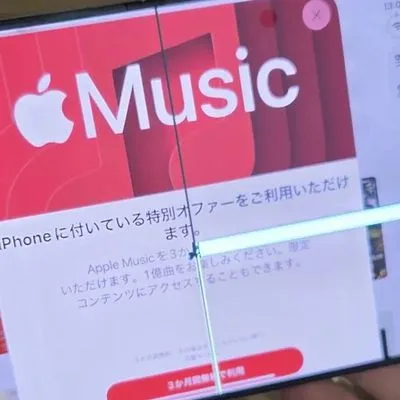
Reports of cracked displays have added another wrinkle. UBS does not believe those reports are the main driver behind shortening delivery windows, and that seems plausible. A few early durability complaints can ricochet around social media at warp speed, yet they do not automatically stop a high-profile launch. Apple will need to address any pattern that develops, though. The company built the iPhone brand on the idea that the product should feel finished, not experimental.
Why Apple may be happy with a slow online queue
Frankly, Apple has reasons not to panic if iPhone Duo wait times stay elevated for a while. Scarcity is not ideal for revenue recognition, but it can preserve the aura around a new category. More importantly, sending inventory to stores gives Apple’s retail staff a chance to guide buyers through the decision, sell AppleCare+, and make sure customers understand what they are buying before a $1,999 phone lands in their hands.
There is also a competitive calculation. Samsung, Google, and several Chinese phone makers have had foldables in market for years. Apple’s task is not merely to ship a folding iPhone; it needs to convince cautious mainstream buyers that its version solves enough old problems to justify arriving late. If the Duo feels fragile, compromises on battery life, or makes apps look half-baked, competitors will not need much help. Remember when Apple mocked large phones, then made the Plus and Max lines central to its business? The company can change its mind, but it has to make the pivot look inevitable.
For now, iPhone Duo wait times are a useful signal, not a verdict. Check nearby Apple Stores, watch for pickup inventory, and don’t assume a January estimate is fixed in stone; launch windows often move forward as supply reaches the channel. But the 89-day average makes one point hard to escape: Apple’s foldable has captured attention, and the company still has work to do before it can deliver the thing at ordinary iPhone scale.
Tracking iPhone Duo wait times over the next few weeks should offer a clearer view of whether supply is improving or interest is fading.
My read is that the next few weeks will matter more than the preorder frenzy. If delivery estimates keep dropping while stores remain stocked, Apple is getting production under control. If they improve because shelves and online queues both go quiet, the $1,999 question will answer itself.
Readers weighing the purchase can compare storage tiers and current availability through Apple’s official iPhone store, though the real test will be whether those delivery estimates begin to look like a normal product launch rather than a reservation for next season.