Table of Contents
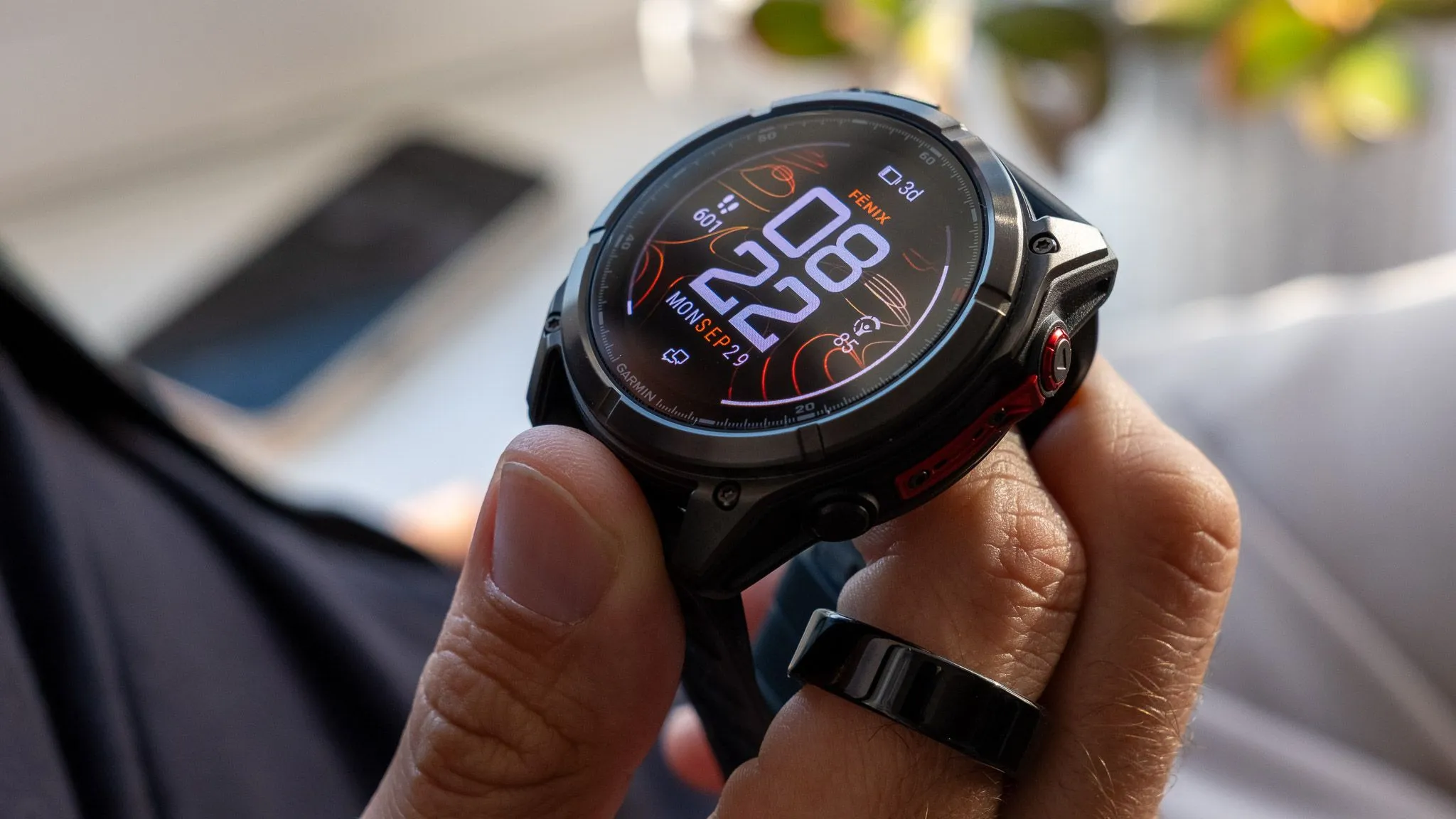
Garmin is reshaping the smartwatch landscape heading into 2026. Through a mix of longer battery life, smarter AI coaching, and deeper health integrations, the company is positioning its wearables as serious alternatives to Apple and Samsung. Recent beta updates, developer signals, and CES 2026 previews reveal how Garmin’s next-generation watches aim to solve long-standing user complaints while expanding into preventive health and ecosystem-driven fitness.
Garmin 2026 Smartwatch Breakthroughs Boost Battery and AI Coaching
Battery endurance sits at the center of Garmin’s 2026 smartwatch breakthroughs. Power-hungry GPS tracking and continuous heart-rate monitoring have long frustrated endurance athletes. Garmin’s Q1 2026 beta update introduced an advanced Battery Manager across Fenix, Forerunner, and Venu lines. The system shows real-time power consumption, predicts remaining battery life based on usage patterns, and dynamically adjusts background processes to extend wear time.
Solar charging also sees meaningful refinement. Instead of acting as a supplemental feature, solar input now integrates more seamlessly into daily power management. Ultra-marathon runners and hikers can track multi-day activities with fewer charging interruptions, while casual users benefit from slower overnight drain. AI-driven optimizations dim displays, pause idle sensors, and reduce unnecessary syncing without sacrificing tracking accuracy.
Garmin’s AI coaching evolves alongside battery improvements. Machine-learning models now analyze sleep quality, recovery metrics, recent workloads, and even weather conditions to suggest optimal training times. Workouts adjust dynamically, with pace and intensity shifting mid-session based on fatigue and environmental factors. These coaching tools aim to remain practical rather than overwhelming, giving actionable insights without burying users in charts.
Garmin 2026 Smartwatch Breakthroughs Integrate Health and Ecosystem
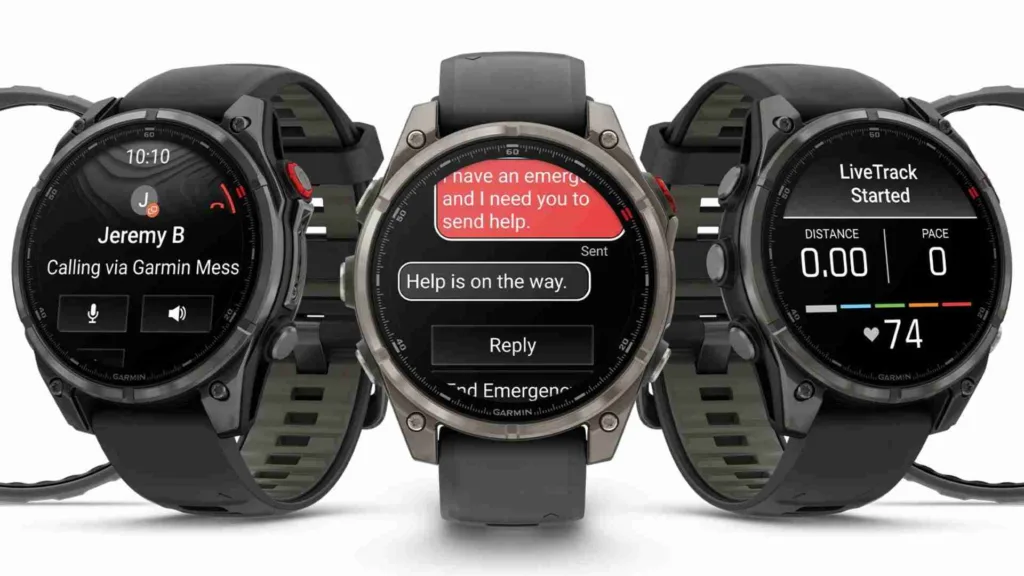
Health integration defines the second pillar of Garmin’s 2026 smartwatch breakthroughs. The company is expanding beyond fitness tracking toward preventive health monitoring. New sensors improve oxygen saturation tracking, stress detection, and sleep analysis, while early signals suggest deeper exploration into continuous glucose monitoring through paired accessories rather than invasive hardware.
Garmin’s ecosystem strategy strengthens as well. Watches now sync more intelligently with bike computers, fitness rings, and connected accessories, reducing manual input and improving data consistency. Software updates extend these features to older devices, keeping models like the Venu 4 and Forerunner 570 relevant through expanded wellness dashboards and refined sleep insights. This approach builds loyalty by extending product lifespans instead of forcing frequent hardware upgrades.
Display technology also advances quietly. MicroLED panels promise higher brightness for outdoor visibility while consuming less power than traditional AMOLED displays. This matters most for cyclists, runners, and aviation users who rely on glanceable data in direct sunlight.
Garmin 2026 Smartwatch Breakthroughs Face Market and Supply Tests
Despite technical progress, Garmin’s 2026 smartwatch breakthroughs face real market challenges. AI features and advanced sensors demand stable supply chains and reliable software delivery. Past Garmin Connect app issues made usability a recurring complaint, but recent beta updates show clear improvements in navigation, syncing speed, and data presentation.
Source: YouTube
Competition intensifies across regions. Apple dominates mainstream smartwatch adoption, while Samsung leverages Wear OS integrations. Low-cost brands continue to pressure pricing in Asia and emerging markets. Garmin counters by leaning into niches such as endurance sports, outdoor exploration, diving, and aviation, where battery life and sensor reliability matter more than app ecosystems.
Sustainability also grows in importance. Users increasingly expect environmentally responsible manufacturing and longer device support. Garmin’s strategy of software parity across models and extended update cycles aligns well with these expectations.
CES 2026 Outlook and Why Garmin’s Strategy Matters
CES 2026 previews suggest Garmin is doubling down on battery innovation, AI coaching, and health data integration rather than chasing flashy features. Live demos are expected to showcase solar-assisted endurance tracking, adaptive training plans, and tighter ecosystem connectivity across devices.
The broader implication is clear. Garmin is positioning its watches not as lifestyle accessories but as long-term health and performance tools. By solving battery pain points, simplifying AI coaching, and expanding preventive health insights, Garmin’s 2026 smartwatch breakthroughs raise expectations across the industry.
As wearables shift from step counters to health companions, Garmin’s focus on reliability, endurance, and meaningful data gives it a strong case against Apple and Samsung. For athletes, outdoor enthusiasts, and health-focused users, 2026 could mark Garmin’s most decisive leap yet.
Stay Updated: Gadgets