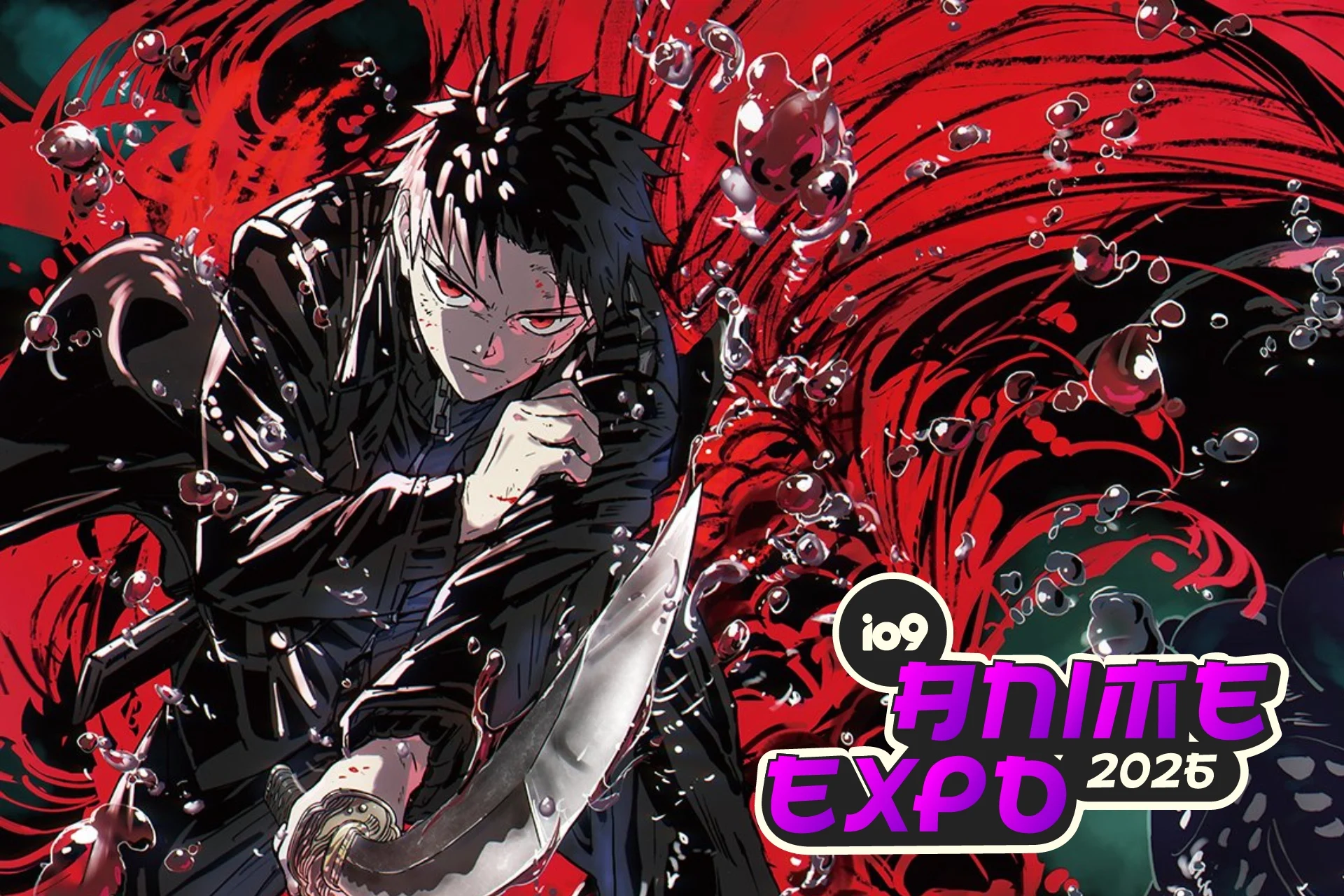
The Kagurabachi anime might be shaping up as the most exciting shonen adaptation in years — and that’s a sentence that would’ve been met with genuine laughter not long ago. When Takeru Hokazono’s manga first landed in Weekly Shonen Jump, the internet’s response was largely mocking. It became a meme. Readers made fun of its premise before they’d even read a chapter. And then something rare happened: the manga turned out to be genuinely excellent, and people had to quietly admit they were wrong.
- The Kagurabachi anime arrives on Crunchyroll in April 2027, directed by acclaimed animator Tetsuya Takeuchi.
- The Kagurabachi anime is adapted by studio Cypic, known for The Summer Hikaru Died, with a focus on cinematic action.
- Voice actor Taihi Kimura describes lead character Chihiro as deeply emotional beneath a controlled, quiet exterior.
- Producer Kōichi Yasuda says the team is prioritising elite animator selection, landscape detail, and sword sound design.
Table of Contents
From Meme to Must-Read: The Rise of the Kagurabachi Anime
Hokazono’s turnaround in public perception is one of manga publishing’s more satisfying recent stories. What began as a punchline evolved into one of Weekly Shonen Jump’s most discussed ongoing series, with fans and critics pointing to its inventive approach to action sequences as something genuinely new. The comparisons to Akira Toriyama — specifically Dragon Ball’s kinetic, spatially-aware fight choreography — aren’t idle flattery. Hokazono rethinks how panels are cut and arranged during action beats in a way that makes the violence feel physical and immediate. Reading a Kagurabachi fight scene, you feel the speed rather than just inferring it from motion lines.
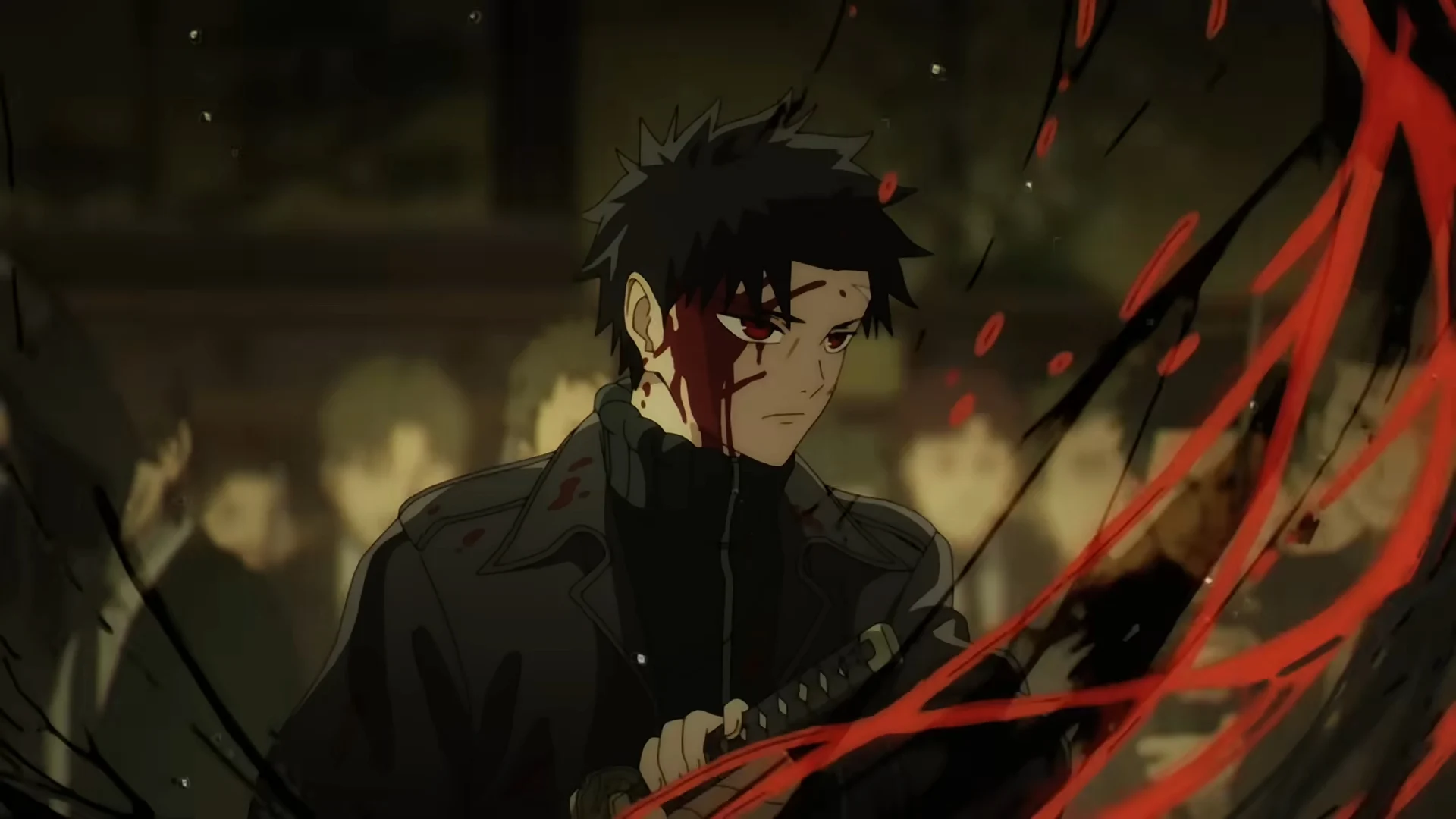
The premise is, admittedly, stripped down to its core. Chihiro is the son of a legendary swordsmith who forged six enchanted blades. When his father is murdered, Chihiro sets out to recover those blades and understand their secrets, all while wielding a secret seventh blade his father left behind. Think of it as ‘John Wick fused with Sakamoto Days’ — revenge-driven, deeply personal, and built entirely around the visceral poetry of an expert fighter at work. The simplicity isn’t a weakness. It’s load-bearing. It gives the action room to breathe.
Why the Kagurabachi Anime Director Choice Matters
Getting the right director for an action manga adaptation is genuinely high-stakes. Hire the wrong person and you get static frames, poorly timed cuts, and action sequences that feel like slideshows. Hire the right one and the whole adaptation becomes something people are still talking about fifteen years later — which brings us neatly to Tetsuya Takeuchi.
Takeuchi is the animator behind what many fans still consider the single greatest fight in Naruto’s long history: Rock Lee vs. Gaara at the Chunin Exams. That sequence, which aired over two decades ago, remains a masterclass in how to translate martial arts into animation — the weight of Lee’s leg weights hitting the ground, the acceleration of his taijutsu, the horror on Gaara’s face when he realises what he’s up against. It holds up. It more than holds up.
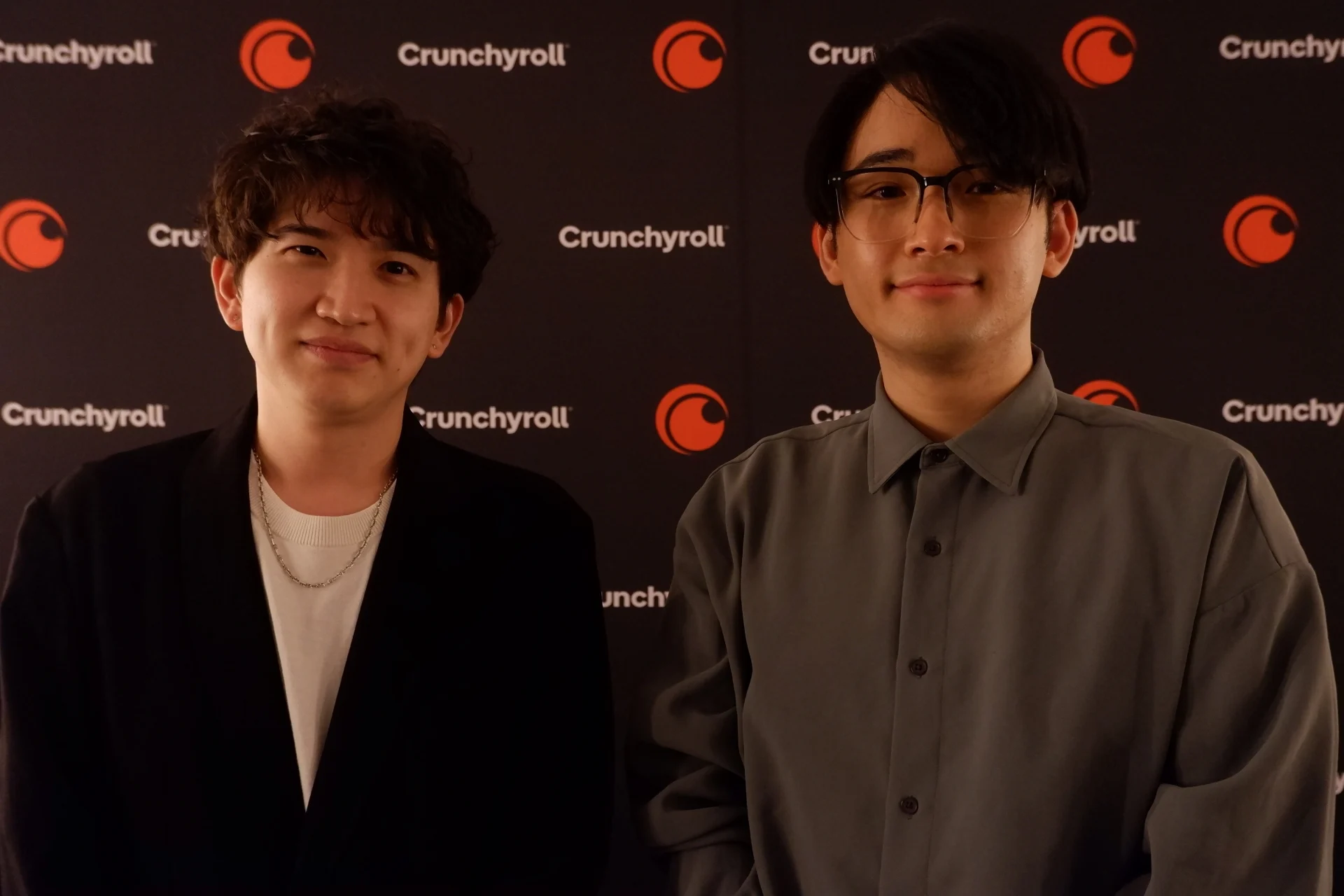
So when producer Kōichi Yasuda explained at Anime Expo 2026 how Takeuchi ended up attached to the project, the reasoning made complete sense. According to Yasuda, CyberAgent producer Jōji Seita recommended Takeuchi early in development. ‘He’s a very pronounced director, and he’s great at expressing action scenes — especially with wide-angle shots,’ Yasuda said. ‘He’s very talented in expressing that through the animation medium.’ For a series whose entire identity is built on action choreography, that’s not just a good hire. It’s arguably the only hire.
Studio Cypic and the Production Philosophy Behind the Kagurabachi Anime
The Kagurabachi anime is being handled by Cypic, a studio that built considerable credibility with The Summer Hikaru Died — a series that demonstrated an ability to hold tonal complexity and visual atmosphere simultaneously. That’s a useful skill set here. Kagurabachi isn’t just action; it carries real emotional weight underneath the swordplay, and the adaptation needs to honour both registers.
Yasuda was candid about where the production is concentrating its effort. ‘The action scenes are very important,’ he noted, adding that the team has been ‘very particular about the time we put into choosing the right team of animators and creators for the project.’ Beyond personnel, the attention extends to environmental details — landscape rendering, colour grading — and, perhaps most distinctively, sound design. Specifically sword sounds. That last point sounds minor until you remember that half of what makes a great sword fight feel real is the audio: the ring of steel, the displacement of air, the impact. Getting that wrong is more noticeable than audiences realise.
The teaser trailer that’s already circulating among anime fans has drawn strong reactions for its cinematic framing. Wide shots, deliberate composition, the sense that each frame was considered rather than defaulted into. That’s Takeuchi’s influence visible even in promotional material, and it’s a promising signal.
Voicing Chihiro: Taihi Kimura on Playing a Character Who Holds Everything In
One of the quietly tricky elements of adapting Kagurabachi is Chihiro himself. He’s not the loud, expressive shonen protagonist archetype. He’s not yelling about surpassing his limits or declaring friendship as a superpower. He’s quiet. Controlled. The kind of character who processes enormous grief and rage entirely internally, and only lets it out through the blade.
Taihi Kimura, who voices Chihiro in the Japanese-language version, spoke about the challenge of that at Anime Expo 2026. ‘Chihiro is very collected, and he doesn’t wear his emotions on his sleeve at all,’ Kimura said. ‘So at first glance, you might think that maybe he doesn’t have a lot of emotions. In fact, inside, I think there are a lot of complex feelings pent up, which are more restrained — like he’s holding those emotions and not trying to put them too far forward. That’s what I channeled when playing the character.’
That kind of performance — the art of communicating suppressed intensity through voice alone — is genuinely difficult. It’s the difference between a character who reads as blank and one who reads as coiled. When it works, it makes a character feel more dangerous and more sympathetic at the same time. Based on Kimura’s framing, it sounds like the production understands exactly what Chihiro needs to be.
What the Kagurabachi Anime Means for Shonen in 2027
The broader context here is worth sitting with for a moment. Shonen anime adaptations are plentiful, but genuinely excellent ones — the ones that become reference points — are rare. For every Jujutsu Kaisen Season 1 or Demon Slayer: Mugen Train that breaks through, there are a dozen adaptations that simply exist. The difference usually comes down to whether the studio understood what made the source material compelling in the first place and built the production around protecting that quality.
With the Kagurabachi anime, the early signals are unusually aligned. The director was chosen specifically for his ability to translate kinetic action into animation. The studio has a track record of tonal competence. The voice cast appears to understand the emotional interior of their characters rather than just the surface beats. And the source manga, whatever its meme-heavy origins, has earned genuine respect from a demanding readership.
April 2027 is still some distance away, and trailers have deceived us before. But right now, the Kagurabachi anime looks less like a routine adaptation and more like a project where everyone involved actually read the manga and understood what made it worth adapting. That alone puts it ahead of the competition before a single episode has aired.
Frequently Asked Questions
When does the Kagurabachi anime premiere?
The Kagurabachi anime is set to premiere on Crunchyroll in April 2027. It was announced at Anime Expo 2026, where the production team — including voice actor Taihi Kimura and producer Kōichi Yasuda — gave interviews about the project.
Who is directing the Kagurabachi anime adaptation?
Tetsuya Takeuchi is directing the Kagurabachi anime. He’s a highly regarded animator best known for choreographing Naruto’s iconic Rock Lee vs. Gaara fight during the Chunin Exams — a sequence still celebrated by fans.
What studio is producing the Kagurabachi anime?
The Kagurabachi anime is being produced by Cypic, the studio behind The Summer Hikaru Died. Cypic is working with CyberAgent and producer Jōji Seita, who recommended Tetsuya Takeuchi as director during development.
Is the Kagurabachi manga worth reading before the anime?
Absolutely. Author Takeru Hokazono’s manga is widely credited for innovative action panel layouts and choreography that fans compare to Akira Toriyama’s work. Getting into the manga first will give you deep appreciation for what the anime adapts.