Meta has quietly flipped a switch that makes every public Instagram account a potential source of AI-generated content — without asking first. Starting this week, Meta Instagram AI photos are opt-out by default, meaning anyone can tag your public profile in a prompt and use Meta AI to produce images featuring your likeness. If that sounds like something you’d want to be asked about, you weren’t.
- Meta Instagram AI photos are now fair game by default — anyone can tag your public profile to generate AI images of you.
- Meta’s new Muse Image model is deeply integrated into Instagram, making Meta Instagram AI photos easy to remix without your consent.
- You won’t receive any notification when someone generates an AI image using your likeness — Meta confirmed this in its help documentation.
- Existing AI-generated images won’t be deleted even if you opt out, so acting quickly limits but doesn’t fully reverse the damage.
Table of Contents
What Meta Actually Launched — and Why It Matters
On Tuesday, Meta’s newly branded Meta Superintelligence Labs unveiled Muse Image, the company’s first standalone AI image generation model. This is Meta’s direct play against OpenAI’s GPT Images and Google’s image generation tools, and it arrives with something neither of those competitors has: a billion-user photo library baked right in through Instagram.
Muse Image is woven directly into the Instagram app, and that integration is doing a lot of heavy lifting here. The feature lets users tag any public Instagram account in a prompt, then generate an AI image that incorporates that person’s likeness drawn from their public posts. Meta Instagram AI photos are framed by the company as a creative personalisation tool — ‘Whether you want to design a custom event invitation, mock up a collaborative creative concept, or generate a personalized graphic,’ one of the company’s announcement posts reads, ‘tagging a username lets Meta AI use public photos to build a visual that’s ready to post.’
That sounds pleasant enough in the abstract. In practice, it means any stranger with a Meta account can generate synthetic images of you — as long as your Instagram profile is public and you haven’t manually hunted down the opt-out toggle.
The Opt-Out Mechanism — and How Buried It Is
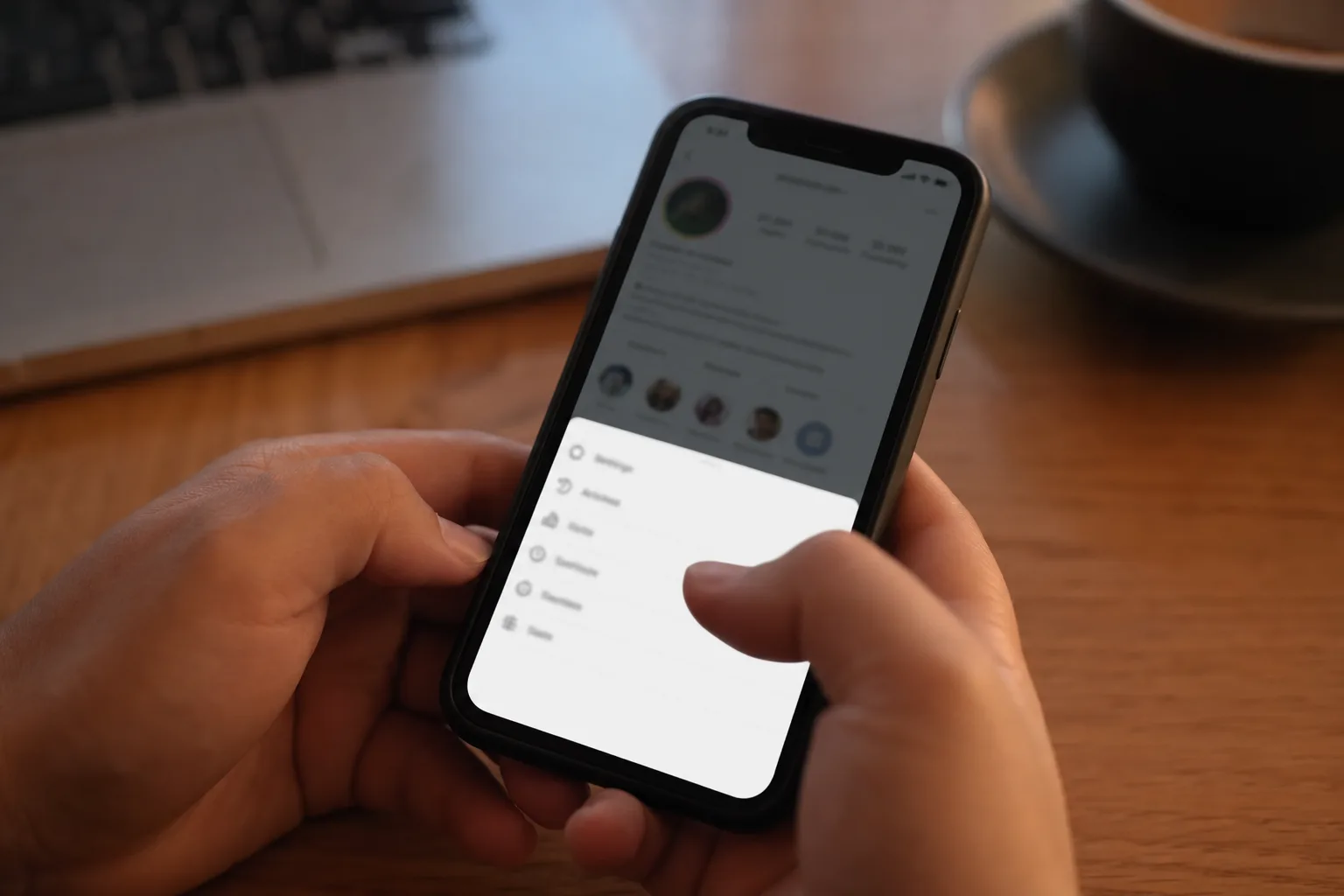
To stop your Meta Instagram AI photos from being used this way, you’ll need to go into your Instagram settings, navigate to ‘Sharing and reuse,’ and toggle off both Posts and Reels under the AI features section. It’s not a difficult process once you know where to look. The problem, as always, is that most users won’t know to look at all.
When the feature rolled out Tuesday, some users reported that their settings hadn’t yet been updated to include the new AI-specific language — meaning the controls weren’t even visible yet. That’s a messy rollout regardless of how you feel about the underlying policy. Flipping a default before users can actually find the switch to flip it back is, at best, sloppy coordination.
Instagram’s help centre documentation spells out the mechanics clearly enough: if your account is public and you leave the default settings in place, ‘people may be able to create content with your Instagram content using AI features at Meta.’ An archived version of that same page from earlier in 2025 contained no such language — confirmation that this is a recent policy change, not something that was buried in terms of service years ago.
Meta Instagram AI Photos: The No-Notification Problem
Of everything that’s uncomfortable about this rollout, one detail stands out above the rest. According to Meta’s own help documentation, ‘You will not be notified about content created using AI features at Meta.’ Full stop. Someone can generate a synthetic image of your face and you’ll never hear about it. There’s no alert, no log, no record you can access.
This is worth sitting with for a moment. We’ve grown accustomed to platforms telling us when someone screenshots a story, when someone shares a post to their feed, even when someone views a profile in some contexts. The idea that Meta Instagram AI photos — a far more invasive act than a screenshot — generate zero notification for the subject feels like a deliberate choice, not an oversight.
Some other AI image platforms have at least created pathways for people to flag misuse of their likeness. Meta, with its enormous scale and existing moderation infrastructure, is launching with no equivalent system in place.
The Opt-Out Default Is the Real Story
Meta isn’t the first company to make AI data use an opt-out rather than an opt-in situation — and that’s precisely the problem. Google Search recently began retaining uploaded images, including those from reverse image searches, to train its AI systems. The pattern is consistent: roll it out quietly, set the permissive option as default, and let the opt-out process be just friction-y enough that most users never bother.
The logic from the company’s perspective is obvious. Opt-in consent would decimate the datasets. Instagram has a vast number of public profiles, representing an astronomical volume of diverse, real-world imagery. That’s extraordinarily valuable training and generation data — arguably more so than anything scraped from the open web, because Meta Instagram AI photos are tagged, contextualised, and linked to real human identities.
But there’s a regulatory dimension here that Meta can’t ignore forever. The EU’s AI Act and the UK’s Data (Use and Access) Bill both push toward stricter consent requirements for processing personal data in AI contexts. Using someone’s face to generate synthetic imagery is about as personal as data gets. It’s plausible that the current default-on approach for Meta Instagram AI photos wouldn’t survive a serious legal challenge in multiple jurisdictions.
What Happens to Images Already Generated?
There’s a sting in the tail for anyone who opts out after the fact. Meta has confirmed that switching your settings — or your account to private — will prevent additional Meta Instagram AI photos from being created using your content. But any that have already been generated won’t be deleted. They exist. They’re out there. And you have no way to find them, report them, or request their removal through any disclosed process.
This is the part of the rollout that feels most unresolved. The right to erasure — enshrined in GDPR — is built around the idea that individuals should have meaningful control over data linked to their identity. Synthetic images generated from your likeness arguably fall squarely in that category. Meta may face some pointed questions about this from European regulators in particular.
How to Opt Out Right Now
If you want to protect yourself from Meta Instagram AI photos being used as generation fodder, here’s the process: open Instagram, tap your profile picture, hit the three horizontal lines in the top-right corner, scroll to ‘Sharing and reuse,’ and toggle off both Posts and Reels under the AI section. If that language isn’t showing up yet in your settings, it likely means the server-side update hasn’t reached your account — check back within a day or two.
Alternatively, switching your account to private achieves the same result, though obviously at a significant cost to your reach if you use Instagram professionally or publicly.
What you shouldn’t do is assume that because you didn’t consent, nothing will happen. The default is opt-in. That’s the whole point of how this was designed.
Where This Is All Heading
Meta’s Muse Image launch is a sharp reminder that the AI image generation race isn’t just being fought in standalone apps and developer APIs. It’s being fought inside the platforms where people have already uploaded years of their lives. The competitive pressure from OpenAI and Google is real, and Meta’s answer is to use the one thing it has that neither competitor can easily replicate: Instagram’s photo library and its deeply social context.
That’s a powerful advantage. It’s also a serious responsibility that Tuesday’s rollout doesn’t yet reflect. As Meta Instagram AI photos become faster to generate, cheaper to produce, and more convincing to view, the question of who gets to use your face — and under what conditions — is going to become one of the defining consumer tech debates of the next few years. Right now, Meta’s answer is: anyone who wants to, unless you stop them first.
Frequently Asked Questions
How do I opt out of Meta Instagram AI photos being used for AI generation?
Open the Instagram app, go to your profile, tap the three lines in the top-right corner, scroll to ‘Sharing and reuse,’ and toggle off Posts and Reels under the AI features section. This prevents future use but won’t delete images already generated.
Will I be notified when someone uses my Instagram photos in a Meta AI image?
No. Meta has confirmed in its help documentation that users will not receive any notification when someone creates content using their Instagram photos through Meta AI features. You have no way of knowing it happened.
Does switching my Instagram account to private stop Meta AI from using my photos?
Yes. Setting your Instagram account to private prevents your content from being used in AI-generated images. Adjusting the specific toggle in Sharing and reuse settings achieves the same result without making your whole account private.
What is Meta’s Muse Image model?
Muse Image is Meta’s first AI image generation model, launched by Meta Superintelligence Labs. It’s built directly into Instagram and competes with tools like OpenAI’s GPT Images and Google’s image generation products.