

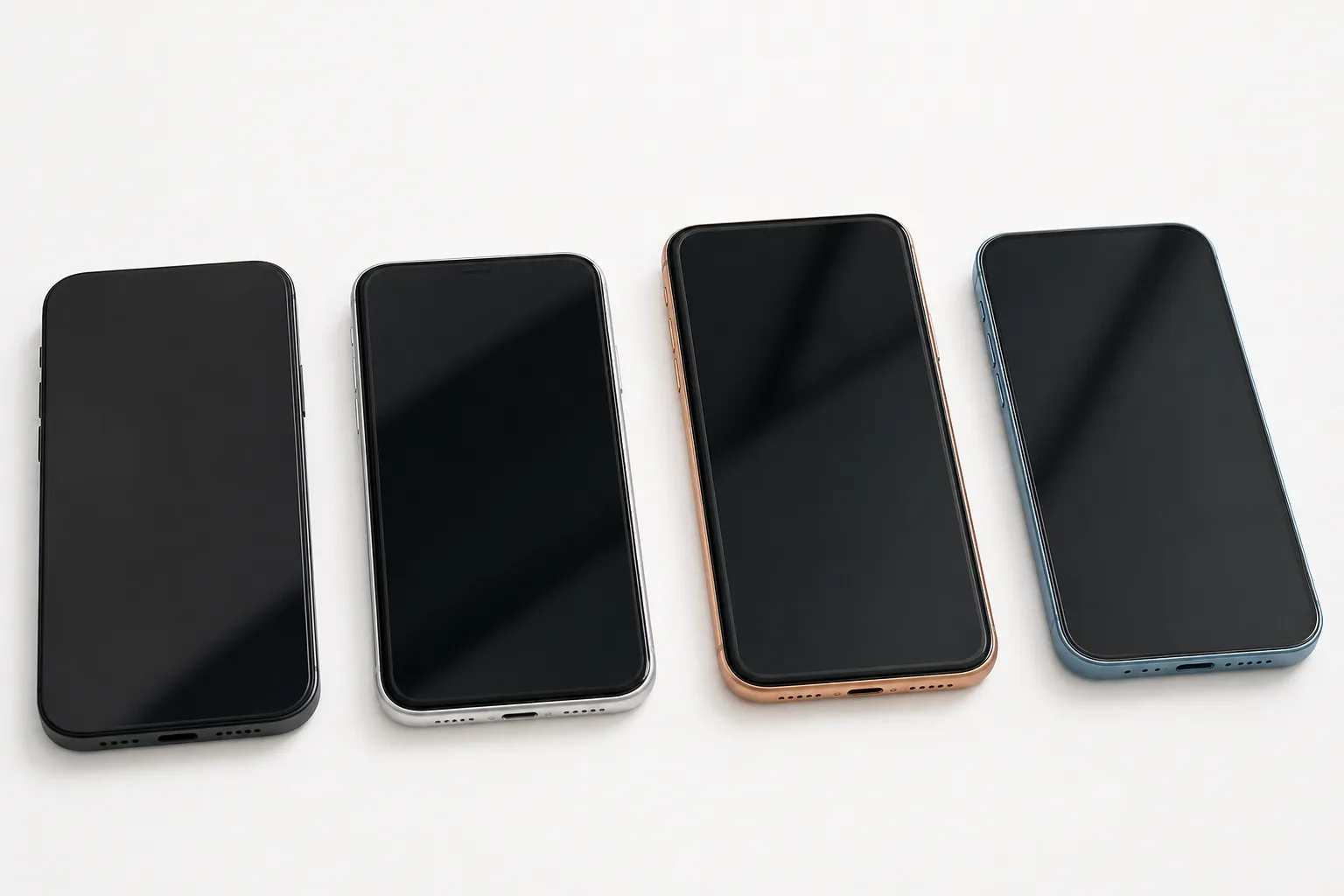
Google has locked in August 12 as the date for its next big hardware event, where the Pixel 11 family will make its official debut. That timing puts Google squarely in the spotlight a full month before Apple is expected to take the stage in September — and with a foldable phone of its own in the mix, this year’s smartphone season is shaping up to be one of the most crowded and competitive in recent memory.
- Google’s Pixel 11 event is confirmed for August 12, debuting four new phones roughly a month before Apple’s September reveal.
- The Pixel 11 lineup is expected to drop 128GB storage as a starting option, matching a move Apple made with the iPhone 17.
- European leaks suggest a €100 price hike across all Pixel 11 models, driven by surging DRAM costs hitting the entire industry.
- Google, Samsung, and Apple will all compete in the foldable phone market in 2026 — a three-way battle years in the making.
Table of Contents
What Google Is Bringing to August 12
The event will introduce four devices: the standard Pixel 11, the Pixel 11 Pro, the Pixel 11 Pro XL, and the Pixel 11 Pro Fold. Based on leaked CAD renders that have been circulating, the design language is evolving rather than reinventing. Expect slimmer bezels, a marginally thinner chassis compared to the Pixel 10, and a refreshed all-black camera bar — a signature aesthetic element Google has been refining for a few generations now.
The Pixel 11 Pro Fold is arguably the most interesting device in the lineup given the context of 2026. It’s expected to look closely related to the Pixel 10 Pro Fold but with further slimming of the overall profile. Leaked measurements put it at around 10.1mm thick when folded and a remarkably thin 4.8mm when fully opened. To put that in perspective: those numbers sit very close to what’s been rumoured about Apple’s forthcoming foldable iPhone. Google has had three years of foldable refinement since the original Pixel Fold launched in 2023, and it shows.
Storage, Pricing, and the Pixel 11’s Growing Pains
One of the quieter but genuinely significant changes coming to the Pixel 11 is the elimination of 128GB as a base storage tier. Apple made the same call with the iPhone 17 last year, launching it with 256GB as the minimum — and apparently Google sees no reason to keep selling a 128GB phone in 2026 either. It’s a consumer-friendly move on paper, though it also gives manufacturers cover to nudge starting prices upward without the optics of a straight price hike.
Speaking of price hikes — expect them. A leak out of Europe suggests the entire Pixel 11 lineup will carry a €100 premium over the equivalent Pixel 10 pricing. That’s a meaningful jump. The culprit isn’t Google trying to pad margins; it’s the cost of DRAM, which has surged industrywide and is forcing virtually every major device maker to pass costs on to buyers. Apple has already raised prices on its Mac and iPad lines. The iPhone 18 Pro and Pro Max are reportedly on course to cost up to $200 more than their iPhone 17 counterparts, according to analyst estimates. Google, it seems, is following a very similar playbook — just at a slightly lower price point.
Pixel 11 Enters a Three-Way Foldable Fight
The broader competitive picture for 2026 is genuinely fascinating. Samsung is expected to hold an Unpacked event later in July, ahead of both Google and Apple, where it’ll unveil the Galaxy Z Fold 8, the Galaxy Z Flip 8, and a new wide-format variant called the Galaxy Z Fold 8 Wide. That last one is particularly telling — its aspect ratio is described as closer to what Apple is rumoured to offer with its foldable iPhone, suggesting Samsung has been watching Apple’s design choices very carefully.
Then Google arrives in August. Then Apple in September. Three major foldable announcements compressed into roughly ten weeks.
Apple’s entry into the foldable market is significant not just because of the product itself, but because of what it means for the two companies that got there first. Samsung has been shipping foldables since 2019 — seven years of iteration, hinge refinement, and figuring out which compromises consumers will and won’t accept. Google joined in 2023 and has moved quickly. By the time Apple’s foldable iPhone lands, it’ll be walking into a category that its rivals know far better — but Apple has a history of arriving late and redefining expectations anyway.
Apple’s Unconventional 2026 iPhone Strategy
What makes this year’s dynamics unusual is that Apple isn’t launching a full iPhone 18 lineup in the fall. The standard iPhone 18 has reportedly been held back until spring 2027, meaning Apple’s September event will consist of the iPhone 18 Pro, iPhone 18 Pro Max, and the foldable — effectively the premium tier only. There’s no direct equivalent to the base Pixel 11 coming from Apple this calendar year.
That’s a meaningful shift in how Apple segments its releases, and it has real implications for Google. The Pixel 11 and Pixel 11 Pro won’t be sitting in Apple’s crosshairs during the fall launch cycle the way previous generations were. Anyone shopping for a flagship-tier Android phone in August or September won’t have a new standard iPhone as a direct comparison point — only Apple’s most expensive offerings and its first foldable. Google could benefit from that window more than the calendar alone might suggest.
Why the Timing Matters More Than Usual
Google choosing August 12 isn’t random. Launching a month ahead of Apple’s event has become something of a strategic habit — it gives Pixel devices their moment in the press without being immediately overshadowed by the iPhone announcement cycle. But this year the stakes feel higher. With Pixel 11 pricing going up, Google needs the hardware to genuinely justify the premium rather than simply tracking Apple’s moves.
The foldable phone market is also at an inflection point. Samsung’s long-running dominance in that category is about to be tested like never before. Apple entering the space draws massive consumer attention to foldables as a whole, which could actually lift Google’s numbers even as it creates a new competitor. It’s a peculiar dynamic — Apple validating a category it didn’t invent, potentially doing some of Google’s marketing work for it.
Whether the Pixel 11 Pro Fold can carve out meaningful space against two of the best-funded hardware companies on the planet will come down to a combination of price, software polish, and the AI features Google has been weaving deeper into Pixel devices for years. The August 12 event is where that case starts being made.

