

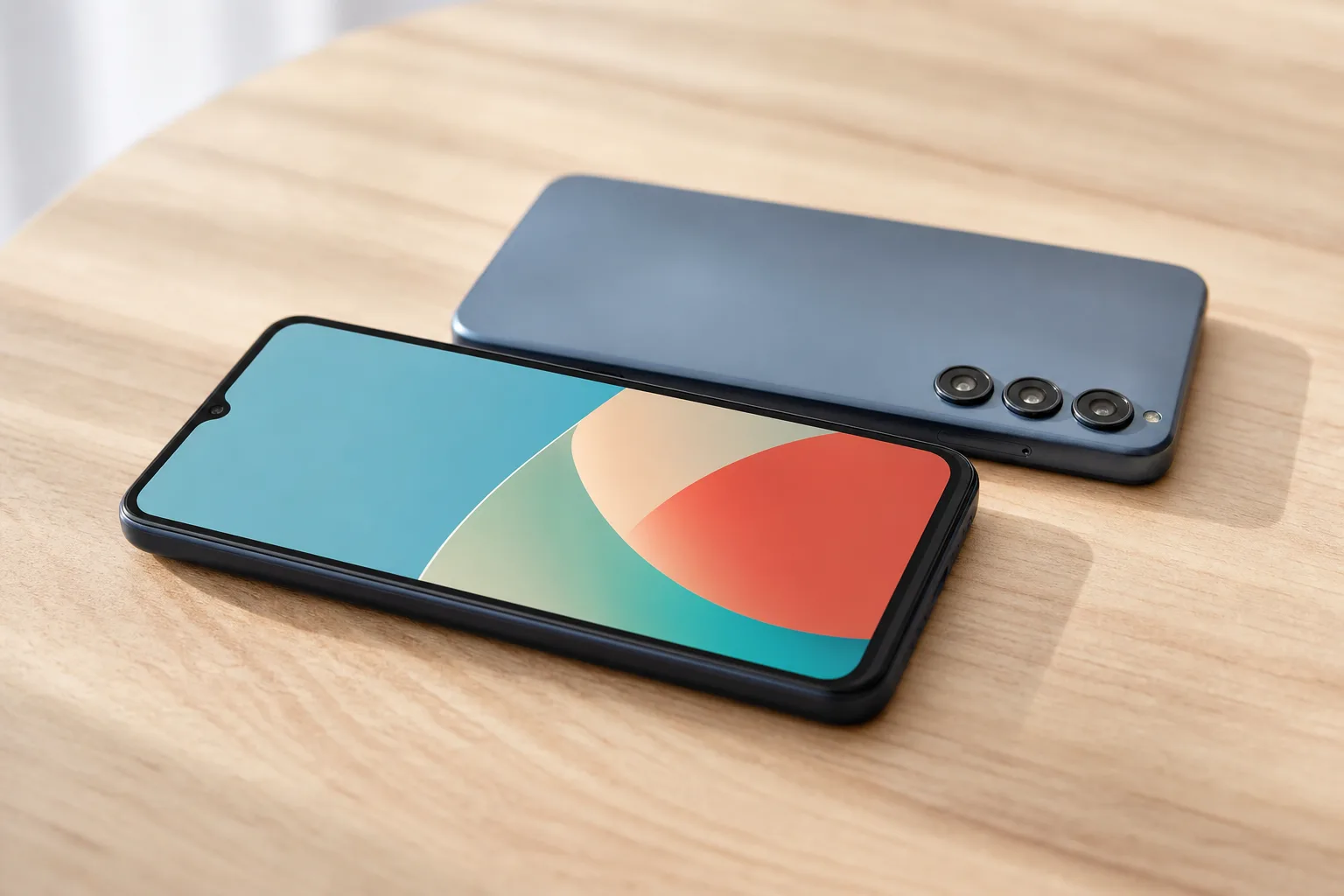
If you were expecting Samsung to shake things up with its next budget handset, the early evidence says think again. Fresh CAD-based renders of the Samsung Galaxy A18 have surfaced online, shared by Smartphone Checker in collaboration with prolific leaker OnLeaks, and the picture they paint is one of careful, calculated continuity rather than bold reinvention. That’s not necessarily a bad thing — but it does tell you a lot about how Samsung approaches a product line that’s quietly become one of its most important.
- Samsung Galaxy A18 renders show almost no design change from the A17, with only minor camera housing tweaks.
- The Samsung Galaxy A18 5G could ditch Exynos for a Qualcomm Snapdragon chip — the biggest rumoured upgrade yet.
- Pricing is expected to hold steady at around £199 for the 5G model and £169 for the 4G variant.
- Mass production may begin as early as August, pointing to an autumn 2026 launch window.
Table of Contents
Samsung Galaxy A18 Design: Spot the Difference
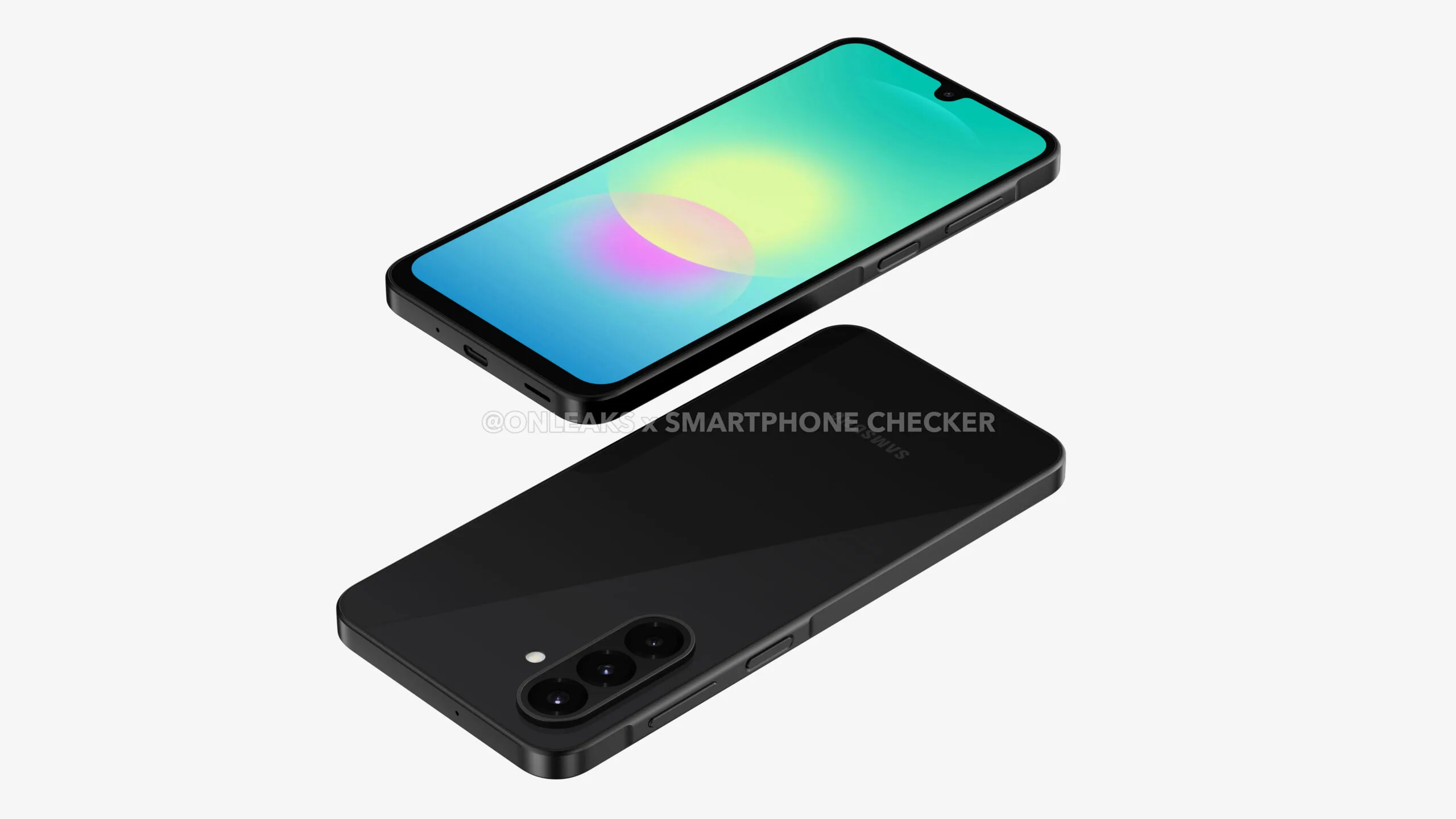
Look at the Samsung Galaxy A18 renders side by side with the Galaxy A17 and you’d be forgiven for assuming you were looking at the same phone. The 6.7-inch Infinity-U display is back — that familiar teardrop notch has become a defining feature of Samsung’s entry-level A-series, and there’s clearly no appetite to retire it yet. The triple rear camera system remains, too, though Samsung has made one small cosmetic tweak: the pill-shaped camera housing sits a touch flatter against the rear panel now, giving it a slightly cleaner, less protruding look.
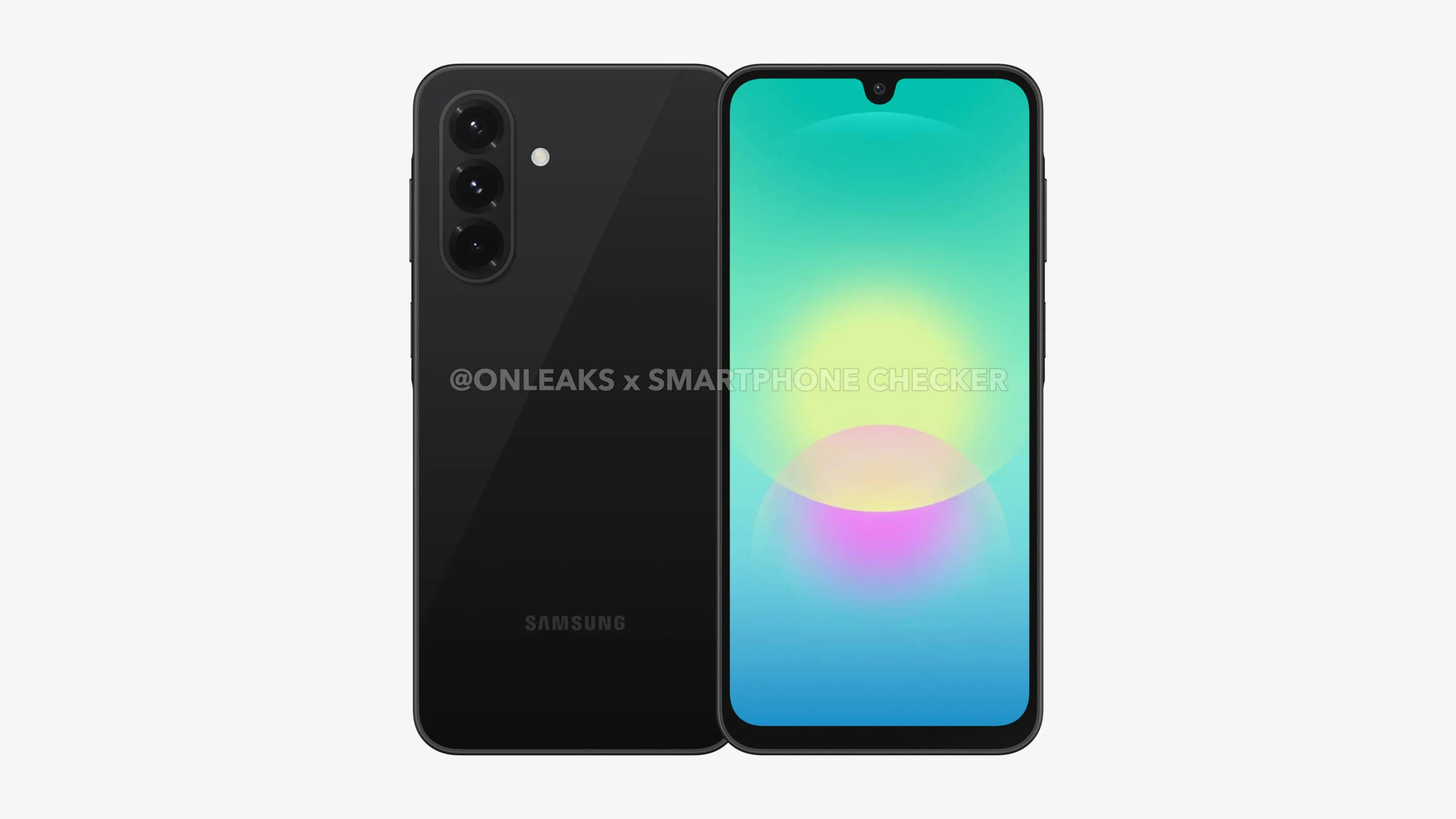
The dimensions tell the same story. According to the leaked specs, the Galaxy A18 measures 164.4 x 77.8 x 7.84mm. Compare that to the A17, and you’re looking at a phone that’s just 0.1mm narrower and 0.34mm thicker. We’re talking sub-millimetre differences here — differences you’d never feel in your hand. Whether that marginal thickness gain signals a battery upgrade is still unclear; current rumours point to a 5,000mAh capacity, the same as its predecessor.
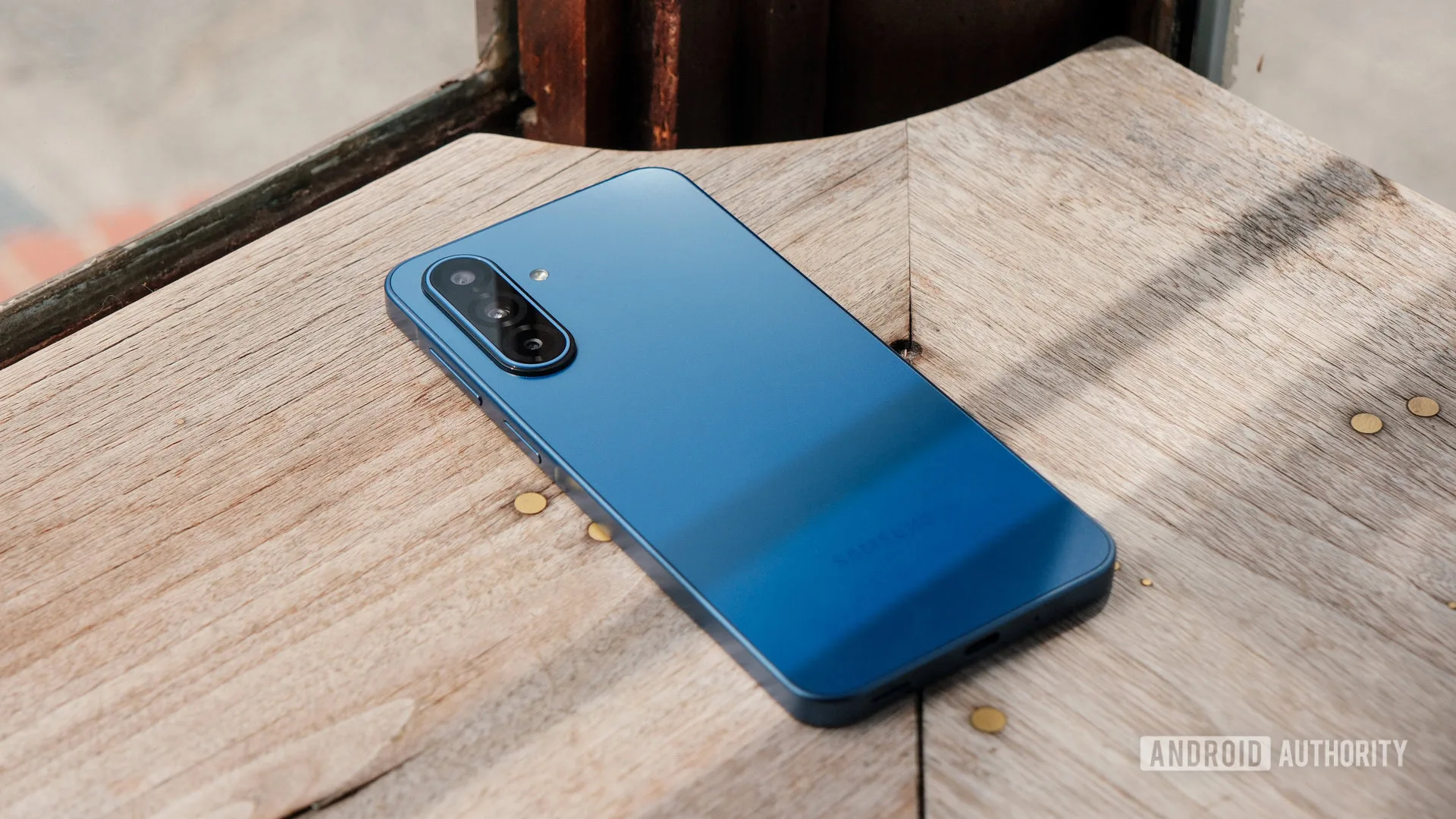
CAD renders like these — reportedly drawn from factory files used by accessory manufacturers ahead of launch — don’t always capture final colours or surface finishes, so there’s room for Samsung to differentiate on aesthetics. But the fundamental shape is almost certainly locked in. What you’re seeing is what you’re getting.
The Real Upgrade Is What You Can’t See
Strip away the near-identical exterior, and the Samsung Galaxy A18 does have one headline change that genuinely matters: the chipset. Reports that have been circulating for months suggest Samsung is planning to drop its in-house Exynos silicon from the 5G variant and replace it with a Qualcomm Snapdragon processor. The leading candidate is the Snapdragon 6s Gen 3, a chip that Qualcomm has been positioning squarely at the affordable mid-range segment.
If this pans out, it would be a meaningful shift. Exynos chips have drawn consistent criticism in recent years — particularly around efficiency and sustained performance — and switching to Qualcomm in the budget tier signals that Samsung is listening, or at least responding to competitive pressure. Phones like the Nothing Phone (2a) and various Motorola Edge models have shown that capable Snapdragon-powered handsets at £200 or under are very much achievable, and Samsung can’t afford to look sluggish by comparison.
The 4G variant, meanwhile, is expected to stick with MediaTek, though which specific chip Samsung will opt for hasn’t leaked yet. MediaTek’s Helio and Dimensity lines have become the default choice for cost-sensitive 4G handsets across the industry, so the A18 4G slotting into that bracket would be entirely predictable.
Two Variants, Familiar Pricing
Samsung is clearly moving ahead with both 4G and 5G versions of the Galaxy A18. The 4G model has already turned up in the GSMA database under the model number SM-A185F — a routine but telling step that typically happens a few months before a device hits shelves. It’s a small data point, but it adds credibility to the wider picture the leaks are assembling.
On pricing, early estimates are pointing to approximately £199 for the 5G model and £169 for the 4G version — almost exactly mirroring what Samsung charged for the Galaxy A17 at launch. That pricing discipline is part of what makes the A-series so commercially durable. Samsung doesn’t need to win on specs at this end of the market; it needs to win on value perception, brand trust, and retail availability, and holding the line at £199 for 5G keeps it competitive without cannibalising its own mid-range Galaxy A5x tier.
When to Expect It
Samsung hasn’t officially said a word about the Samsung Galaxy A18, which is entirely normal for a device at this stage. Internal reports suggest mass production could kick off as early as August, which, if Samsung follows its established release rhythms, would point to an autumn 2026 launch. The A-series tends to arrive in waves — different markets, different timings — so don’t expect a single global launch event in the style of the S-series unveilings.
What This Tells Us About Samsung’s Budget Strategy
The Samsung Galaxy A18 isn’t being built to excite tech enthusiasts. It’s being built to move units in the real world — in markets where £200 is a significant commitment, where 5G connectivity matters more than a periscope zoom lens, and where the Samsung name carries genuine consumer weight. In that context, the iterative approach makes complete sense.
The Snapdragon swap is the one move that breaks the pattern of pure incremental updates, and it’s worth watching closely. If Samsung rolls Qualcomm silicon into its budget 5G lineup more broadly, it changes the competitive dynamics at that price point and potentially signals a longer-term shift in how Samsung sources its chips for devices below the Galaxy S tier. That’s a storyline that extends well beyond a single handset — and it makes the A18 a more interesting launch than its near-identical design would initially suggest.

