
- Apple Back to School gives eligible US buyers up to $150 in Apple gift card credit alongside discounted education pricing.
- The Apple Back to School offer covers select MacBooks and iPads, but excludes desktop Macs, basic iPads, iPad mini, and MacBook Neo.
- MacBook Pro buyers receive the largest $150 credit, while MacBook Air, iPad Pro, and iPad Air purchases get $100.
- US shoppers have until August 27, 2026, and must complete UNiDAYS verification before using Apple’s education storefront.
Table of Contents
Apple Back to School is back, with a familiar catch
Apple Back to School season has returned to the US, and the headline is straightforward: qualifying students and educators can get up to $150 in Apple gift card credit when they buy an eligible Mac or iPad. The promotion runs through August 27, 2026, and stacks with Apple’s usual education-store price reductions. For someone already planning to buy a laptop for college, that combination is meaningful. For someone shopping solely because there’s a gift card involved? Frankly, do the math first.
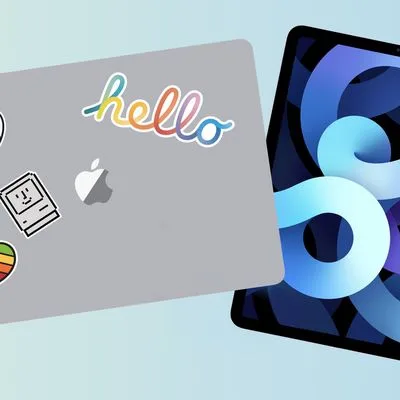
The top-tier deal is reserved for a new MacBook Pro, which comes with a $150 Apple gift card. A MacBook Air, iPad Pro, or iPad Air earns a $100 card. Apple says the credit can go toward hardware, accessories, apps, subscriptions such as Apple Music, or iCloud+ storage. In practical terms, it’s less like cash back than store credit at a department store: useful if you were going to buy a case, Pencil, charger, or extra storage anyway, less useful if you weren’t.

Apple is running the offer through its online Education Store and physical Apple Store locations. The company’s US Education Store remains the clearest place to compare the discounted device price against the standard retail listing before checkout. That sounds obvious, but Apple has made this annual campaign just complicated enough that plenty of buyers still confuse the gift card with a direct discount.
What qualifies for the Apple Back to School offer
The product list tells us a lot about Apple’s priorities. The company is putting its biggest incentive behind the MacBook Pro, its most expensive portable computer, while giving the $100 tier to the MacBook Air and its premium iPads. Those are the devices Apple most wants planted in lecture halls, libraries, design studios, and faculty offices. A student who starts with a MacBook Air often stays in the ecosystem for years. Apple knows that better than almost anyone.
There are notable exclusions. The MacBook Neo does not qualify, nor do any desktop Macs. Buyers also cannot claim Apple Back to School credit with an iPad mini or Apple’s entry-level iPad. That makes the promotion more selective than its cheerful marketing tends to suggest. The lower-cost iPad is arguably the model most likely to appeal to budget-conscious students, but Apple is clearly using this campaign to steer shoppers up the product ladder.
I’d argue the MacBook Air is still the sensible center of gravity for most students. It’s portable, capable enough for mainstream coursework, and cheaper than the Pro before the education discount is applied. The MacBook Pro deal looks better on paper because the card is worth another $50, but that extra credit should not be the reason to spend hundreds more on hardware you don’t need. A gift card is a nice side dish, not a reason to order a larger meal.
Education pricing still does most of the work
The Apple Back to School promotion is an add-on to standard education pricing, which generally trims around 5% to 10% off eligible Macs and iPads. That base discount is the part that actually reduces the cost of the device. The gift card is best viewed as a budget for the stuff Apple knows many buyers will pick up immediately: a USB-C adapter, a Magic Mouse, an Apple Pencil, a keyboard case, or a few months of services.
There’s a small but important change on the eligibility side. US and Canadian shoppers now need UNiDAYS verification to use Apple’s education store. Eligible groups include current college students, newly accepted higher-education students, faculty and staff, parents buying for an eligible student, and K–12 employees, along with certain other qualifying buyers. Apple has always put limits around education pricing, but formal verification makes the process less casual than it was in earlier years.
That may annoy a few legitimate customers, especially parents trying to complete a time-sensitive purchase before move-in day. Still, it’s hard to blame Apple for tightening the gate. Education pricing has long been treated by some shoppers as a discount code with a vague honor system attached. UNiDAYS adds friction, but it also makes the program more defensible for the people it is meant to serve.
Apple’s deal is useful, but not automatically the best one
Apple Back to School has become a summer ritual, much like the annual iPhone rumor cycle or that frantic late-August scramble for dorm-room essentials. But shoppers should resist treating Apple’s own store as the default winner. Retailers such as Best Buy, Amazon, and Costco periodically undercut Apple’s standard sale prices, particularly on last-generation Macs and iPads. Their bundles may include a lower upfront price rather than Apple’s after-the-fact credit, which can be more valuable for a student whose budget is stretched.
The catch is configuration and support. Apple’s store offers build-to-order options, education-specific pricing, and a very direct route to AppleCare+ if you want it. Third-party stores may have a better sticker price but less choice in memory, storage, or color. If you need a particular MacBook Air configuration for engineering software, video work, or a course requirement, Apple’s offer could still be the cleanest route.
My read is that this year’s Apple Back to School campaign is solid but deliberately unflashy. No free AirPods, no unusually aggressive hardware discount, no attempt to pretend a $100 card turns an iPad Pro into a bargain. Apple is offering a controlled incentive while keeping its premium pricing intact. That’s very Apple. The bigger question is whether students will keep accepting that formula when competing retailers are increasingly willing to make the upfront number look better.