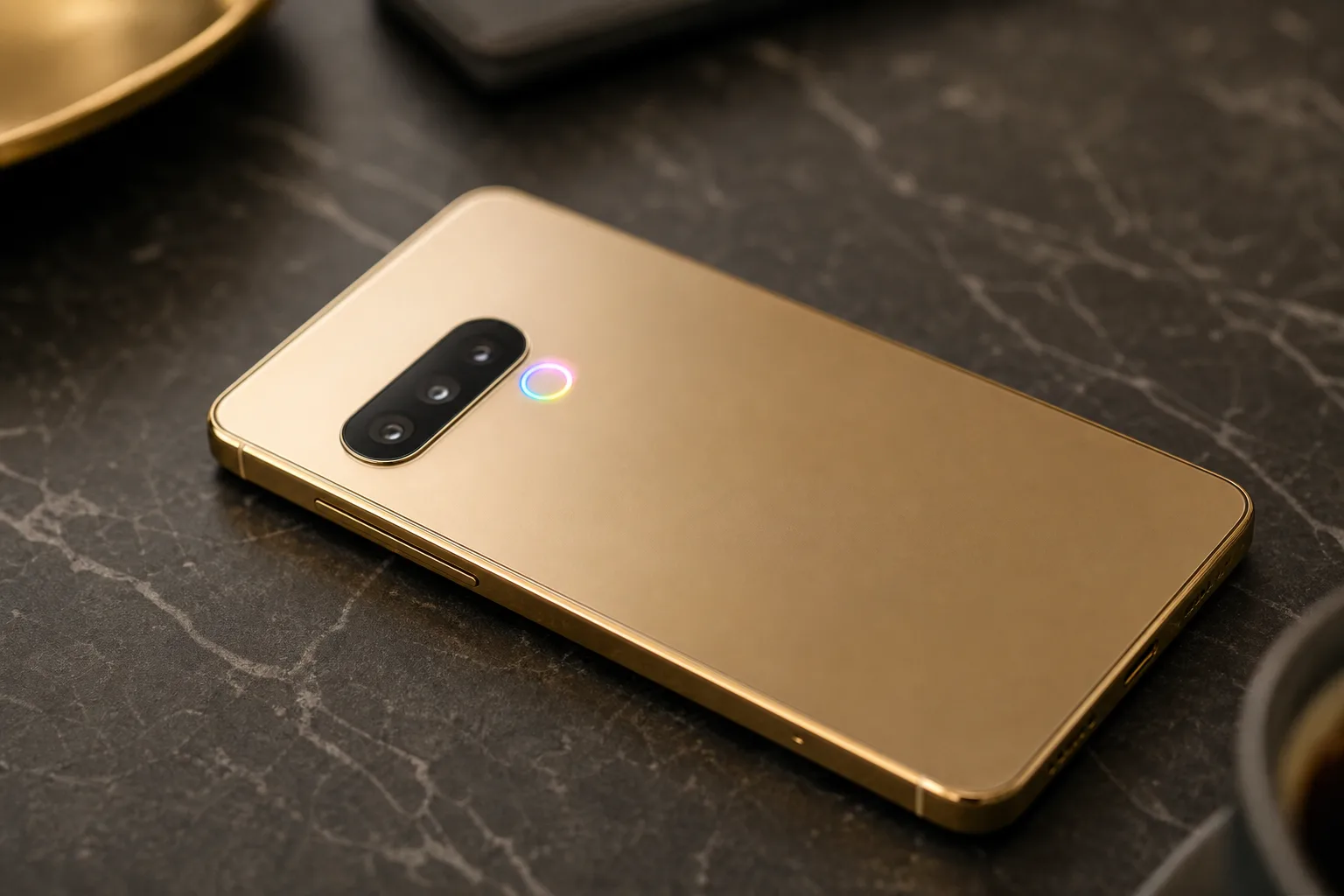
- Google’s Pixel 11 teaser confirms the company will unveil its next flagship phones during a Made by Google event on August 12.
- The Pixel 11 teaser offers a first official glimpse of a multicolored circular light positioned beside the rear camera bar.
- Google appears to be foregrounding Gemini Intelligence as heavily as hardware, signaling another year of AI-first smartphone marketing.
- US shoppers who register for Google Store emails by August 7 can receive a limited Pixel 11 purchase offer before launch.
Table of Contents
Pixel 11 teaser confirms the name, date and a familiar design
Google has stopped dancing around the name. Its first Pixel 11 teaser plainly calls the upcoming phones the Google Pixel 11, setting an August 12 Made by Google event for 6 p.m. Eastern and 3 p.m. Pacific. That sounds basic, but in the modern phone-launch ritual, a company confirming both the branding and the hardware this early is a small statement of confidence.
The short promotional material shows what appears to be a gold Pixel 11 Pro, while Google Store’s campaign page is dressed in the same warm metallic palette. The device keeps the broad horizontal camera bar that has made recent Pixels immediately recognizable from across a coffee shop table. Google isn’t chasing a radical redesign here. It’s refining an identity that finally feels like its own after years of phones that were clever but visually inconsistent.
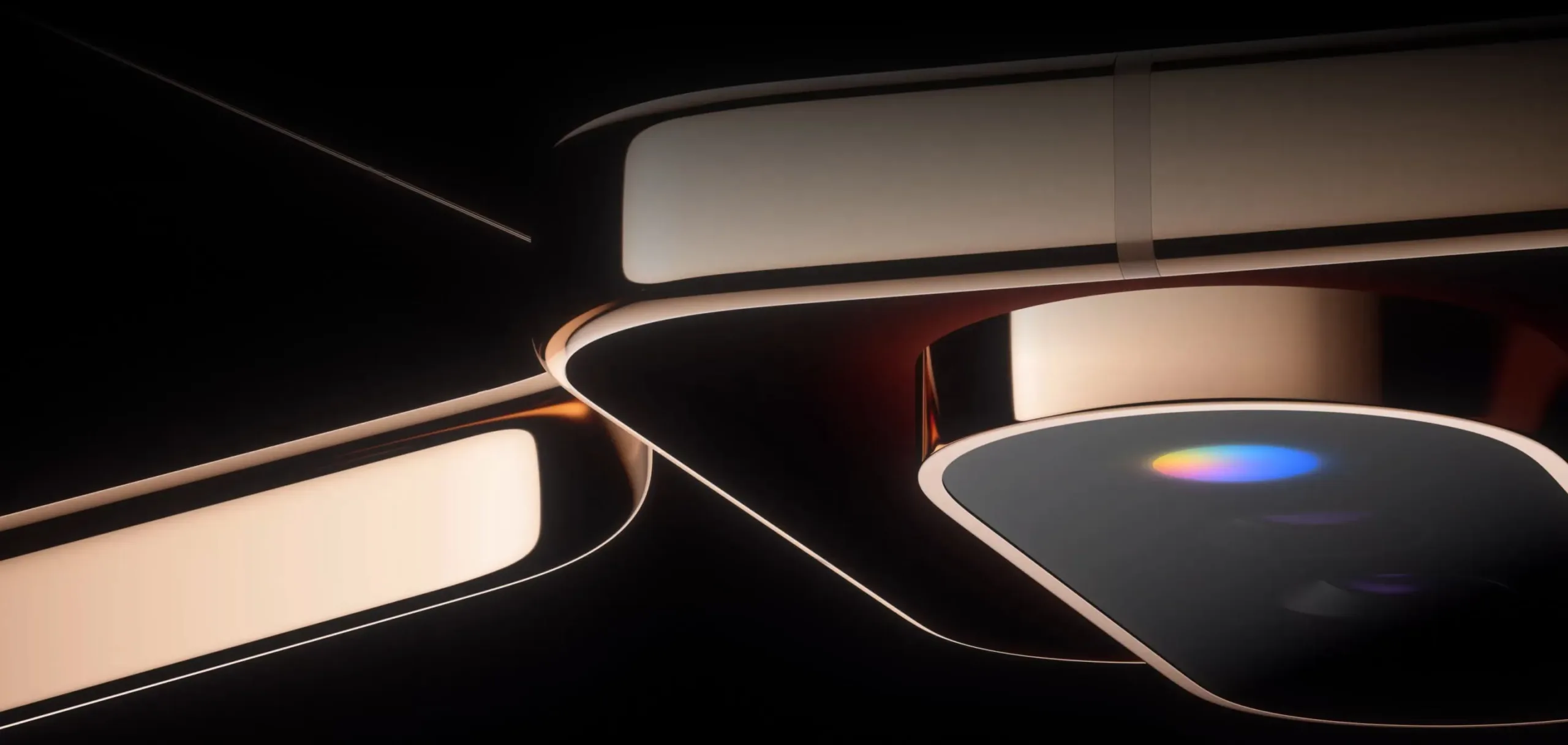
The Pixel line no longer needs to audition for relevance. Samsung’s Galaxy S phones have industrial polish. Apple has the gravitational pull of the iPhone ecosystem. Google’s route into that conversation has been computational photography, clean Android software and, lately, a steady stream of AI features with varying degrees of real-world usefulness. The Pixel 11 teaser suggests Google intends to double down on that formula rather than rip it up.
Google says viewers can tune in to hear updates spanning its new Pixel lineup and Gemini Intelligence. The Pixel 11 teaser does not include specifications, prices, sizes or a complete product roster, so any claims beyond the design shown here would be speculation. Still, an August announcement also points to preorders opening that day, following the cadence Google has used for recent flagship launches.
Readers can find Google’s current hardware storefront at the official Google Store, where the company is collecting email registrations for the launch promotion.
Pixel Glow may be small, but it is the most interesting detail
The star of the Pixel 11 teaser is not the gold finish. It is a circular, color-changing light placed to the right of the camera bar, occupying roughly the spot where the phone’s flash sits on existing Pixel designs. The feature has been rumored to be called Pixel Glow.
In the footage, Pixel Glow cycles through colors in a rotating animation. The first impression is somewhere between a notification light and the old macOS spinning beach ball — which is either charming or a mildly cursed association, depending on how many frozen apps you have survived. Either way, it is an unusually expressive hardware detail for a category that has largely settled into black glass rectangles with camera bumps.
The obvious question is what the light actually does. Google has not said. A multicolor ring could indicate charging status, incoming calls, timers, notifications, Gemini activity or a camera recording state. It could also be mostly theatrical, the phone equivalent of a PC case’s RGB glow. We will have to wait for the event before assigning it too much importance.
I’d argue the concept makes most sense as an ambient status indicator. Phones are often face-down, charging across the room or sitting beside a laptop while their owners are trying to focus. A light that conveys something useful without demanding another lock-screen glance would be genuinely handy. But usefulness will come down to controls. If Pixel Glow cannot be tailored, silenced and disabled, it risks becoming one more bright little plea for attention.
There is a bit of industry history here. Google once used active-edge squeeze gestures, radar-based Motion Sense controls and other experimental flourishes to separate Pixels from the pack. Some landed; several quietly disappeared. Pixel Glow has the potential to be more practical than those ideas because it does not require users to learn a new gesture or trust an unreliable sensor. It simply needs to communicate clearly.
Gemini is likely to be the real Pixel 11 story
Hardware teasers are always a controlled exercise in misdirection. The new color catches the eye, the glowing circle gives journalists something to scrutinize frame by frame, and the event branding quietly reveals where the company’s priorities lie. In this Pixel 11 teaser, that priority is Gemini Intelligence.
Google spent the past year weaving Gemini into Android, search, productivity tools and Pixel-specific experiences. That strategy is understandable: nearly every major phone maker now needs an AI story, whether that means Samsung’s Galaxy AI partnership with Google, Apple Intelligence, or the broad promise of on-device assistance from Qualcomm-powered Android flagships.
Frankly, the industry still has work to do before AI becomes a reason most people replace a perfectly good phone. Photo editing and transcription have clear value. Summaries can save time. But the pitch gets fuzzy when an assistant offers to perform tasks users can complete themselves in two taps. Google’s advantage is that it owns Android, Search, Gemini and Pixel hardware. Its problem is making that stack feel coherent rather than like a collection of demos shown under stage lights.
The Pixel 11 teaser sets up a useful test. Can Google show Gemini solving everyday phone problems with enough speed, reliability and privacy to justify the spotlight? Or will the event again be remembered more for a flashy feature than a durable reason to upgrade? Pixel Glow may turn out to be the visual hook, but Gemini’s execution will decide whether this generation has staying power.
Google Store offer has the usual fine print
Google is also dangling an exclusive offer for people who sign up for Google Store marketing emails using a Google Account. The registration window runs from July 15 at 10 a.m. Pacific through August 7 at 11:59 p.m. Pacific. Eligible US residents aged 18 or older with a US shipping address will receive a promotional code by email on August 11, according to Google’s terms.
The code expires August 27 and is limited to one per customer while supplies last. It applies only to the specified advertised Pixel 11 devices, including unlocked and Google Fi variants, not subscriptions, services or unrelated Google hardware. As ever, read the terms before assuming this will be a dramatic discount; launch offers can range from meaningful trade-in value to a modest nudge toward checkout.
For now, the Pixel 11 teaser has done its job: it has confirmed the product, offered one memorable new piece of hardware and pointed the conversation toward Gemini. The Pixel 11 teaser gives Google less than a month to explain why a colored circle on the back of a phone should matter. My read is that it could, provided it signals useful information rather than merely glowing for the camera.