

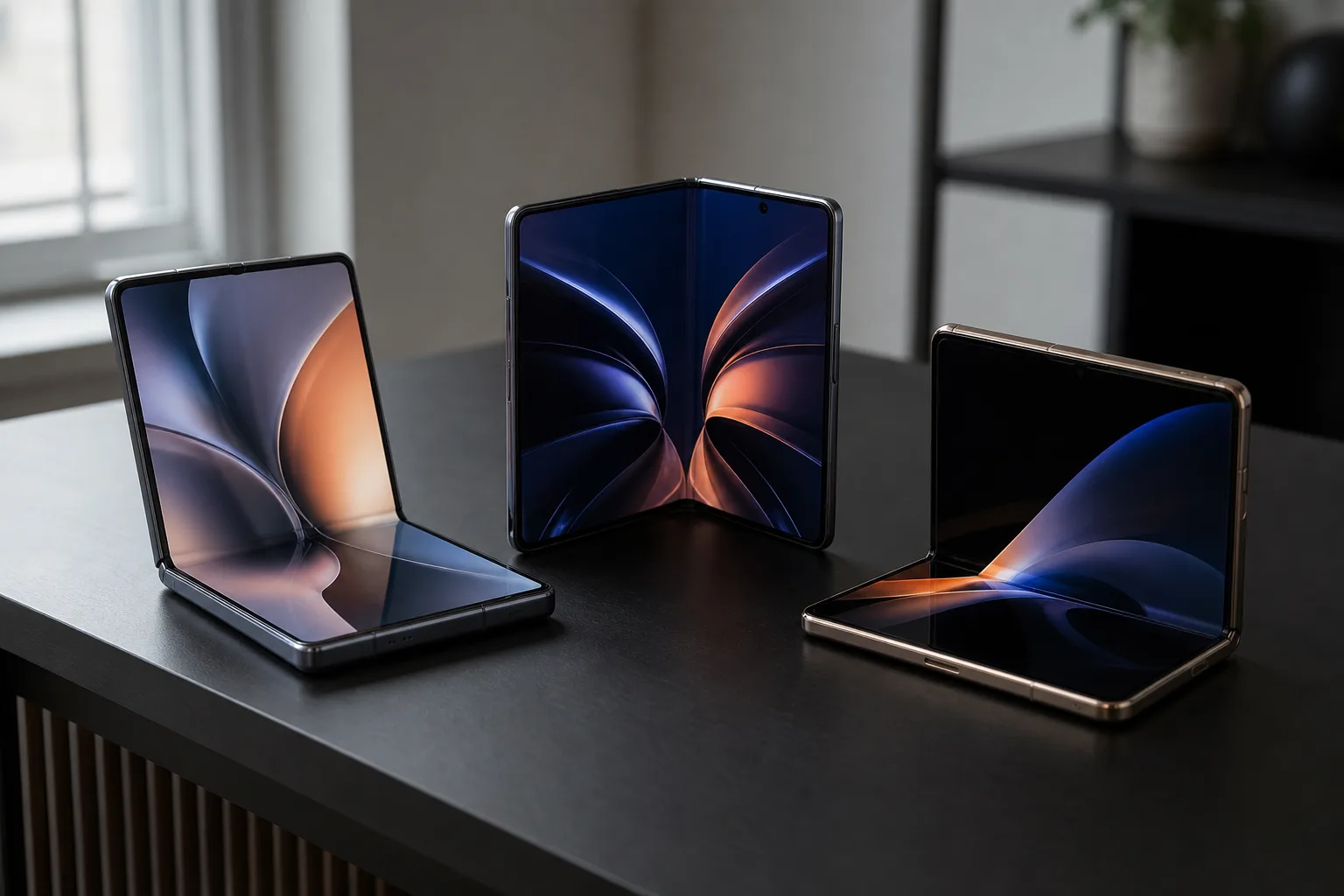
- The Pixel 11 Pro Fold must shed substantial weight, because Samsung and Motorola have made heavy book-style foldables hard to excuse.
- For the Pixel 11 Pro Fold, Google needs faster charging and a battery strategy capable of challenging Motorola’s 6,000mAh Razr Fold.
- Google’s Android software needs proactive split-screen tools that make the inner display useful without turning every task into manual setup.
- Thin bezels, LTPO panels and a less visible crease would make Google’s next foldable feel current at a near-$2,000 price.
Table of Contents
The Pixel 11 Pro Fold can’t arrive looking like a minor refresh
Google has reached the uncomfortable stage of the foldable race where a respectable phone may no longer be enough. The Pixel 11 Pro Fold needs to feel meaningfully different from its predecessor, not merely carry a newer Tensor chip and a few extra milliamp-hours. Samsung has made the Galaxy Z Fold 7 dramatically easier to carry, while Motorola’s Razr Fold has shown that battery anxiety doesn’t have to be part of owning a large foldable.
The Pixel 10 Pro Fold got several fundamentals right. Its 5,015mAh battery is larger than Samsung’s 4,400mAh cell, 30W wired charging is less miserly than Samsung’s approach, and Google brought Qi2 magnetic charging and IP68 dust and water resistance to a US book-style foldable. Those are real advantages. But at this end of the market, advantages on a specification sheet don’t erase the physical reality of a 258-gram handset.
That figure tells the story. Google’s current foldable is one gram heavier than the Pixel 9 Pro Fold, 15 grams heavier than Motorola’s 243-gram Razr Fold, and a hefty 43 grams above the 215-gram Galaxy Z Fold 7. Put another way: it is essentially as heavy as Samsung’s giant Galaxy S26 Ultra, except it also has a hinge and an inner display to manage. That’s a rough trade.
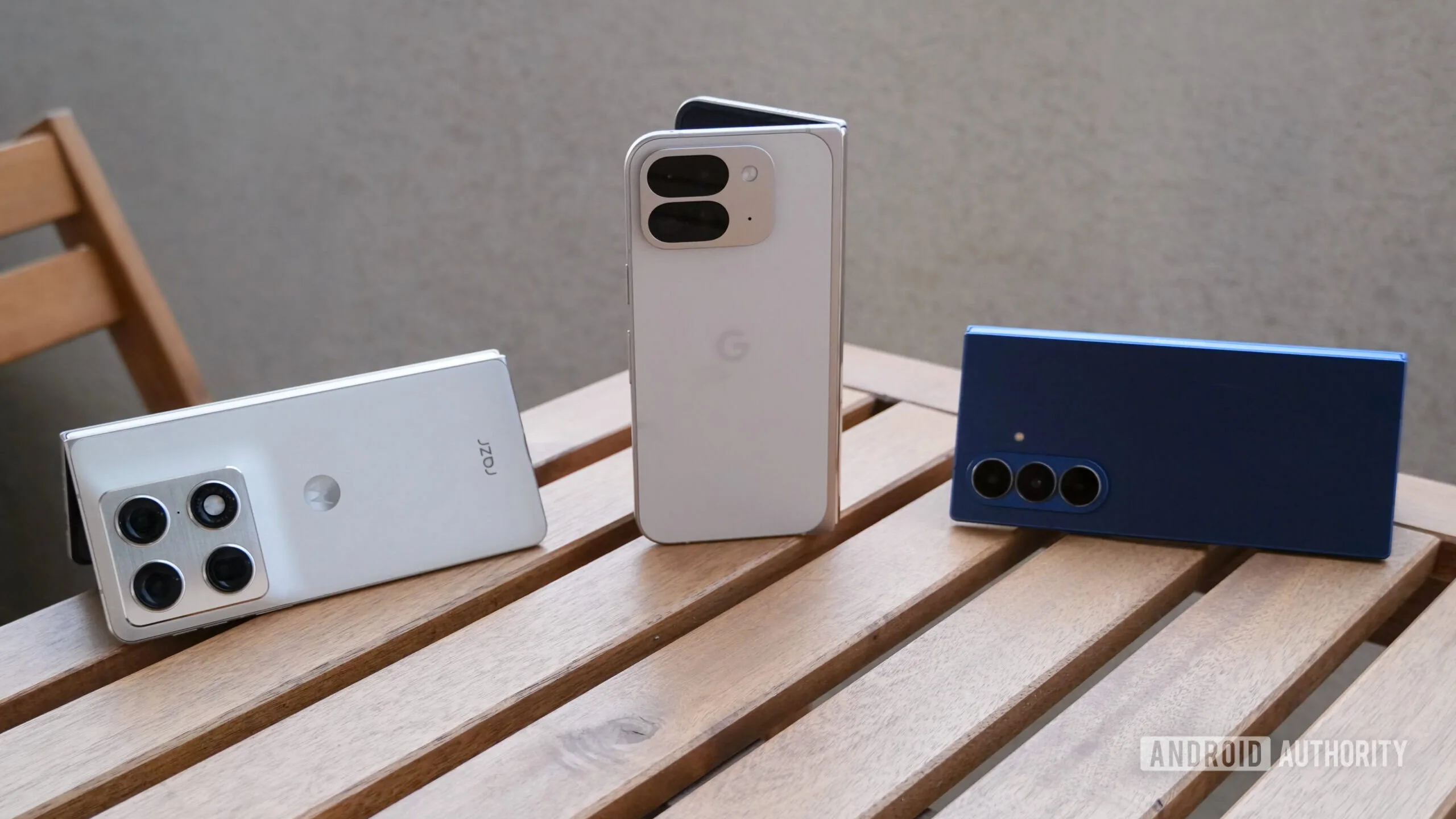
My read is that Google can no longer treat heft as the price of offering bigger batteries and magnets. Buyers may forgive one compromise. They won’t happily carry three or four of them every day, especially after competitors have proved that thin foldables are no longer a distant concept reserved for Chinese hardware brands.
Pixel 11 Pro Fold hardware needs a diet, not a makeover
The first item on Google’s list should be simple: take weight out. The Pixel 11 Pro Fold does not necessarily need to beat Samsung’s 215-gram number, which remains extremely aggressive for this category. It should at least get close to Motorola’s 243 grams. That would make the device less tiring during a commute, less lopsided while reading in bed, and less like a tiny brick in a jacket pocket.
Thickness matters too, though I’d put it behind weight. A folded phone that feels like two ordinary phones taped together has always been a hard sell. Samsung’s recent hardware has pushed the category toward something that can plausibly replace a conventional slab phone rather than accompany one. Google needs to trim a millimeter or so, particularly around the hinge side, without sacrificing the durability gains it has worked hard to establish.
Then there’s the front display. Google’s cover-screen proportions are usable, and I still prefer a wider outer panel to Samsung’s historically narrow approach. But the large curved edges and thick-looking hinge-side border make the current Pixel appear dated next to the cleaner fronts of its rivals. At nearly $2,000, “good enough” industrial design is not good enough. The Pixel 11 Pro Fold should have slimmer, more even bezels and a cover screen that looks intentional rather than inherited.
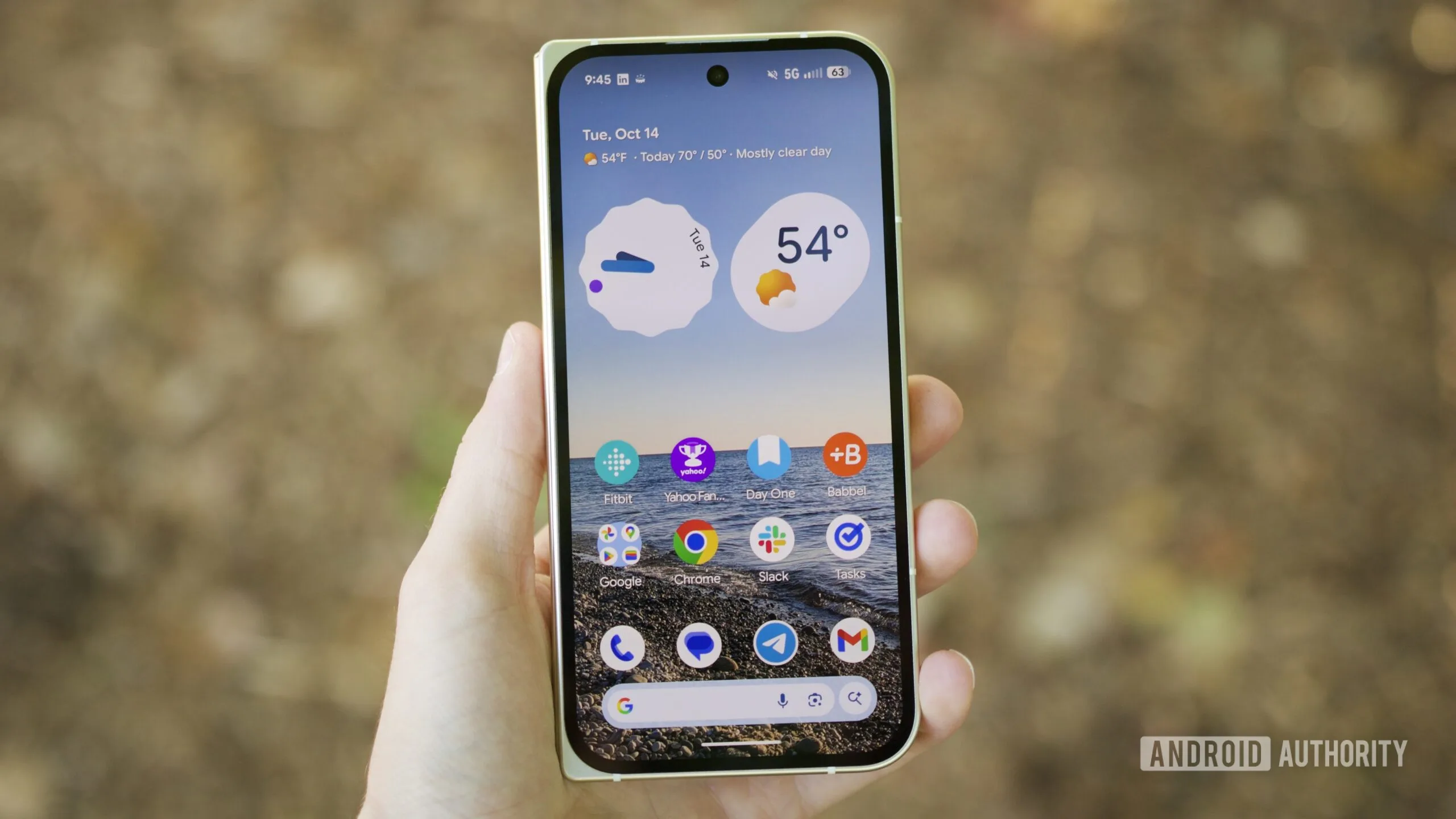
Display hardware deserves equal attention. The current Pixel supports a 120Hz refresh rate but lacks LTPO technology, which allows the panel to vary its refresh rate more efficiently. LTPO is hardly exotic in premium phones now. It can reduce power use when showing static content and makes an always-on display less wasteful. Google should bring it to both screens, while improving peak outdoor brightness and reducing the visibility of the inner crease. Nobody expects glass-slab perfection from a folding display, but the bar has moved.
Battery leadership is now Motorola’s, not Google’s
For a moment, Google could reasonably point to its larger battery and 30W charging as evidence that it understood a basic Fold truth: a big inner OLED panel is hungry. The Razr Fold changed that calculation. Motorola paired silicon-carbon battery technology with a 6,000mAh capacity and up to 80W wired charging. It skipped built-in Qi2 magnets, which gives Google a useful counterargument, but its endurance-first approach is much closer to what people buying expensive foldables actually want.
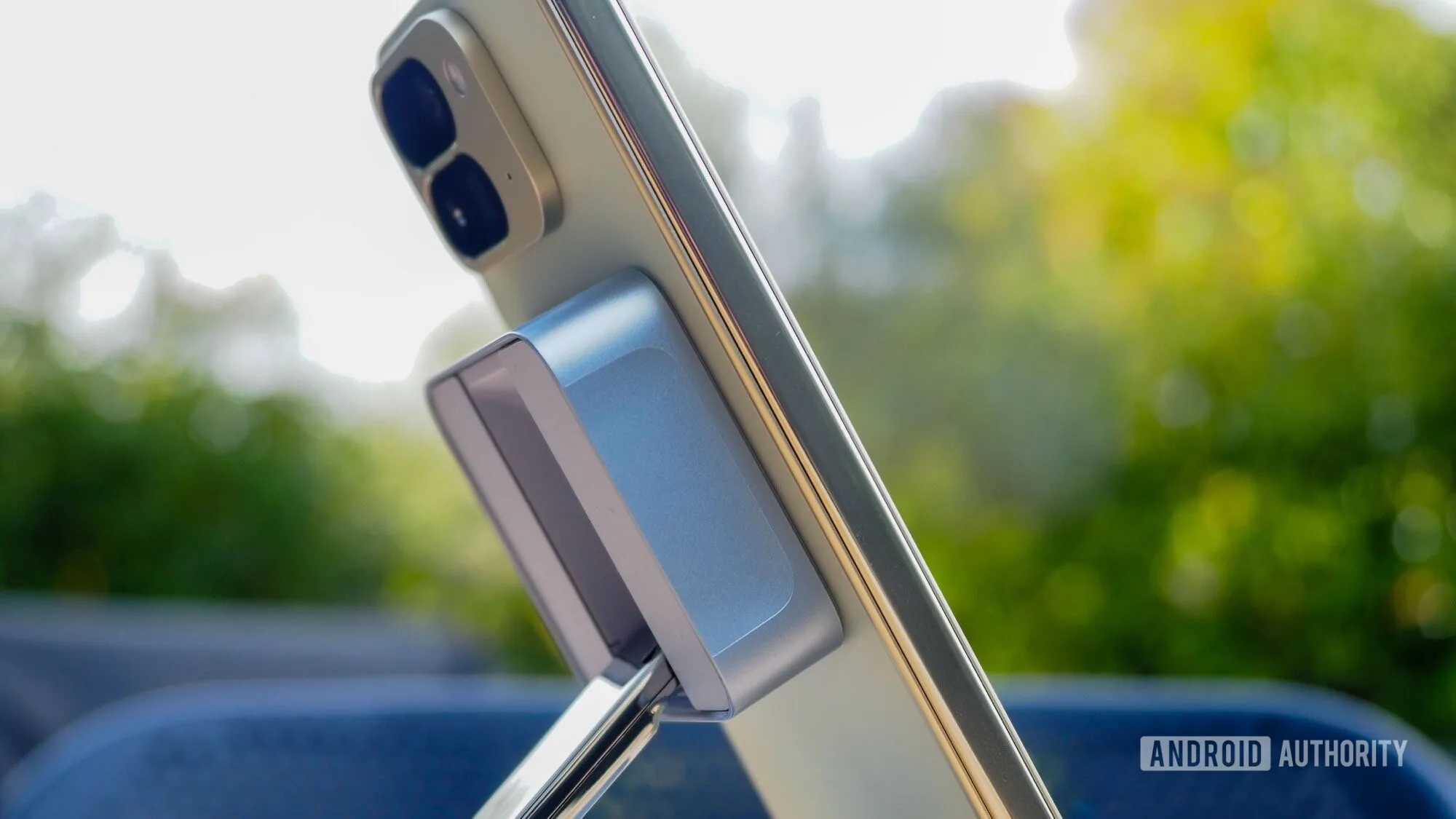
When a phone costs laptop money, charging it at lunch because the inner screen chewed through the morning is absurd. The Pixel 11 Pro Fold should retain magnetic Qi2 support because it makes desk charging, stands and accessories genuinely nicer to use. It also needs a substantial wired-charge bump beyond 30W. A capacity increase would be welcome, but efficiency matters just as much; a new Tensor platform must avoid turning extra battery space into extra heat.
Google should be cautious about chasing a headline number for its own sake. Battery life varies wildly with cellular conditions, camera use, gaming and display time. Still, Motorola has reset expectations in the US market. If Samsung answers with a larger battery in the next Galaxy Z Fold, the Pixel 11 Pro Fold could find itself squeezed between Samsung’s portability and Motorola’s stamina. That is not a comfortable place to be.
Software is where Google is leaving the big screen idle
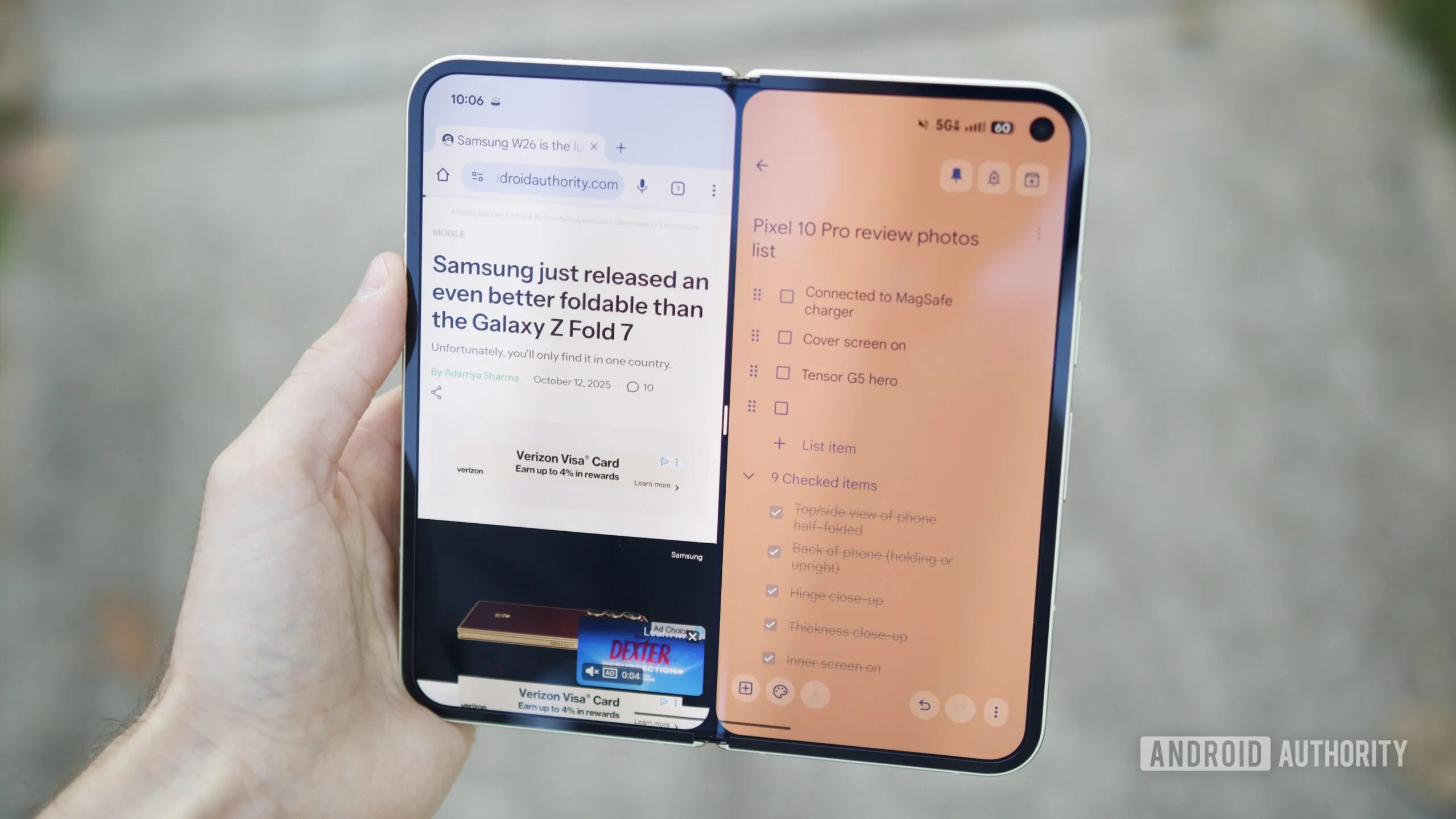
Frankly, this is the more frustrating issue because Google makes Android. A foldable’s inner panel should make routine work faster: checking a calendar beside email, dragging a photo into a message, comparing products in two browser windows, or keeping a video floating while answering a chat. Yet Google’s own foldable experience still too often asks users to do the setup work themselves.
Samsung has years of practice with multi-window, taskbars and pop-up apps. Motorola has taken a more approachable path, suggesting app pairs, offering split-screen actions around links, and making multitasking options visible from the recents screen. OnePlus’ Open Canvas remains the clearest conceptual challenge: instead of forcing every app into rigid side-by-side boxes, it treats the big screen as a flexible workspace.
The Pixel 11 Pro Fold should borrow shamelessly from all of them. Google needs saved app pairs on the home screen, easier drag-and-drop, a persistent taskbar when appropriate, and contextual prompts that don’t feel naggy. If I open a shopping link from a message, offer a split view. If I repeatedly use Gmail and Docs together, remember it. This is the sort of quiet intelligence Google is supposed to be good at.
Android’s large-screen work has improved over the past several releases. But developer guidance is not the same as a compelling consumer workflow. The Pixel 11 Pro Fold needs software that actively makes the second screen earn its keep, particularly when many apps still behave like stretched phone interfaces.
Google needs a clear reason to choose its foldable
The danger for Google is not that the Pixel Fold line is bad. It’s that it has become easy to describe it as the sensible middle option: better battery capacity than Samsung, more polished than some imports, and backed by Google’s cameras and software. Middle options have a hard time commanding ultra-premium prices.
There is still a credible path forward. Google can combine Qi2 convenience, serious durability, Pixel camera processing and a genuinely excellent wide cover display with a lighter chassis and software that feels built for folding hardware. Add battery performance close to Motorola’s and it would be a persuasive package rather than an apologetic one.
But the Pixel 11 Pro Fold cannot coast on the idea that Google software is automatically the best software. In foldables, Samsung and Motorola are currently doing more to make that expansive inner panel feel useful. Google has the platform, the money and the data to catch up. The interesting question is whether it has the urgency.
Frequently Asked Questions
When could the Pixel 11 Pro Fold launch?
The source does not provide a launch date or timing for the Pixel 11 Pro Fold.
Why does foldable phone weight matter so much?
The article describes the Pixel 10 Pro Fold as notably heavy compared with competing foldables. It weighs 258 grams, compared with 215 grams for Samsung’s Galaxy Z Fold 7.
Does the Pixel 11 Pro Fold need a bigger battery?
A larger battery would help, but capacity alone is not the whole answer. Google’s current 5,015mAh battery beats Samsung’s 4,400mAh pack, while Motorola has raised expectations with a 6,000mAh silicon-carbon battery and 80W wired charging in the Razr Fold.

