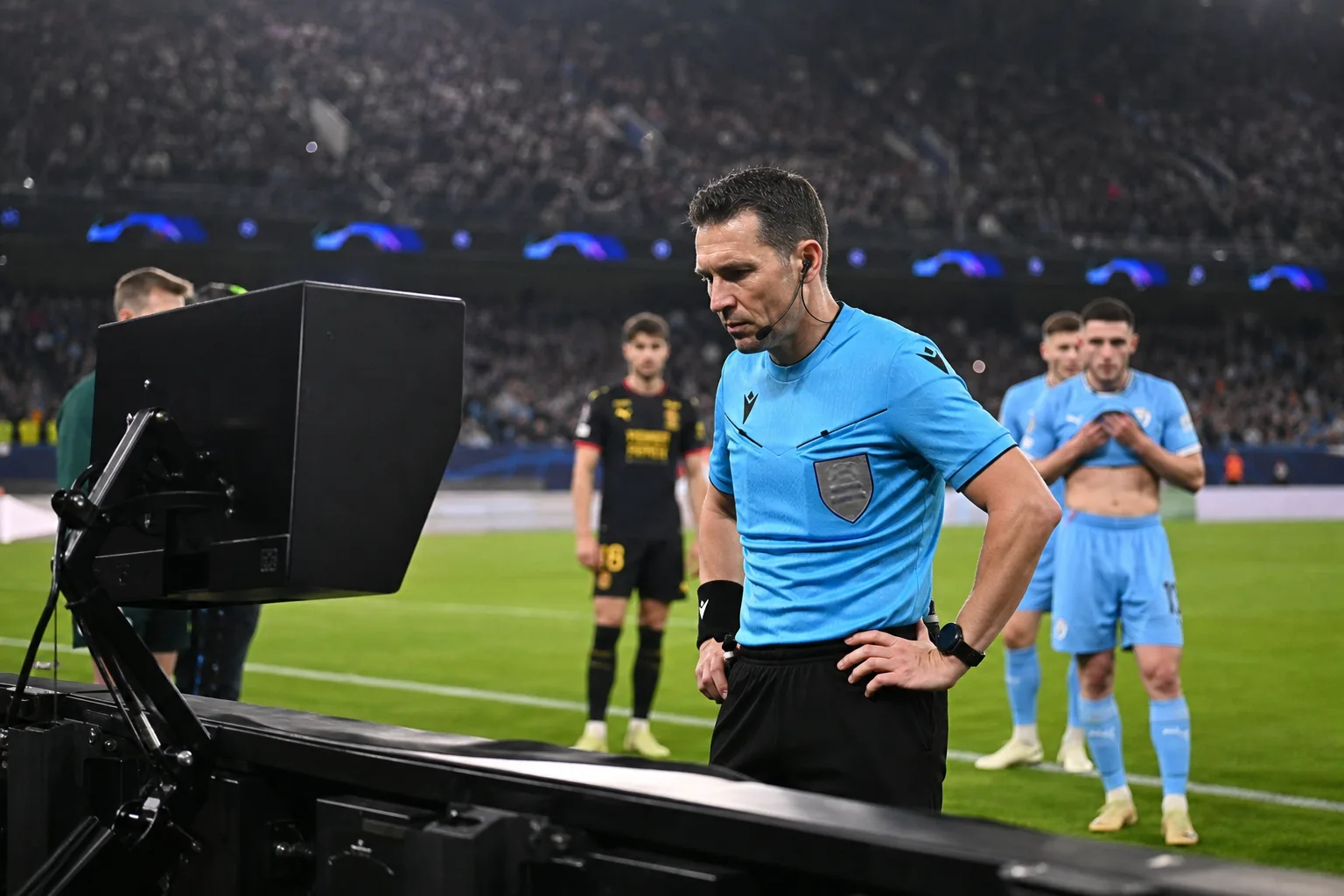
- World Cup VAR can review more incidents in 2026, but its decisions still depend on referees interpreting subjective moments.
- The Argentina-Egypt dispute shows why World Cup VAR transparency matters as much as camera angles, replay speed, and offside tracking.
- FIFA’s expanded review rules aim to catch missed fouls and wrongful dismissals without turning every match into a video review.
- The biggest risk is not faulty equipment but inconsistent intervention standards across officials, matches, and high-pressure tournament moments.
Table of Contents
The cameras aren’t the weak link
World Cup VAR is supposed to make the sport’s biggest stage less vulnerable to a referee’s blocked sightline or a split-second mistake. Yet Argentina’s 3–2 comeback win over Egypt in the Round of 16 has produced the familiar post-match question: if football now has an army of cameras, why does everyone still feel the calls are arbitrary?
Egypt had led by two goals before Argentina turned the match around, then the Egyptian Football Association lodged a formal protest with FIFA. Its complaint was blunt: the federation said the failure to use video review properly influenced key decisions and that it could not stay silent about what it saw during the match.
That language will sound familiar to anyone who has watched elite football over the past eight years. Every disputed offside line, every prolonged penalty check, every goal ruled out after a celebration has revived the same suspicion: that video assistance has made officiating more opaque, not more trustworthy.
My read is less conspiratorial, and frankly more troubling. The problem with modern video review is not that it lacks evidence. FIFA has supplied an extraordinary amount of it. The problem is that football keeps presenting subjective questions to people, then acts surprised when different people reach different conclusions.
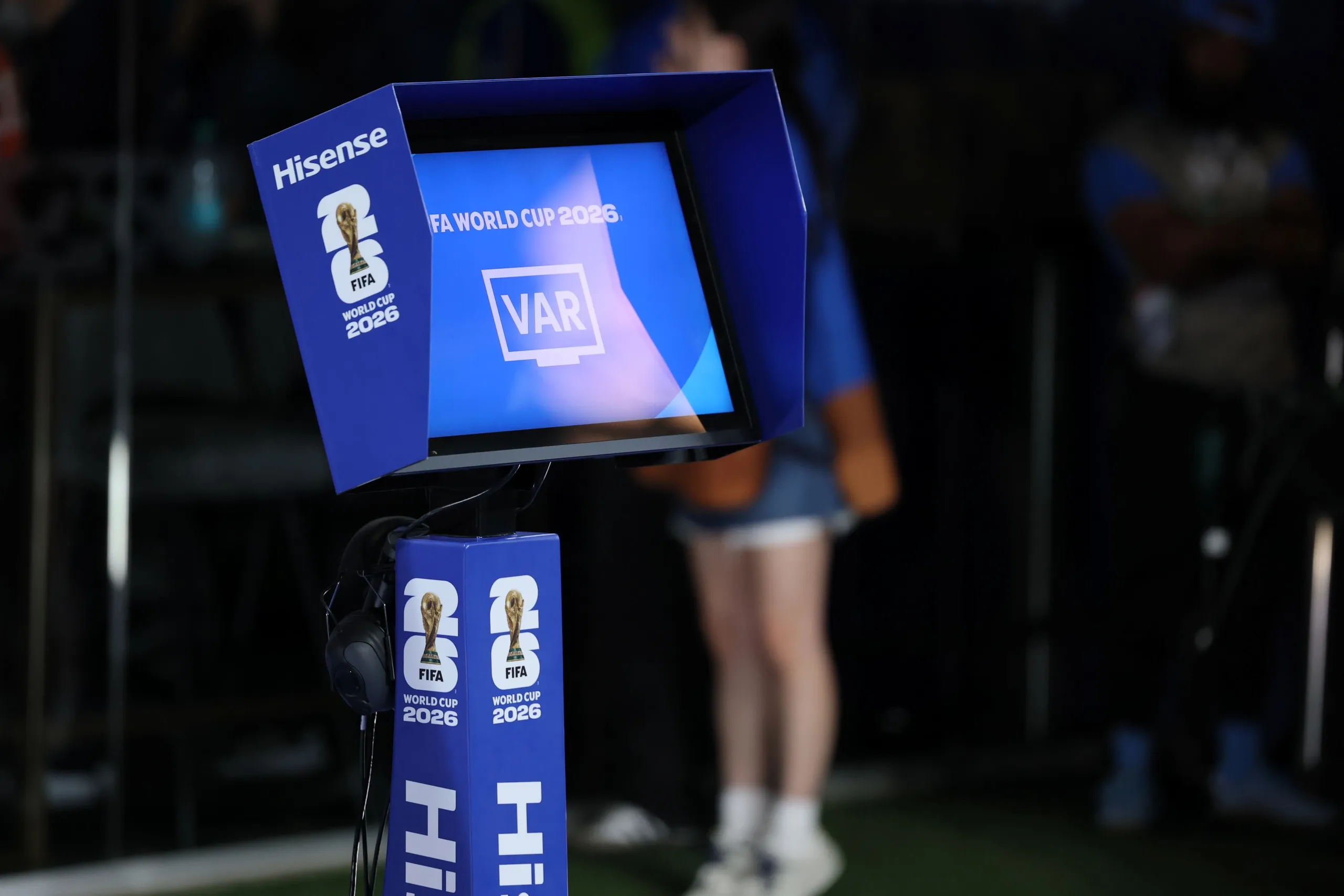
Since its World Cup debut in Russia in 2018, VAR has spread across more than 100 competitions. The pitch-side referee is supported by a video referee and three assistants, with access to 42 broadcast cameras. Eight can deliver super-slow-motion footage, four offer ultra-slow-motion feeds, and semi-automated offside systems add positional data to the mix.
That is a serious technical operation, not a few officials squinting at a laptop. But a room full of feeds cannot decide whether a nudge was enough to deny a defender the ball, whether an attacker obstructed a goalkeeper, or whether contact meets the threshold for a penalty. Those are judgments. And judgments are where confidence leaks away.
World Cup VAR has expanded its remit
For 2026, FIFA has widened the situations in which World Cup VAR can step in. In addition to goals, penalties, direct red cards, and mistaken identity, officials can now address clearly erroneous second-yellow decisions. The system can also flag blocking, pushing, offside positions, or attacking fouls that occur before free kicks and corners.
Former Mexican World Cup referee Armando Archundia told WIRED en Español that the additions are meant to prevent goals emerging from incidents the referee did not assess correctly. He also pointed to review support around the so-called Prestianni-Vinícius Rule, which calls for a direct red card when a player covers his mouth with a hand, arm, or shirt during a confrontation.
Set pieces are football’s version of rush-hour traffic: bodies everywhere, very little room, and somebody almost always claiming another person cut them off. A referee cannot reliably catch every shove in that crowd. World Cup VAR can give the official a second look before a marginal foul becomes a tournament-defining goal.
But more reviewable incidents also mean more opportunities for uneven application. If one match’s video officials call the referee over for a slight hold at a corner while another crew waves away comparable contact, fans won’t see sophistication. They’ll see a lottery.
FIFA’s own framing matters here. The organization describes VAR as support for the on-field refereeing team, not a replacement for it. That distinction sounds administrative, but it is the entire argument. The technology is meant to correct clear and obvious errors, not replay the match until a committee finds an interpretation it prefers.
The pendulum has swung between deference and dependence
Football spent decades with a center referee, two assistants, and an acceptance that some calls would simply be wrong. A fourth official arrived to manage benches and technical areas; extra officials behind the goals followed in some competitions. The system grew, but it still depended on humans standing at imperfect angles in a very fast sport.
Sports analyst Fernando Galván has argued that officiating developed more slowly than football itself. He is right. Players became quicker, pressing schemes became more organized, and broadcasts began offering viewers angles that no official on the grass could possibly have. VAR was the sport’s answer to that mismatch.
Then came the overcorrection. As Galván put it, referees first decided everything, and then VAR decided everything. Anyone who endured a five-minute delay for a millimeter offside knows how that felt. Football had installed a safety net and occasionally turned it into the main act.
The sensible World Cup VAR model is trying to land somewhere more useful: preserve the referee’s authority while giving that referee better information when an incident truly merits it. That sounds obvious. In practice, it requires officials to share a stable definition of ‘clear,’ a word that has caused more arguments than most of the Laws of the Game.
Transparency is the missing feature
Egypt’s complaint is unlikely to be the last one at this tournament. When an eliminated team says the system was used inconsistently, the obvious response is to show the public how the decision was reached. Not every internal discussion needs to become theater, but the sport has to offer more than a stadium screen, a delay, and a final verdict.
Rugby has long made much of its television match official process audible, even if that model is not perfectly transferable to football. The NFL lets viewers hear referees announce replay rulings in the stadium. Cricket’s Decision Review System makes its ball-tracking logic visible. Each sport still attracts arguments, because sports fans are sports fans, but the process is less of a black box.
World Cup VAR would benefit from that kind of procedural daylight. Explain which phase of play was reviewed. Show the relevant angles. State whether the video team found a factual offside issue or merely recommended that the referee reconsider subjective contact. FIFA does not need to promise that every supporter will agree. It needs to make disagreement feel informed rather than manipulated.
The deeper point is simple: technology can measure a player’s location to remarkable precision, but it cannot manufacture legitimacy. That comes from consistency, training, and an explanation people can inspect. If FIFA wants World Cup VAR to be remembered as more than another source of tournament grievance, it should spend as much energy on those human systems as it does on adding the next camera.
Frequently Asked Questions
What can World Cup VAR review during a match?
World Cup VAR reviews potential goals and the attacking phase before them, penalty decisions, direct red cards, and mistaken identity. For the 2026 tournament, FIFA has also expanded intervention around clearly erroneous second yellow cards and certain offenses before free kicks or corners.
Does semi-automated offside make football decisions objective?
Semi-automated technology can help detect offsides, but the source raises questions about whether VAR technology alone can guarantee fair decisions. The system provides footage and data for officials to review in eligible situations.
Why do VAR decisions still cause so much controversy?
Critics argue that VAR can disrupt the flow of play and that similar situations may be judged differently. Some also question whether the system’s limitations or its misuse contribute to disputed decisions.