

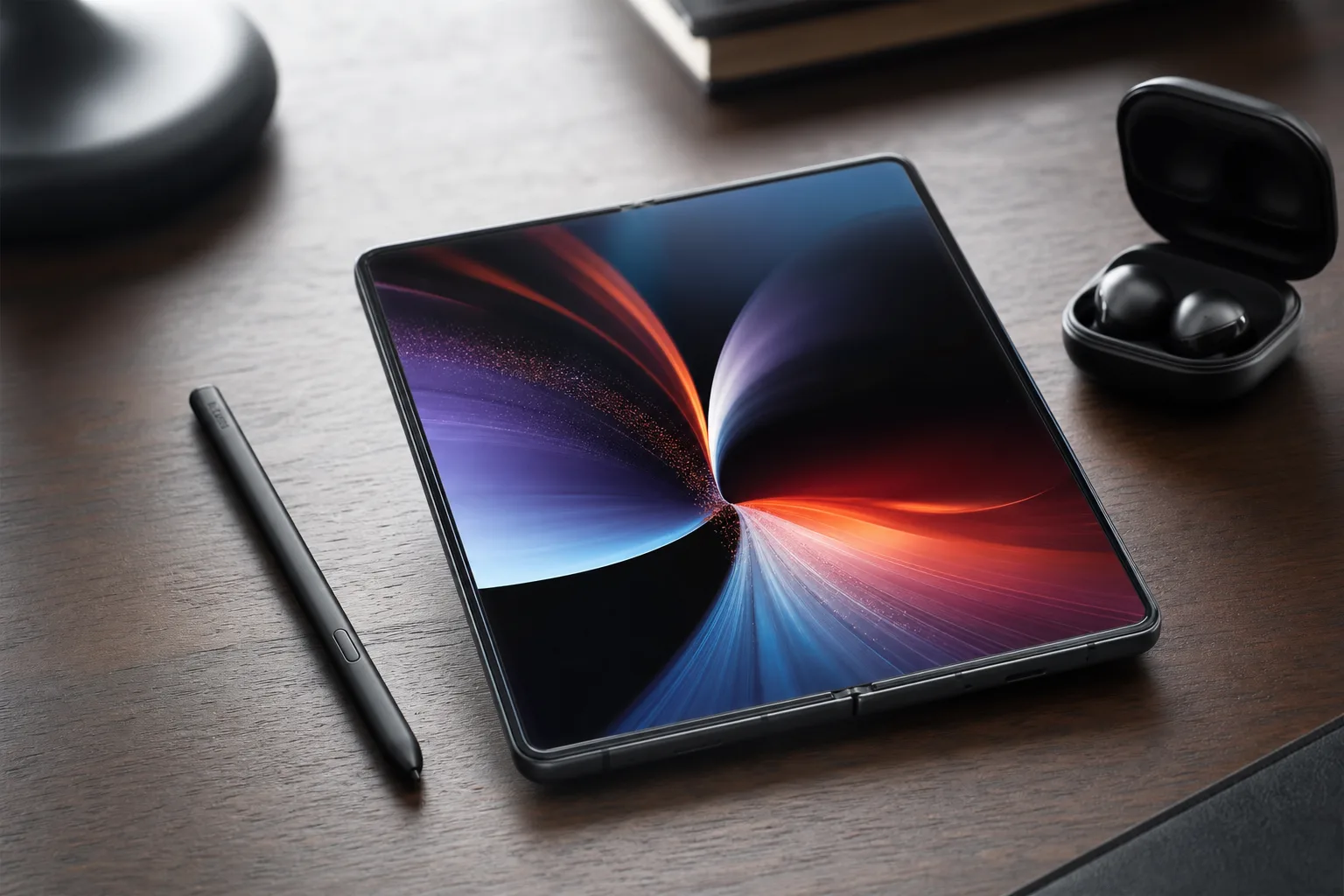
- Samsung storage upgrades appear to be shifting from free capacity bumps toward discounts on higher-capacity Galaxy foldable models.
- An Austrian promotion suggests Samsung storage upgrades could cost buyers extra, even after discounts of up to €200.
- Leaked European prices place the Galaxy Z Fold 8 family firmly in premium territory, especially for 1TB configurations.
- Samsung may vary launch incentives by market, so buyers should check local terms before assuming a preorder storage deal.
Table of Contents
The familiar preorder perk may be gone
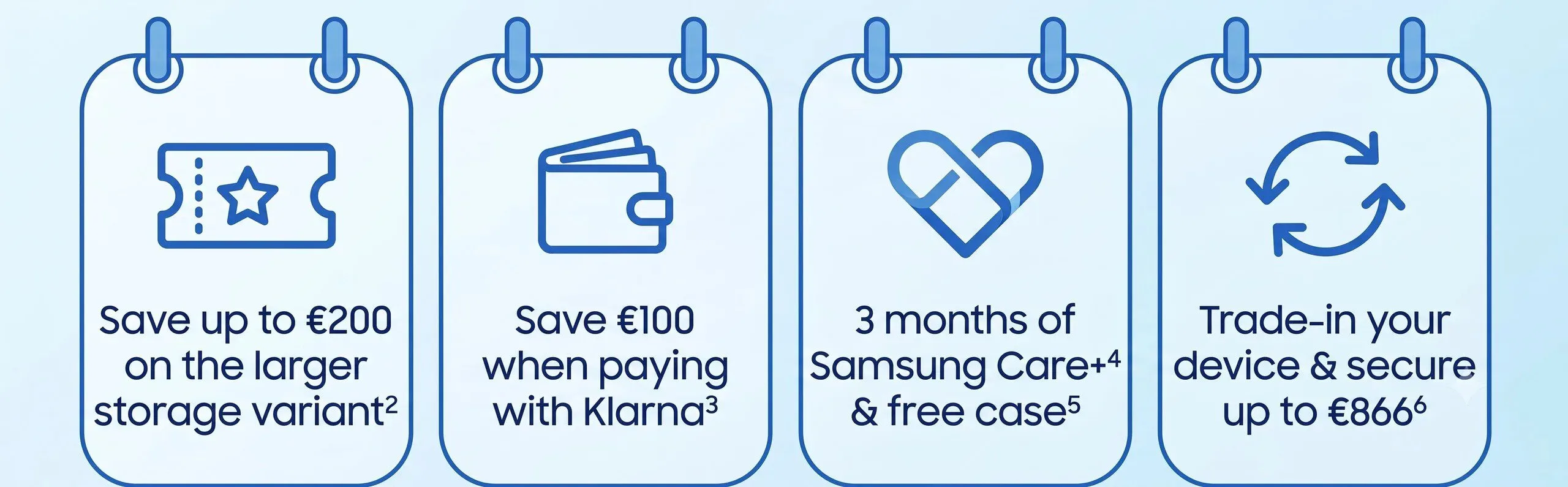
Samsung has trained foldable-phone buyers to wait for the preorder window. Not because early access is thrilling, frankly, but because the company has often sweetened the deal with a bigger storage tier at no added cost. This year, Samsung storage upgrades look far less generous. A promotional email reportedly sent by Samsung Austria points to discounts on larger-capacity models rather than the free storage bump many buyers have come to expect.
The distinction matters more than the marketing language suggests. A free upgrade lets someone pay the 256GB price and walk away with 512GB. The Austrian offer, as reported by Notebookcheck, reportedly puts €100 off a 512GB model and €200 off a 1TB version. That is a discount, yes. It is not a free lunch.
For buyers considering Samsung’s next Galaxy Z Fold and Galaxy Z Flip phones, this could turn a previously automatic preorder decision into an actual calculation. Storage is one of the few specs you cannot add later. You can buy a case next month; you cannot bolt another 256GB of internal flash onto a foldable once the box is open.
Samsung storage upgrades were an easy value proposition
The old approach made sense for Samsung. Foldables carry intimidating prices, and storage upgrades have relatively low marginal cost compared with the retail gap between tiers. Giving a customer 512GB for the listed price of 256GB felt meaningful without requiring Samsung to cut the headline price of its hardware. It also gave shoppers a neat reason to order directly from Samsung instead of a carrier or retailer.
For Samsung storage upgrades, that playbook has become routine across premium Android launches. Samsung has used storage promotions repeatedly, while Google and OnePlus have deployed similar preorder bundles, trade-in credits, watches, earbuds, or accessories to soften the sting of flagship pricing. Apple generally takes the more austere route: its storage tiers are priced as upgrades, full stop. Samsung’s willingness to hand out extra capacity helped it look unusually buyer-friendly beside the iPhone.
If the Austria campaign reflects the broader strategy, Samsung is testing whether its foldable audience will accept a less expensive incentive. My read is that the company may believe its new devices have enough demand, or enough hardware cost pressure, that it no longer needs to give away the most profitable configuration bait. Neither explanation is especially comforting for consumers.
Regional fine print could still change the picture. Samsung’s promotions are famously regional, so a deal in Austria does not automatically dictate what appears in the US, UK, South Korea, or elsewhere. Still, the reported offer lines up awkwardly well with recent Korean reports that Samsung would either make buyers cover part of the storage difference or restrict free upgrades to certain 256GB preorders.
The numbers make the discount look less friendly
Leaked European pricing helps explain why Samsung storage upgrades have become such a focal point. The Galaxy Z Flip 8 is tipped to start at €1,299 for 256GB and €1,499 for 512GB. The standard Galaxy Z Fold 8 could begin at €1,999 for 256GB and reach €2,199 for 512GB. A purported Galaxy Z Fold 8 Ultra, meanwhile, is rumored at €2,199 for 256GB, €2,399 for 512GB, and €2,799 for 1TB.
On that last model, a €200 discount on 1TB would still leave the buyer paying €200 more than the 512GB version. That may be fair value for people who shoot lots of high-resolution video, keep large offline media libraries, or want years of headroom for increasingly chunky apps. But it is a fundamentally different proposition from getting twice the capacity for nothing.
And 256GB is no longer lavish on a phone intended to double as a compact tablet. Galaxy foldables invite people to carry more files, edit more photos, download more shows, and use desktop-style apps through DeX. Add modern camera files, offline maps, and a few large games, and the baseline tier can feel tight sooner than it did three or four years ago.
What shoppers should do before pressing preorder
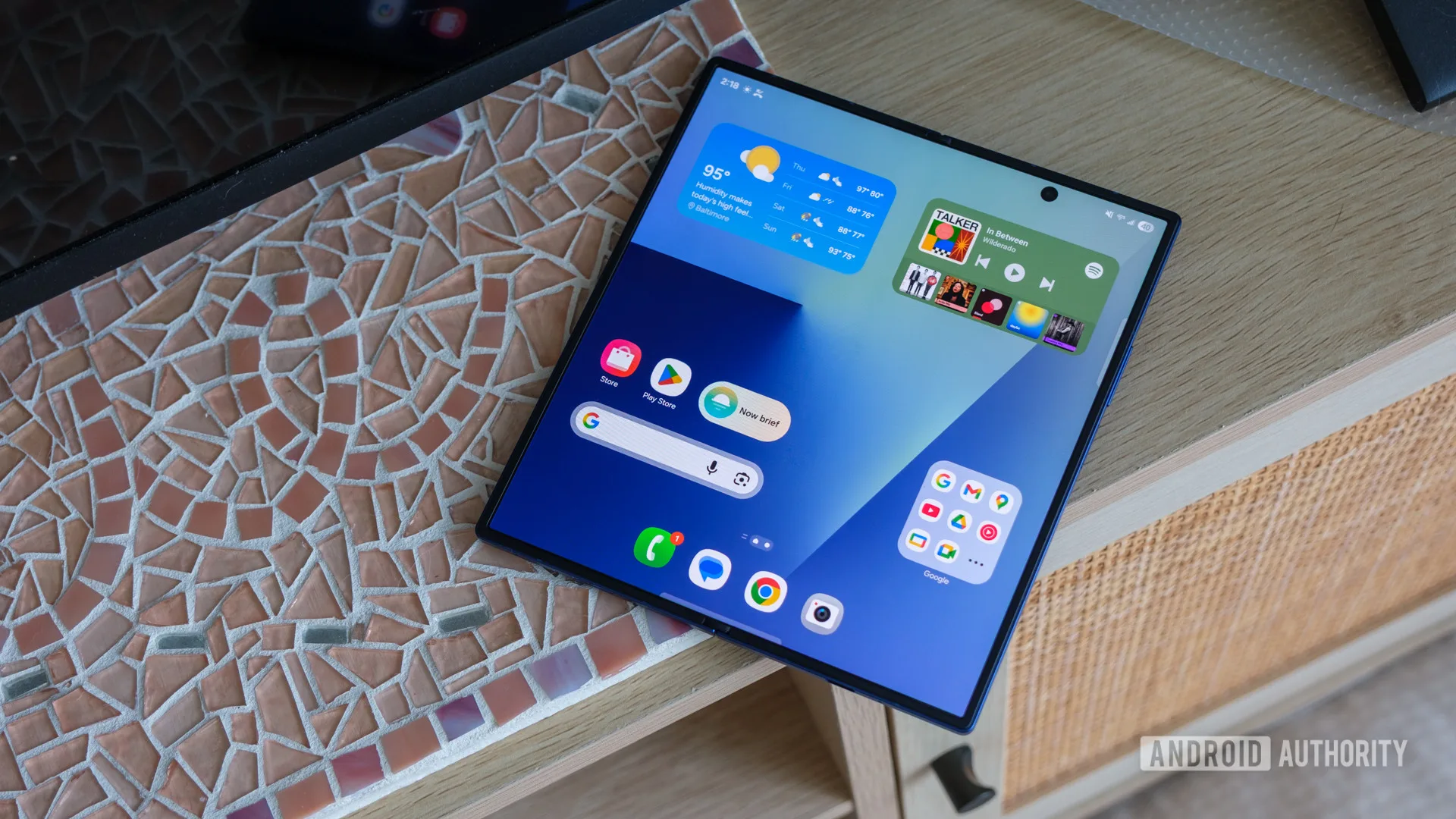
Anyone planning to buy a Galaxy Z Fold 8, Fold 8 Ultra, or Flip 8 should treat Samsung storage upgrades as unconfirmed until the local Samsung storefront publishes its actual terms. Do not rely on last year’s offer, a retailer’s vague banner, or a launch-stage graphic. Check the selected storage configuration in the cart and compare the final price after discounts, trade-in value, and any bundle credits.
It is also worth separating useful value from decorative value. A €200 price reduction on 1TB storage may be the right deal for someone who genuinely needs 1TB. For someone who would be content with 512GB, it is simply Samsung asking for more money while making the request sound like a saving. Retail promotions are a bit like supermarket loyalty stickers: the stated discount can be real, but it does not mean you needed the larger jar.
Samsung has not publicly laid out a universal launch policy for the new foldables. Buyers can watch the company’s official global newsroom and their country-specific store for confirmed Samsung storage upgrades once the devices are announced. Carrier deals could also complicate the picture, particularly in markets where monthly installment plans mask the total device cost.
For now, the practical takeaway is blunt: assume the free capacity bonus is not coming, then be pleasantly surprised if it does. If Samsung storage upgrades really have shifted to partial discounts, the company is taking away one of the cleanest reasons to preorder direct. At €2,000 and beyond, Samsung should be very careful about how many small buyer-friendly habits it decides to retire.

