Facebook spent years trying to be the digital town square, then the family photo album, then the marketplace bulletin board. Now the Facebook video experience may greet some users with the one thing Meta once seemed reluctant to admit it needed: a TikTok-like full-screen video feed the moment they open the app.
Meta says it will begin testing the redesigned opening experience later this year in markets where video is especially popular, with a possible US expansion in 2027. The company has not published interface mockups, which usually means the details are still moving. But the direction is crystal clear. Facebook wants more of your first few seconds — the most valuable real estate in any app — to belong to video.
- Meta will test a Facebook video experience that opens directly into a full-screen feed for selected users later this year.
- The Facebook video experience signals Meta’s latest effort to retain attention as TikTok and YouTube reshape social media habits.
- Facebook is also separating Marketplace selling tools and Group conversations into dedicated products with very familiar rival-inspired formats.
- A free selfie-based verification badge may give Facebook users a simpler way to establish that an account belongs to a real person.
Table of Contents
Facebook video experience puts the feed on the back foot
For a subset of people, opening Facebook will lead straight into full-screen video rather than the traditional mixed feed of posts, photos, links, Groups activity, Marketplace listings and the occasional distant relative’s deeply questionable political meme. That is a substantial philosophical change, not a cosmetic refresh.
Tom Alison, who leads Facebook at Meta, framed the move around where people now talk, find communities and shop. Video, in Meta’s telling, has become the place where all three activities increasingly happen. Meta is hardly alone in chasing that behavior. TikTok turned an endless stream of recommendations into the dominant social interface of the past decade, while YouTube has built Shorts into its enormous video machine.
The Facebook video experience is Meta’s answer to a difficult question: what is Facebook for when younger users increasingly begin with TikTok, YouTube, Instagram, Discord or a group chat? The old answer — keeping up with friends — has weakened because friends do not reliably post public updates anymore. They send private messages. They share clips. They watch creators they have never met.
That helps explain why Meta is willing to make the app’s front door look less like classic Facebook. The company already brought Reels to Instagram in 2020, and it has pushed short-form video aggressively across its family of apps. Facebook, however, has remained a messy but useful bundle of functions. There is value in that mess. People still use it to organize local events, join hobby groups, buy used furniture and locate the one plumber their neighborhood actually trusts.
My read is that Meta does not want to throw those uses away. It wants the Facebook video experience to become the attention engine that funnels people into them. That is the modern platform playbook: entertain first, then convert attention into community, commerce and advertising.
The TikTok comparison is unavoidable
Meta has long argued that competition flows in both directions. In 2022, Alison told The Verge that he saw TikTok as chasing Facebook in some respects. There was truth in that: TikTok added social features, shopping tools and longer videos as it grew. But the visual grammar of the proposed Facebook video experience is still unmistakably TikTok’s — vertical, immersive and algorithmically selected.
That is not an accusation, exactly. Every successful internet product gets copied. Instagram borrowed Stories from Snapchat; TikTok borrowed ideas from Vine, Musical.ly and YouTube; YouTube now looks more like TikTok than YouTube did five years ago. The issue is whether Facebook can make this format feel like a natural extension of its network rather than a feature bolted onto an aging app.
It also has a scale problem. Meta reportedly saw its apps collectively lose 20 million users in the first quarter of 2026, while TikTok crossed one billion monthly users only three years after launching. Facebook remains one of the world’s biggest social platforms, but sheer size can conceal a more worrying reality: a service can have billions of accounts and still lose cultural relevance.
The Facebook video experience may improve discovery for creators and give casual users something more compelling than a sparse feed. Yet it could also frustrate people who open Facebook with a task in mind. If you are trying to check a school fundraiser or answer a Marketplace buyer, being dropped into a river of clips is about as helpful as a casino placing slot machines in front of the grocery aisle.
Facebook is splitting its old bundle into smaller apps
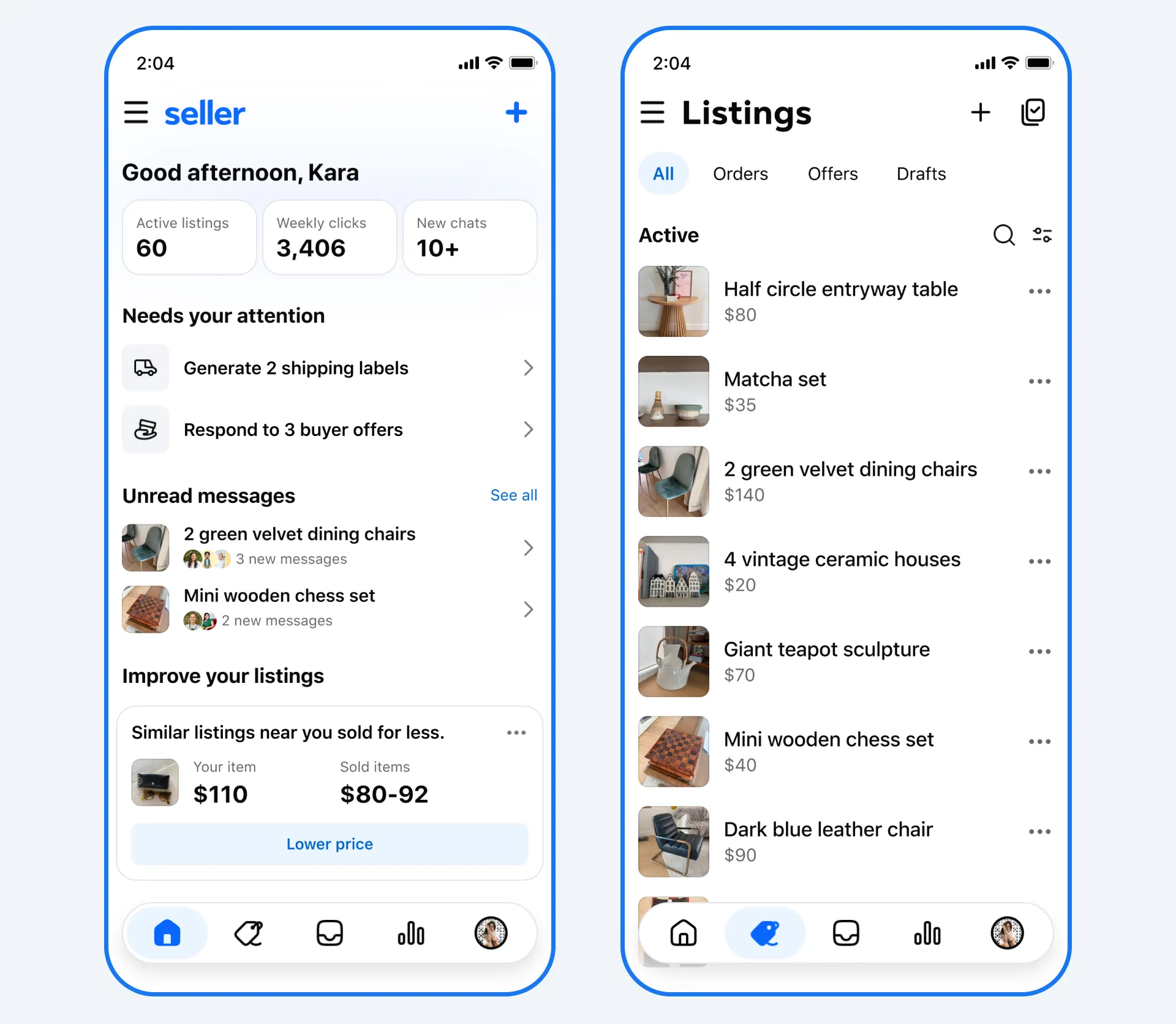
Video is only one piece of Meta’s rethink. The company is launching Seller, a dedicated app for Marketplace merchants to manage listings, speak with buyers and track performance. That takes one of Facebook’s most practical features and gives it a more focused workspace, much like Craigslist’s sprawling classifieds model eventually spawned specialized alternatives.
Earlier this year, Facebook also launched Forum, a separate app built around Groups. The resemblance to Reddit is plain: topic-based communities, discussions and a destination designed for people who care about a particular subject rather than an all-purpose social graph. Meta’s Facebook video experience and these standalone apps point in opposite directions on the surface. One centralizes attention; the others peel useful functions away. Together, they suggest Facebook is being rebuilt as a hub with specialized satellites.
Frankly, that may be smarter than forcing every behavior into one giant blue app. Facebook became a hodgepodge because users asked it to do everything. The awkward part is that Meta is now trying to preserve that breadth while making the main app behave like a focused entertainment product.
Verification gets cheaper, but trust remains expensive
Meta is also changing how Facebook verification works. Alongside Meta Verified subscriptions starting at $11.99 per month, the company says users will be able to earn a free badge through a “simple selfie verification” process intended to show an account is connected to a real person.
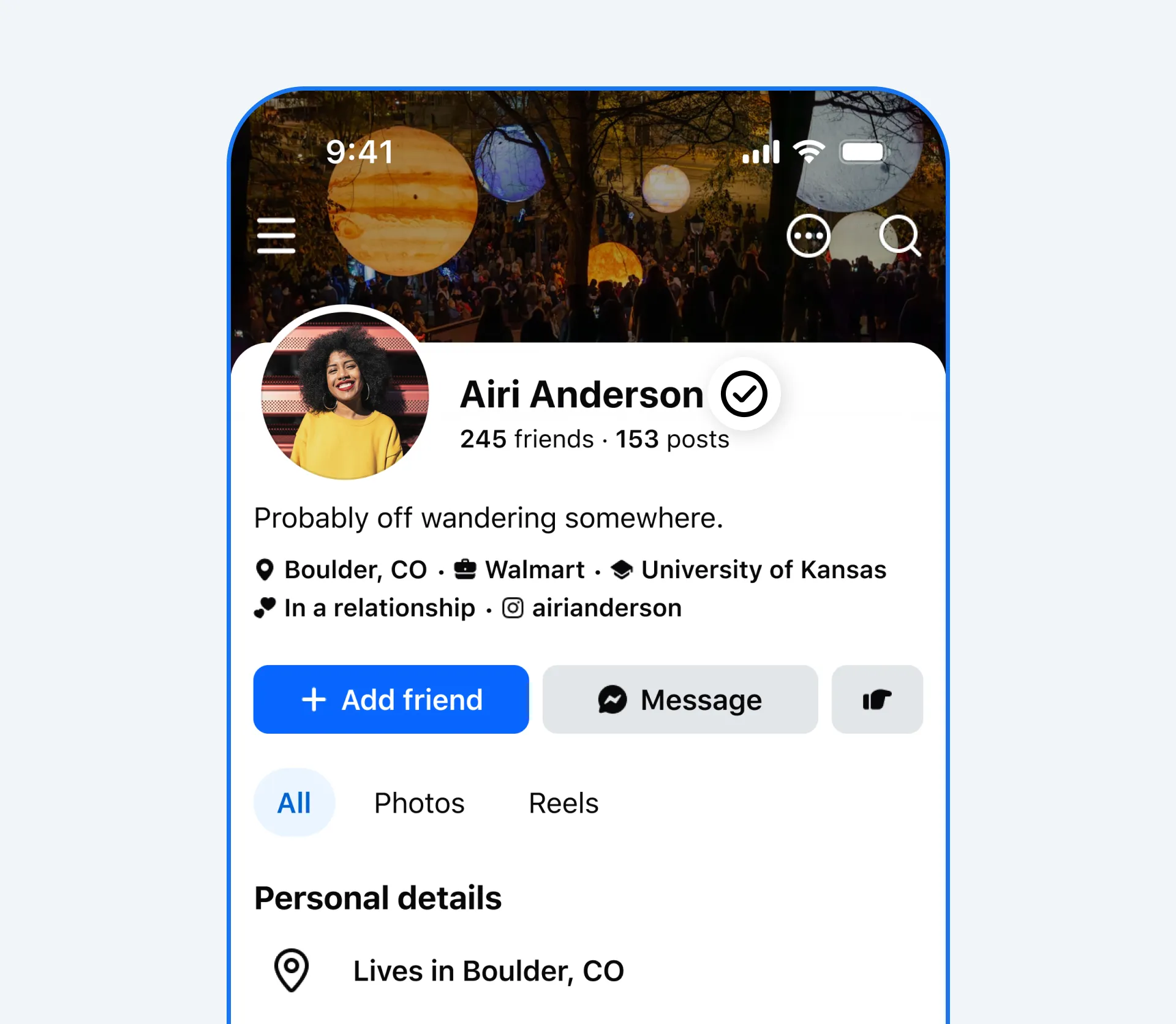
That is a useful distinction, if Meta executes it well. A paid badge has always mixed identity confirmation with a subscription product, which can make the symbol feel less like proof and more like a checkout receipt. Free selfie verification could give ordinary users a clearer signal that the person selling a camera, running a neighborhood group or messaging them is not an obvious fake.
Still, no badge fixes the deeper trust issues that plague large social networks: impersonation, hacked accounts, scam listings and content that outruns moderation. The Facebook video experience could bring more engagement, but it will also put more pressure on Meta to distinguish authentic creators and legitimate sellers from people gaming a recommendation system.
Facebook does not need to become TikTok to remain useful. It does, however, need to accept that the old News Feed-era contract is over. If Meta can pair great video discovery with the things Facebook still does unusually well — local utility, durable communities and commerce — this redesign has a real chance. If it merely swaps one endless feed for another, users will recognize the imitation in about three swipes.