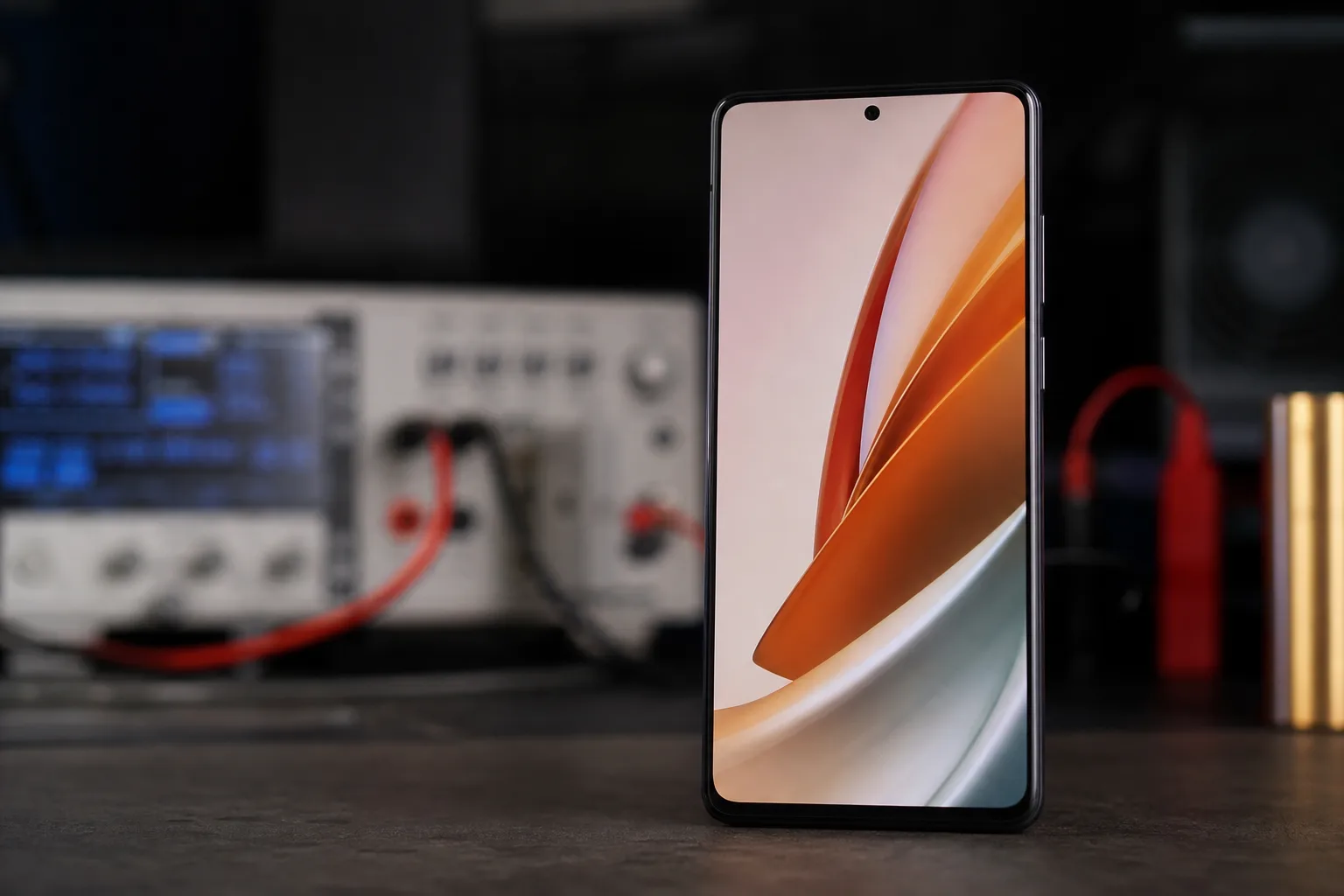
- Samsung is reportedly testing silicon-carbon batteries for the Galaxy S27 range, with a possible capacity increase of roughly 10%.
- Silicon-carbon batteries may be reserved for Galaxy S27 Pro and Ultra models if Samsung decides the entry-level phone is too costly.
- A 10% increase could put the Galaxy S27 Ultra near 5,500mAh without making Samsung’s largest flagship substantially thicker.
- Higher energy density comes with a trade-off: silicon-rich cells can lose capacity faster over years of charging.
Table of Contents
Silicon-carbon batteries could finally reach Samsung’s flagship slab phones
Samsung has spent years watching Chinese rivals stuff enormous batteries into increasingly slim phones. Now, silicon-carbon batteries look set to become the company’s answer — although Samsung may make buyers pay extra for the privilege. A Korean leaker, Lanzuk, says the company is testing the chemistry across its Galaxy S27 family and is still weighing the final capacities.
The headline number being floated is modest by current industry standards: around 10% more capacity than the Galaxy S26 generation. If that estimate lands, the Galaxy S27 Ultra could move to roughly 5,500mAh. That would matter, even if it won’t produce the sort of wild 7,000mAh-plus figures now seen from OnePlus and Oppo.
Samsung’s recent foldables reportedly marked its first major embrace of this battery design. That timing makes the Galaxy S27 a logical next destination. Foldables have unusually unforgiving space constraints, after all, and conventional lithium-ion cells have left Samsung with little room to improve endurance without adding thickness or weight.
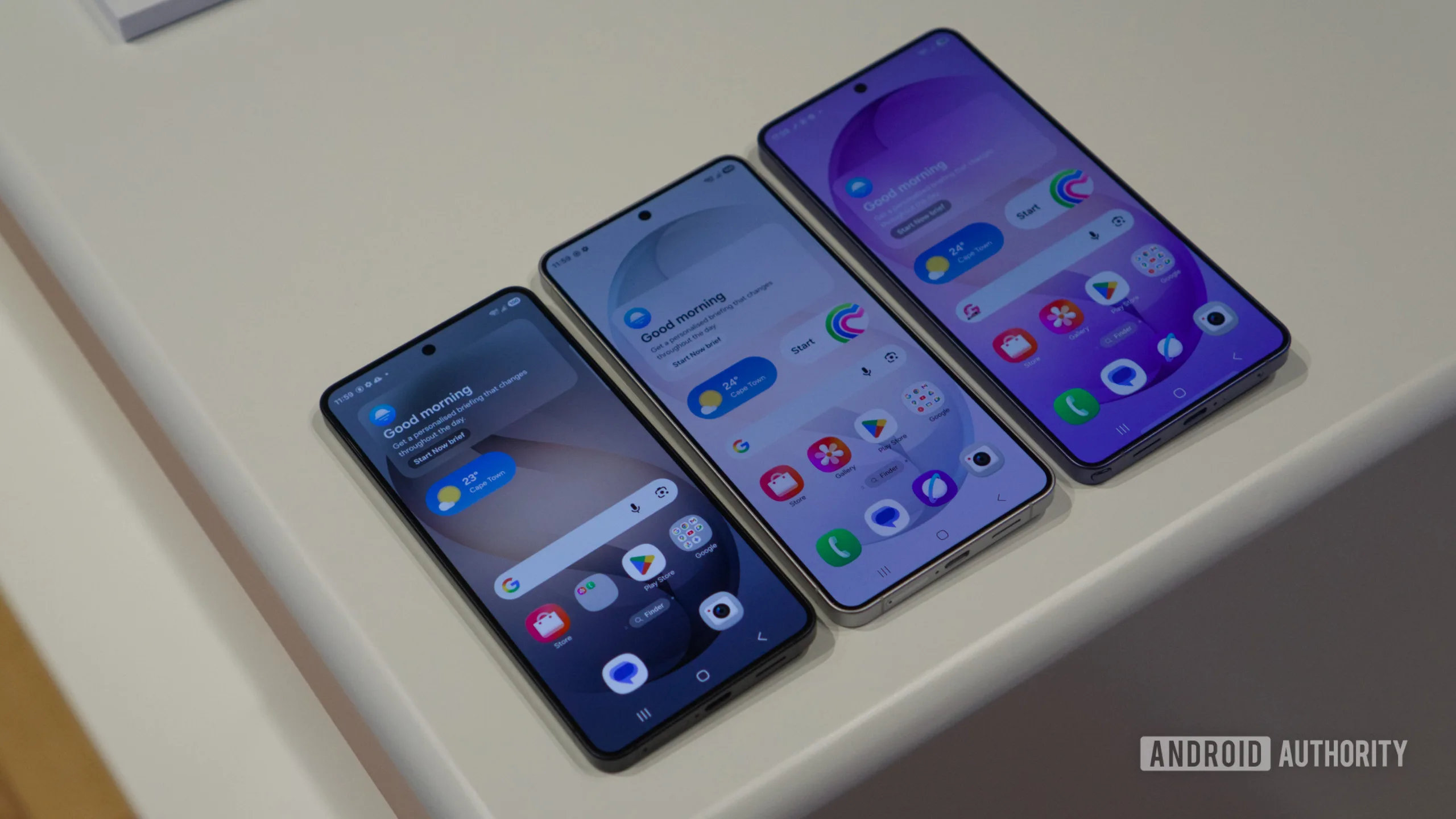
The catch is the most Samsung part of this story: the base Galaxy S27 may not get the upgrade. Lanzuk says the company is considering limiting the new cells to the Galaxy S27 Pro and higher-end models because of cost. That would be frustrating, but it also tracks with Samsung’s recent habit of using the Ultra model as both its technology showcase and its margin machine.
Why silicon-carbon batteries matter more than a bigger number
Despite the name, silicon-carbon batteries are still lithium-ion batteries. The change is largely in the anode, where silicon-containing material can store far more lithium than the graphite used in traditional designs. The practical upside is wonderfully simple: phone makers can fit more energy into the same physical space, or hold capacity steady while freeing up room for cameras, cooling hardware and slimmer frames.
That equation has already transformed the Android market outside Samsung’s orbit. Oppo’s Find X9 Pro has pushed to a reported 7,500mAh, while the OnePlus 15 sits around 7,300mAh. Smaller phones have benefited too. A compact device no longer has to accept the battery life of a commuter train that stops running at 9 p.m.
Samsung probably won’t chase those headline capacities immediately. Its engineering culture is more conservative, and not without reason. For shoppers, that caution may be preferable, even if it means Samsung reaches the party late.
The more interesting benefit may be product design. If Samsung puts silicon-carbon batteries into a Galaxy S27 Pro, it could potentially offer Ultra-like camera hardware in a body closer to the old Plus model. There’s always a fight for internal volume inside a phone: bigger sensors, periscope lenses, vapor chambers and batteries are all trying to occupy the same tiny apartment. Better energy density gives engineers another room to work with.
A split Galaxy S27 lineup would create an awkward upgrade path
Keeping silicon-carbon batteries away from the least expensive Galaxy S27 would create a very obvious fault line in the range. Battery endurance is not a fringe feature. It shapes whether a phone survives a long travel day, whether navigation drains it before dinner, and whether you have to carry a power bank like it’s 2018.
Samsung could argue that the standard model needs a lower price, and that’s fair. New cell materials cost more, supply chains take time to scale, and yields matter. But consumers don’t buy yield curves. They see a company charging premium flagship prices while competitors offer better endurance in phones that are often less expensive.
My read is that a Pro-only approach would be a defensible short-term manufacturing decision but a weak long-term product strategy. Apple has made a business out of feature segmentation, and Samsung has often followed that playbook. Yet Android buyers are increasingly aware that brands such as OnePlus and Xiaomi are using silicon-carbon batteries to solve a basic complaint Samsung has allowed to linger: its phones are excellent, but their battery capacity has felt oddly static.
Samsung also has to be careful about names. A Galaxy S27 Pro would need to offer more than a slightly larger cell and a few camera tweaks; otherwise it risks becoming a toll booth between the standard phone and the Ultra. Nobody enjoys discovering that the sensible-sized model has the compromised battery because the company needed another SKU.
The degradation question Samsung cannot ignore
There is no free lunch in battery chemistry. Silicon expands and contracts as it charges and discharges, which can accelerate wear compared with the best graphite-heavy lithium-ion cells. The trade-off is why the conversation around silicon-carbon batteries should not stop at capacity. A phone that begins with exceptional endurance but loses it quickly after two years is not automatically a win.
Early indications from Samsung’s latest foldables suggest that their cells may degrade faster than the preceding generation, though they remain broadly competitive with the Galaxy S26 line and appear to outperform some Pixel and iPhone longevity estimates. Those figures need real-world validation over time. Battery-health claims are notoriously difficult to compare because charging habits, heat, charging speeds and manufacturer safeguards all affect the result.
Samsung reportedly publishes battery-care guidance and charging features through its official support documentation, including options designed to limit maximum charge in certain situations. Such features become more valuable as battery materials become more energy-dense. Frankly, the company should go further: clearer cycle-life ratings, easier battery replacement and honest health reporting would do more for buyer confidence than another polished launch-stage animation.
A 5,500mAh Galaxy S27 Ultra would be meaningful progress if Samsung can deliver it without compromising thickness, heat management or long-term durability. The question now is whether the company will treat longer battery life as a flagship privilege, or finally make it a baseline expectation across the Galaxy S27 range.