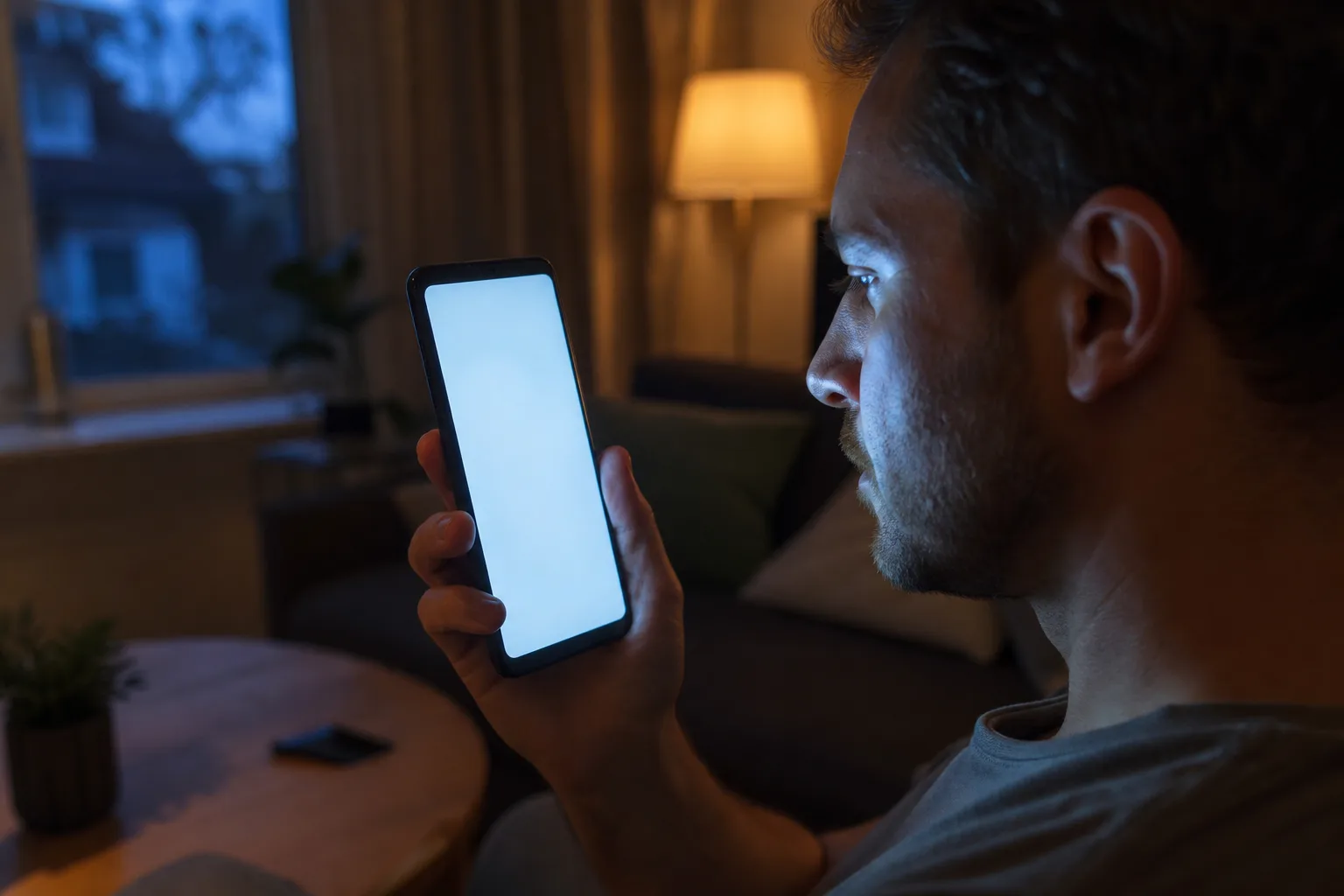
Google has spent years trying to make its phone face recognition feel less temperamental, and Pixel 11 Face Unlock looks like the latest attempt to fix the most obvious weak spot: the moment you’re lying in bed, sitting in a dark car, or walking into a dim bar and your phone suddenly decides it doesn’t know you.
On product pages for the Pixel 11, Pixel 11 Pro, and Pixel 11 Pro Fold, Google says Face Unlock is now “faster, more secure, and more accurate in low light” than it was on the Pixel 10 generation. That’s a useful claim, even if the company has offered almost nothing on how it pulled it off.
- Google is pitching Pixel 11 Face Unlock as a faster, more secure, and more accurate way to unlock the phone in darker surroundings.
- The company says Pixel 11 Face Unlock improves on the Pixel 10 series, but has not explained what changed under the hood.
- It still carries Android’s strongest biometric classification, so it can handle payments and banking-app authentication.
- Camera-only recognition may get better, but infrared hardware remains the clearest route to iPhone-like reliability in total darkness.
Table of Contents
Pixel 11 Face Unlock targets the awkward lighting problem
Face authentication lives or dies on consistency. Nobody minds entering a PIN once in a while; they mind doing it every morning because the feature advertised as instant works only under ideal office lighting. Google’s description says Pixel 11 Face Unlock can recognize users “more easily in low light,” framing the improvement as both a convenience feature and a protection for private data.
That wording matters. Google is not saying the Pixel 11 can scan a face in pitch-black conditions. It is promising better results in low light, which is a lower bar and probably the honest one for a system built principally around the phone’s front camera. Ambient light still has to exist for a conventional camera to capture meaningful facial detail.
For people who actually use a Pixel every day, the practical test will be mundane: Can Pixel 11 Face Unlock unlock while you’re on a sofa with one lamp on? Can it reliably identify you under a streetlight? Does it stop failing when the screen brightness is low? Those tiny interactions determine whether people leave face unlock enabled or quietly revert to the fingerprint sensor.
Google has tucked the claim into a security-focused product-page carousel alongside Titan M3, its built-in VPN, Call Screen, Scam Detection, and Satellite SOS. It also appears on the company’s Pixel safety material, where Google says users can get into the phone “safely and quickly, even in darker surroundings.” The low-key placement makes this feel like a tuned-up capability rather than a major new biometric system.
Google’s face unlock journey has been unusually uneven
That is partly because Google has already taken several swings at this problem. The Pixel 4 was an earlier attempt at face unlock. The result was a long, rather strange gap: Pixel phones went from having advanced facial recognition to having no face unlock at all.
The company brought the feature back with the Pixel 7, this time relying on the selfie camera and machine learning. A year later, Google upgraded the Pixel 8’s Face Unlock to meet Android’s highest biometric security tier. That designation is significant because it enables tap-to-pay authentication and app sign-ins for services such as banking clients, tasks Android ordinarily reserves for a stronger biometric method.
At the time, Google credited Tensor G3 and advanced machine-learning algorithms, but it never published a detailed technical explanation. The same is true now. Pixel 11 Face Unlock may use a better front-facing sensor, revised image processing, improved anti-spoofing models, or some mix of all three. Google has not said, and journalists should resist turning a marketing sentence into a hardware teardown.
Still, the fact that Google compares the new phones directly with Pixel 10 suggests there is a measurable change in the company’s own testing. If it were merely an interface animation or a vague software polish pass, that comparison would be a risky thing to print. My read is that Google has improved the system’s ability to work with noisier, weaker camera input, perhaps by improving how Pixel 11 Face Unlock combines screen illumination, exposure control, and on-device recognition.
Why Apple still has the cleaner answer
There is a ceiling to what a visible-light camera can do. Apple’s Face ID has long relied on dedicated infrared imaging and a dot projector, allowing an iPhone to map a face when the room is dark. It also has a hardware-first story that is easier to explain to consumers: the phone is actively measuring facial depth, rather than asking a camera and a model to make the best of whatever light is available.
Apple reportedly describes the approach in its Face ID security documentation. Face ID has had its own annoyances over the years, especially when masks were everywhere, but darkness generally isn’t one of them.
Google reportedly explored bringing infrared-powered face authentication to the Pixel 11 family, but recent rumors indicated that hardware was not ready in time. If those reports are accurate, they explain the language around Pixel 11 Face Unlock: an improvement over the previous camera-based system, not a declaration that Google has built a Face ID equivalent.
A better feature, but not the final form
There’s also a useful distinction between security classification and user experience. Google’s existing high-tier face unlock can already approve payments and secure apps, which places it well above the casual face-unlock implementations that many Android phones have shipped over the years. But a feature can meet a formal biometric standard and still be irritating at 11:30 p.m. in a dark bedroom.
That’s why this update could matter more than its modest product-page billing suggests. If Pixel 11 Face Unlock works noticeably more often in dim conditions, it will remove friction from an interaction people perform dozens of times a day. Google doesn’t need to beat Face ID in every laboratory scenario to make the Pixel experience better.
But the company should be careful not to confuse progress with arrival. Camera-only face recognition has improved quickly, and Google’s Tensor-driven approach may now be good enough for far more situations than it was a year ago. In total darkness, though, physics remains stubbornly old-fashioned. Until Google returns to dedicated infrared hardware, the Pixel’s fingerprint reader will remain the real hero when the lights go out.