

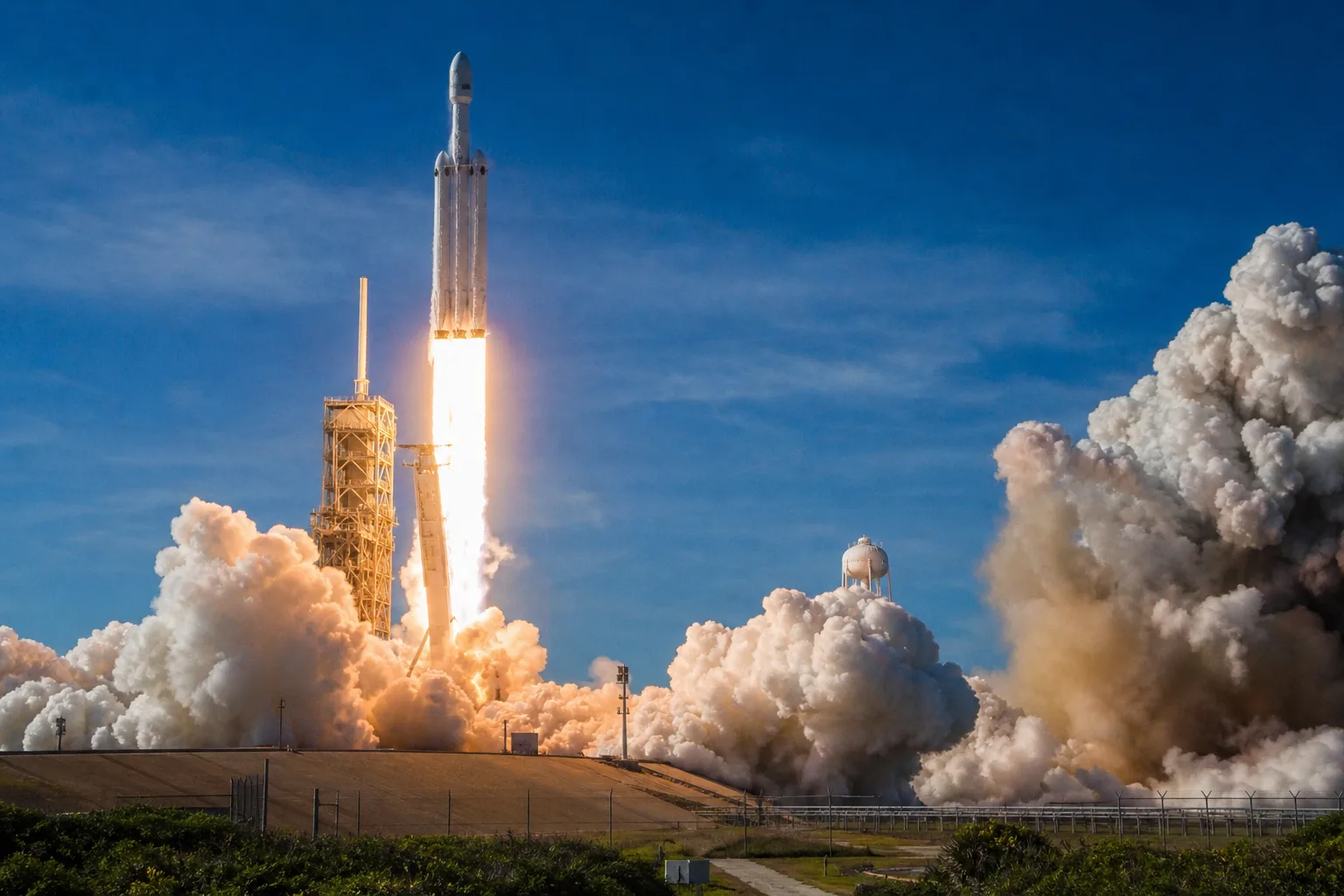
- The Vulcan rocket failure destroyed 40 Amazon Leo satellites on the first of 38 launches booked with United Launch Alliance.
- A Vulcan rocket failure will likely pause a vehicle assigned to roughly half of upcoming US national security space missions.
- Amazon loses satellites, launch time, and momentum in its increasingly difficult effort to challenge SpaceX’s Starlink network.
- The anomaly occurred about 10 minutes after liftoff, after Vulcan’s six solid boosters appeared to perform normally.
Table of Contents
The Vulcan rocket failure hits far beyond one launch
The Vulcan rocket failure on Sunday was a blunt reminder that the commercial launch business still has very little margin for error. United Launch Alliance lost its Vulcan rocket and a payload of 40 Amazon Leo broadband satellites roughly 10 minutes after liftoff from Cape Canaveral Space Force Station in Florida. For ULA, Amazon, and the US government customers waiting in line behind them, this is not the sort of setback that can be waved away with a brisk press release.
Vulcan lifted off at 12:40 p.m. Eastern time, with six strap-on solid rocket boosters providing its initial punch. Those boosters appeared to perform as intended during the first portion of flight. Then something went wrong later in ascent, after the rocket had left the most visually dramatic part of the mission behind. ULA said the vehicle suffered an anomaly and failed to place Amazon’s satellites in orbit. It had not identified a specific cause in its initial statement.
“ULA exists to provide assured access to space for our nation and for the customers who depend on us,” the company said. “Today, we did not meet that standard.”
That wording is appropriately sober. This wasn’t a test article carrying an instrument package. It was the opening mission in Amazon’s much larger deployment plan and a flight for a rocket ULA intends to make central to its business.
Why the Vulcan rocket failure is a problem for Amazon
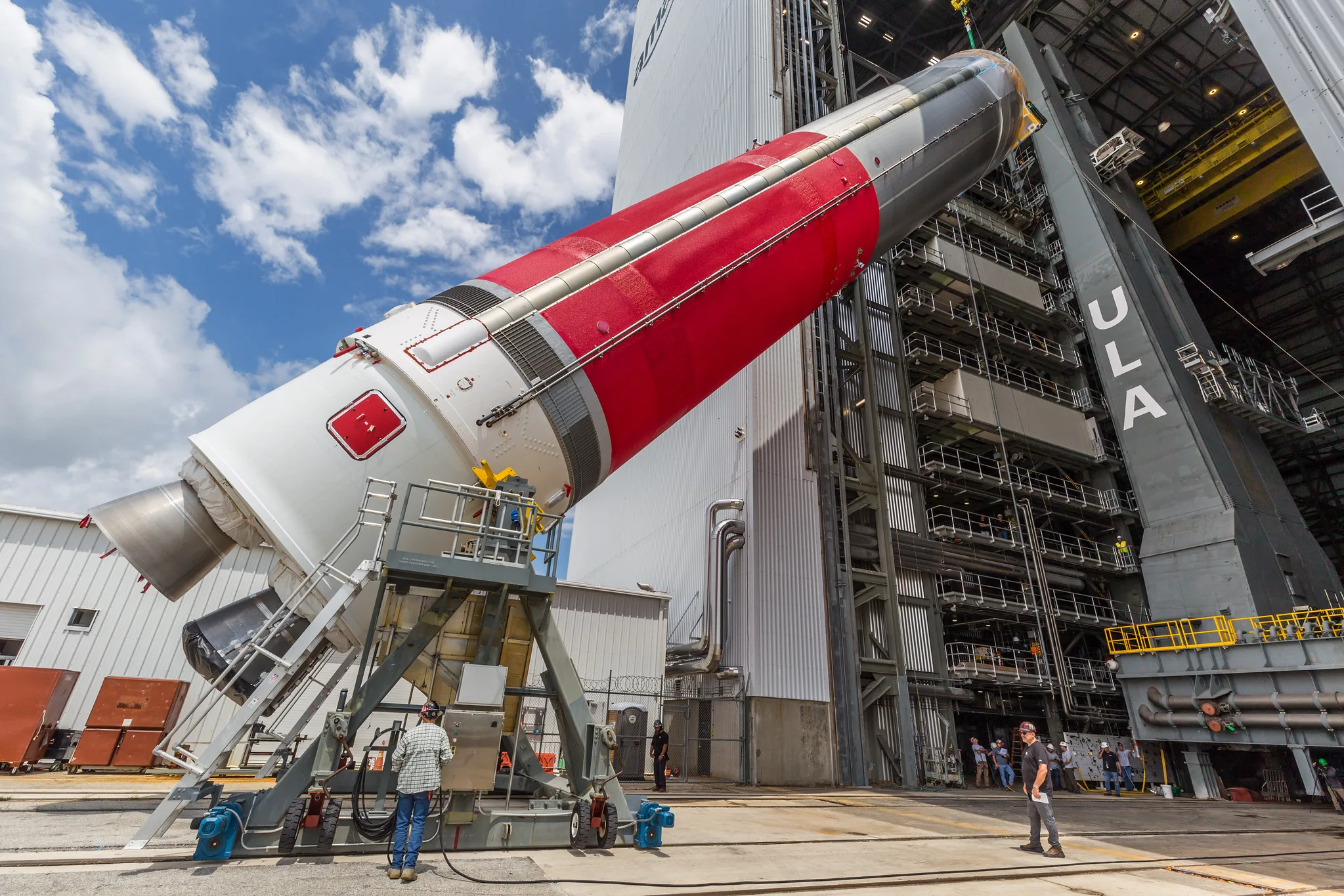
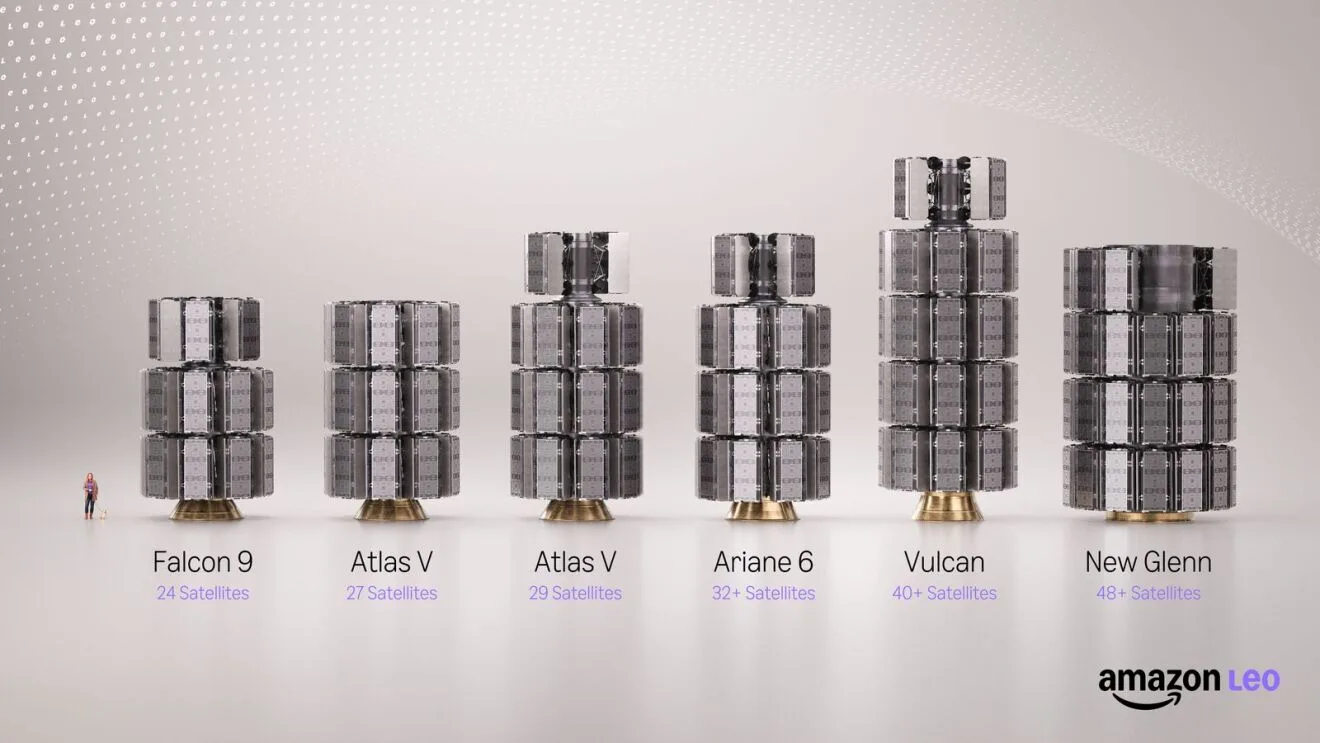
Amazon has booked 38 Vulcan launches for its Leo satellite internet constellation, a system designed to compete with SpaceX’s Starlink. Sunday’s payload was meant to be the first batch sent up by Vulcan. All 40 spacecraft were lost with the rocket.
Amazon can absorb a satellite loss financially; it is, after all, Amazon. What it cannot casually absorb is time. Building a low-Earth-orbit broadband network means launching hundreds or thousands of satellites rapidly enough to establish useful coverage, replace aging spacecraft, and meet regulatory deployment deadlines. A grounded rocket turns that schedule into a moving target.
The awkward reality is that Starlink has already built the sort of launch-and-deploy machine Amazon is trying to assemble. SpaceX launches its own satellites on reusable Falcon 9 boosters at a pace no other Western provider has matched. Amazon has diversified its launch contracts across ULA, Blue Origin, Arianespace and SpaceX, which was the sensible move. But Vulcan was supposed to carry a meaningful share of the workload, and the Vulcan rocket failure has now put 38 planned missions under a cloud.
Amazon Leo is not finished, but its schedule may now depend on more Falcon 9 capacity, more flexibility, or both. A Starlink challenger may have to lean on its chief rival’s rockets to keep moving. Space is like that: the physics does not care about your corporate strategy deck.
A launch vehicle with an uncomfortable pattern
This is Vulcan’s fifth flight, and the vehicle had already had more drama than ULA would like. On two earlier missions, problems involving solid rocket boosters prompted investigations and long pauses before the rocket returned to service. In those cases, Vulcan recovered well enough to complete its mission and deploy its payload.
The latest Vulcan rocket failure appears materially worse because the mission did not reach orbit. That distinction matters. Launch systems are built with redundancy and margins because components will occasionally misbehave. But a recovery during ascent is very different from a mission-ending anomaly after the launch vehicle has passed through several major stages of flight.
ULA will now need to identify the failed system, establish whether the issue could affect other Vulcans, and persuade the Federal Aviation Administration and its customers that corrective work is complete. The company said it would investigate the cause, determine the right corrective action, and return to flight as quickly as possible. That is the expected public line; the timetable is much harder to predict. Complex failure reviews can last weeks, and they can also take months. The Vulcan rocket failure makes that review especially important for every customer waiting behind Amazon.
Vulcan uses two Blue Origin BE-4 engines on its first stage, alongside Northrop Grumman-built solid boosters, and a Centaur V upper stage. Without telemetry or a preliminary fault tree, assigning blame to any component would be pure guesswork. The six solids looking healthy early in flight narrows nothing definitive. Rockets are integrated systems. The problem could lie in propulsion, guidance, stage separation, upper-stage operation, structural hardware, software, or a frustratingly small part that failed at exactly the wrong moment.
National security customers now have fewer easy options
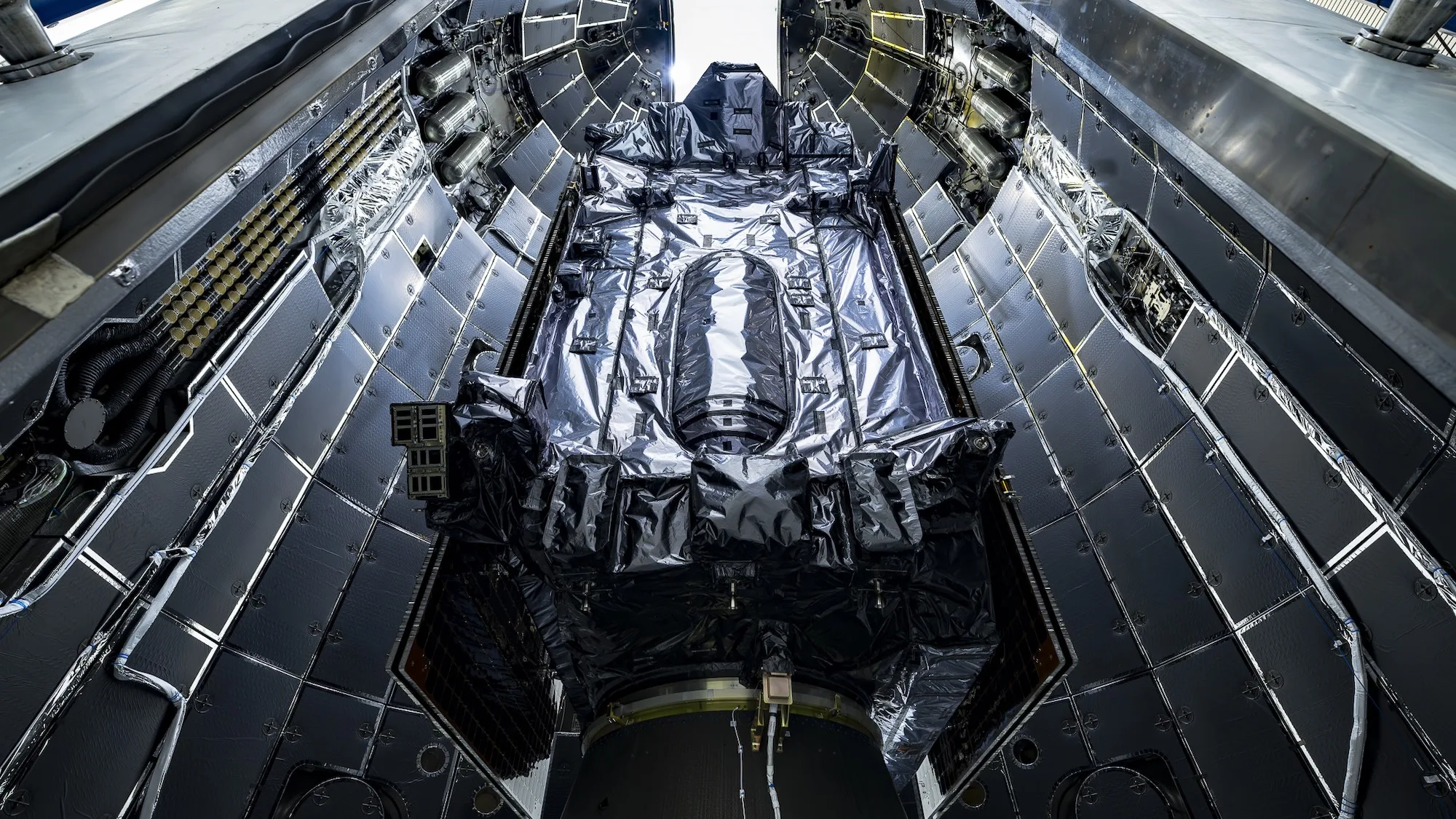
The Vulcan rocket failure could have its biggest effect on the Pentagon and intelligence community launch manifest. ULA is contracted to fly roughly half of the US military’s national security space missions over the next several years. Those payloads include the communications, surveillance and navigation systems that are easy to ignore until they are not.
For years, Washington treated assured access to space as a two-provider problem: maintain more than one qualified launch company, so a failure or grounding at one does not leave the country stranded. It is a sound policy. But it only works cleanly when both providers have spare launch capacity and the satellites can actually move between rockets without major redesign or years of paperwork.
SpaceX is the obvious alternative for some missions, and its Falcon 9 has become remarkably reliable by the standards of orbital launch. Still, Falcon 9 capacity is not infinite, some payloads are tied to particular launch configurations, and national security scheduling is not as simple as ordering an extra delivery slot. The Vulcan rocket failure therefore creates a planning headache even if no military satellite is immediately delayed.
ULA has a deep record with the US government, built over decades of Atlas V and Delta launches. That heritage will help it manage the investigation. But past credibility does not make current hardware fly. The company needs a clear root cause and a correction that customers can inspect, not merely accept on faith.
SpaceX’s lead just became harder to challenge
Frankly, this is a major strategic gift to SpaceX, even though SpaceX did nothing to cause it. The company already leads in launch cadence and reusability, while Starlink dominates the satellite broadband market it created. ULA’s Vulcan was meant to be one of the credible counterweights: a modern American rocket with government trust, commercial contracts, and enough lift capability to serve major constellation operators.
Now ULA faces another stand-down while Amazon loses its first Vulcan payload and reassesses the path ahead. A short investigation with a narrowly contained cause would make the disruption manageable. A broader design or production issue would ripple through Amazon Leo’s deployment calendar and the US national security launch queue alike.
The real test is no longer whether Vulcan can return to the pad. It is whether ULA can return with the kind of dependable cadence that makes customers plan around it rather than plan around its absence.